
1. Engineering Excellence: Sourcing a Durable Cooler Bag for Performance
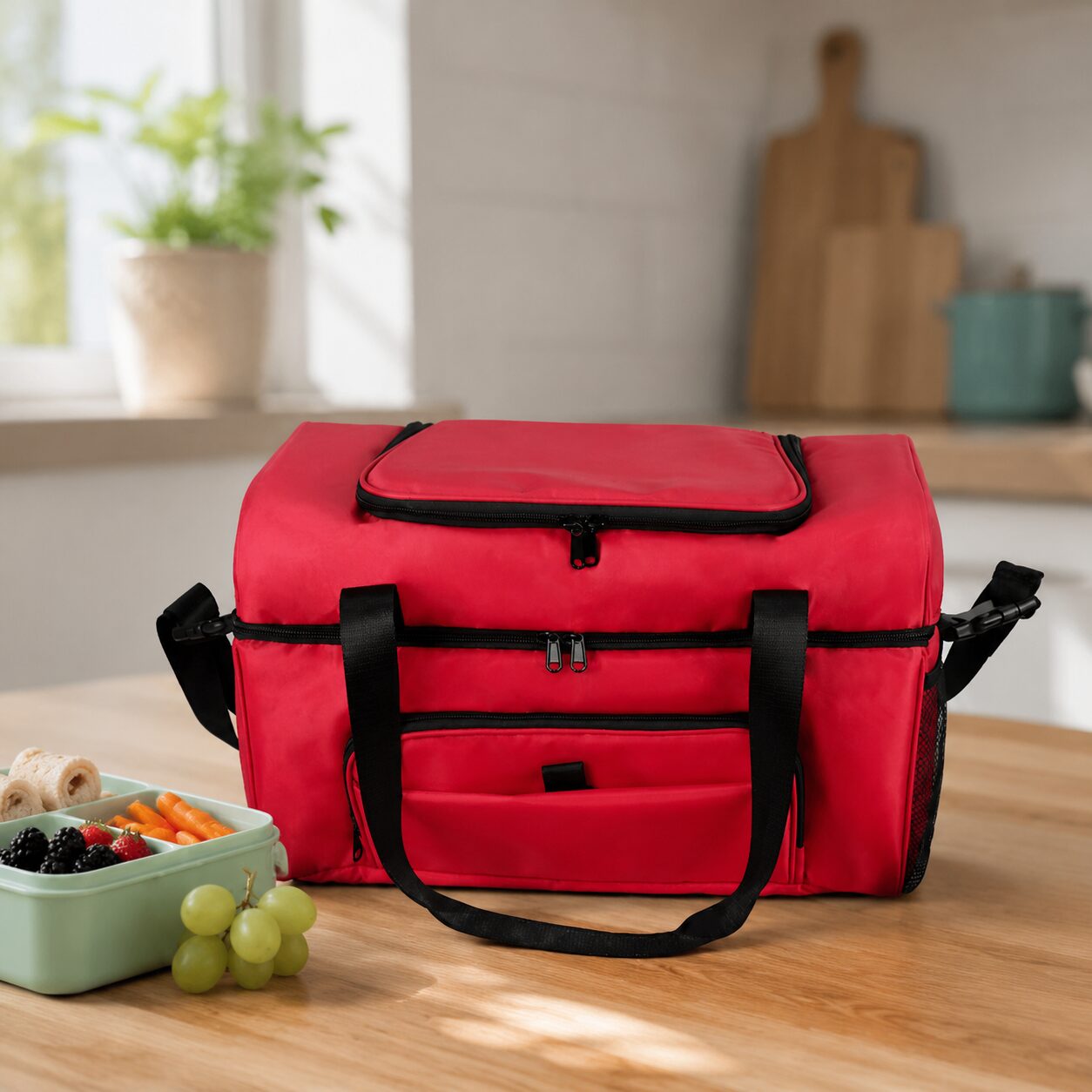
What’s under the hood matters way more than just the exterior styling when you’re building a commercial thermal lineup. Big retail brands know that holding up over time comes down to the hidden reinforcement layers, not just picking a nice-looking face fabric. Choosing tough underlying materials is what ensures every single durable cooler bag survives heavy outdoor abuse without sagging or losing its shape. That’s why procurement teams need to dig into the core textile engineering before greenlighting a new custom line. Plus, cutting out the middlemen lets brand directors talk straight with the factory floor supervisors, locking in material certifications that actually match your physical testing specs without getting watered down by brokers. Sourcing a durable cooler bag series through an OEM manufacturing partner guarantees precise control over heavy-duty webbing strength and insulation thickness. Digital tech packs transform into tangible retail items rapidly because engineering teams communicate modifications instantly without bureaucratic lag. Industrial manufacturing scale allows emerging brands to maximize profit margins while maintaining absolute delivery reliability across massive international inventory volumes.
| Sourcing Dimension | Traditional Trading Approach | Direct OEM Manufacturer Approach |
| Supply Chain Transparency | Low visibility with multiple intermediaries | Complete oversight from raw material to bulk delivery |
| Cost Efficiency | Higher baseline pricing due to agent markups | Optimized production costs and maximum profit margins |
| Prototyping Agility | Slow sample turnaround with communication gaps | Rapid tech pack execution and direct engineering support |
2. Material Selection: The Foundation of Cooler Materials and Thermal Performance
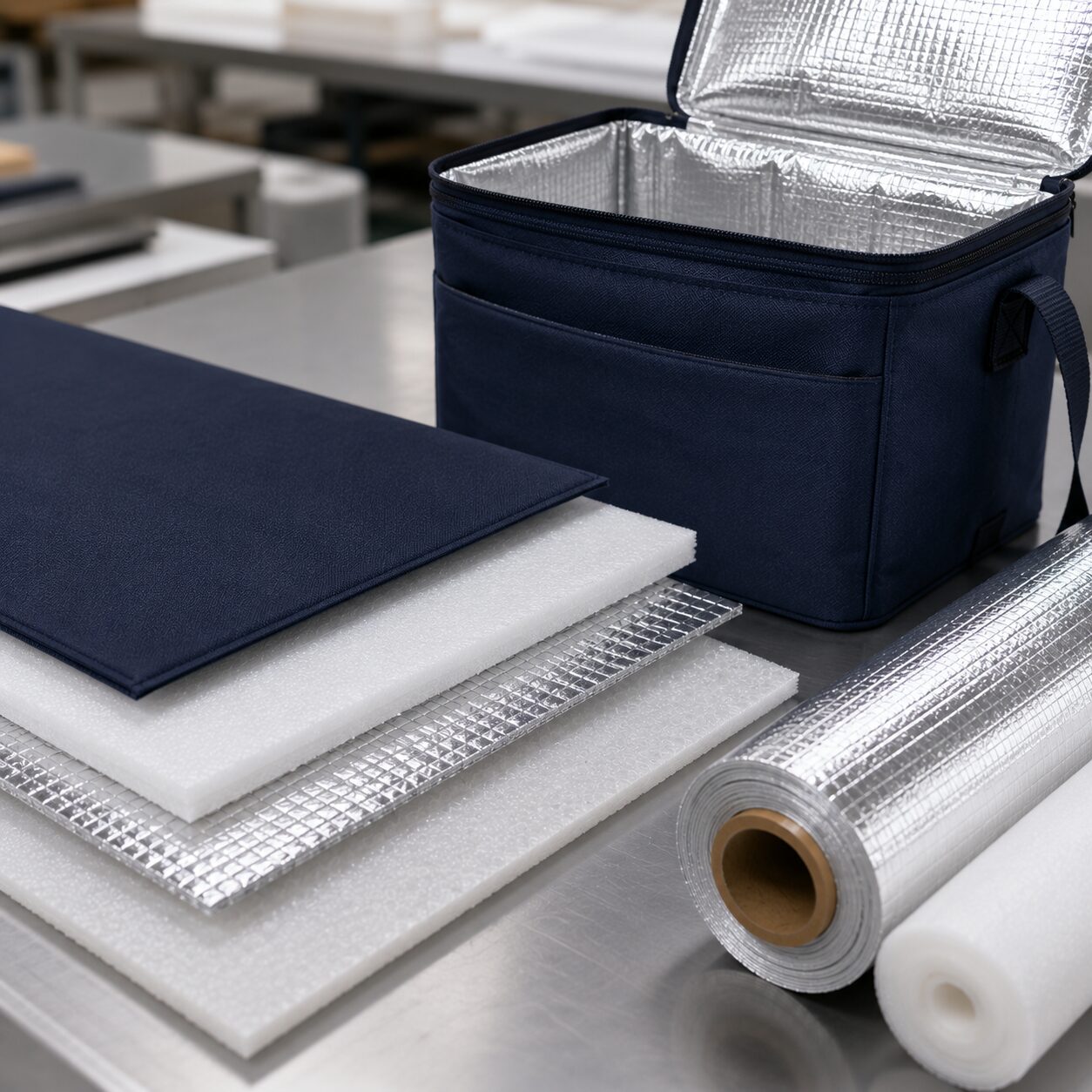
Outer shell textile selection determines how well a thermal accessory withstands harsh UV radiation and abrasive campsite conditions. Factory engineers utilize heavy-denier woven fabrics treated with specialized hydrophobic compounds to shed morning dew and heavy rain. Selecting advanced cooler materials requires balancing fabric tear resistance with overall bag flexibility during folding and packing operations. High-density polyethylene foam cores provide the structural backbone required to prevent compression collapse under heavy beverage loads. Testing high-performance insulation in the lab is a must for checking how well it holds up across different temperatures. Brand managers look closely at yarn denier ratings to make sure the exterior fabric won’t easily puncture against sharp gear. Out on the floor, supervisors keep a tight eye on lamination pressure so the outer fabric and waterproof backing don’t bubble up. Before any textile roll hits the bulk cutting tables, techs put it through simulated weathering tests to see how it handles intense sun. At the end of the day, all that prep work goes into making sure every single durable cooler bag actually performs when it matters.
- High-denier Oxford fabrics provide exceptional abrasion resistance and durability against harsh outdoor environments.
- Waterproof TPU and rugged PU-coated shells protect internal insulation layers from environmental moisture and rain.
- High-density EPE foam insulation cores maintain structural loft and prevent thermal decay under heavy loads.
3. The Hidden Vulnerability: Cooler Bag Lining Engineering and Seam Integrity
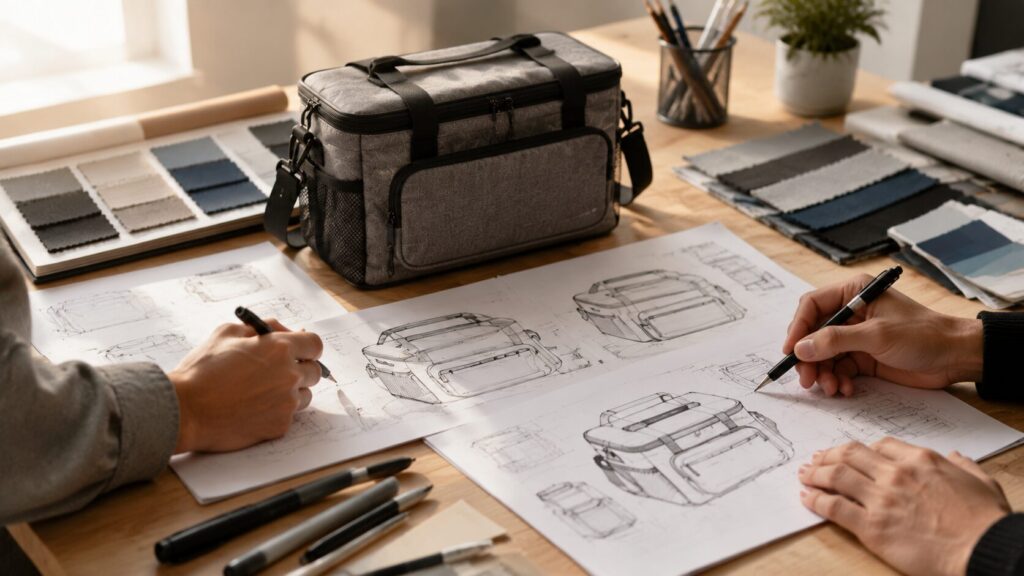
Internal compartment construction represents the most critical engineering zone within any high-performance commercial thermal container. Factory production lines must replace traditional single-needle stitching with automated thermal bonding to eliminate liquid leakage paths. Inspecting advanced cooler bag lining architectures reveals whether a manufacturer utilizes food-grade polymers or substandard recycled plastics. Sourcing robust internal barriers ensures that melting ice water remains completely contained within the storage chamber for hours. To make sure every durable cooler bag holds up under heavy loads, QA leads test seam strength using pneumatic pressure chambers. Automated cutters keep panel alignment dead-on so the thermal welding heads hit every joint with even heat. Cleanrooms keep stray dust from messing with the polymer bonding during high-frequency sealing, and techs constantly tweak the temperature controls all shift long to lock in the strongest possible weld.
- Traditional stitched aluminum foils fail under melting ice because needle holes cause premature liquid leakage.
- Seamless heat-welded linings eliminate puncture points and guarantee a 100% watertight internal vessel.
- Industrial lamination bonds inner films securely to supporting fabric substrates to prevent peeling during use.
4. Waterproof Superiority: Evaluating Cool Bag Lining Options for Ice Retention
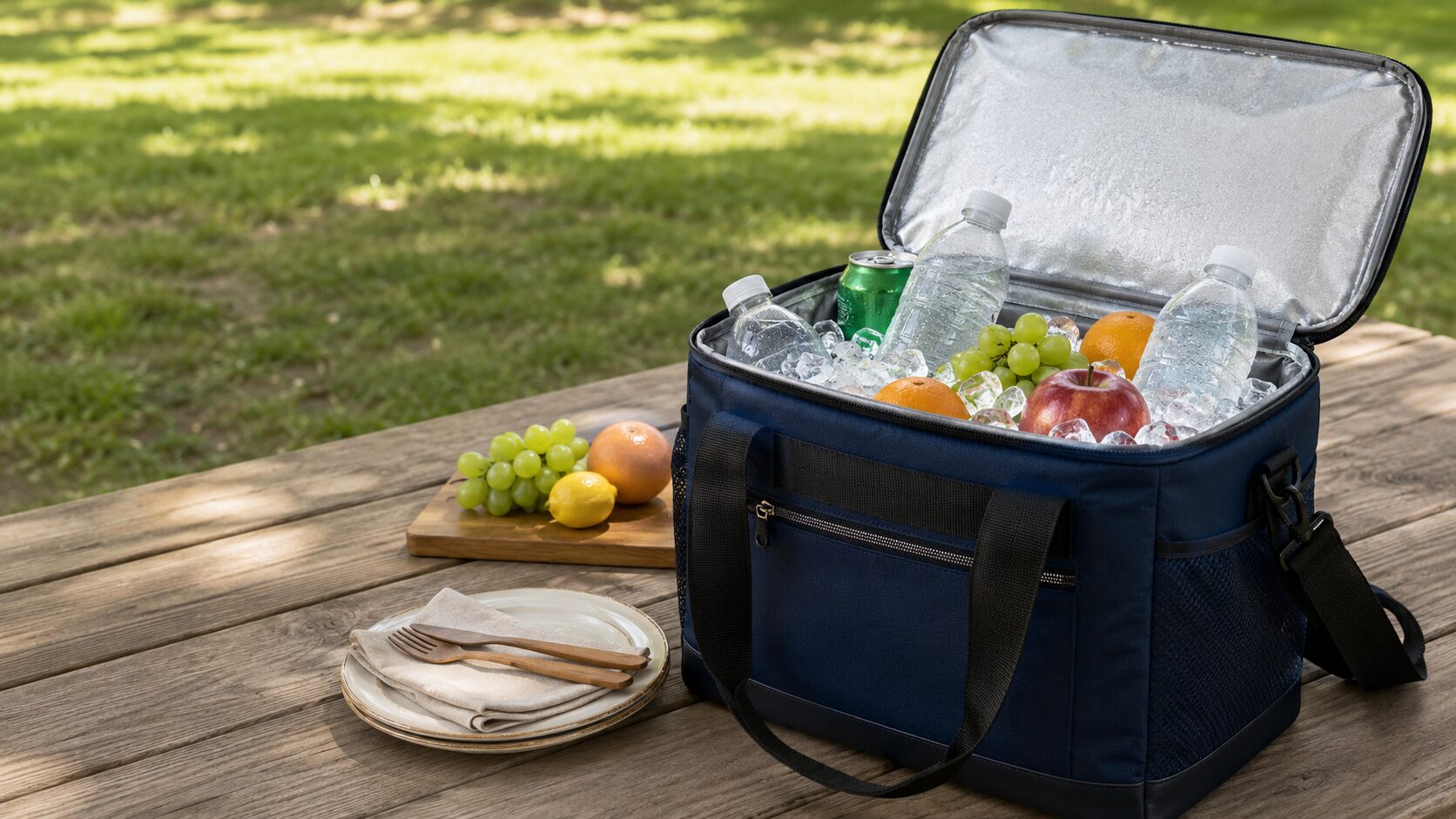
Loose ice retention demands an entirely impermeable internal vessel capable of withstanding constant hydraulic pressure from sloshing liquids. Modern factory fabrication utilizes high-frequency radio waves to weld polymer sheets into seamless, monolithic compartments. Selecting a premium cool bag lining ensures resistance against staining, odors, and aggressive sanitization agents used in commercial dishwashing. Factory auditors check polymer thickness with digital micrometers so the liner won’t get chewed up by jagged commercial ice. They also mix in special antimicrobial additives to stop mold from taking over the inside if sugary drinks spill and sit. Out on the line, engineers dial in the radio wave frequency generators so the thermal assembly doesn’t scorch the surrounding reinforcement layers. Before anything gets packed up, automated optical inspection cameras scan every single weld inside a durable cooler bag to catch tiny pinholes that could cause leaks later on.
- High-frequency welded PEVA creates an impermeable barrier capable of holding loose ice for extended periods.
- Smooth interior surfaces allow effortless cleaning and prevent bacterial growth after exposure to food spills.
- Commercial-grade polymer thickness withstands puncture from sharp ice cubes and heavy beverage cans.
5. Setting Benchmarks: What Defines High Quality Cooler Bags in Bulk Sourcing
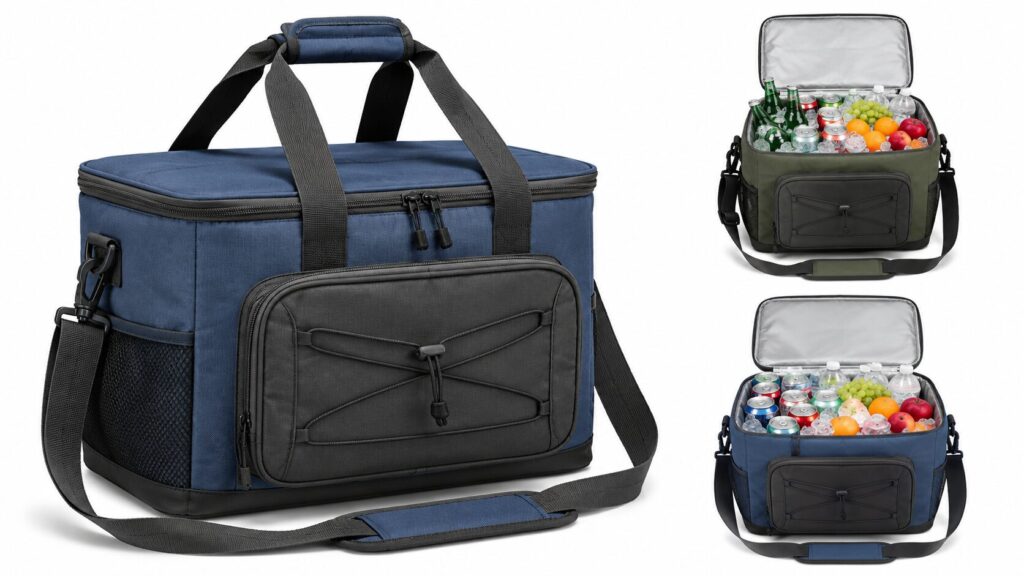
Mass production consistency separates amateur trading companies from elite industrial manufacturing facilities capable of serving global retail giants. Sourcing consistency ensures every unit in a bulk batch of high quality cooler bags matches the approved master sample. Factory quality control inspectors measure buckle tensile strength and zipper tooth alignment against strict military-grade tolerances. Automated sewing stations utilize computerized template guidance to guarantee identical stitch density across thousands of commercial units. Packaging supervisors conduct drop-impact audits on packed cartons to verify that outer structures protect internal contents during transit. Raw material inventory managers track lot numbers meticulously to trace component origins in case of unexpected performance variances. Supply chain coordinators maintain buffer stocks of certified hardware components to prevent seasonal assembly line bottlenecks.
- Heavy-duty waterproof zippers resist jamming and maintain airtight seals under extreme mechanical tension.
- Reinforced D-rings and molded pull handles secure heavy loads against sudden structural pull-point failure.
- Automated precision cutting guarantees dimensional uniformity across mass-produced commercial inventory batches.
6. Quality Assurance and Factory Testing Protocols for Thermal Bags
Laboratory simulation stress tests verify that finished retail merchandise performs flawlessly under extreme environmental loading conditions. Factory testing technicians subject random production samples to multi-hour thermal decay chambers and heavy-weight drop tests. Verifying structural limits before bulk shipping protects retail partners from costly warranty claims and negative consumer reviews. Environmental chamber operators record internal temperature fluctuations continuously while external ambient heaters mimic severe desert heatwaves. Ergonomic testing equipment measures handle pull resistance to ensure user comfort during extended carrying tasks under maximum weight capacity. Metal detector checkpoints scan finished cartons strictly to eliminate stray sewing needles or manufacturing debris prior to export. Final audit reports provide retail clients with complete transparency regarding batch compliance metrics and engineering test results.
- Ice retention trials measure multi-hour temperature stabilization under extreme summer heat conditions.
- Load-bearing audits test handle tensile strength and structural seam durability under maximum weight capacity.
- Abrasion resistance checks verify that exterior fabrics withstand friction and surface wear over time.
7. The Aimazing Advantage: Engineering Excellence in Thermal Solutions
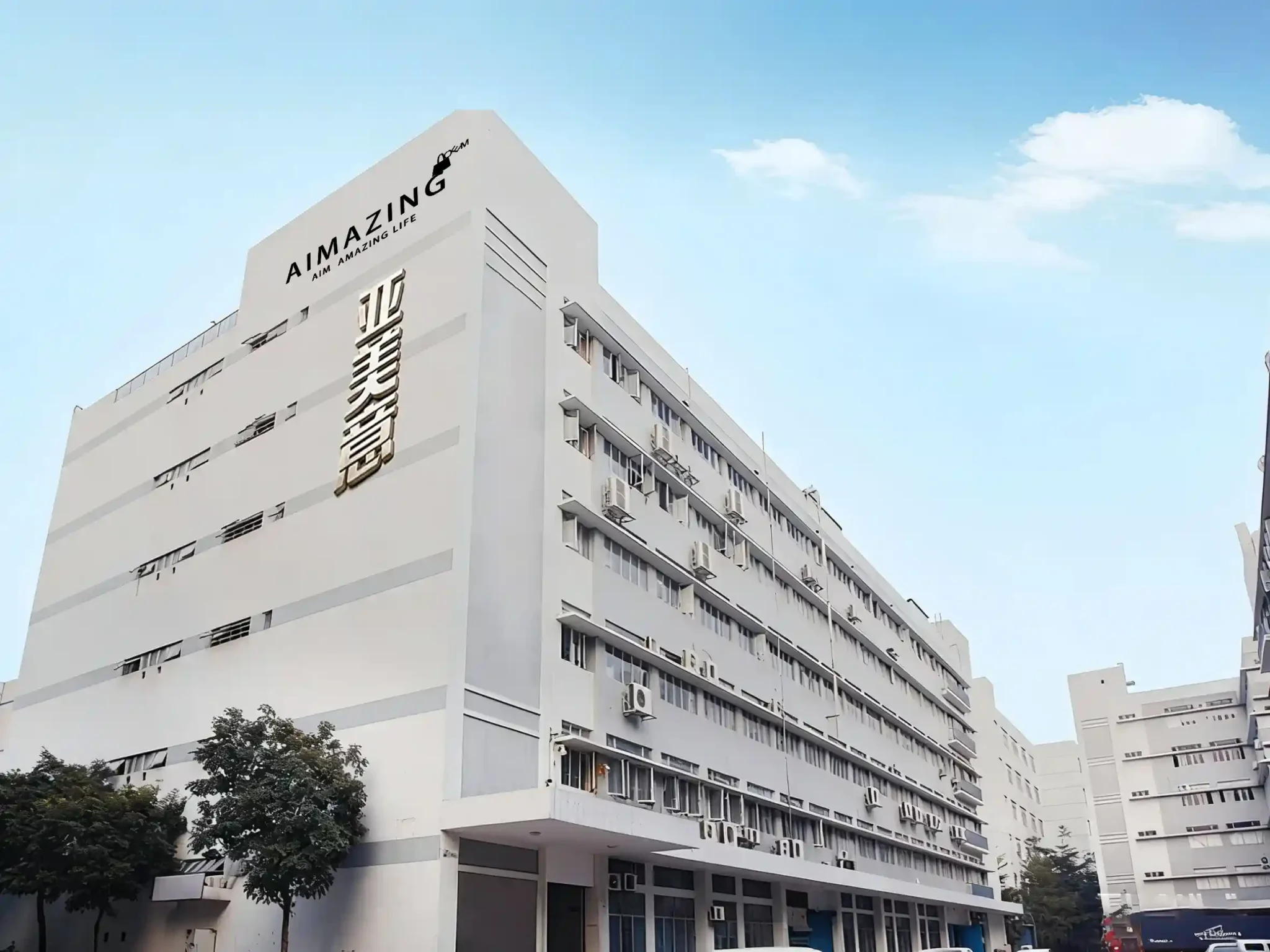
Aimazing Bag delivers robust manufacturing support for global thermal accessory brands worldwide. As an established direct factory partner we combine advanced heat-welding techniques and strict quality control protocols to ensure every production batch meets international standards. Contact our dedicated engineering team today to review technical specifications and schedule your commercial production.