
1. Sourcing Durable Promotional Ware: The Evolution of the Koozie Can Cooler
Event planners and big brands love giving out custom drink sleeves to get their logos noticed at outdoor festivals and concerts. But if you are trying to source a solid koozie can cooler, you really want to check the foam thickness and how the seams are actually stitched, instead of just grabbing whatever has the loudest, flashiest print on it. Procurement teams also need to make sure the fabric is strong enough before dropping big money on a massive promotional order. Working directly with the factory also cuts out the middleman markup and makes sure everything hits strict quality standards. If you are ever trying to define koozie for a client, it is basically a collapsible, insulated sleeve designed to keep your hands dry and your canned drink cold for hours.
Sourcing durable promotional ware through an OEM channel ensures complete control over raw material specifications and production tolerances. Digital tech packs transform into retail merchandise rapidly when factory engineering teams communicate modifications without delay. Industrial manufacturing scale allows emerging brands to maximize profit margins while maintaining absolute delivery reliability across massive international inventory volumes.
| Sourcing Dimension | Traditional Trading Approach | Direct OEM Manufacturer Approach |
| Supply Chain Transparency | Low visibility with multiple intermediaries | Complete oversight from raw material to bulk delivery |
| Cost Efficiency | Higher baseline pricing due to agent markups | Optimized production costs and maximum profit margins |
| Prototyping Agility | Slow sample turnaround with communication gaps | Rapid tech pack execution and direct engineering support |
2. Defining the Product Category: What Is a Coozie and Stubby Cooler?
If you are wondering what is a coozie, it is really just a handy, portable insulated sleeve that keeps your canned or bottled drinks cold while saving your hands from messy condensation and outside heat. If you look at regional habits, it is pretty easy to figure out what is a coozie depending on where you are in the global market. Stateside buyers almost always look for collapsible foam or neoprene sleeves built specifically for standard 12-ounce aluminum cans.
International markets frequently demand the heavy-duty stubby cooler standard featuring thick molded bases and stitched rubber walls. Industrial manufacturers utilize automated cutting tables to achieve absolute dimensional symmetry across diverse regional product lines. Quality assurance inspectors measure wall thickness and base diameter against strict engineering tolerances before bulk packaging. Brand managers specify these regional design variations to satisfy diverse consumer expectations in competitive retail landscapes.
- US market standards: Lightweight collapsible foam and neoprene sleeves dominate domestic event and promotional distribution channels.
- International stubby standards: Thick molded rubber and neoprene constructions serve rugged outdoor markets requiring maximum drop protection.
- Dimensional precision: Automated multi-axis cutting tables ensure absolute symmetry across diverse regional product configurations.
3. Industry Terminology: Understanding Beer Coozie Anatomy and Specifications
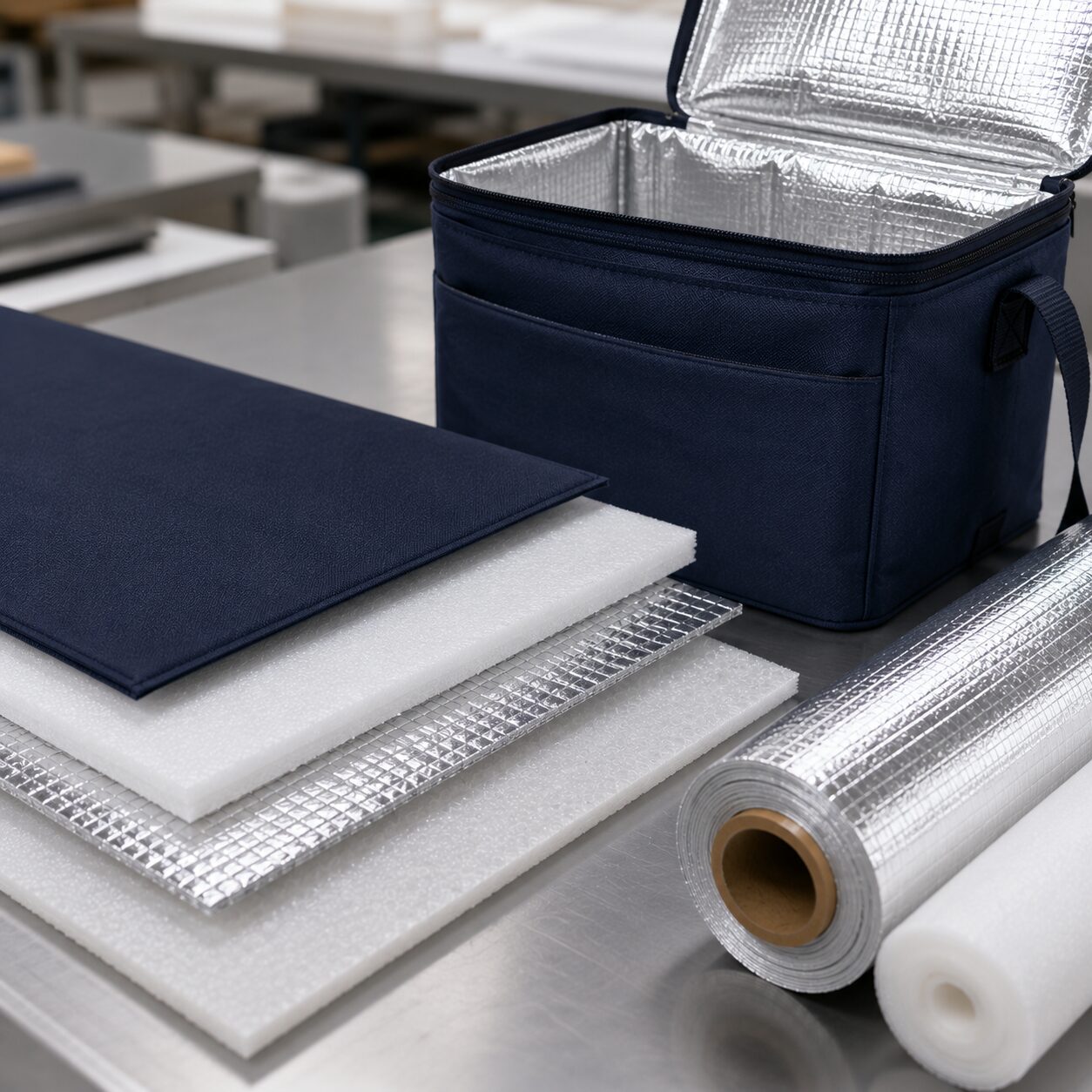
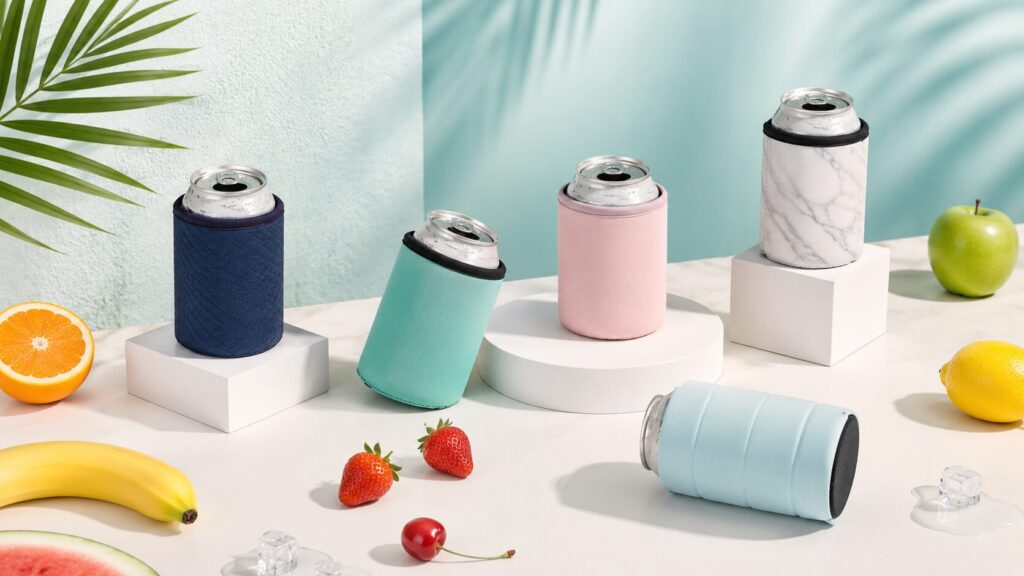
A standard beer coozie combines flexible neoprene or high-density foam with specialized flat-lock stitching to create an ergonomic thermal barrier. Sourcing flexible materials requires balancing puncture resistance with tactile softness during folding operations. Factory engineers configure computerized sewing machines to maintain uniform stitch density across thousands of commercial units. Industrial lamination presses bond outer synthetic textiles securely to rubber core layers without generating bubbling defects. Master technicians calibrate temperature controllers constantly to maintain optimal molecular fusion thresholds throughout daily manufacturing shifts. Inventory managers log lot numbers to trace parts if performance drops, while supply chain coordinators keep buffer stocks of certified hardware so your koozie can cooler assembly lines never hit seasonal bottlenecks.
- Material architecture: Flexible neoprene and high-density foam team up to create a solid thermal barrier for your koozie can cooler.
- Stitch durability: Flat-lock seams keep threads from fraying, which is key when you are folding and unfolding your koozie can cooler over and over.
- Sizing precision: Universal layouts fit standard 12oz cans and slim bottles snugly without slipping off during use.
4. Defining Thermal Accessories: What Is the True Define Koozie Standard?
Thermal sleeves keep your drinks cold by trapping air inside closed-cell foam or rubber. When people ask experts to define koozie durability, they usually look at strict lab tests that track how well the material fights off heat over a few hours. Factory quality control inspectors subject random production samples to multi-hour thermal chambers and heavy-weight compression tests. Environmental chamber operators record internal temperature fluctuations continuously while external ambient heaters mimic severe summer heatwaves. Ergonomic testing equipment measures grip resistance to ensure user comfort during extended outdoor carrying tasks. Metal detector checkpoints scan finished cartons strictly to eliminate stray sewing needles or manufacturing debris prior to export. Final audit reports provide retail clients with complete transparency regarding batch compliance metrics and engineering test results.
- Thermal performance metrics: Thick, high-density insulation keeps outside heat away from your hands and keeps your canned drink cold.
- Durability benchmarks: Buyers look closely at seam strength and puncture resistance to figure out how long a product will actually last.
- Quality verification: Environmental stress tests make sure these accessories keep their shape and hold up under harsh conditions.
5. Custom Koozie Can Cooler Printing: Which Method Survives?
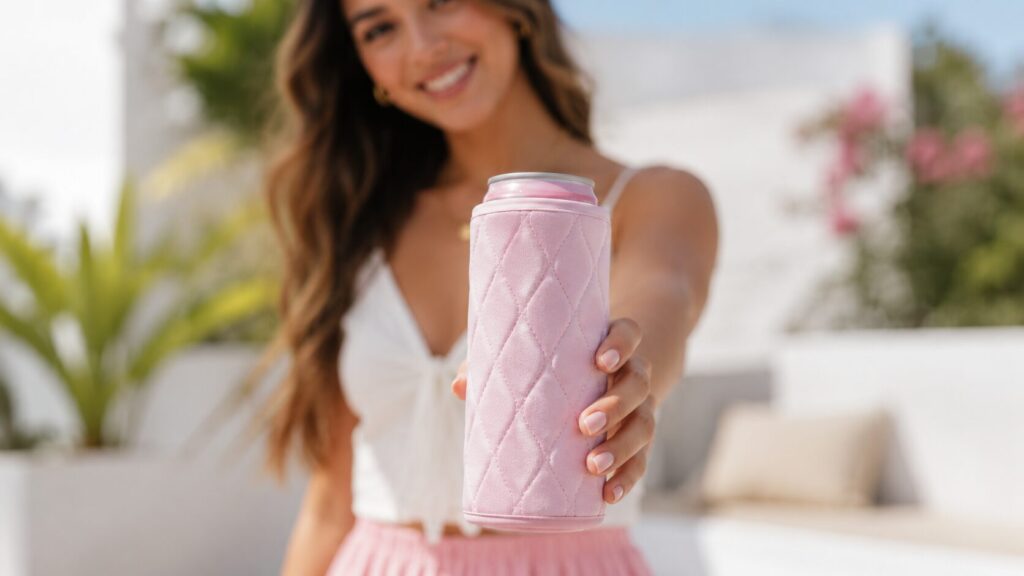
Screen printing gives you super vibrant color saturation for simple vector logos on stretchable foam and neoprene. If you want full-color, edge-to-edge designs that won’t crack, dye-sublimation actually bakes the ink right into the synthetic fibers. Otherwise, modern polymer heat transfer does a great job laying down durable graphics that won’t peel off even after spending all summer outside. Sourcing custom printing methods requires balancing visual vibrancy with mechanical wash-resistance under aggressive handling conditions. Factory print supervisors monitor ink curing temperatures strictly to prevent cracking or fading over extended exposure cycles. QC folks check logo colors against Pantone swatches inside standard daylight lightboxes to make sure everything matches up. Retail partners count on those strict decorating rules to keep their luxury brand looking sharp and high-end in a crowded market.
- Screen printing effectiveness: Screen printing delivers high-opacity vector graphics for simple promotional logo branding projects.
- Sublimation longevity: Dye-sublimation bonds ink permanently with synthetic fibers to eliminate cracking on stretchable surfaces.
- Heat transfer durability: Advanced polymer heat transfers provide crisp photographic detail and strong peel resistance.
6. Quality Control and Bulk Production Standards for Custom Drinkware
Mass production consistency separates amateur trading companies from elite industrial manufacturing facilities serving global retail giants. Factory techs pull random samples off the line to put them through friction rub tests, sweat trials, and endless folding stress checks. Catching print durability issues before anything ships out saves retailers from nasty warranty claims and bad reviews. On the floor, QC inspectors check ink adhesion and fabric stretch against some seriously strict quality tolerances to make sure nothing slips past. Automated screen printing carousels utilize computerized template guidance to guarantee identical graphic placement across thousands of commercial units. Packaging supervisors drop-test cartons to make sure the boxes actually protect the printed stuff inside during shipping. Meanwhile, inventory managers keep a close eye on lot numbers just in case a batch acts up and they need to trace the materials back to the source.
- Friction rub testing: Abrasion resistance checks verify that custom prints withstand continuous hand rubbing and surface friction.
- Sweat exposure trials: Chemical resistance audits ensure printed inks do not bleed when exposed to human perspiration.
- Bulk color consistency: Spectrophotometer evaluations confirm that mass-produced batches match approved master sample hues precisely.
7. The Aimazing Advantage: Engineering Excellence in Thermal Accessories
Aimazing Bag as your reliable direct factory partner delivers robust manufacturing support for global promotional accessory brands worldwide. We combine advanced foam and neoprene lamination with precise screen printing and sublimation techniques to ensure every production batch meets international standards seamlessly. Contact our dedicated engineering team today to review technical specifications and schedule your commercial production.