
1. The Dual-Temperature Dilemma: Can a Single Hot or Cold Bag Truly Do Both?
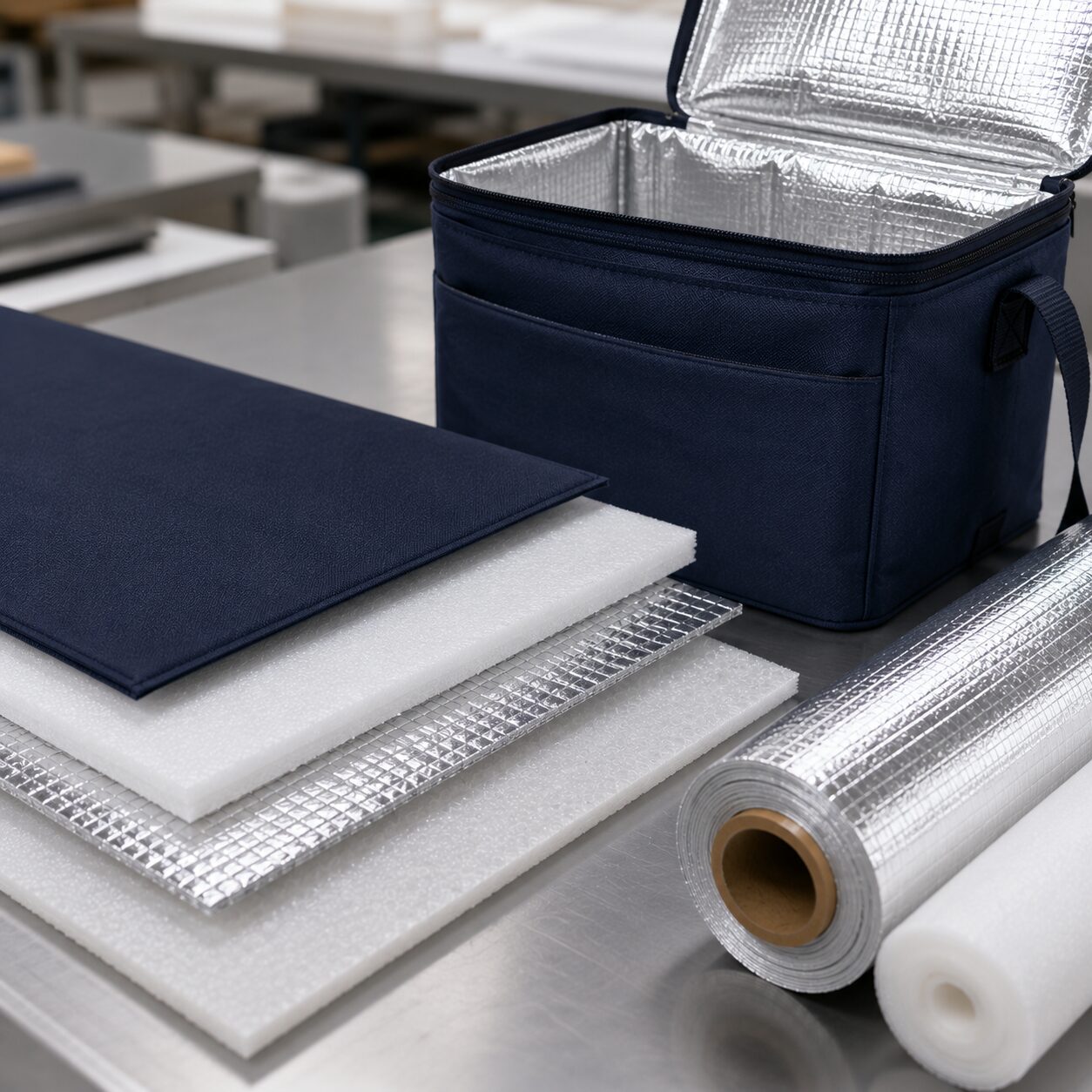
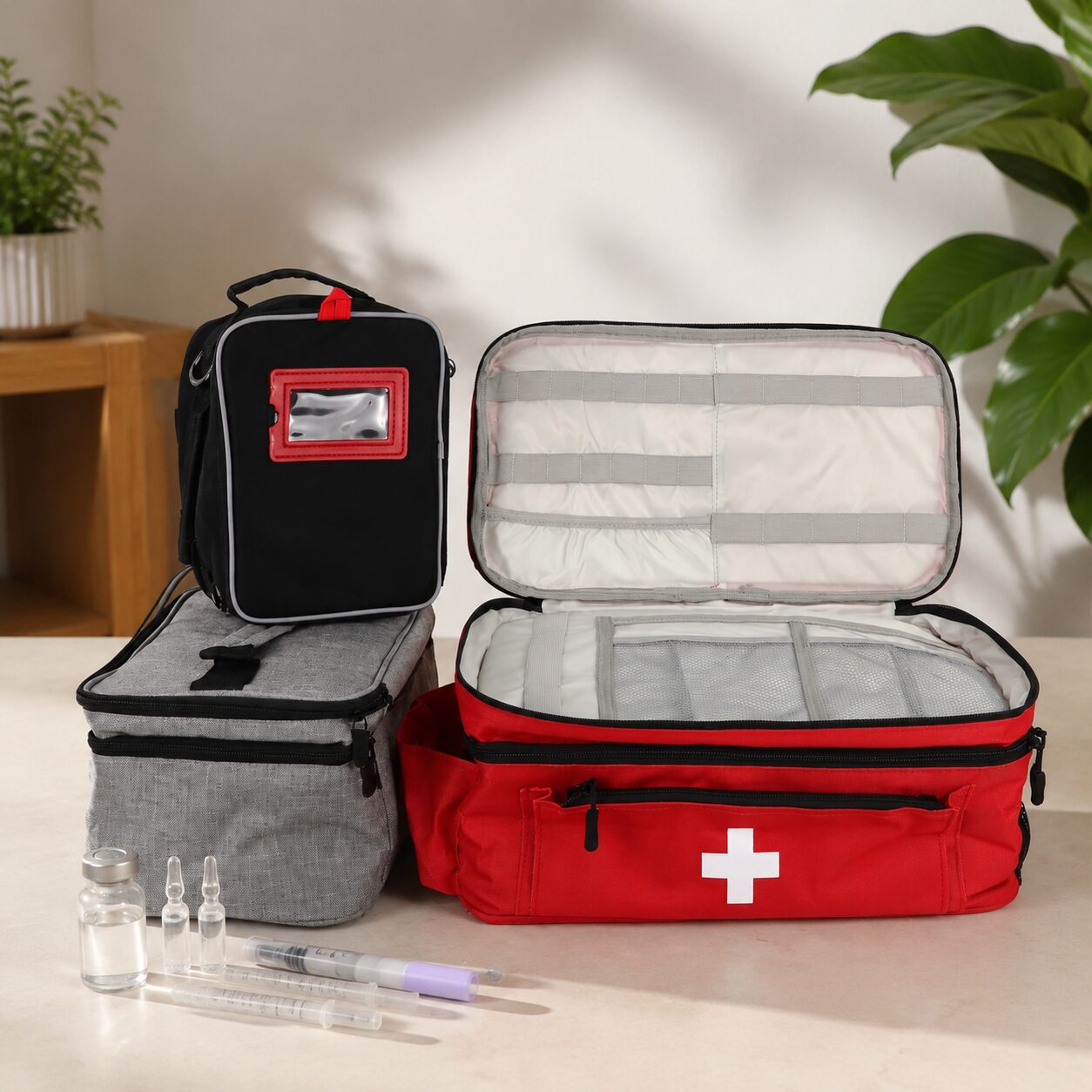
You don’t need two separate carriers when a single hot or cold bag can easily handle both blistering heat and freezing temps, thanks to smart thermal reflection instead of just relying on bulky padding. Brand buyers often question whether dual-purpose thermal containers compromise performance on either end of the spectrum during commercial distribution cycles. Sourcing engineers solve this thermodynamic challenge by integrating closed-cell synthetic foam cores with dual-sided aluminum vapor barriers that reflect radiant energy outward or inward depending on the payload. OEM laboratory tests prove that symmetrical thermal design stops ambient air transfer effectively regardless of whether the internal chamber houses piping-hot catering trays or frozen medical supplies. Establishing rigorous manufacturing standards ensures that global retail partners receive versatile containers capable of maintaining stable internal microclimates across diverse environmental conditions.
| Engineering Principle | Technical Implementation | Commercial Performance |
| Symmetric Thermal Reflection | Dual-sided aluminum vapor barriers | Manages both heat rejection and cold retention |
| Thermodynamic Balance | Closed-cell synthetic foam cores | Prevents ambient air transfer for hot or cold payloads |
| Dual-Purpose Reliability | Rigorous OEM laboratory stress testing | Maintains stable internal microclimates across environments |
2. Material Science and Thermal Mechanics: Do Insulated Bags Keep Food Cold?
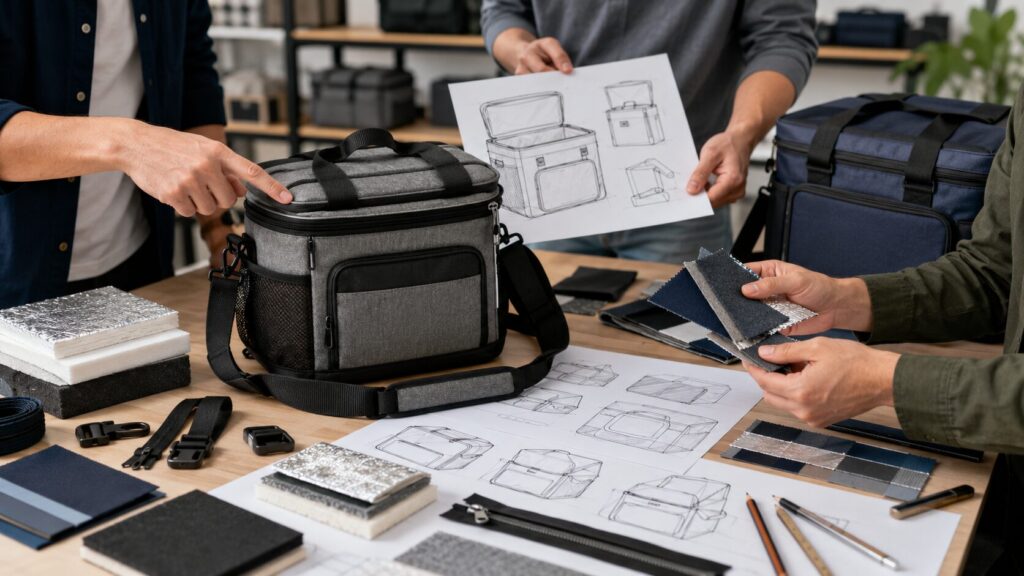
Figuring out do insulated bags keep food cold or testing out a reliable hot or cold bag comes down to seeing how dense EPE foam and foil barriers fight off outside heat while you’re on the move. Thick sheets of closed-cell polyethylene foam put the brakes on conduction by trapping dead air inside tiny pockets all through the walls. At the same time, heavy-duty foil liners bounce external infrared heat right back off the bag, keeping your food fresh whether you’re trying to lock in freezing temperatures or trap the steam from a hot meal. Sourcing data shows that proper thickness calibration prevents structural thermal degradation over extended distribution timelines. Rigorous thermal decay testing confirms that compliant multi-layer assemblies keep perishable groceries chilled for hours without active refrigeration units.
- Conductive heat restriction: High-density EPE foam layers trap static air pockets to block direct heat transfer through walls.
- Radiant energy deflection: Industrial foil barriers reflect external infrared radiation away from perishable contents during transport.
- Thermal decay verification: Standardized testing confirms that multi-layer assemblies maintain chilled temperatures without mechanical cooling.
3. Practical Ice Management: Can You Put Ice in a Cooler Bag Safely?
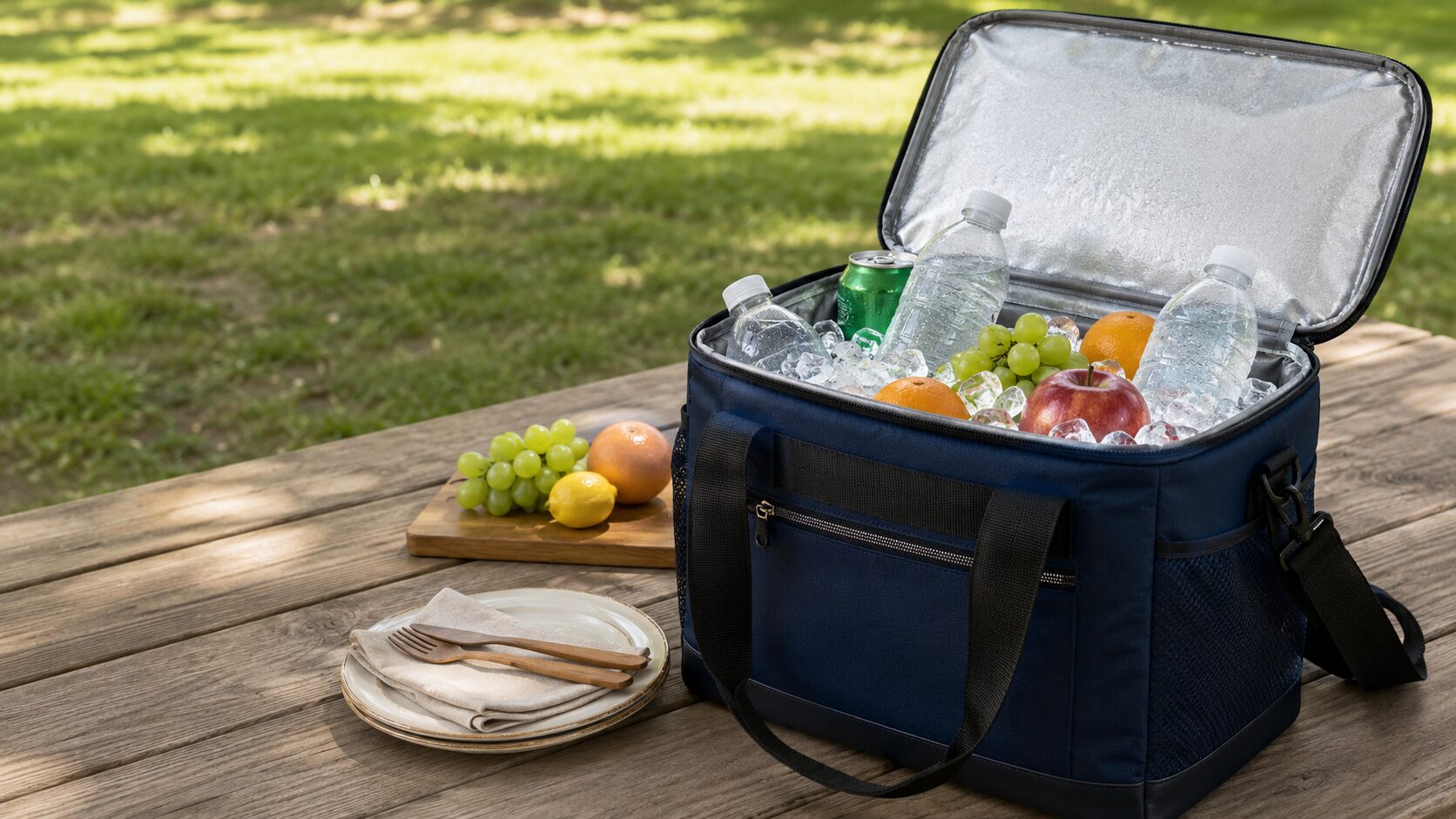
Wondering can you put ice in a cooler bag or picking up a heavy-duty hot or cold bag really comes down to whether the inside lining is put together with high-frequency heat-welded seams. Old-school stitched seams leave tiny needle holes behind that let melted ice water leak straight into the insulation layers. That’s why sourcing engineers swear by seamless, high-frequency welding to fuse waterproof thermoplastic polyurethane sheets into one solid, completely leak-proof tub. Factory stress audits prove that heat-welded seams withstand continuous liquid pressure without allowing moisture migration into surrounding fabric layers. Brand buyers must verify welded seam integrity before marketing any soft-sided cooler as completely ice-safe for consumer use.
- Seam flaws: Traditional stitching punches tiny needle holes right through the fabric, meaning your bag is practically begging to leak the second that ice turns to water.
- High-frequency welding: Melting the thermoplastic together without any needle lines creates a completely sealed, watertight tub that keeps liquids locked tight where they belong.
- Tough stress testing: Factory durability checks put those welded seams through the wringer to prove they can handle a day’s worth of sloshing water without leaking a single drop.
4. Capacity Calculations: How Many Bags of Ice for a Cooler to Maintain Equilibrium?
Determining how many bags of ice for a cooler are needed requires balancing bag internal volume against environmental thermal stress factors. The golden rule of thermal equilibrium dictates a strict 2-to-1 ratio of ice volume to perishable food volume for maximum cooling duration. Sourcing guidelines indicate that undersizing ice quantities causes rapid internal temperature spikes during extended outdoor transit cycles. Factory capacity calculations factor in ambient humidity levels, solar radiation exposure, and zipper closure frequency to recommend accurate fill volumes. Providing clear ice allocation metrics on product specification sheets helps retail consumers achieve optimal thermal performance from every purchased unit.
- Ratio equilibrium: Maintaining a 2-to-1 ice-to-content volume ratio ensures extended cold retention during transport.
- Thermal stress factors: Environmental humidity and ambient heat dictate the exact ice mass required for stability.
- Specification guidelines: Clear fill metrics on product tags help consumers achieve peak thermal performance.
5. Optimization Strategies: Proven Methods on How to Keep a Cooler Cold Longer
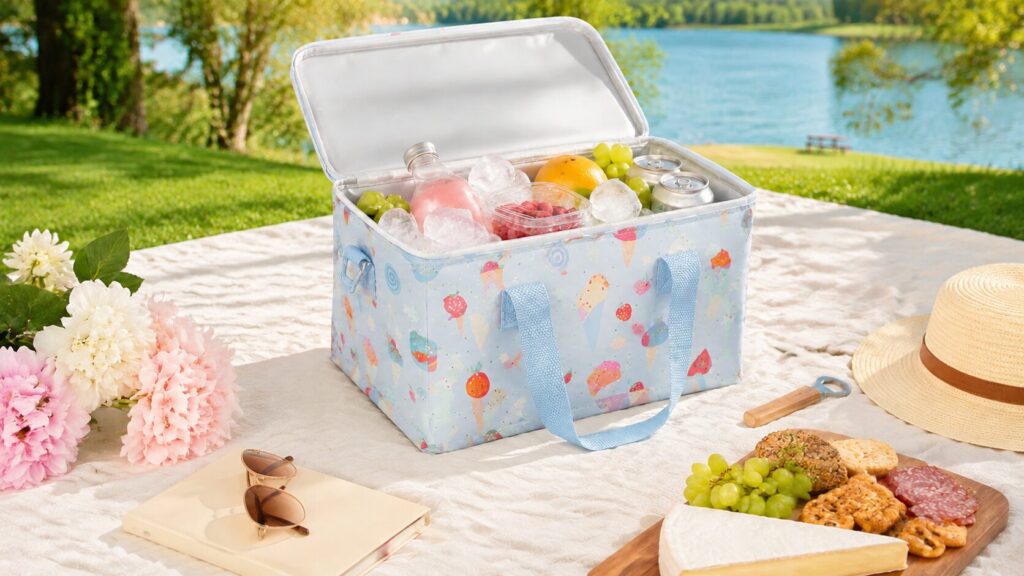
Mastering how to keep a cooler cold longer involves implementing strict pre-chilling protocols and strategic tactical packing layouts before departure. Lowering internal ambient temperatures using sacrificial ice packs prevents the soft-sided container from absorbing initial structural heat loads. Tactical packing eliminates dead air pockets by filling empty voids with tightly clustered food containers or additional thermal masses. Sourcing durability data confirms that minimizing zipper opening frequency preserves internal thermal stability throughout extended recreational outings. Brand manufacturers supply comprehensive operational guides to help end-users maximize the cooling lifespan of every portable container.
- Pre-chilling protocols: Lowering internal container temperatures beforehand prevents structural heat absorption upon loading.
- Dead air elimination: Packing items tightly eliminates internal air pockets that accelerate thermal decay.
- Operational discipline: Minimizing zipper opening frequency preserves stable internal microclimates during long trips.
6. Thermal Activation: What Happens When User Puts a Cold Bag on Warm Food?
Toss a freezing-cold ice pack or puts a cold bag on a piping-hot meal tray, and you’re immediately dealing with thermal shock and moisture condensation. That drastic temperature difference between the chilled lining and hot food creates instant condensation trapped right inside the sealed space. That is why sourcing teams spec out antimicrobial, water-repellent PEVA linings—they keep mold and nasty smells from taking root after those sudden temperature swings. Plus, when you are swapping between raw frozen stuff and hot, ready-to-eat meals in the same bag, cross-contamination protocols are a must to keep lingering food odors at bay. Industrial standards require slick, non-porous interiors so you can wipe the whole thing down and sanitize it in seconds between completely different temperature uses.
- Thermal shock dynamics: When a freezing lining slams into a piping-hot meal tray, that sudden temperature swing triggers instant condensation inside the sealed space.
- Moisture management: Slick, antimicrobial PEVA interiors keep mold from taking root and stop smells from clinging to the fabric when you go from freezing cold to steaming hot.
- Cross-contamination control: Non-porous surfaces make it a breeze to switch between raw frozen groceries and hot catering trays without leaving behind nasty bacteria or lingering food odors.
7. Technical Sourcing Checklist & Next Steps
Aimazing Bag bridges creative design concepts and industrial bulk scale through advanced quilting, precision padding, and flawless hardware integration. Our dedicated production lines deliver exceptional structural durability and consistent quality to global retail partners worldwide. Contact our engineering team today to request our comprehensive manufacturing guide and review detailed technical material specifications.