
1. The Sourcing Crossroads: Why Choosing the Right Insulated Bag Supplier Matters
Picking the wrong manufacturing partner usually leads to nasty quality failures, delayed shipments, and massive brand hits. Such severe issues can slowly damage your enterprise value over time. They simultaneously erode the hard-earned trust of your loyal retail customer base. Skipping basic directory searches is a smart move. Setting up a rock-solid vetting framework for an insulated bag supplier is essential. This protects your long-term capital investments and minimizes operational risks. It secures a sustainable competitive advantage in a crowded global marketplace.
Furthermore, navigating complex global supply chains takes serious industry experience. Financial resilience and sharp technical oversight are also required. This protects profit margins against unexpected material price fluctuations. Labor shortages and shifting international trade regulations are managed well too. Getting your supplier standards dialed in early on prevents costly mistakes. It ensures complete regulatory compliance. It sets your retail lineup up for enduring commercial success in fiercely competitive markets.
| Evaluation Dimension | Strategic Focus | Operational Impact |
| Risk Mitigation | Spotting hidden vulnerabilities | Stops product recalls and saves your reputation |
| Framework Design | Running structured audits | Swaps out guesswork for data-driven supplier picks |
| Strategic Growth | Teaming up with top-tier partners | Lays down a solid foundation for scaling globally |
2. Industry Landscape: Vetting Established Thermal Bag Manufacturers
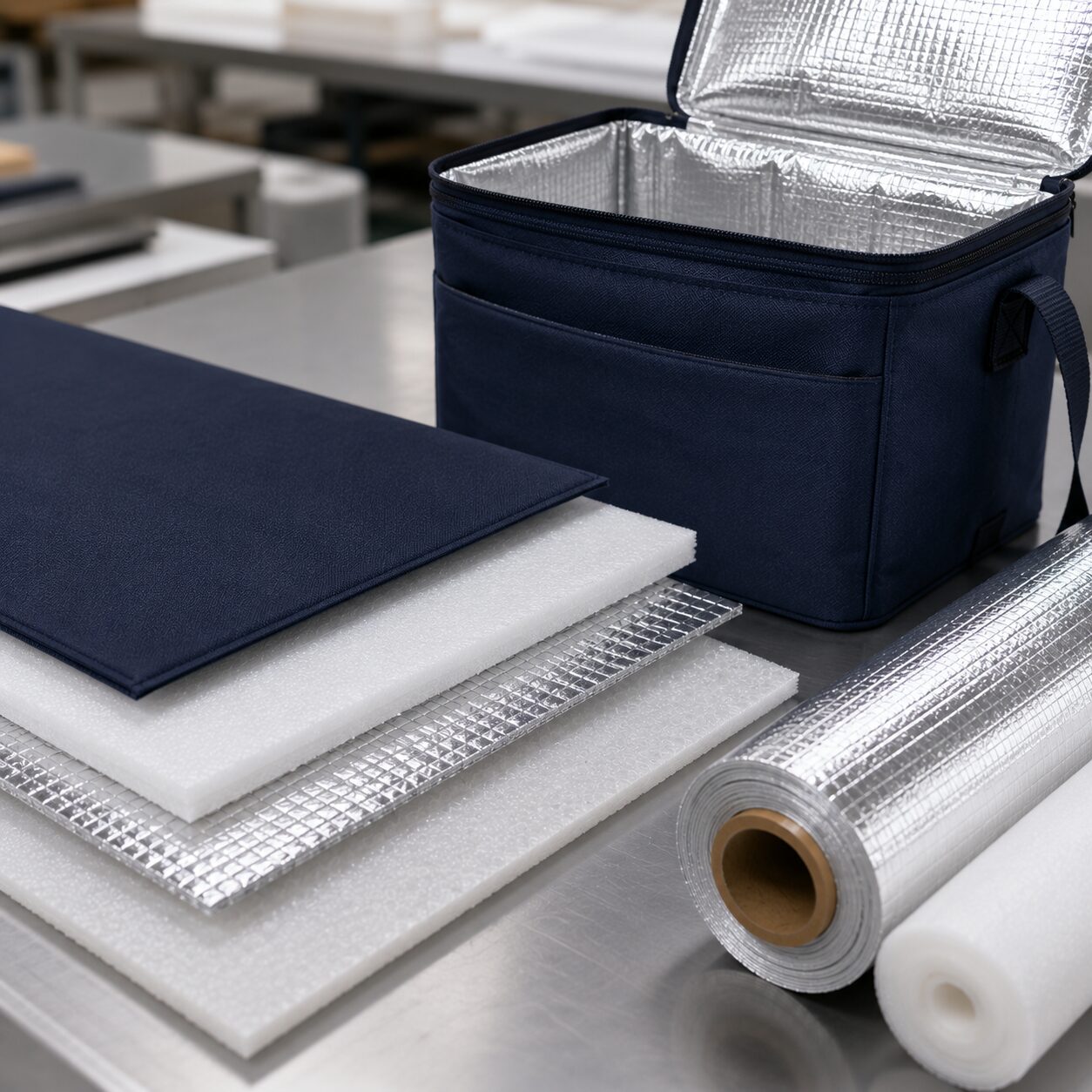
Checking stitch density and pull-point durability is the only way forward. It guarantees your product will survive rough outdoor use. Extreme environmental conditions will not cause catastrophic failures during consumer usage cycles. Meanwhile, working closely with elite thermal bag manufacturers means inspecting material certifications. Reviewing factory floor layouts is also critical. Walking the production lines helps verify actual operational capacities. Ethical labor practices and technological sophistication are checked too. Locking down these strict structural benchmarks shields your brand. It prevents sudden product failures and brutal customer returns. These issues typically erode consumer trust and destroy profit margins. Expensive reverse logistics nightmares are triggered by them as well.
- Tensile Testing: Pull-testing stress points ensures heavy webbing handles sudden impact loads like a champ.
- Process Audits: Inspecting an established production facility guarantees strict adherence to international safety rules.
- Defect Control: Catching sewing inconsistencies with tight quality loops stops bad batches before they ship.

3. Production Economics: Sourcing Wholesale Insulated Bags at Scale
Digging into raw material sourcing, labor overhead, and middleman markups is crucial. It shows you the real production costs factories try to hide. Inflated price tags and misleading marketing brochures are easily exposed. Teaming up directly to buy wholesale insulated bags gives you distinct advantages. Low minimum order quantities become easily accessible. Healthy profit margins support aggressive marketing campaigns. Retail promotions and channel expansion strategies benefit from them too. Moreover, getting total clarity on material costs lets procurement teams negotiate better terms. They optimize cash flow conversion cycles. Predatory intermediary fees are eliminated entirely. Ultimately, this builds a predictable financial model. It helps you scale your inventory smoothly across multiple seasonal retail cycles. Your corporate balance sheet remains unstrained throughout the process.
- Cost Breakdown: Breaking down material and labor expenses exposes inflated middleman pricing tiers.
- Tiered Economics: Matching your order volume with bulk purchasing options keeps cash flow healthy.
- Margin Protection: Going factory-direct cuts out all extra fees tacked on by traditional brokers.
4. Custom Engineering: Developing Bespoke Custom Thermal Bags
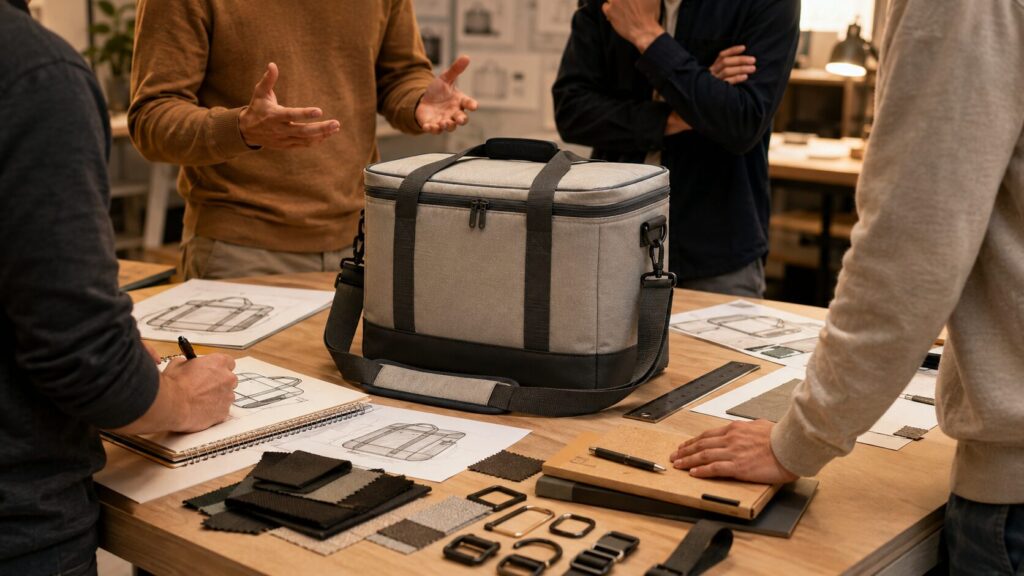
Dialing in tricky thermal layers takes serious engineering teamwork, especially when you coordinate pattern grading zones for insulation mapping and thermodynamic performance. Teaming up directly with a reliable insulated bag supplier to design custom thermal bags lets you turn rough sketches into market-ready products with unique functional advantages. This approach unlocks proprietary features and superior temperature retention capabilities for your brand. Checking how a facility handles custom branding, specialized waterproof linings, and hardware plating guarantees your product looks amazing from initial prototype to final commercial delivery, ensuring total customer satisfaction every step of the way.
- Anatomical Fit: Teaming up for direct pattern work kills off awkward sizing mistakes.
- Custom Integration: Smooth private labeling protocols make adding unique insulation structures super easy.
- Ergonomic Design: Smart structural panels protect bag integrity during active transport.
5. Visual Branding Integration: Executing Insulated Bags With Logo
Pairing high-tenacity outer shells and heavy-duty zippers with precision branding techniques is essential for building gear that shrugs off terrible weather, mechanical abrasion, and heavy daily usage. Meanwhile, an experienced insulated bag supplier knows that crafting insulated bags with logo requires maintaining strict application tolerances across massive bulk orders to ensure absolute brand consistency, sharp color reproduction, and flawless visual harmony. Mastering these tricky manufacturing steps completely stops peeling logos, fading graphics, and cracked appliques from ruining your product. Ultimately, this delivers reliable everyday gear that retail buyers can count on for years while significantly strengthening long-term brand loyalty.
- Material Synergy: Pairing durable fabrics with advanced printing stops mechanical degradation early.
- Uniformity Standards: Top production lines use automated printing systems to nail precise visual tolerances.
- Endurance Engineering: Specialized application protocols protect branding elements from heavy friction forces.
6. Risk Mitigation: Pre-Shipment Quality Assurance and Testing Protocols
Watching seasonal factory shifts closely and setting up smart buffer stock keeps you safe from brutal stockouts when shopping peaks hit your supply chain. This active approach locks in your revenue and protects your bottom line. Setting strict delivery deadlines ensures big container loads ship right on time, completely dodging random logistics surprises, port congestion delays, and those unexpected air freight bills that destroy your profits. Keeping a tight watch on international shipping lanes safeguards your annual retail calendar, drives seamless inventory turnover, and keeps your operations running smoothly year-round—especially when you partner with a dependable insulated bag supplier.
- Capacity Planning: Staying ahead of seasonal demand spikes protects your supply chain from sudden bottlenecks.
- Milestone Tracking: Enforcing strict delivery deadlines guarantees your retail inventory arrives on time.
- Buffer Reserves: Stashing a bit of raw material absorbs minor logistics delays without halting production lines.
7. The Aimazing Bag Manufacturing Advantage
Cutting out sneaky middleman markups with our fully integrated OEM production lines is great. It is a game-changer for growing brands looking for reliable manufacturing partners. Running multi-stage pull tests and pre-shipment inspections guarantees every batch runs smoothly. It covers everything from pilot tests to full containers. Hit us up to request our “Insulated Bag Sourcing & Supplier Evaluation Guide”. Check out manufacturing specs for your next collection right away!
- Direct Integration: Fully integrated OEM facilities cut out middlemen and streamline communication.
- Rigorous Testing: Multi-stage pull and thermal audits lock in total compliance with safety benchmarks.
- Scalable Agility: Flexible manufacturing effortlessly handles everything from small pilot runs to massive container loads.