
1. The Global Distribution Imperative: Why Sourcing a Travel Insulin Cooler Demands Advanced Thermal Engineering
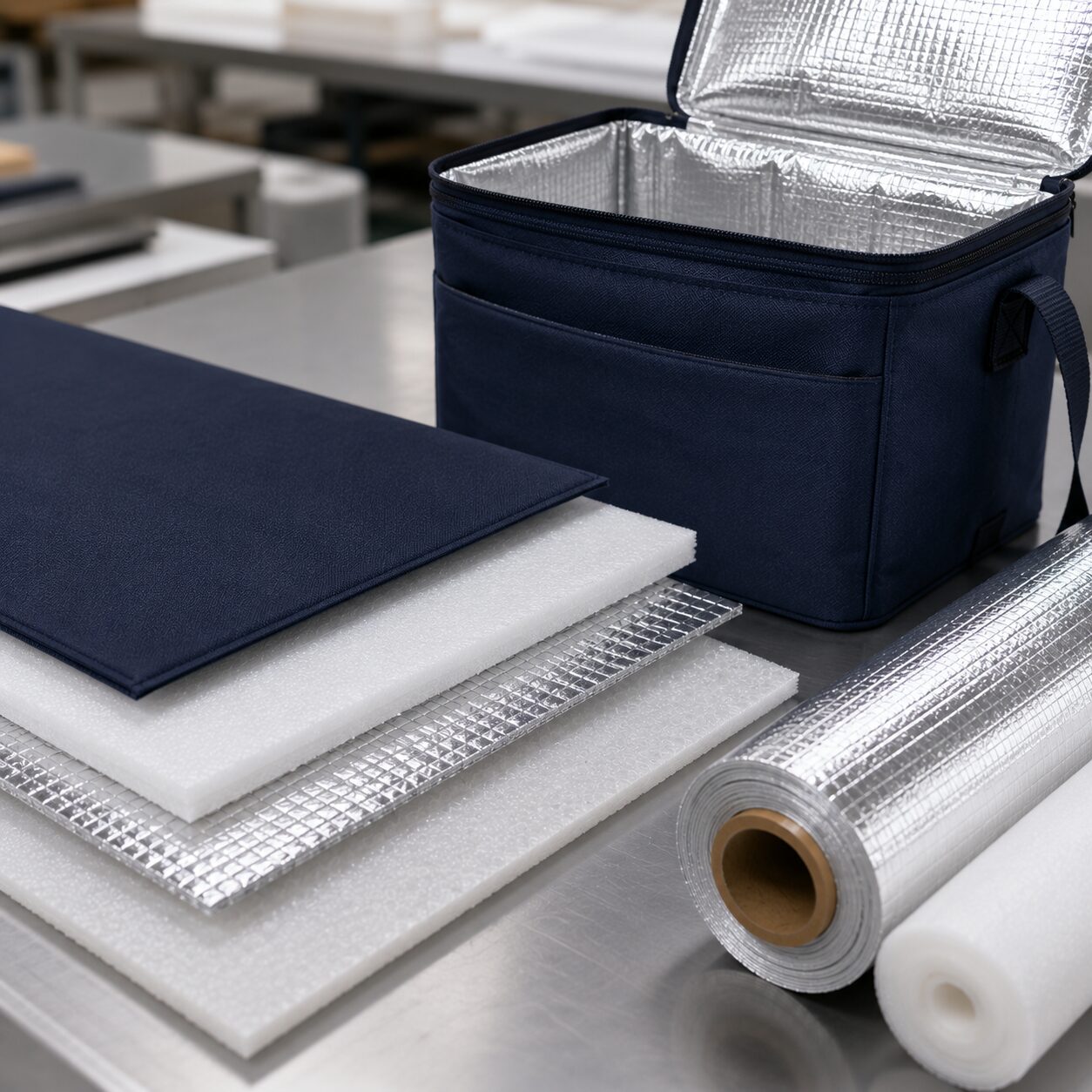
Erratic ambient temperature swings compromise life-saving biologics during international freight and passenger transit. When global supply chains expose biological insulin formulations to unregulated thermal spikes, molecular structures break down permanently. Sourcing brand developers must establish stringent thermal holding parameters when sourcing a commercial travel insulin cooler. Medical distribution networks face complex logistical environments where cargo holds experience extreme heat fluctuations. Inadequate insulation thickness permits convective heat transfer to penetrate internal storage chambers rapidly. Advanced soft-goods manufacturing requires multi-layer thermal barriers to maintain stable internal core temperatures. Laboratory testing under simulated environmental stress verifies cold-chain retention before commercial export release. Uncompromising quality control prevents catastrophic medication failures across international retail markets.
| Thermal Sourcing Parameter | Engineering Specification & Compliance Requirement | Operational Impact on Medical Distribution |
| Target Cold Range | Maintains internal core temperatures strictly between 2°C and 8°C. | Prevents irreversible molecular degradation in biological insulin. |
| Multi-Layer Barrier | Integrates closed-cell foam and reflective aluminum foil membranes. | Blocks convective and radiant external heat transfer effectively. |
| Chamber Validation | Tested under continuous simulated environmental heat stress. | Confirms real-world cold retention prior to commercial release. |
2. Miniature Compartment Design: Optimizing an Insulin Pen Cooler Travel Case
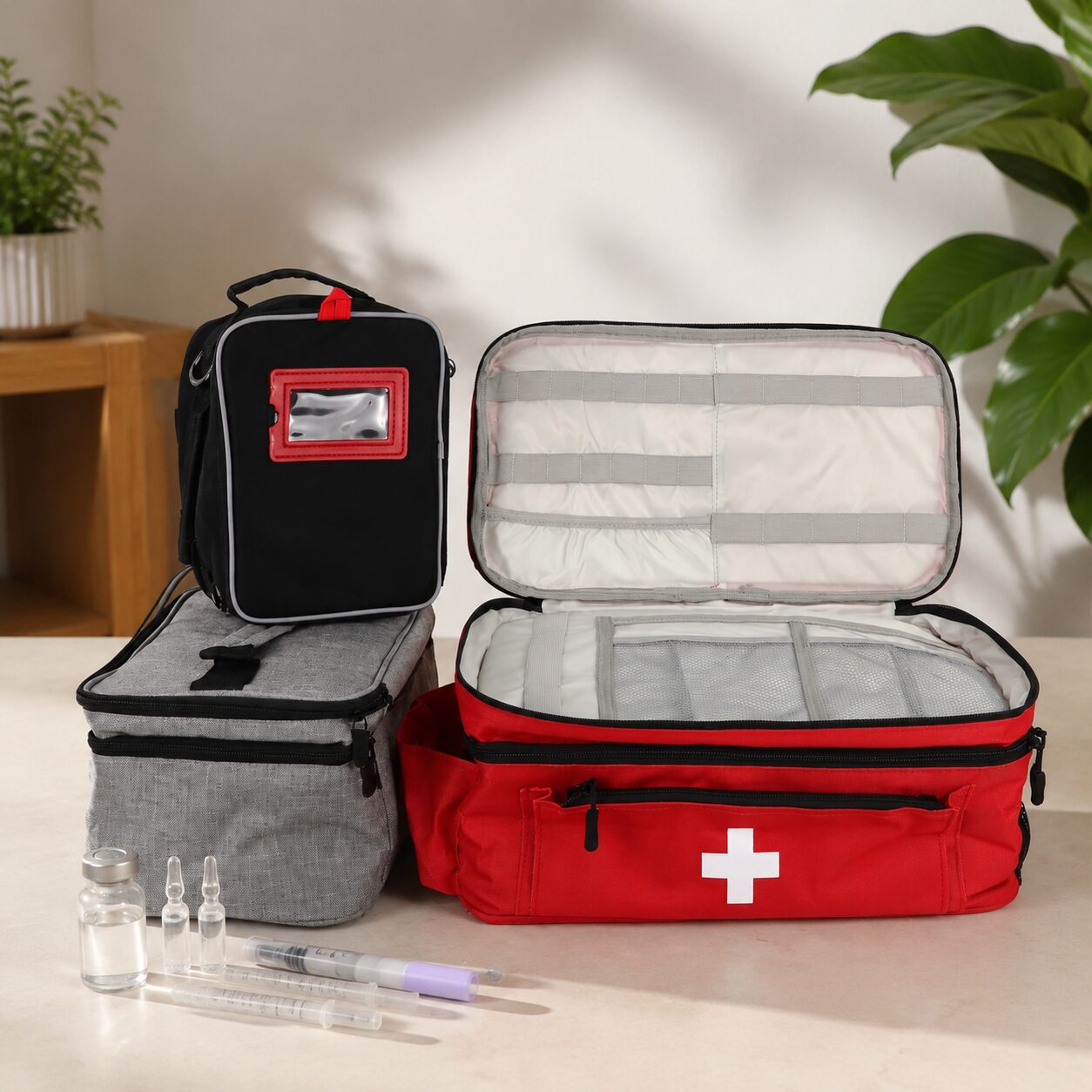
Eliminating internal shifting and physical impact damage among fragile glass injection cartridges requires engineered elastic arrays. Modern diabetic users carry multiple pre-filled injector pens that demand strict internal partitioning. Configuring an advanced insulin pen cooler travel case prevents mechanical friction and thermal bridging. Internal high-density foam dividers isolate individual injection pens from direct contact surfaces. Industrial elastomeric retention loops maintain gripping tension for thousands of swaps on a travel insulin cooler. Custom-engineered pocket dimensions accommodate various pen diameters, locking cartridges tight to prevent glass breakage during rough flights.
- Eliminating internal shifting and physical impact damage among fragile glass injection cartridges requires engineered elastic arrays.
- Configuring an advanced insulin pen cooler travel case prevents mechanical friction and thermal bridging during active travel.
- Isolating individual injection pens from direct contact surfaces is achieved through internal high-density foam dividers.
- Calculating exact pocket dimensions accommodates varying manufacturer pen diameters while ensuring structural stability.
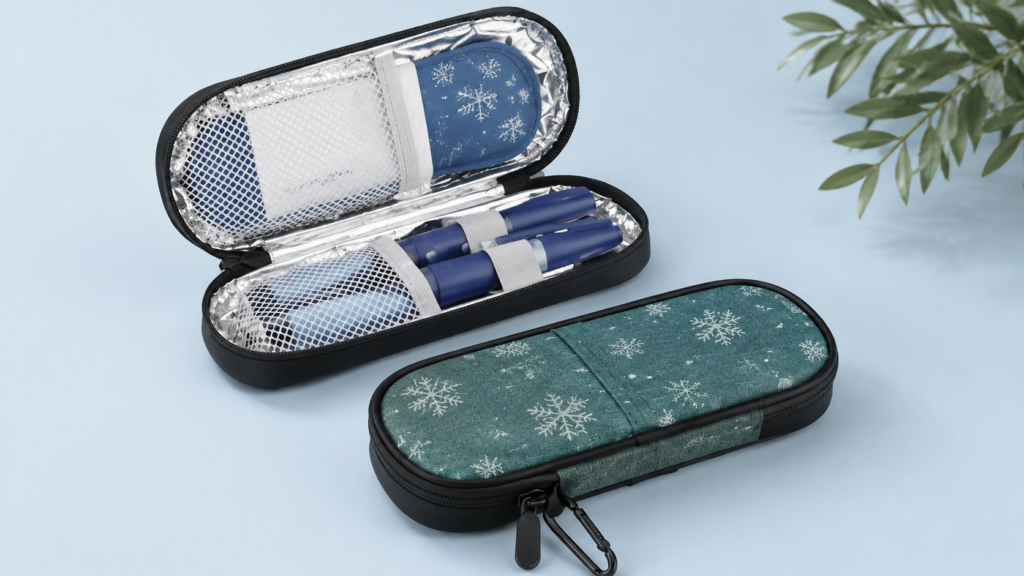
3. Sub-Zero Gel Integration: Engineering an Effective Insulin Cool Bag for Travel
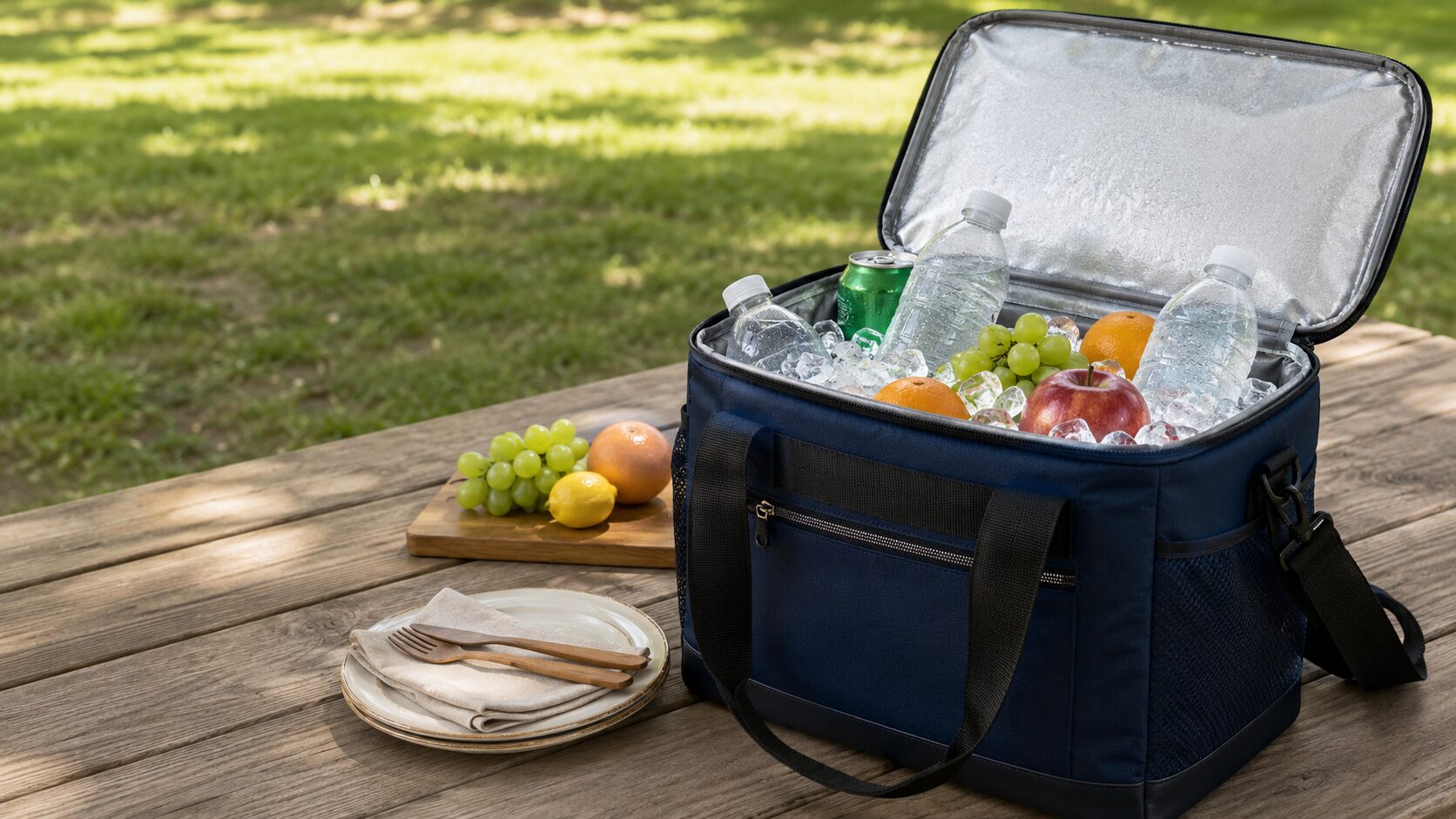
Calibrating non-toxic cooling gels to release thermal energy slowly within targeted 2°C to 8°C brackets ensures safety. Passive thermal systems rely entirely on controlled phase transitions rather than continuous electrical power sources. Sourcing a high-performance insulin cool bag for travel demands precise calculation of latent heat capacities. Medical-grade phase change materials soak up outside heat at a steady, controlled rate as they shift back into liquid inside a travel insulin cooler. Built-in mesh slots lock those cooling packs right where they need to be next to your medication sleeves. Our factory floor dials in the exact insulation wall thickness so your gear never burns through its cold life too fast.
| Passive Thermal Component | Material Specification & Function | Anti-Condensation & Thermal Impact |
| Phase-Change Gels | Medical-grade non-toxic PCM formulas optimized for cold hold times. | Absorbs latent thermal energy gradually to maintain stability. |
| Waterproof TPU Liners | High-frequency RF-welded thermoplastic polyurethane interior membranes. | Blocks internal condensation leakage and protects paper leaflets. |
| Spacer Mesh | Breathable 3D textile layers lining the primary medication storage core. | Facilitates continuous airflow to eliminate humidity pockets. |
4. Hard-Shell Protection: Developing a Shock-Absorbent Insulin Travel Bag Cooler
Deflecting external drop impacts, crushing pressures, and rough baggage handling requires rigid EVA outer shielding. Transporting fragile biological drugs across international airports exposes soft-goods containers to severe mechanical shock. Developing a durable insulin travel bag cooler integrates shock-absorbing chassis frames around thermal cores. Thermoformed EVA molding techniques create smooth, snag-free outer silhouettes that absorb heavy kinetic energy. Rigorous drop-testing protocols subject fully packed prototype bags to multiple vertical and angular impacts. Heavy-duty webbing carry handles undergo cyclical tensile load testing to ensure zero failure under heavy deployment.
- Deflecting external drop impacts, crushing pressures, and rough baggage handling requires rigid EVA outer shielding.
- Developing a durable insulin travel bag cooler integrates shock-absorbing chassis frames around internal thermal cores.
- Creating smooth, snag-free outer silhouettes that absorb heavy kinetic energy is achieved using thermoformed EVA molding.
- Subjecting fully packed prototype bags to multiple vertical and angular impacts verifies structural drop-testing resilience.
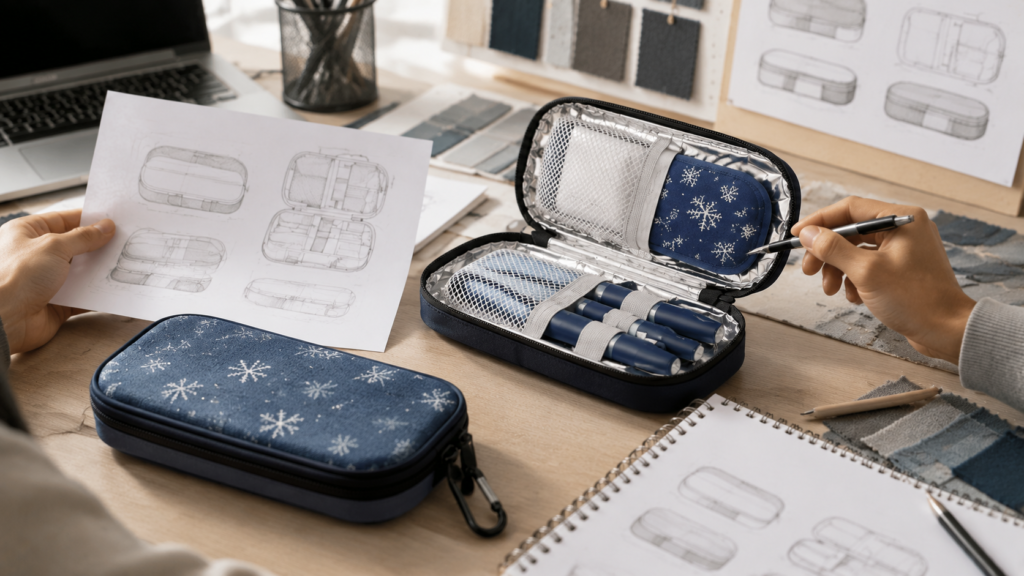
5. Everyday Mobility Solutions: Sourcing a Discreet Insulin Cooling Case for Travel
Blending medical functionality with civilian aesthetic styles supports professional commuters and active students. Modern consumers reject bulky medical gear in favor of ergonomic accessories integrating into contemporary lifestyles. Sourcing an aesthetic insulin cooling case for travel empowers users with confidence and privacy. Streamlined exterior contours utilize advanced thermoformed molding to create snag-free outer silhouettes. Lightweight construction materials reduce physical fatigue during all-day carrying routines across metropolitan transit networks. Wide-opening zipper tracks ensure effortless one-handed access to emergency medication supplies.
| Ergonomic Design Element | Engineering Execution & Method | Consumer Wellness Advantage |
| Thermoformed Shells | Precision heat-pressed molding creates smooth outer profiles. | Reduces daily carrying fatigue and prevents pocket snagging. |
| Zipper Tracks | Extended dual-slider coil zippers configured with textile pulls. | Enables rapid, one-handed emergency access to medication. |
| Lifestyle Styling | Premium heathered textiles and matte hardware replace clinical visuals. | Eliminates social stigma and empowers user confidence. |
6. Performance Validation Metrics: Selecting the Best Insulin Cooler Travel Case
Simulating tropical 40°C heatwaves measures sustained cold-retention longevity in retail prototyping phases. Sourcing premium soft-goods requires verified laboratory data proving internal storage temperatures remain safe. The best insulin cooler travel case options undergo intensive environmental chamber testing under punishing conditions. Thermal sensors positioned inside test bags record minute-by-minute temperature fluctuations over 24-hour cycles. Analyzing thermal decay curves allows engineers to identify minor insulation flaws or thermal bridging points instantly. Wholesale buyers should partner with OEM manufacturers providing transparent third-party test reports.
- Simulating tropical 40°C heatwaves measures sustained cold-retention longevity in retail prototyping phases.
- Selecting the best insulin cooler travel case options requires verified laboratory data proving internal storage safety.
- Recording minute-by-minute temperature fluctuations over 24-hour cycles identifies minor insulation flaws instantly.
- Partnering with OEM manufacturers providing transparent third-party test reports ensures reliable wholesale procurement.
7. OEM Partnership Execution: Vetting a Medical Soft-Goods Manufacturing Partner
Locking down ISO standards, cleanroom workflows, and automated stitch checks is non-negotiable for a top-tier travel insulin cooler supply chain. Vet your soft-goods manufacturing partner by digging into their internal quality systems, multi-stage zipper burst tests, and strict needle-detection protocols. Cleanroom assembly keeps particulate contamination out of sensitive medical gear, while rock-solid documentation protocols stop supply chain headaches before they start. Grab our “Medical Soft-Goods Manufacturing & Compliance Audit Protocol” to audit your factory pipeline right now, or hit our OEM quotation page to lock in bulk pricing and low-MOQ pilot runs.