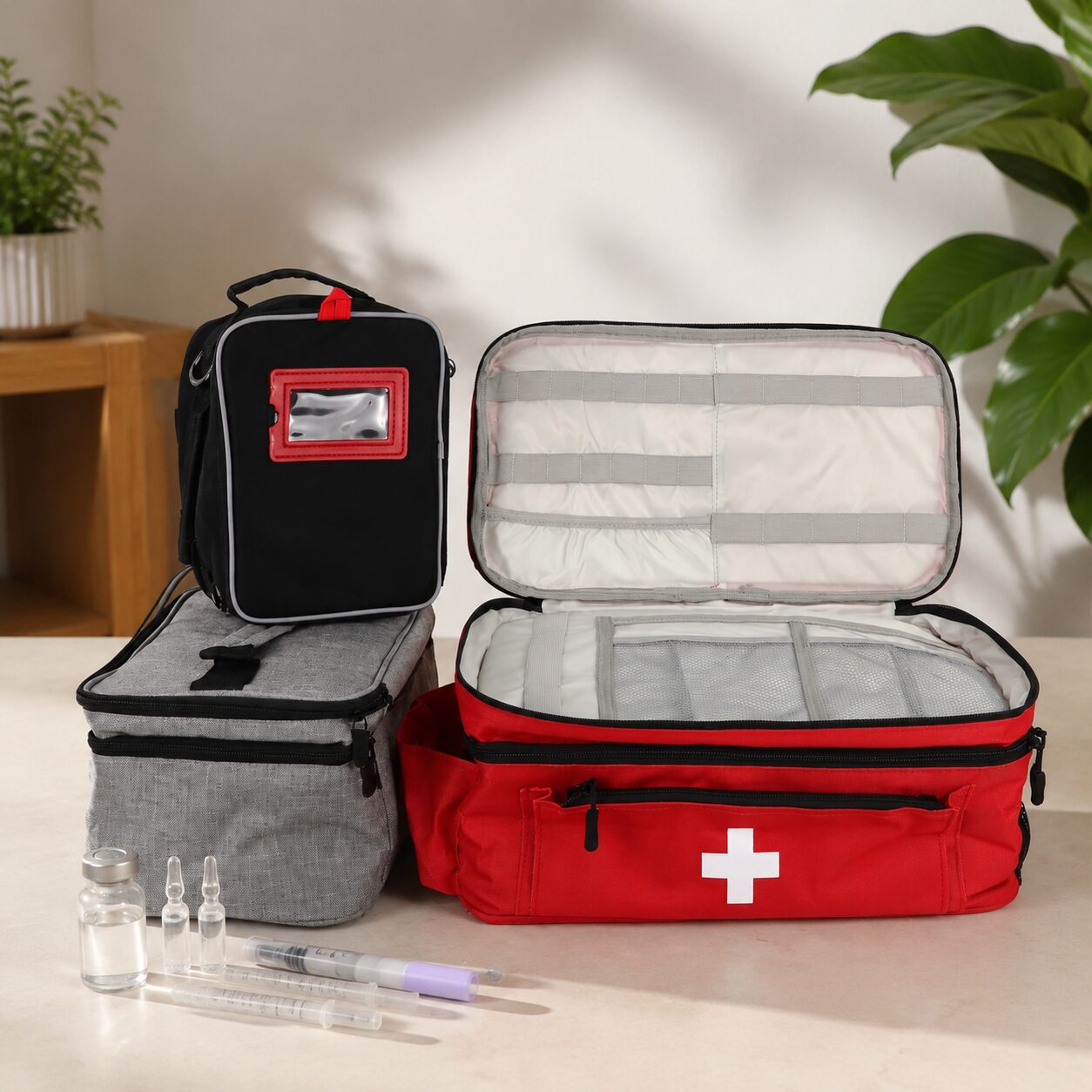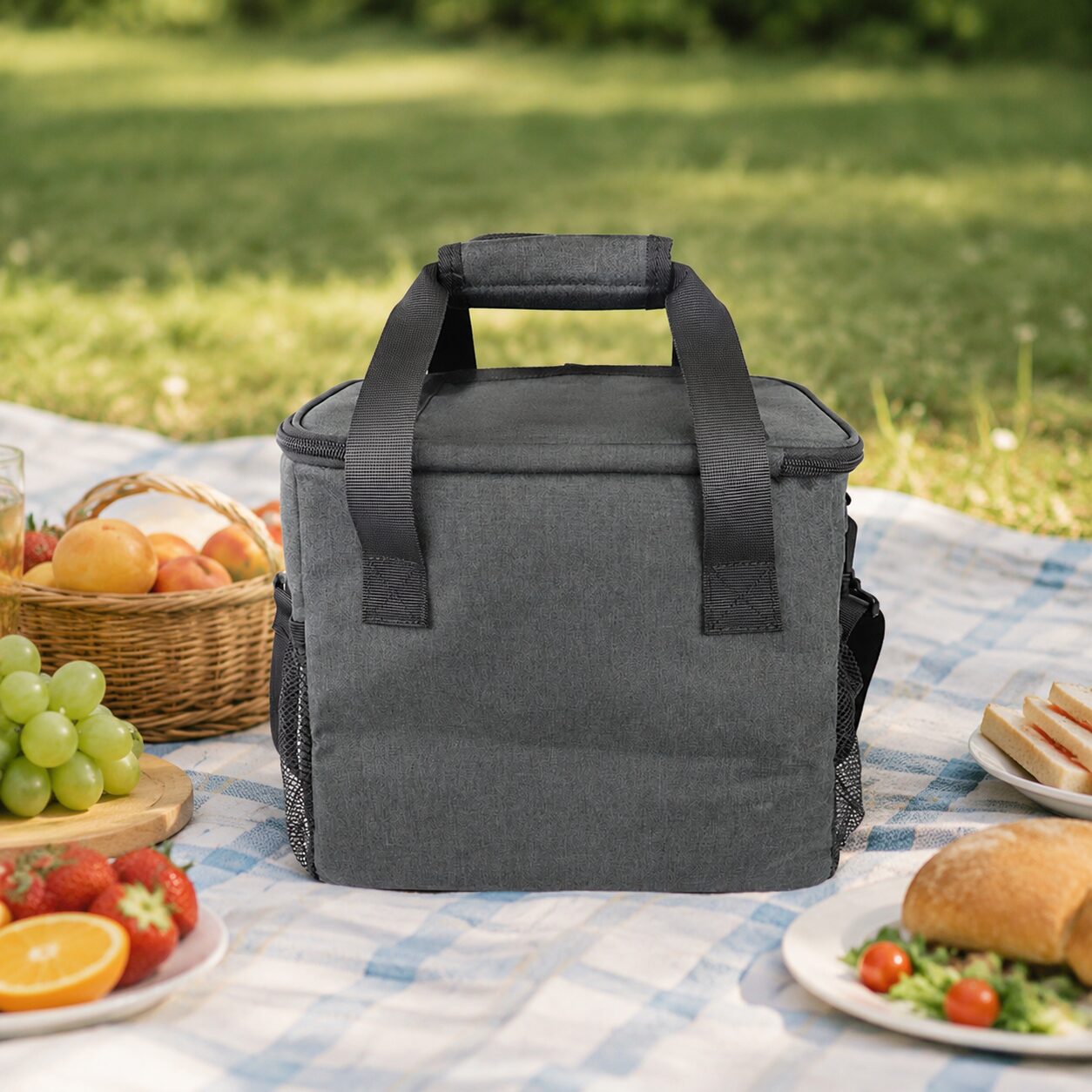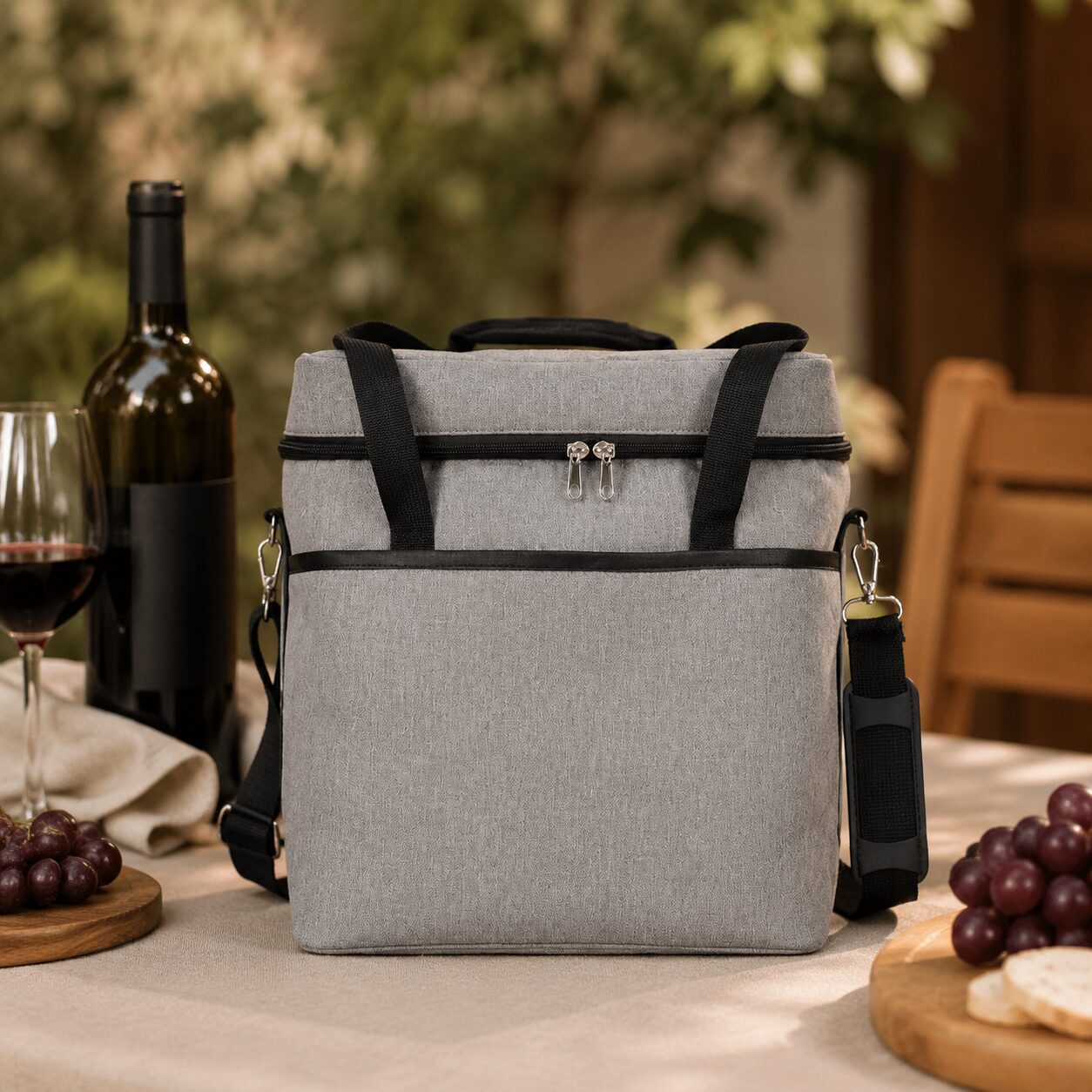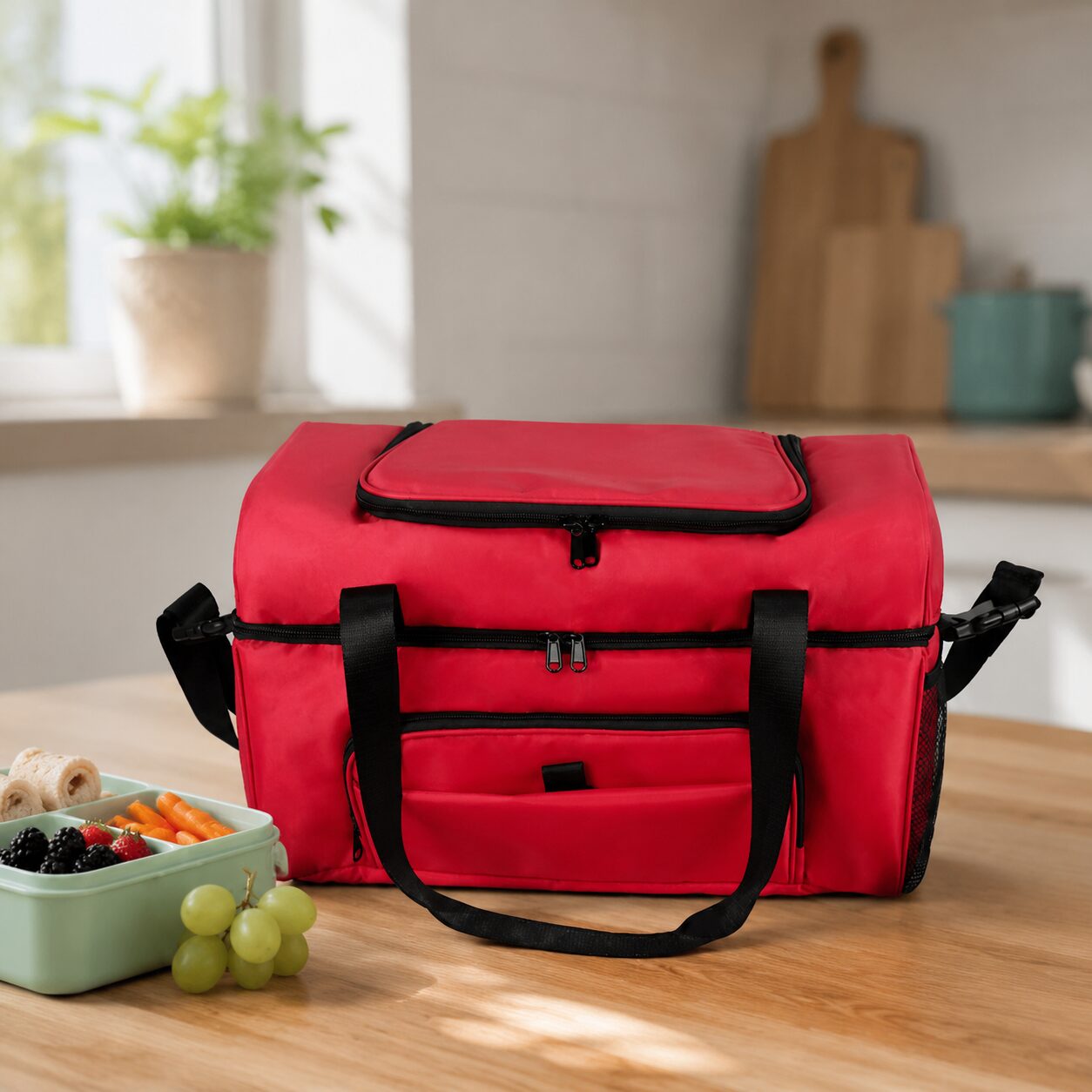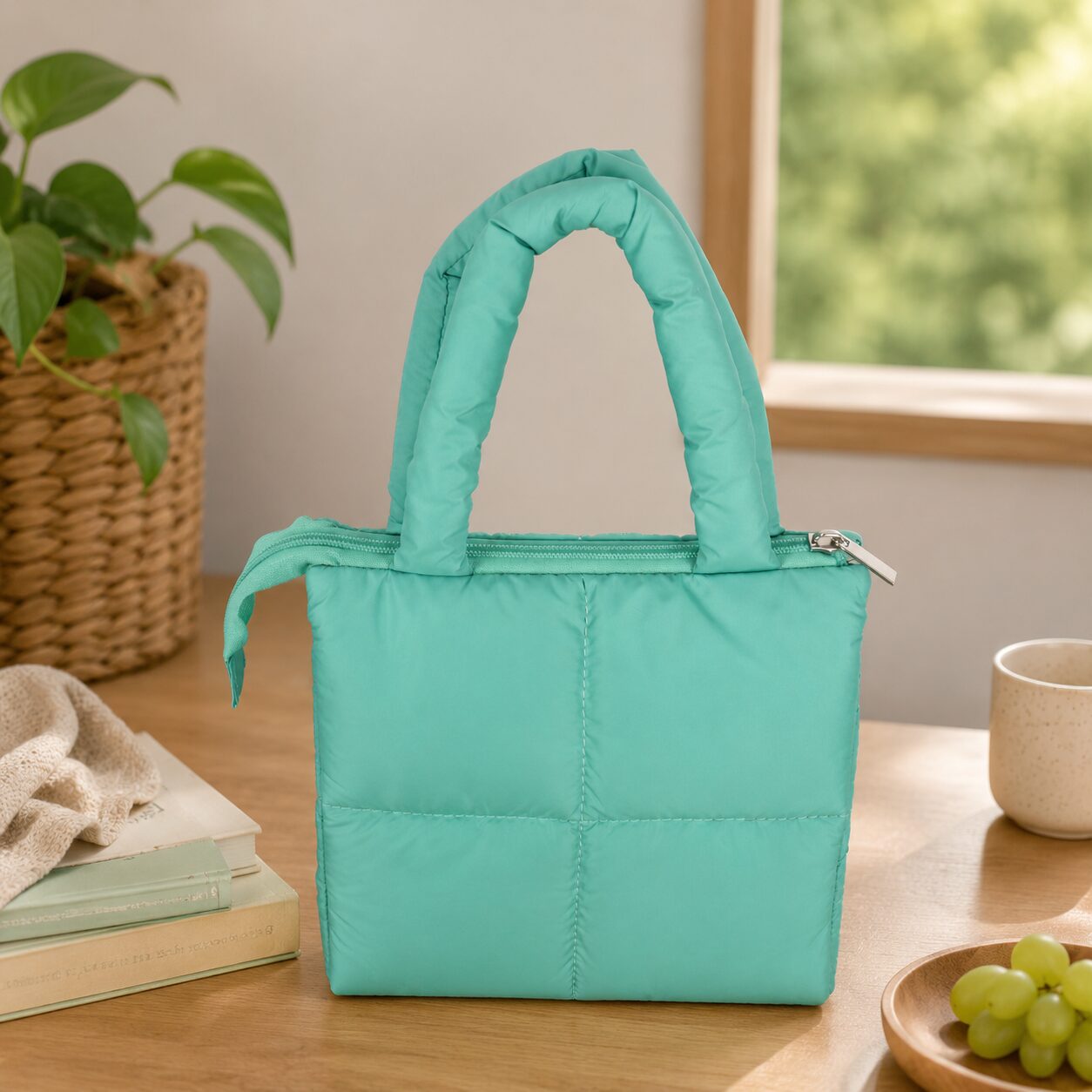

1. The Thermal Chemistry of Biologics: Why Sourcing an Insulin Ice Pack Requires Precision Engineering
Biologic medications degrade rapidly when ambient temperatures breach strict therapeutic stability limits during transport while utilizing an insulin ice pack. Sourcing a high-performance insulin ice pack requires controlling latent heat absorption precisely to prevent molecular breakdown. Unstable modern insulin formulas lose their therapeutic efficacy when exposed to heat spikes above 8°C or freezing conditions below 2°C. Factory thermal engineers utilize specialized phase-change materials that absorb thermal energy uniformly through controlled molecular transitions. Precise thermal regulation safeguards fragile pharmaceutical inventory across volatile global distribution networks.
- Primary Question: How do ambient temperature spikes compromise sensitive biologic pharmaceutical molecules during international transport?
- Direct Answer: Temperature spikes above 8°C accelerate protein degradation and destroy the therapeutic efficacy of insulin molecules.
- Complementary Explanation: Uncontrolled heat exposure alters molecular structures permanently, making strict latent heat control an absolute necessity for safe transport.
2. Extended Thermal Endurance: Sourcing a High-Performance Travel Ice Pack for Insulin
Bio-based gel formulations combined with sealed polymer barriers sustain stable cold chains over continuous 24-hour transits alongside an insulin ice pack. Sourcing an agile travel ice pack for insulin involves selecting organic solid-liquid compounds that maximize latent heat storage capacity. Advanced thermodynamic laboratory testing verifies that optimized PCM blends prevent thermal runaway during long-haul international flights. Factory lamination protocols encapsulate these reactive cooling compounds inside heavy-duty multi-ply containment films. Optimizing phase-change material composition guarantees maximum thermal defense with zero chemical degradation over hundreds of freeze cycles.
| Performance Metric | Laboratory Testing Protocol | Industrial Standard Requirement |
| Thermal Endurance | 24-hour continuous ambient test | Maintains stable 2°C to 8°C core range |
| Latent Heat Capacity | Differential scanning calorimetry | Exceeds 180 Joules per gram of active gel |
| Film Containment | Multi-ply polymer lamination | Resists delamination across 500 freeze cycles |
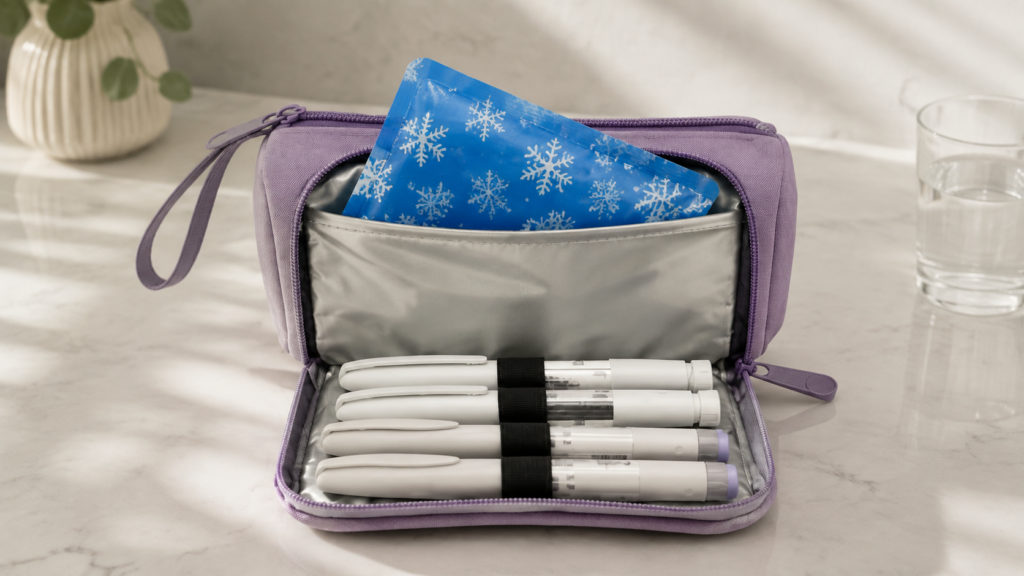
3. Micro-Storage Efficiency: Designing a Small Ice Pack for Insulin
Stripping away excess weight and volumetric bulk allows cooling packs to fit ultra-compact daily carry medical pouches powered by an insulin ice pack. Engineering a streamlined small ice pack for insulin requires shrinking thermal mass dimensions down to the physical footprint of a smartphone. Factory pattern engineers utilize computer-aided design software to eliminate every millimeter of dead airspace surrounding the refrigerant core. This spatial optimization ensures that life-saving medications remain refrigerated without encumbering the user during active daily transit. Pocket-footprint efficiency redefines what is physically possible within ultra-slim medical carrying formats.
- Primary Question: How do engineers reduce volumetric bulk in ultra-compact daily carry cooling packs?
- Direct Answer: Engineers eliminate internal dead airspace and shrink thermal mass dimensions to match smartphone footprints.
- Complementary Explanation: Advanced spatial optimization allows pocket-sized cooling packs to fit slim daily carry pouches without adding unnecessary physical weight.
4. Viscosity and Safety: Formulating a Stable Ice Gel Pack for Insulin
Medical-grade polymer gels maintain consistent semi-solid structures during repeated freezing and thawing cycles without phase separation alongside an insulin ice pack. Formulating a reliable ice gel pack for insulin requires non-toxic chemical compositions that guarantee absolute safety during accidental container rupture. Advanced viscosity modifiers prevent liquid pooling and ensure uniform thermal absorption across the entire cooling surface. Factory quality control protocols test gel stability across hundreds of continuous thermal stress cycles. Non-toxic phase stability protects consumer health and complies with strict international regulatory standards.
| Chemical Parameter | Specification Standard | Safety & Stability Objective |
| Toxicity Level | Non-toxic medical grade | Ensures complete safety during accidental exposure |
| Viscosity Index | Cross-linked polymer modifier | Prevents liquid pooling during phase transitions |
| Thermal Uniformity | Multi-point thermocouple array | Guarantees consistent cold distribution across surface |
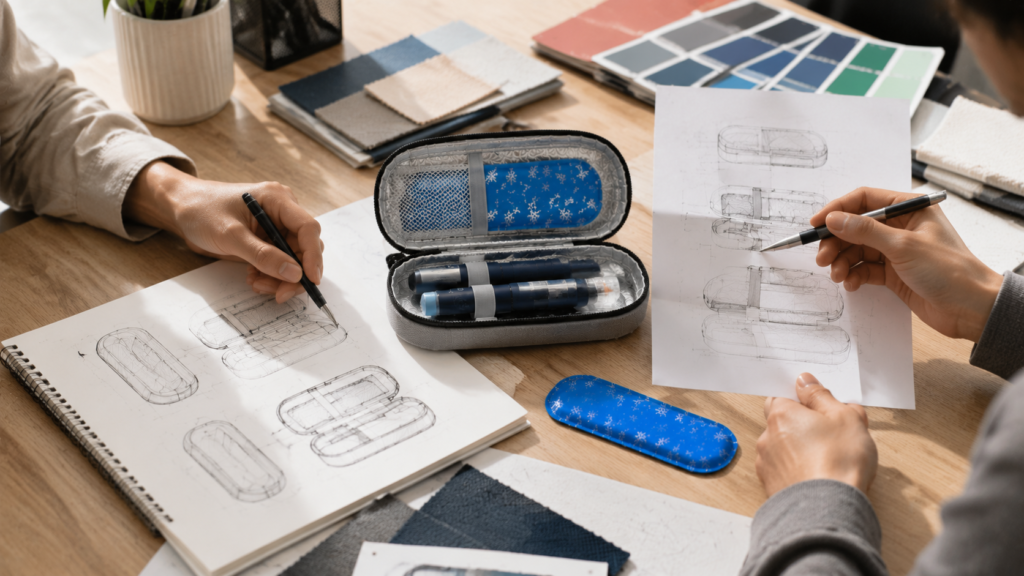
5. Contour Integration: Sculpting an Ice Pack for Insulin Pen Kits
Molded curved gel packs nest snugly around cylindrical injector barrels without creating insulating air gaps during transit while integrating an insulin ice pack. Sourcing an advanced ice pack for insulin pen configurations requires specialized cavity tooling that matches injection pen diameters. Factory pattern makers calculate exact radius curvatures to maximize direct surface contact with fragile pharmaceutical glass cartridges. Precision contouring eliminates thermal dead zones and ensures uniform cold transfer across the entire injection kit. Geometric integration transforms generic ice blocks into custom pharmaceutical armor.
- Primary Question: Why is curved, pen-conforming geometry essential for injector kit cooling modules?
- Direct Answer: Conforming geometry nests snugly around cylindrical barrels, eliminating insulating air gaps and maximizing surface contact.
- Complementary Explanation: Specialized cavity tooling matches injection pen diameters to ensure uniform cold transfer across fragile glass cartridges.
6. Retail Excellence Auditing: Identifying the Best Ice Pack for Insulin
Evaluating rigorous mechanical metrics including drop-impact resistance, puncture strength, and sustained cold retention curves ensures commercial reliability when sourcing an insulin ice pack. Quality control auditors subject finished production batches to extreme compression loads and simulated transit drops. Sourcing high-performance components guarantees that medical accessories withstand years of rugged real-world deployment without failure. Rigorous real-world stress testing verifies that manufactured cooling media meet the demanding expectations of global retail consumers. Selecting the best ice pack for insulin protects brand equity and minimizes warranty return rates.
| Mechanical Metric | Test Simulation Procedure | Minimum Industrial Benchmark |
| Drop Resistance | 2-meter vertical drop onto concrete | Zero outer film rupture or gel leakage |
| Puncture Strength | Dynamic stylus penetration test | Withstands 45 Newtons of localized force |
| Compression Load | 100-kilogram static weight stack | Endures 24 hours without seam separation |
7. Modern Production Infrastructure: Collaborating with Aimazing Bag for Commercial Soft-Goods Manufacturing
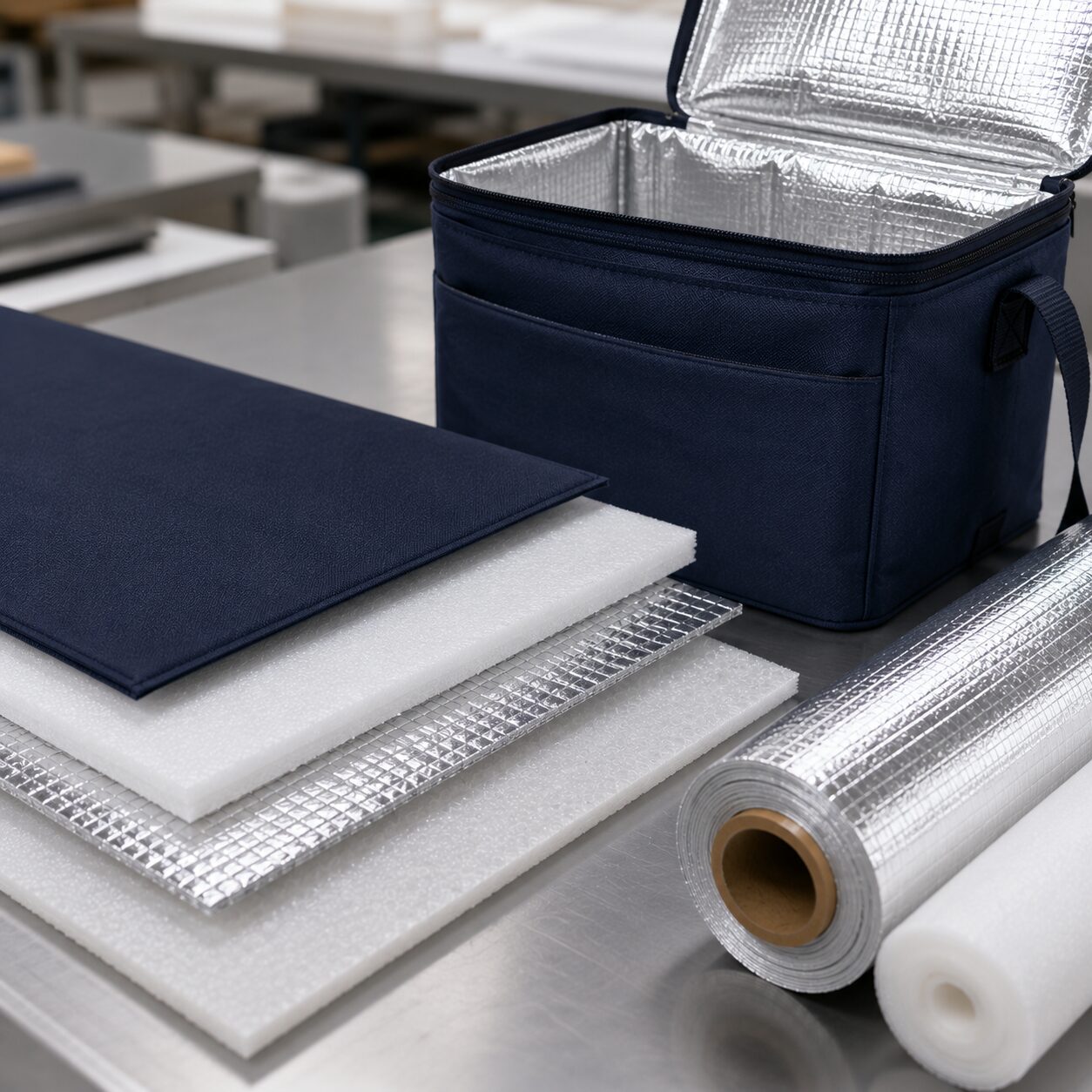
Utilizing ultrasonic and high-frequency bonding eliminates needle-hole thermal leaks across insulation chambers and gel compartments during high-volume production of any insulin ice pack. Traditional sewing needles puncture barrier films, creating microscopic conductive pathways that degrade cooling efficiency and allow fluid leakage. High-frequency RF welding melts adjacent thermoplastic layers together to create a completely hermetic thermal seal. Factory technical engineers calibrate welding frequency and pressure parameters to guarantee absolute seam airtightness. Advanced thermal-welding mastery establishes the highest possible manufacturing standard for medical soft-goods.