
1. Sourcing Foundations: Why Developing Small Cooler Bags for Insulin Requires Specialized OEM Strategy
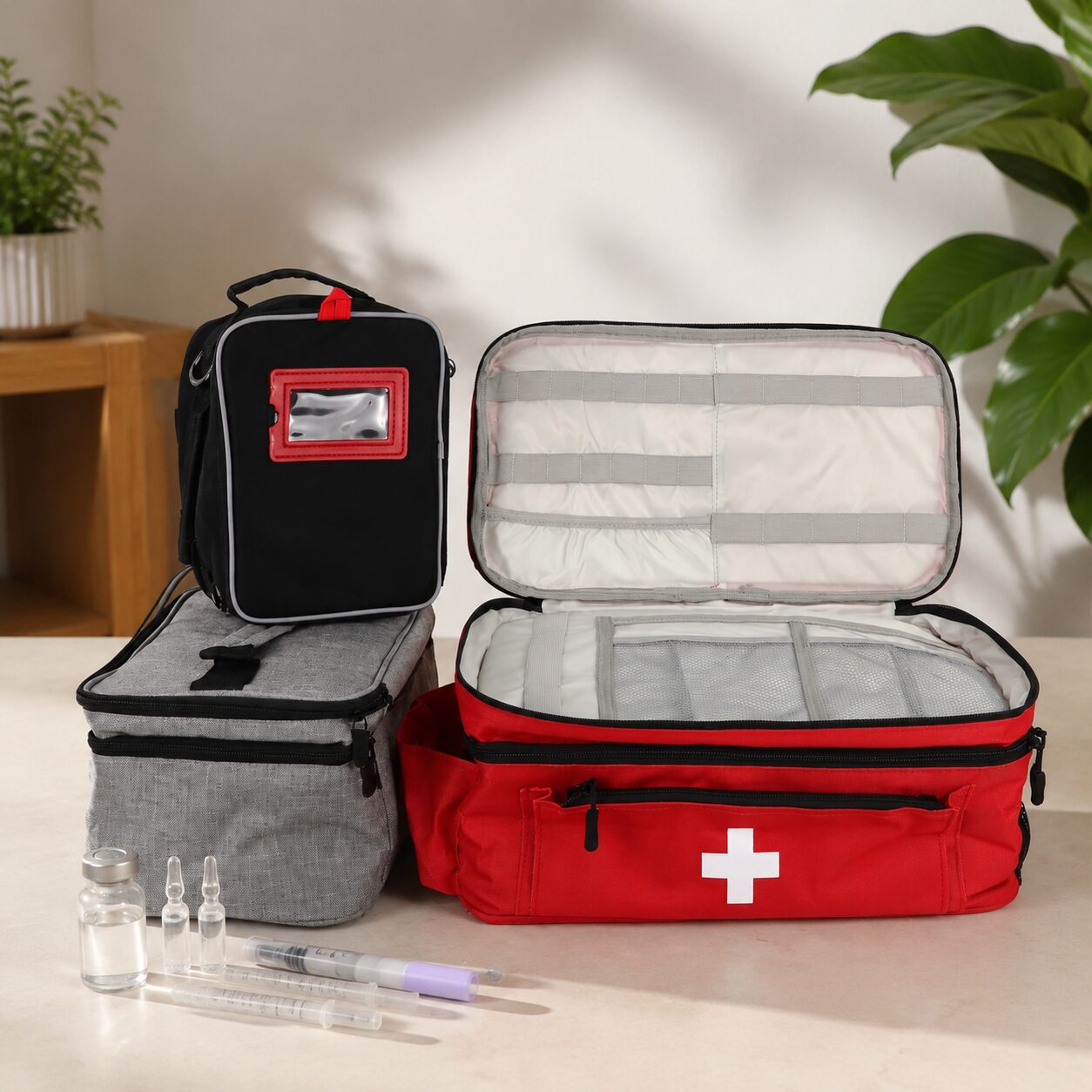
Sourcing compact thermal carriers requires precise engineering to bridge everyday urban mobility with strict pharmaceutical cold-chain standards when manufacturing small cooler bags for insulin. Maintaining internal temperatures between 2°C and 8°C inside miniature soft-goods requires calculated insulation layering. Standard cosmetic pouch assembly lines fail to meet medical specifications because they lack multi-layer thermal barriers. Sourcing directors must partner with specialized original equipment manufacturers possessing advanced thermal lamination capabilities to build superior small cooler bags for insulin. Professional soft-goods production guarantees that miniature medical carriers preserve active peptide efficacy throughout active transit.
- Cold-Chain Precision: Advanced thermal layering maintains stable internal microclimates across extended urban transit cycles.
- Dimensional Control: Compact volumetric architectures ensure effortless daily portability without sacrificing insulation efficiency.
- OEM Specialization: Specialized medical soft-goods facilities deliver structural integrity that standard cosmetic manufacturers cannot replicate.
2. Engineering Miniature Thermal Systems for a Cooler Bag for Insulin Pens
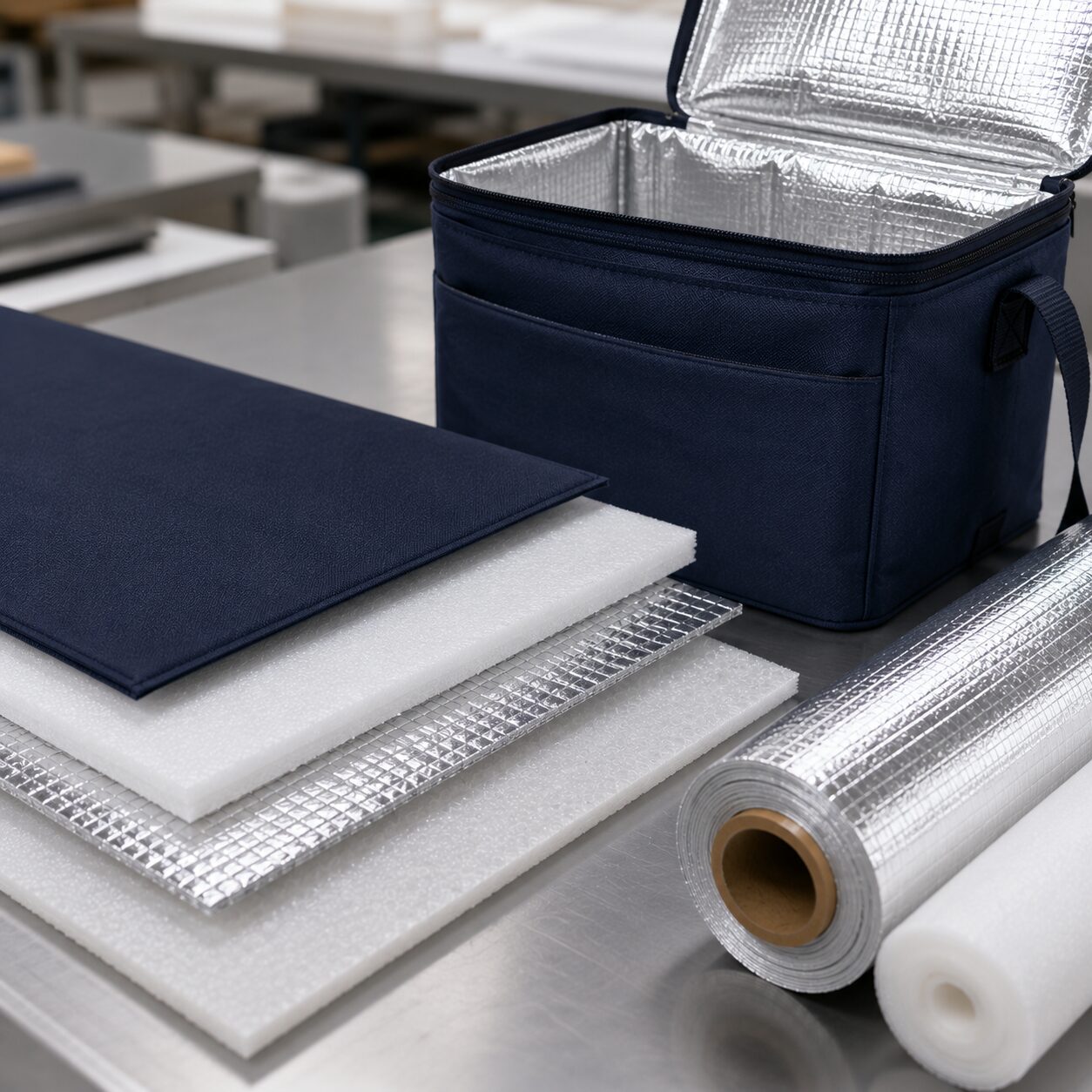
Deploying multi-layer radiant barrier shielding inside a small cooler bags for insulin design blocks external infrared radiation effectively before it can penetrate the core storage chamber. Sourcing engineers integrate micro-perforated aluminum foil laminates with high-density closed-cell polyethylene foam to neutralize conductive heat transfer inside any custom cooler bag for insulin pens. This dual-action insulation matrix prevents blistering tarmac heat, ambient vehicle temperatures, and direct summer sunlight from destabilizing sensitive internal payloads during long-haul transit. Specifying exact foam densities and foil thicknesses guarantees repeatable, laboratory-verified thermal performance across high-volume production batches, giving medical brands total confidence in their cold-chain integrity.
| Thermal Layer Component | Functional Objective | Material Specification |
| Radiant Barrier | Reflect external infrared thermal radiation | Micro-perforated aluminum foil laminate |
| Conductive Core | Block ambient heat transfer | Closed-cell polyethylene EPE foam |
| Interior Lining | Maintain hygienic contact surfaces | Food-grade waterproof TPU membrane |
3. Optimizing Portability: Designing an Insulin Cool Bag for Travel
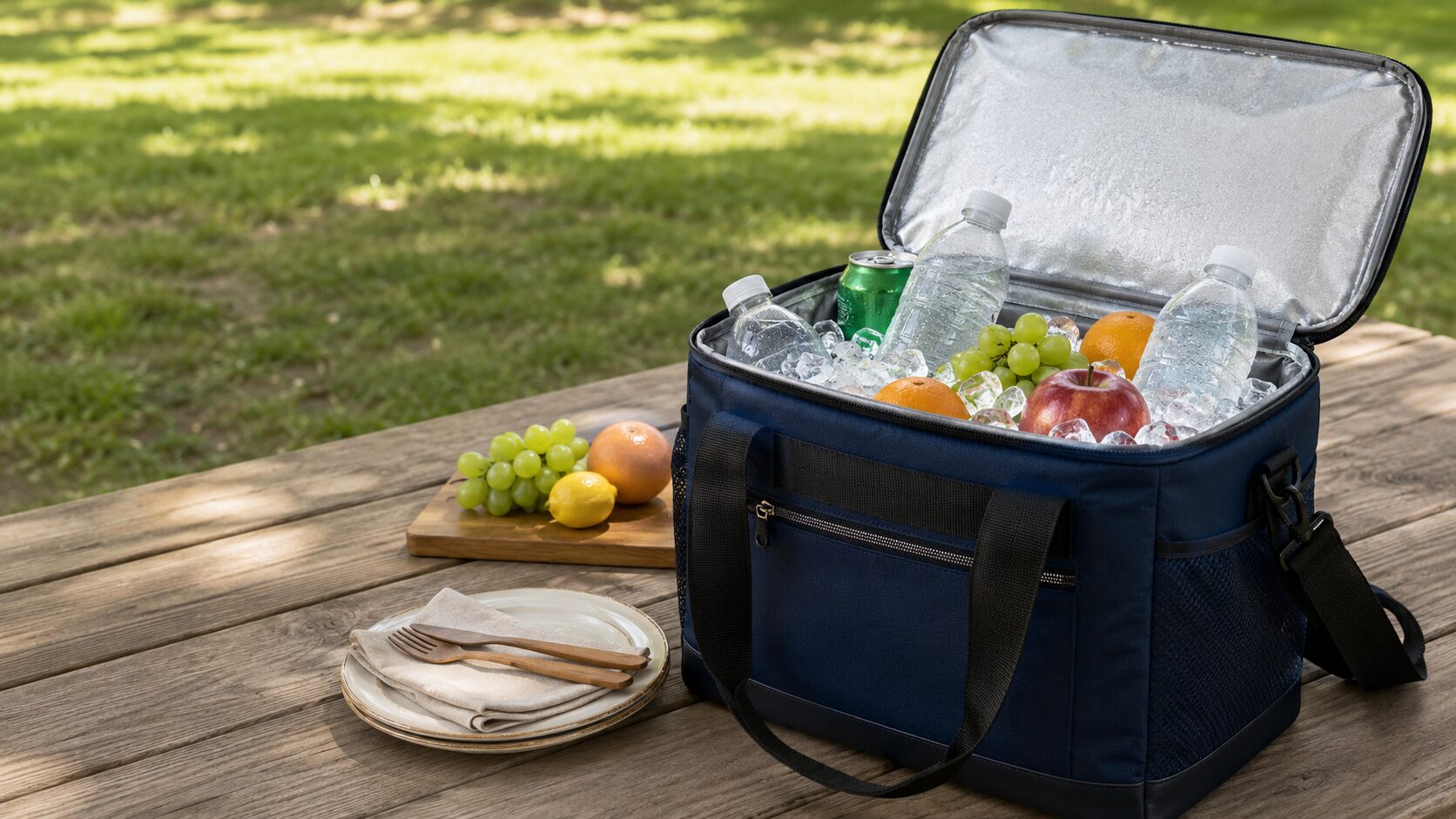
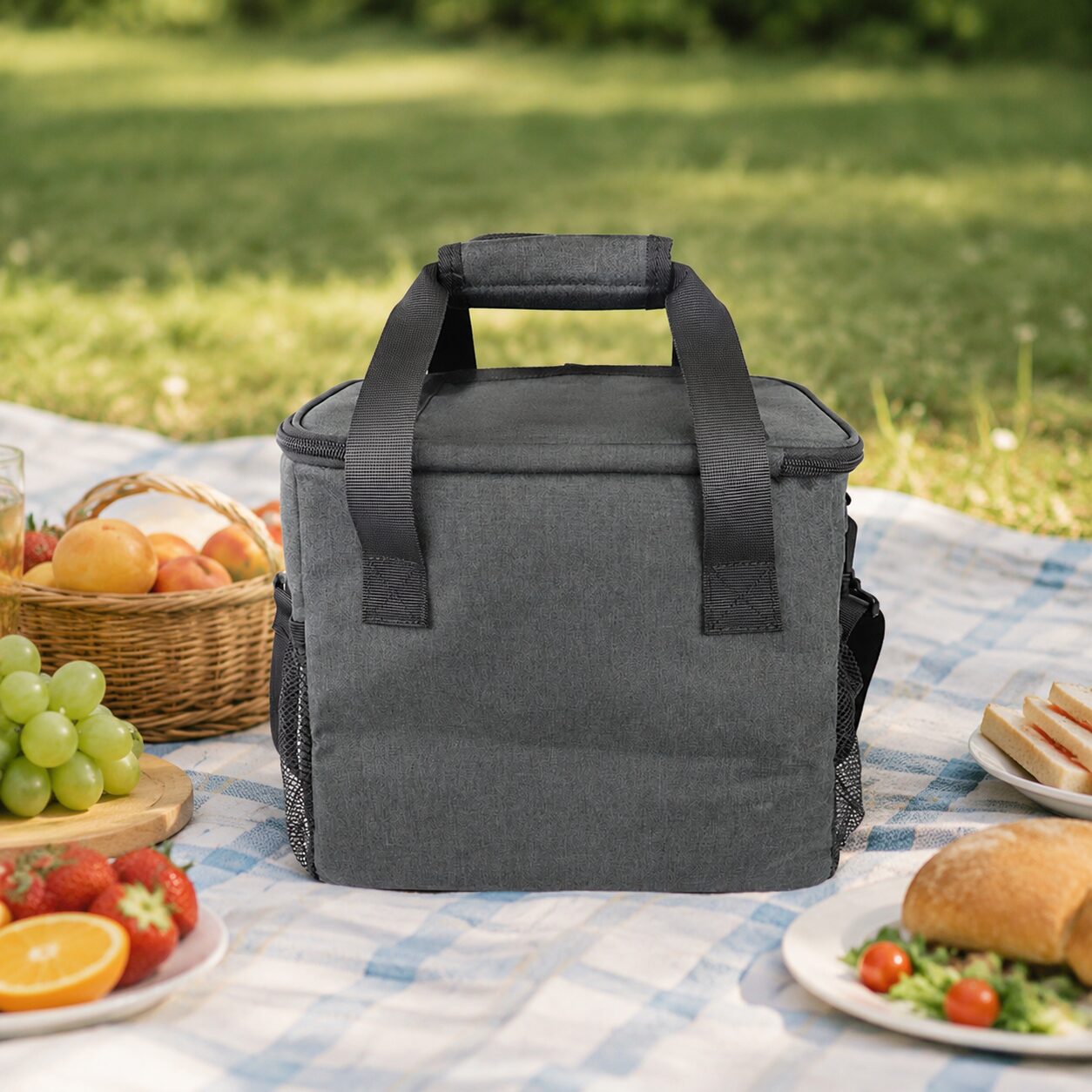
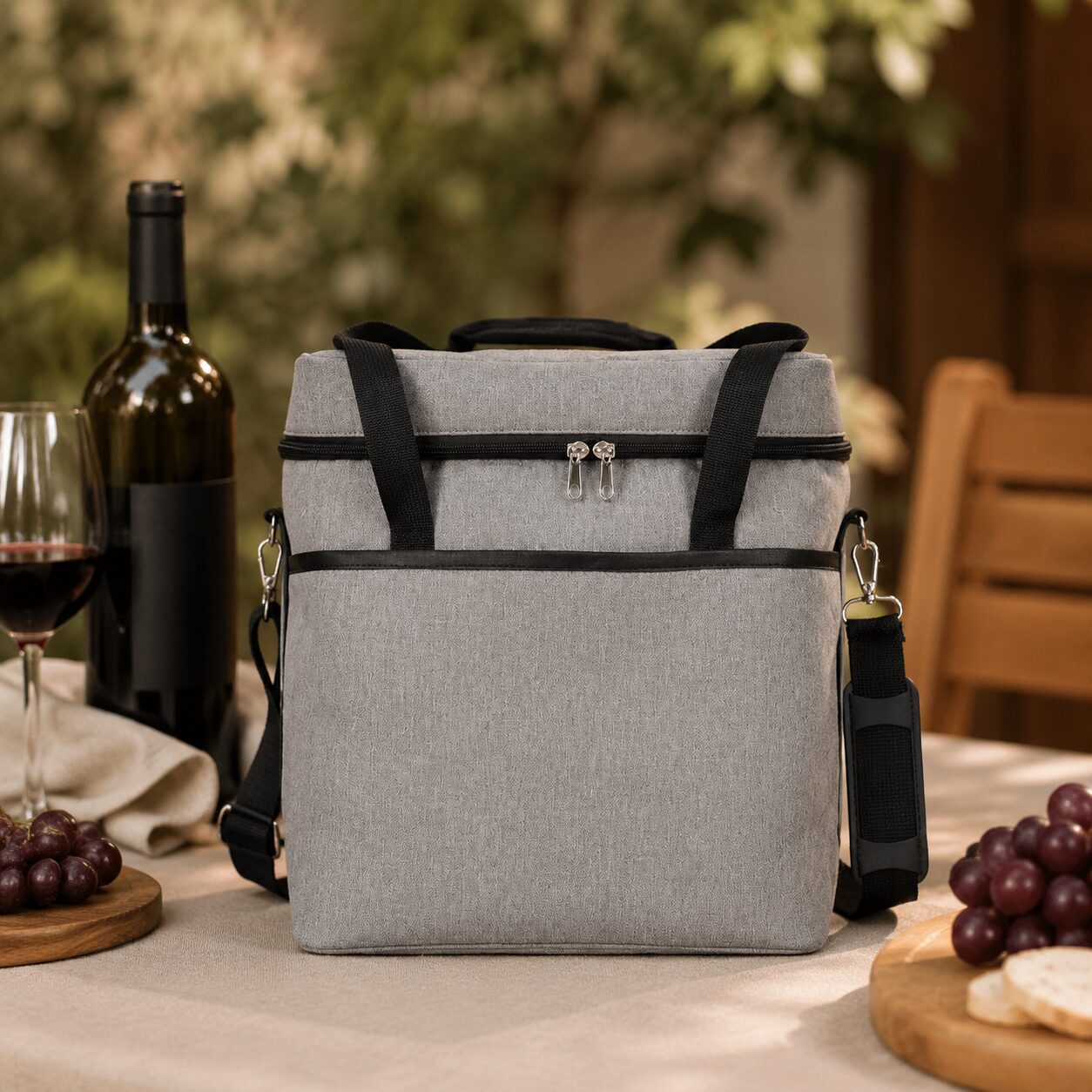
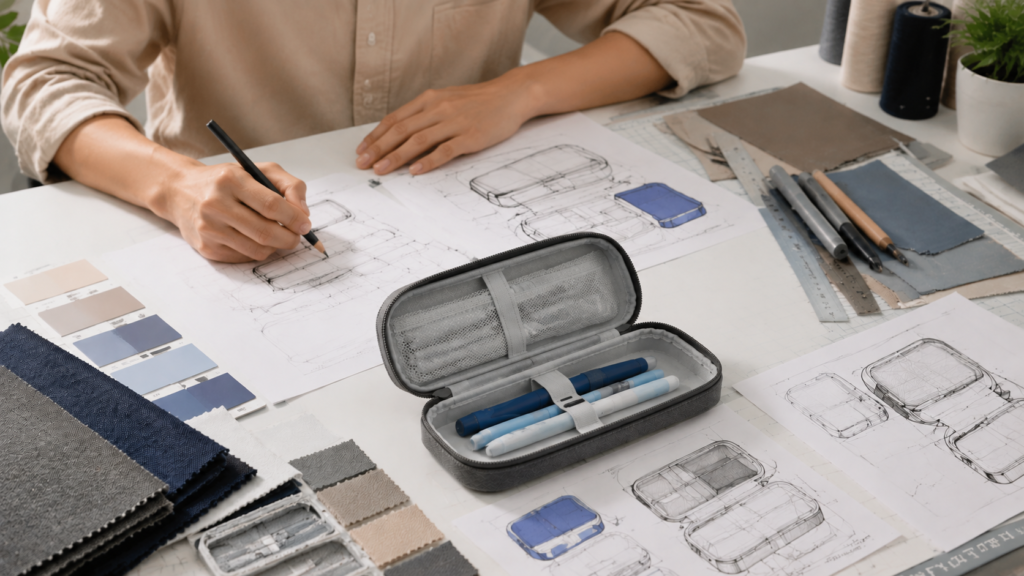
Stripping away unnecessary bulk ensures an insulin cool bag for travel slips effortlessly into briefcases or backpacks for users carrying small cooler bags for insulin. Sourcing directors optimize exterior volumetric profiles by eliminating redundant structural framing while retaining essential impact padding. This streamlined design approach provides maximum internal utility for daily-carry medication without adding unwanted weight. Minimalist volumetric engineering delivers mobile users the ideal balance of robust protection and effortless everyday carry.
- Volumetric Reduction: Streamlined exterior profiles eliminate excess bulk for effortless integration into commuter bags.
- High-Mobility Utility: Compact structural geometries provide maximum internal medical utility for active traveling professionals.
- Coil Durability: Heavy-duty coil zippers withstand thousands of smooth opening cycles without track separation.
4. Structural Protection and Usability in a Small Insulin Cooler Travel Case
Integrating semi-rigid ethylene-vinyl acetate thermal panels into a small insulin cooler travel case safeguards fragile glass cartridges for brands producing small cooler bags for insulin. Sourcing teams establish strict crush-test parameters to ensure exterior shells withstand heavy external baggage compression during long-haul flights and crowded overhead bins. This engineered rigidity absorbs multi-directional kinetic shock from drops and fumbles, preventing catastrophic internal glass breakage during rough transit conditions. Rigid outer chassis construction delivers unbreakable physical protection across aggressive global shipping environments, keeping sensitive life-saving medications completely secure, stable, and intact from the factory floor right to the patient’s hands.
- Crush Defense: Semi-rigid compression panels deflect heavy external loads away from delicate interior payloads.
- Glass Protection: Rigid outer chassis architectures eliminate crushing forces causing vial and ampoule fractures.
- Transit Resilience: Reinforced structural perimeters guarantee absolute mechanical protection across aggressive travel routes.
5. Managing Thermal Equilibrium: Sourcing a Reliable Bag to Keep Insulin Cool
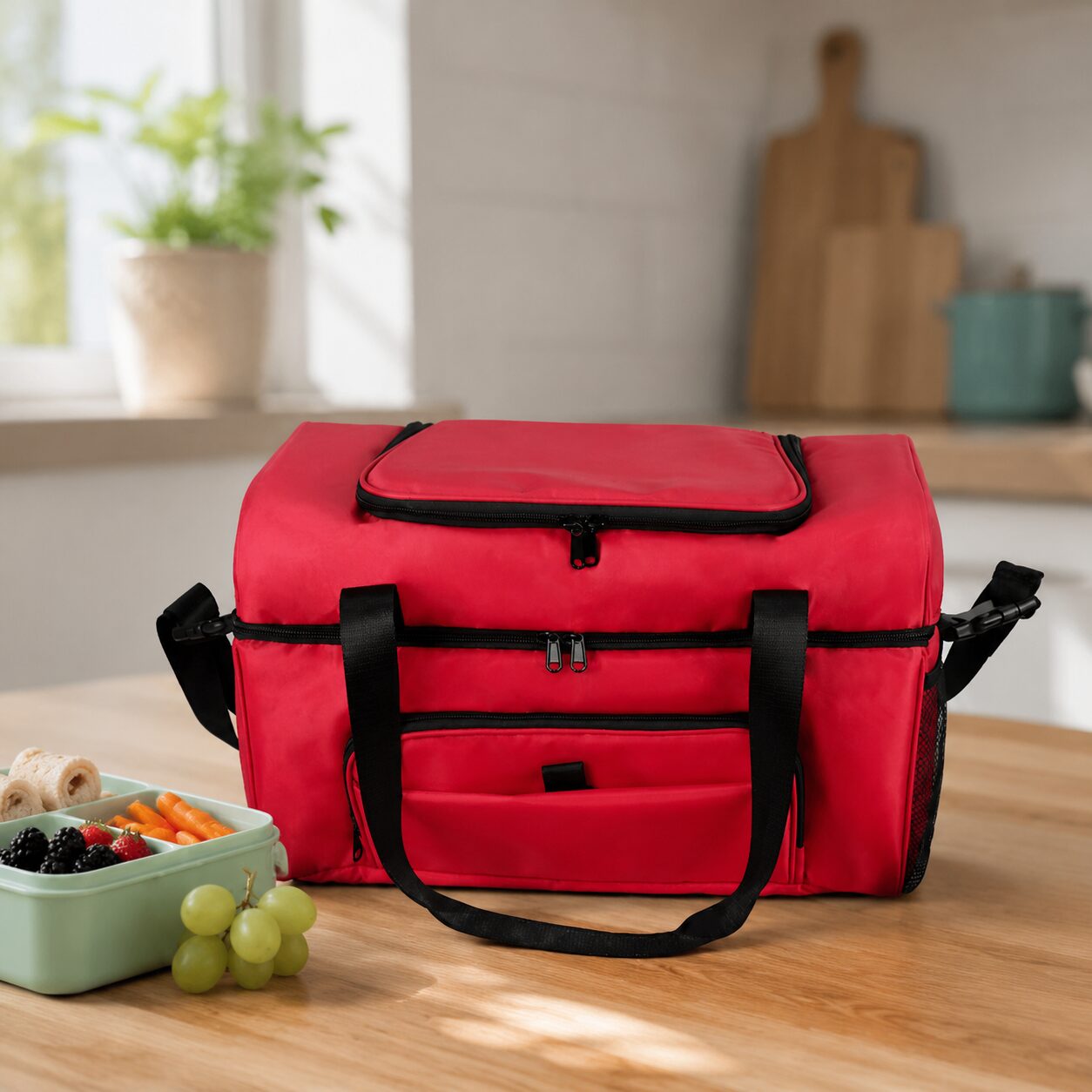
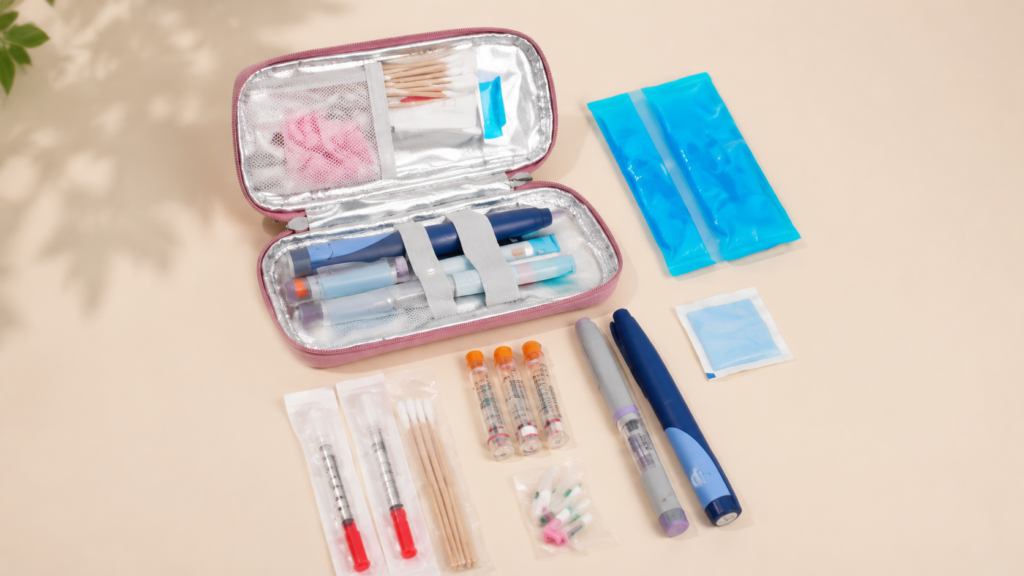
Writing clear isolation rules ensures bio-gel packs never touch delicate peptides directly inside any bag to keep insulin cool engineered for small cooler bags for insulin. Sourcing engineers design dedicated mesh sub-sleeves that lock phase-change cooling media away from primary storage chambers, creating a vital thermal buffer zone. This mechanical separation prevents sub-zero crystallization and localized freezing damage while sustaining the required 2°C to 8°C interior thermal envelope during temperature swings. Controlled cooling media integration guarantees absolute patient safety throughout multi-hour journeys, giving users total peace of mind when transporting critical daily medications.
- Gel Pack Securement: Dedicated mesh sub-sleeves lock cooling blocks firmly away from medication payloads.
- Direct Contact Defense: Physical partition walls eliminate the risk of accidental freezing and peptide damage.
- Cold-Chain Envelope: Calibrated cooling media integration sustains strict 2°C to 8°C temperature ranges reliably.
6. Low-MOQ Sampling and Prototyping Protocols for an Insulin Travel Bag Cooler
Translating digital tech packs into small-batch pilot runs enables emerging brands to test markets without excessive financial exposure when sourcing an insulin travel bag cooler alongside small cooler bags for insulin. Partnering with a versatile OEM like Aimazing Bag provides access to low-MOQ sampling protocols. Specialized sample rooms convert vector design specifications into millimeter-accurate pattern files for automated laser cutters. Small-batch pilot manufacturing eliminates dangerous inventory accumulation while validating market demand.
- Small-Batch Flexibility: Low-MOQ pilot production eliminates the dangerous accumulation of unsold inventory capital.
- Digital Accuracy: Advanced technical packs translate conceptual sketches into flawless factory sewing blueprints.
- Prototyping Speed: Specialized sample rooms accelerate trial production turnaround times for brand founders.
7. Shelf Impact and Logistics: Custom Retail Packaging for Global Brand Scaling
Designing eco-friendly retail packaging enhances unboxing experiences while reducing volumetric shipping waste for global freight logistics when scaling production of small cooler bags for insulin. Sourcing partners engineer custom folding cartons and hanging display cards utilizing recycled paperboard and biodegradable window films. Optimized packaging geometries maximize pallet density and lower international freight expenses for wholesale distributors. Premium retail presentation elevates brand perception and drives higher sell-through rates in competitive pharmacies.