
Designing a picnic cooler for retail involves more than choosing attractive fabrics and adding an insulated lining. The materials, bag structure, and stitching all affect how well the finished product performs in everyday use.
For brands and wholesale buyers, small details can make a big difference. Will the lining meet food-contact safety requirements? Can the bag carry several food containers without losing its shape? How well will the insulation hold up during a long day outdoors?
At Aimazing Bag, we believe these questions are best addressed before sampling begins. In this guide, we’ll walk through the materials, design options, quality checks, and OEM customization details worth considering when developing your next outdoor collection.
1. Sourcing Foundations: Why Developing an Insulated Picnic Bag Demands Specialized OEM Soft-Goods Engineering
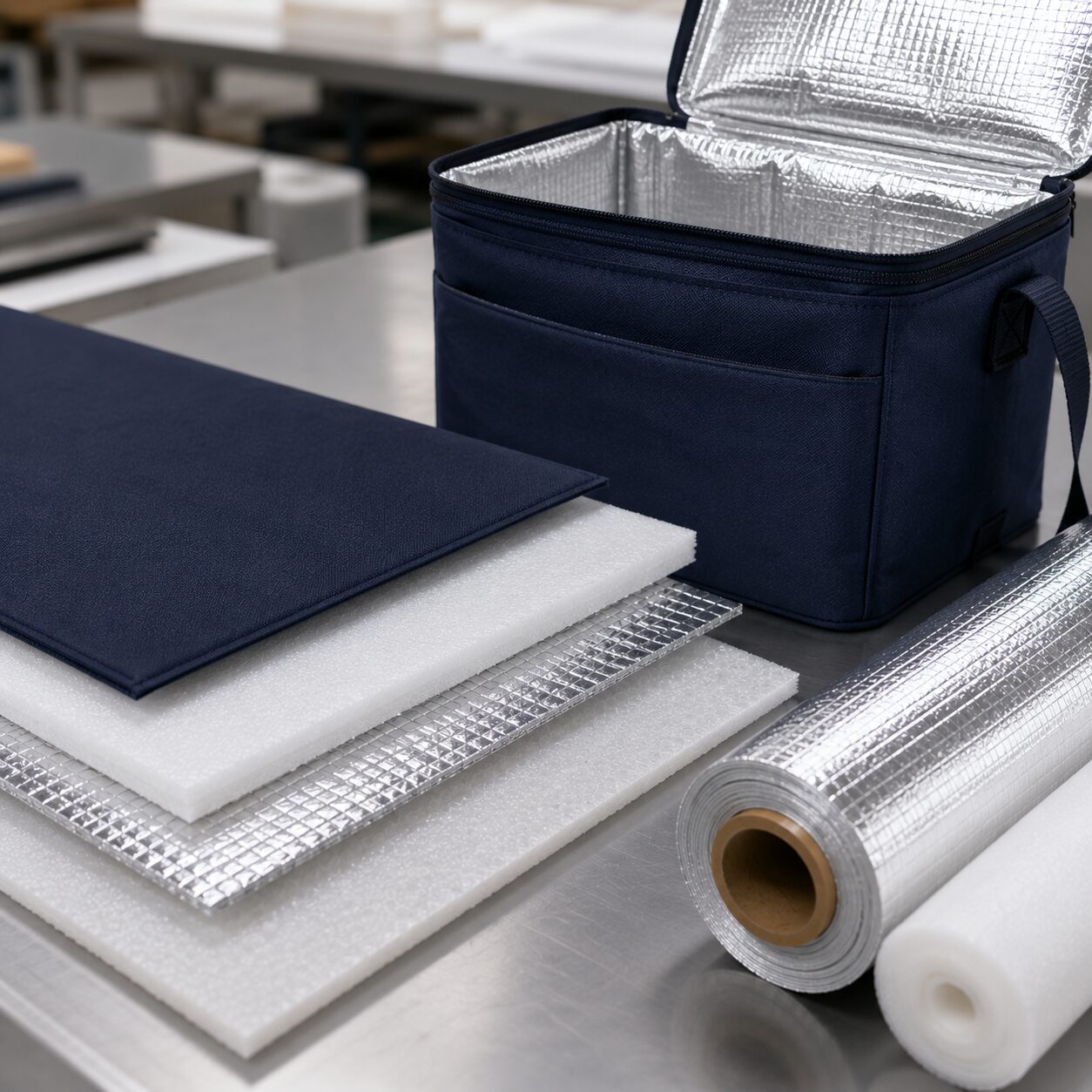
Pulling off strict food-safety standards on a soft cooler takes serious manufacturing muscle, especially since sourcing an insulated picnic bag means matching FDA-approved, food-safe liners with bulletproof exteriors—a combo standard garment lines usually mess up because of sloppy thermal lamination and loose stitch density. Teaming up with a dedicated OEM gives you direct access to high-frequency RF welding, waterproof PEVA linings, and heavy multi-pass stitching that turns basic gear into a retail-ready lineup that actually lasts. Backed by precise factory automation, every multi-layered build is stitched with absolute accuracy to protect your brand reputation, lock down your supply chain, and keep defect rates near zero during bulk wholesale orders, all while using an efficient insulated picnic cooler bag design framework to protect your profit margins across global retail channels.
- Food-Safety Compliance: FDA-approved inner membranes ensure safe direct contact with consumable provisions without releasing harmful chemical residues.
- Structural Durability: Specialized manufacturing prevents premature seam failure and fabric delamination during aggressive seasonal excursions and rugged wilderness camping expeditions.
- OEM Value: Advanced soft-goods engineering transforms basic fabric panels into high-performance commercial assets for growing wholesale distributors seeking reliable market differentiation.
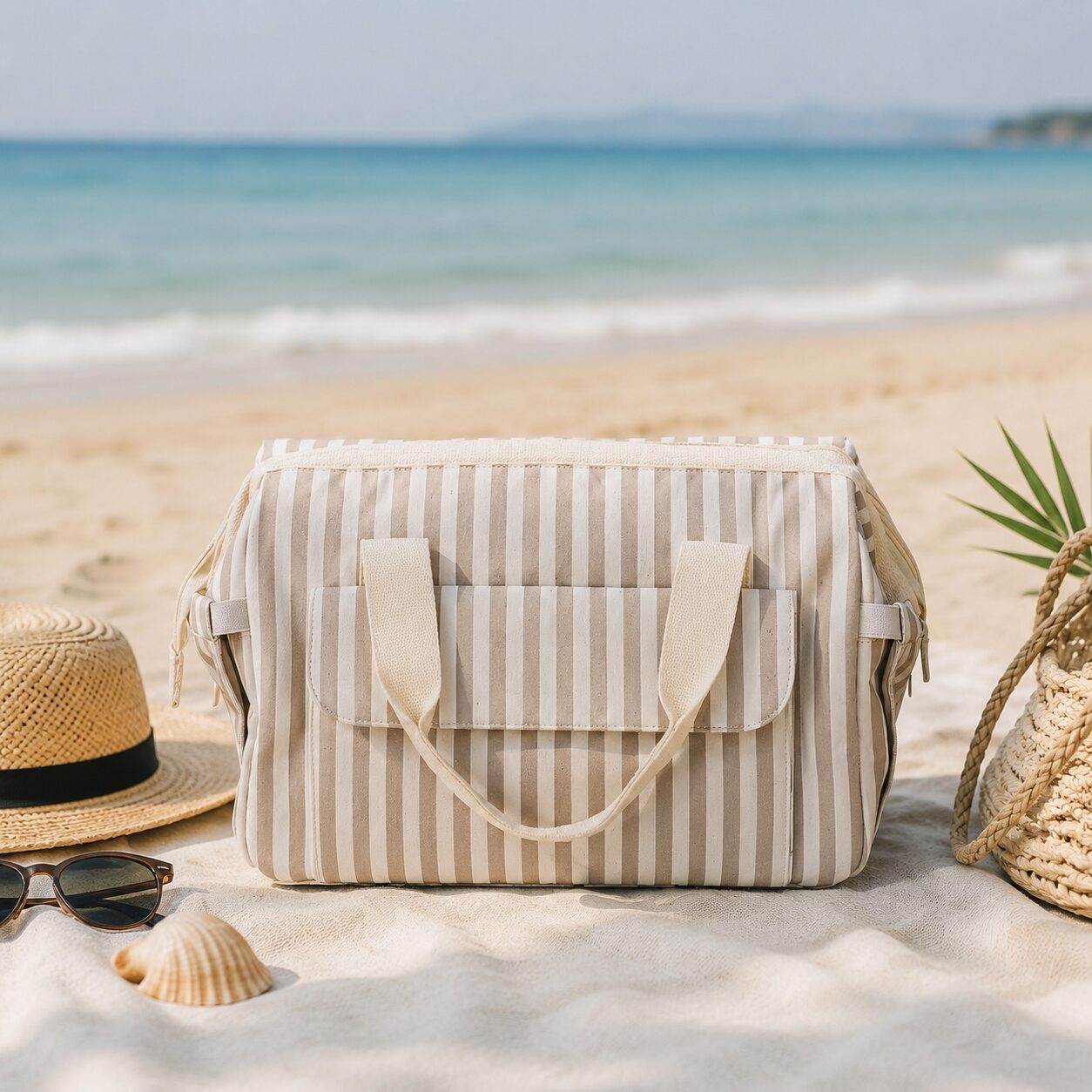
2. Aesthetic Versatility: Engineering an Insulated Picnic Tote Bag for Lifestyle Brands
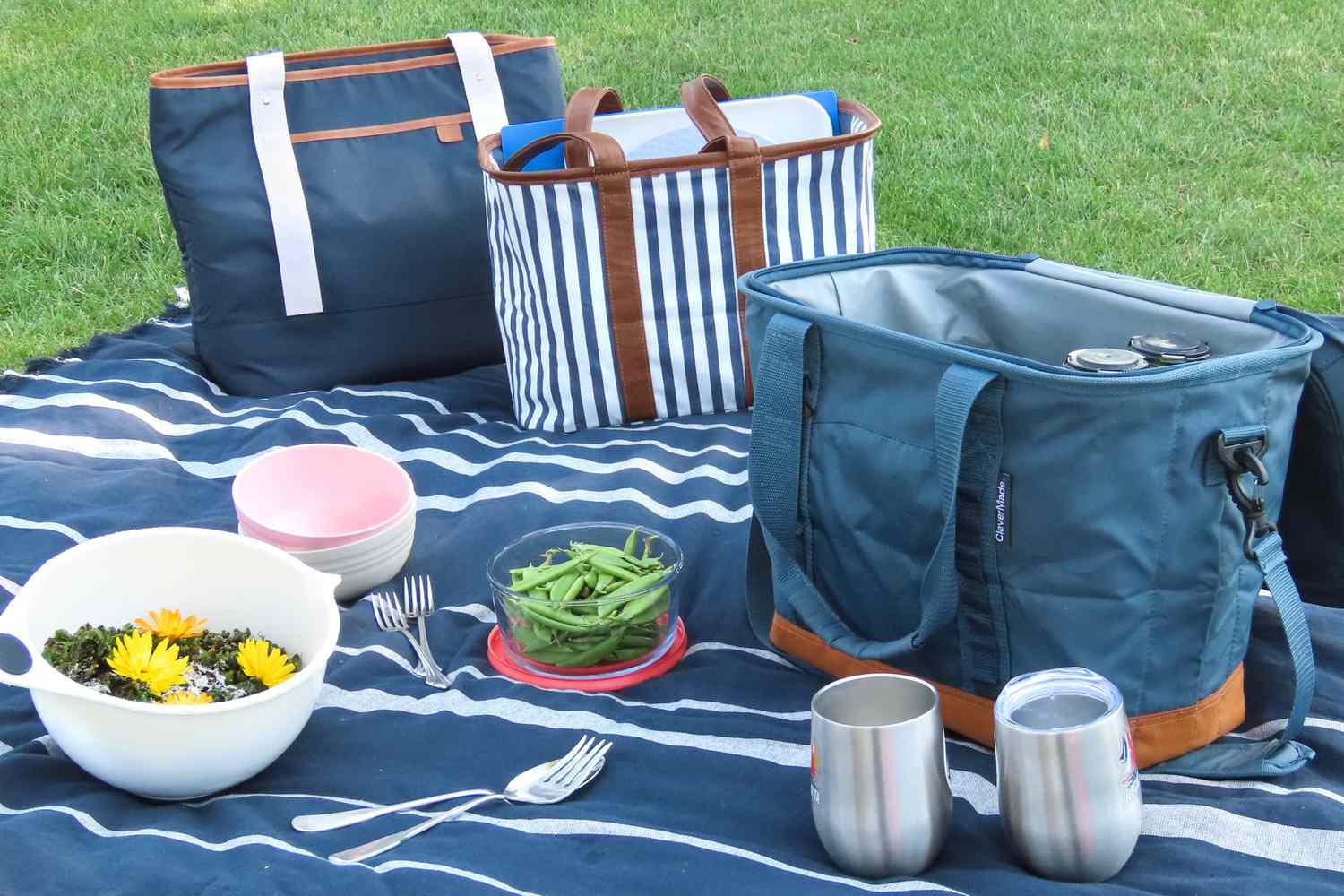
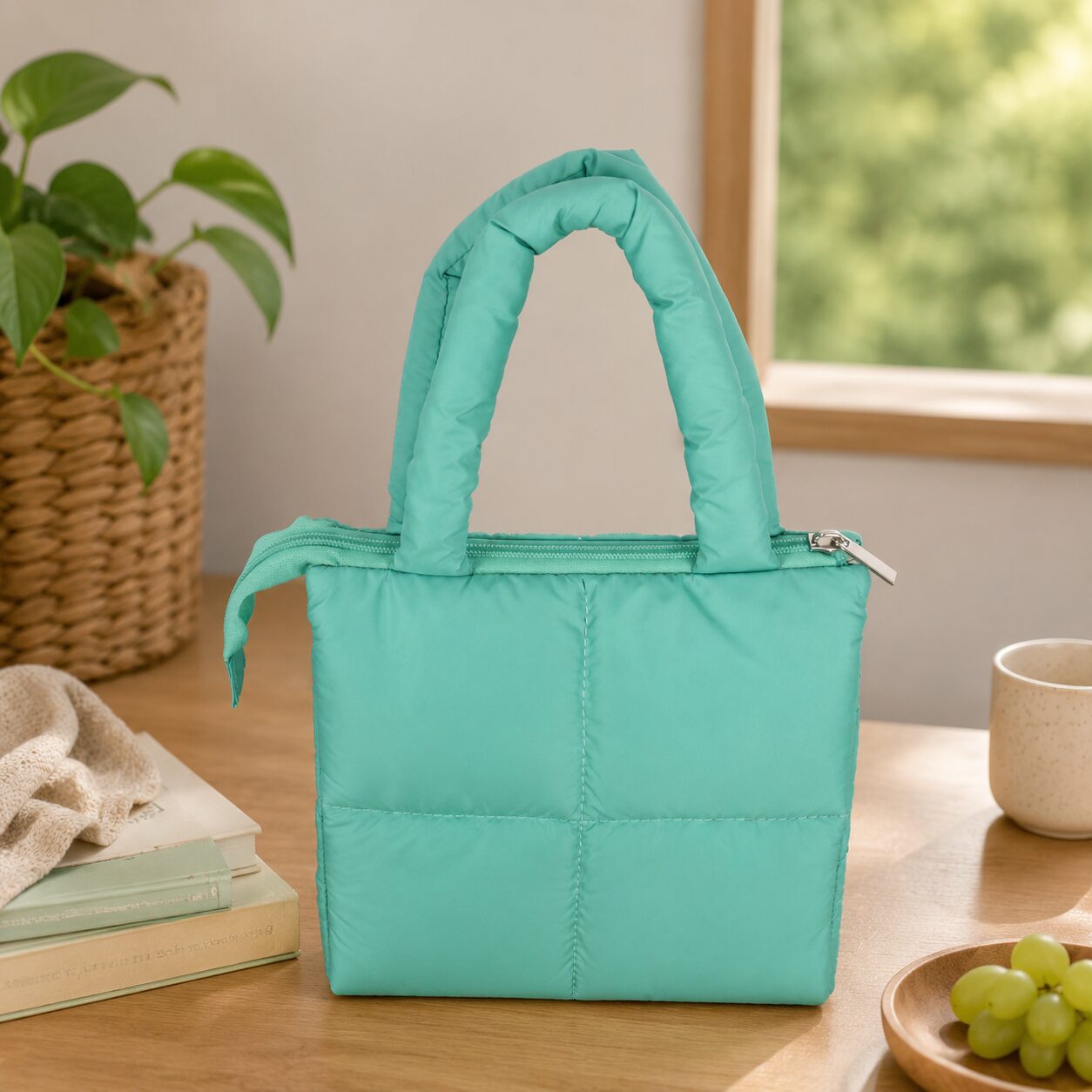
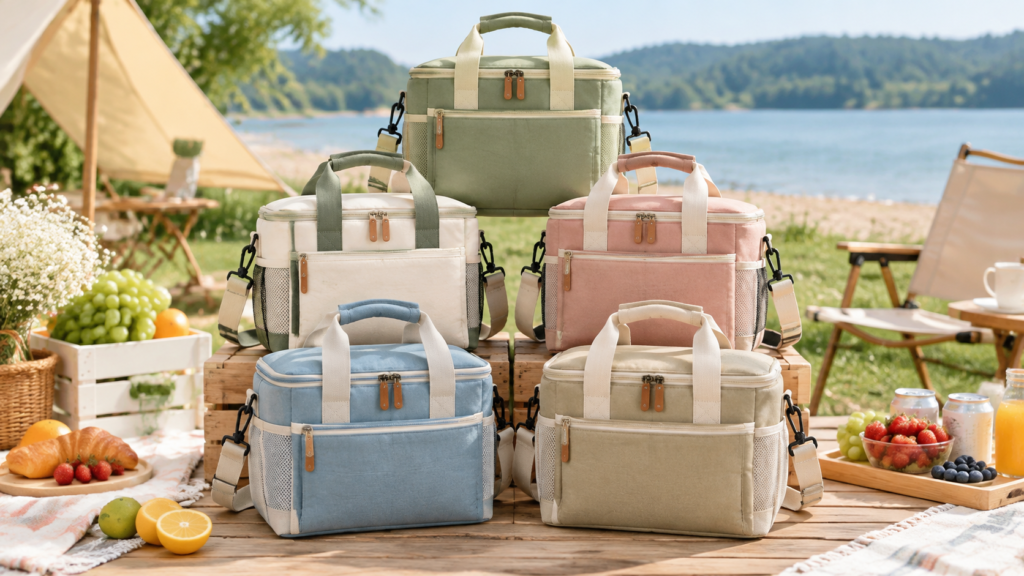
Ditch the bulky cooler look for a clean, fashion-forward tote shape that shifts easily from a Saturday farmers market to a park lawn, which is why sourcing directors lean on textured face fabrics, beefy webbing handles, and custom hardware when building out an upscale insulated picnic tote bag catalog. Sourcing teams look for water-repellent canvas shells and matte-finish zinc alloy pullers to turn basic utility gear into a lifestyle piece that looks right at home on high-end boutique shelves. Nail those premium materials and you are looking at serious retail sell-through, all while packing a heavy-duty insulated picnic cooler bag core underneath to keep drinks ice cold without sacrificing an ounce of style.
- Opening Rims: Internal spring-steel frame reinforcement maintains a structured wide-mouth opening for effortless loading and unloading during family park outings.
- Face Textiles: Premium water-repellent heathered canvas delivers an inviting, fashion-forward hand-feel suitable for urban and park settings.
- Custom Hardware: Electroplated matte-finish alloy pullers elevate overall aesthetic sophistication and brand appeal across competitive retail displays.
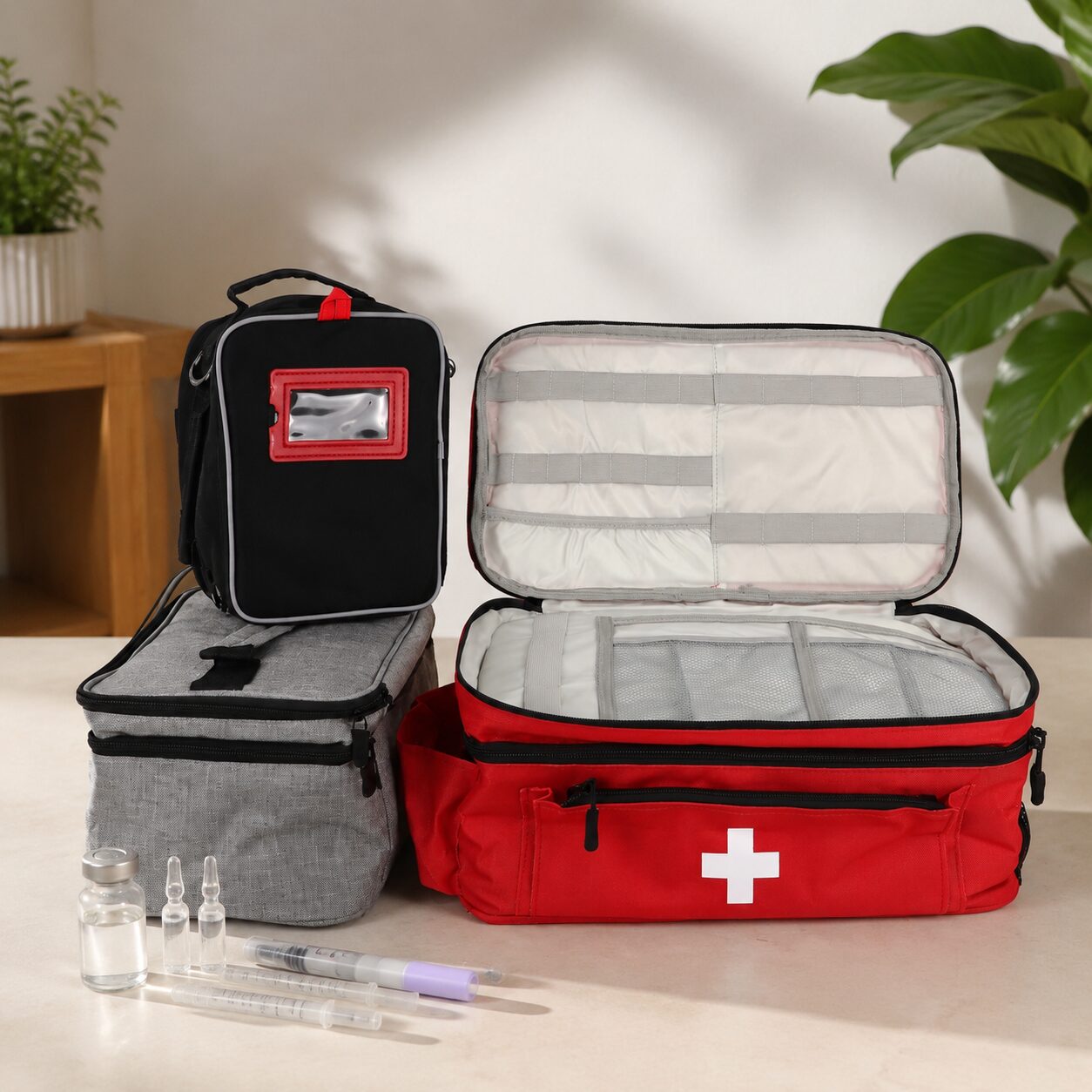
3. Meal-Prep Organization: Integrating Tupperware-Compatible Layouts in an Insulated Picnic Bag
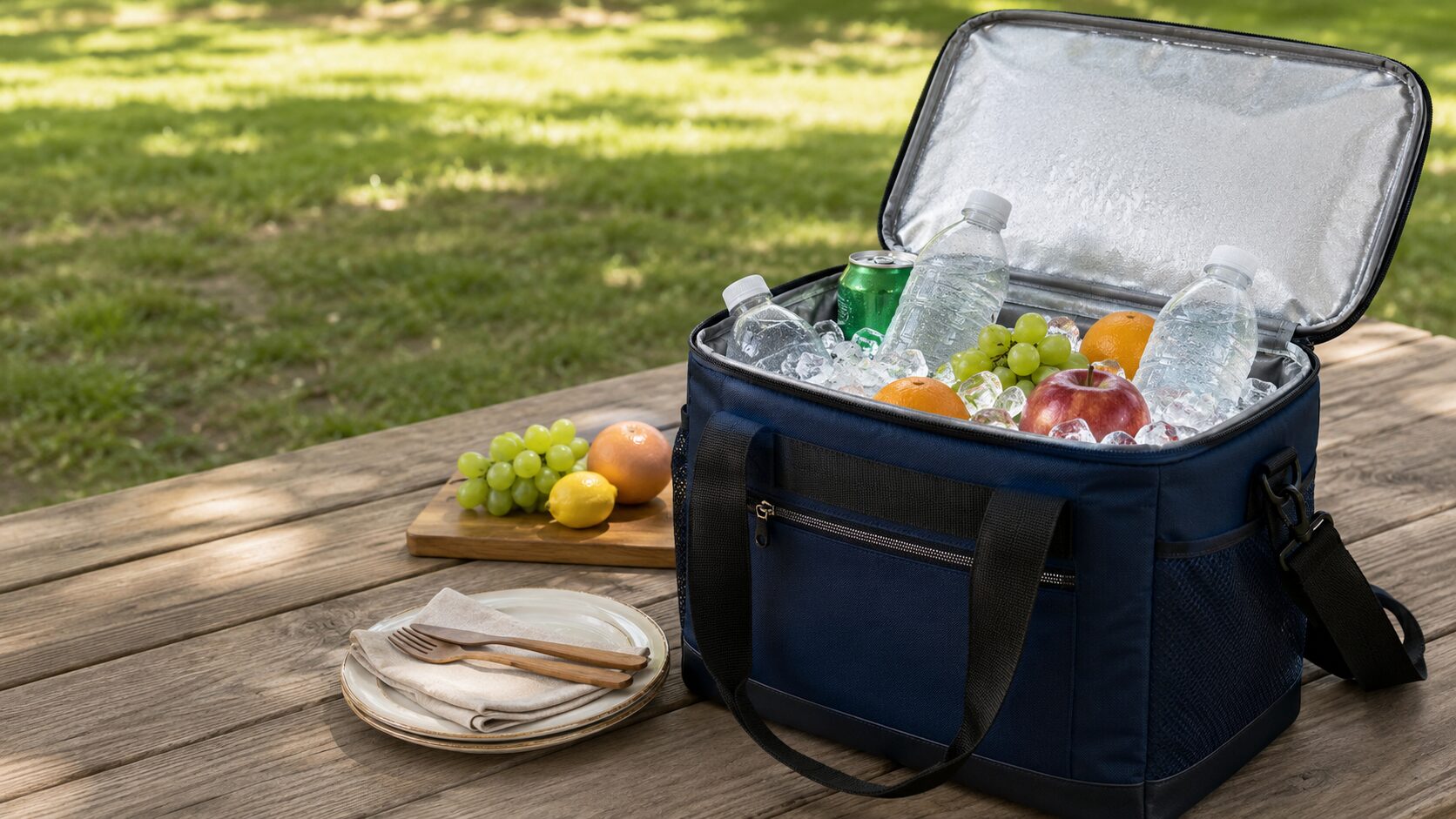
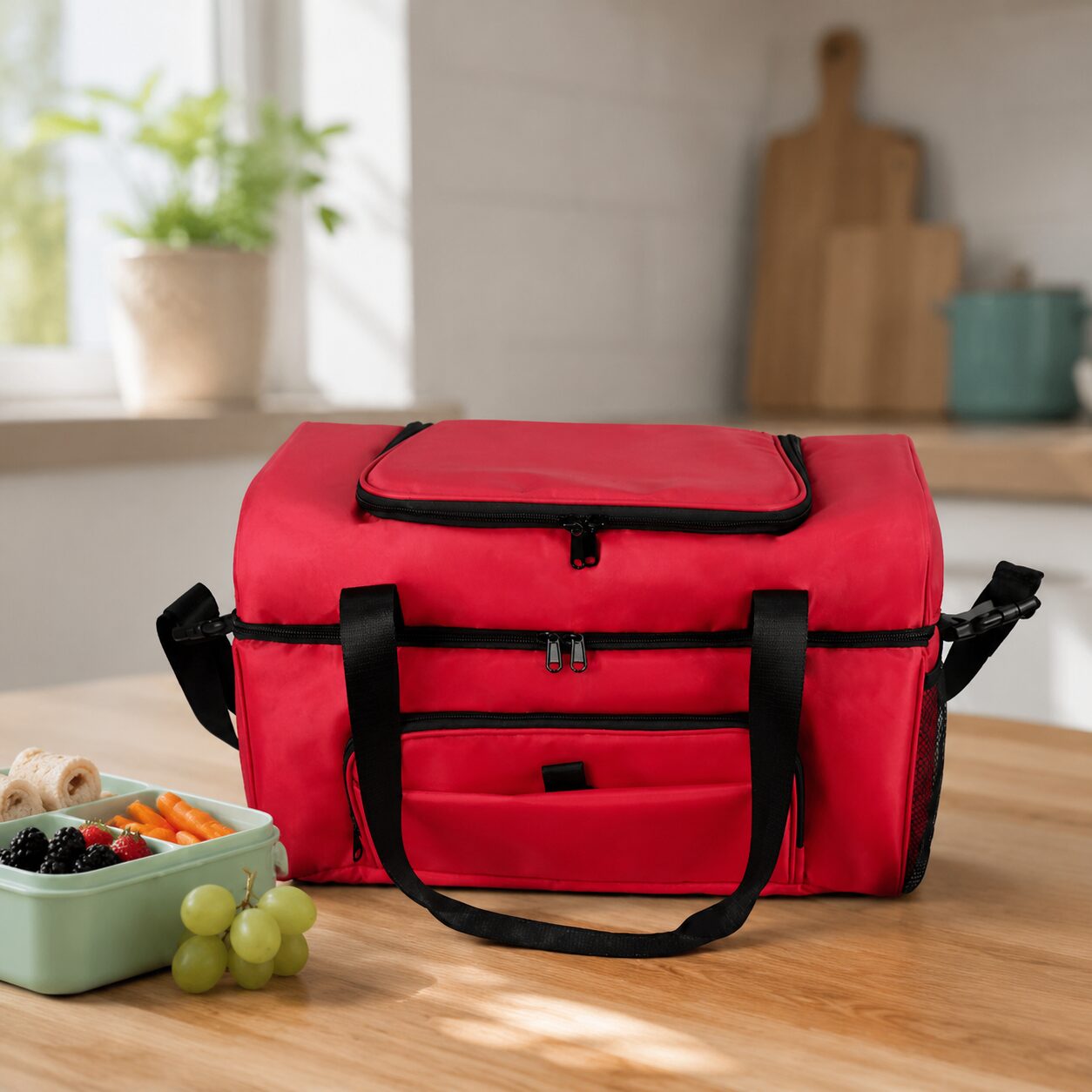
Ensuring flat-bottom chassis architecture for stable container stacking prevents food containers from tilting, spilling, or shifting during transit when manufacturing a specialized tupperware insulated picnic bag where dedicated internal partitioning and mesh separation layers structure an organized interior to accommodate multi-dish meals and snacks. Sourcing engineers integrate rigid high-density polyethylene bottom inserts and adjustable vertical dividers that hold rigid plastic lunchboxes firmly in place. This careful planning of the space turns a regular cooler into a neat and safe way to eat for people who are always, on the move. It also makes sure the cooler stays strong. Doesn’t bend or sag when its full of food.
- Flat-Bottom Chassis: Rigid internal floor boards prevent bottom sagging and keep meal containers completely level during transit.
- Modular Partitioning: Adjustable internal dividers organize stacked meal containers to prevent shifting and food mixing.
- Mesh Separation Layers: Breathable interior pockets store cutlery, napkins, and condiment packets separately from heavy food boxes.
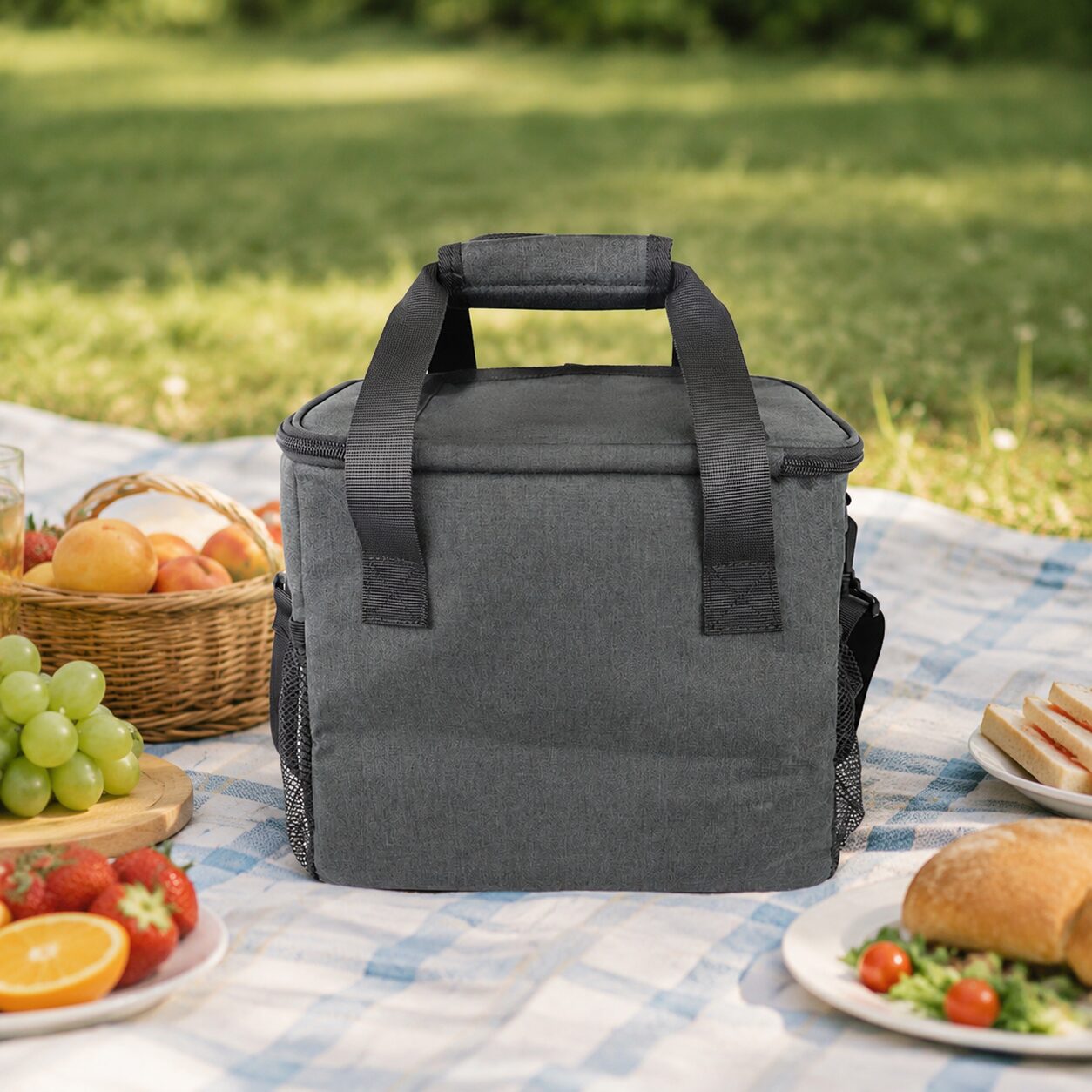
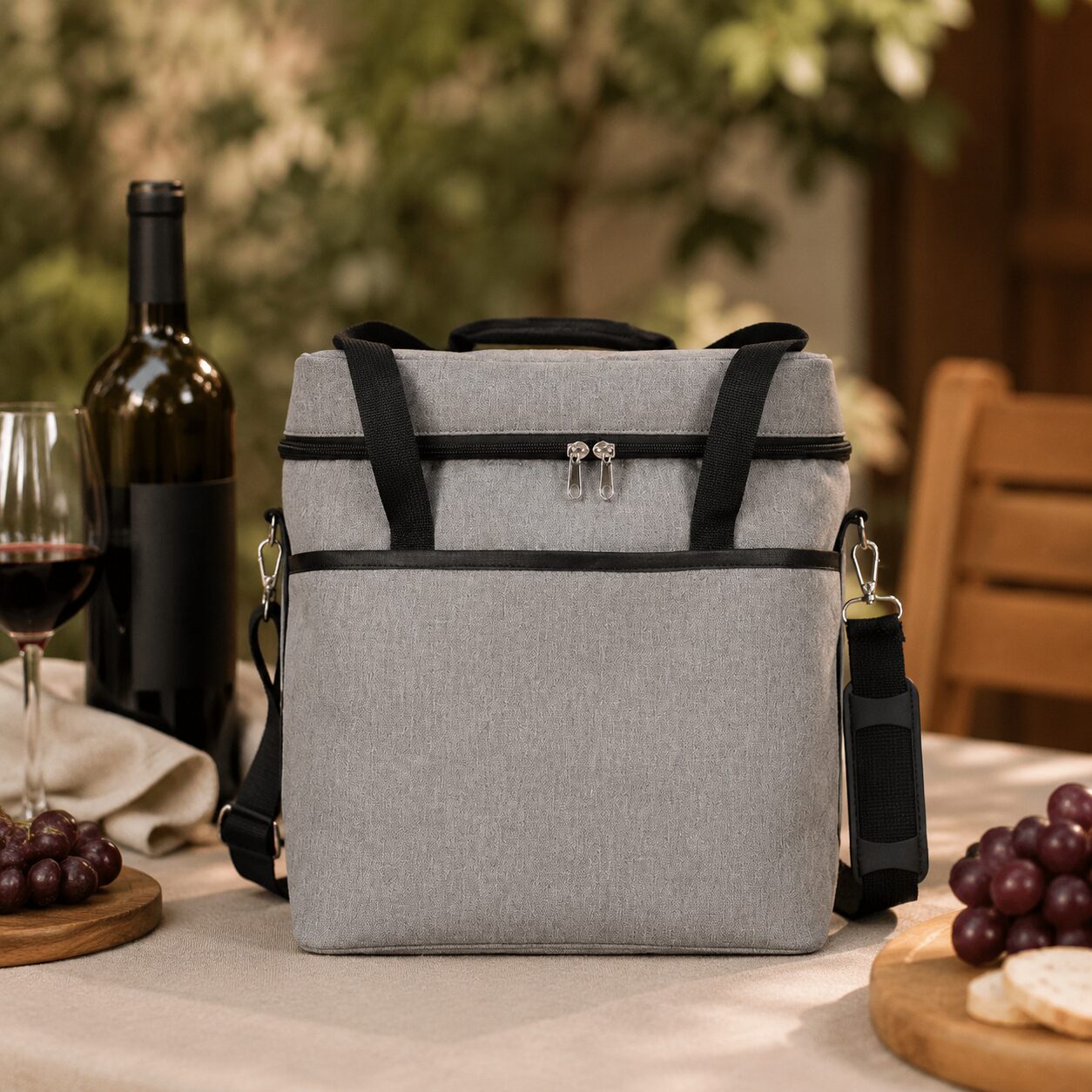
4. High-Capacity Group Sourcing: Engineering a Large Insulated Picnic Bag
Scaling volumetric payloads and heavy-duty structural frame reinforcement allows brands to design high-capacity chassis frameworks that distribute the weight of food and beverages for large family gatherings comfortably when sourcing a large insulated picnic bag requiring ergonomic weight distribution and reinforced shoulder harness attachments to reduce handler fatigue. Sourcing teams use internal webbing frames and thick foam back panels that help reduce tiredness when walking outside for a long time. Professional manufacturing ensures that the parts that hold the most weight stay strong when carrying a lot of people. This keeps everyone safe and comfortable during weekend events. The design also includes a picnic bag that looks nice and elegant.
- Chassis Frame Reinforcement: Heavy-duty internal framing takes the heavy load of a massive group meal without bending or sagging under pressure.
- Ergonomic Load Distribution: Contoured shoulder straps and breathable padded back panels keep your shoulders from aching on long walks to the campsite.
- Group Payload Capacity: Generous interior volume packs a full dining kit and heavy drink supply with ease, so you never have to worry about the bottom blowing out or the bag losing its shape..
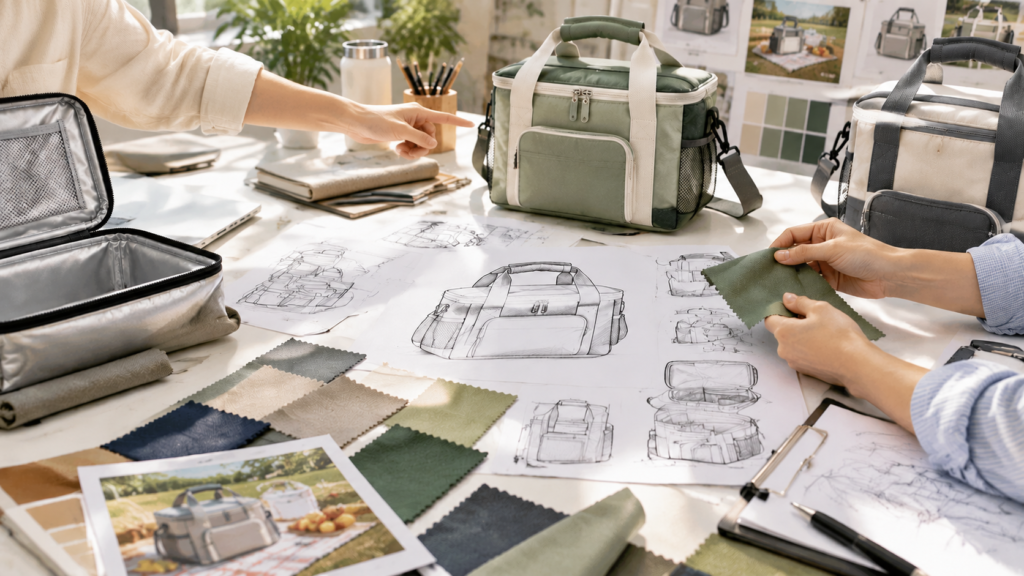
5. Minimalist Elegance: Manufacturing a White Insulated Picnic Tote Bag
Treating light-colored canvas with advanced stain blockers and waterproof laminates stops grass stains, wine spills, and muddy dirt right at the surface, which is a lifesaver when you are trying to keep a clean white insulated picnic tote bag looking fresh on retail shelves month after month. Sourcing managers look for nano-coated synthetic yarns that shed liquids the second they hit the surface. That kind of smart textile engineering keeps light fabrics looking factory-fresh through rough outdoor use, all while pairing up with a smart tupperware insulated picnic bag interior layout to give you maximum functional utility.
- Stain-Repellent Nano-Coatings: Advanced chemical treatments cause liquids to bead up and roll off light-colored fabric surfaces instantly.
- Hydrophobic Lamination: Protective exterior face laminates block mud and dirt penetration, ensuring effortless field cleaning.
- Colorfastness Audits: Rigorous UV-resistance testing guarantees that bright white face textiles resist solar yellowing over time.
6. Rigorous Quality Control and Thermal Validation Standards
Executing destructive pull-force evaluations and cyclic load testing on reinforced handles, shoulder straps, and bottom seams ensures absolute structural reliability under heavy weight capacities before global container dispatch when confirming that production batches meet certified temperature retention curves in environmental test chambers for every commercial insulated picnic cooler bag manufactured under strict OEM protocols. Sourcing laboratories mount finished cooler samples onto automated hydraulic test rigs simulating thousands of repetitive lifting cycles. Comprehensive pre-shipment auditing guarantees absolute product excellence and eliminates commercial liability risks worldwide while supporting the scaling of a large insulated picnic bag production line.
- Hydraulic Load Testing: Simulates thousands of repetitive lifting cycles under maximum stress to verify strap durability and anchor strength.
- Seam Stress Audits: Microscope inspections confirm multi-pass box-stitching maintains certified breaking limits under extreme physical tension.
- Thermal Retention Validation: Data loggers verify cooling curves inside environmental test chambers prior to export to ensure consistent product performance.
7. Sourcing Strategies and Customization Frameworks for Brand Growth
Establishing comprehensive digital tech packs detailing exact dimensions, thermal layer mappings, and material grade standards eliminates costly sample iterations and ensures absolute batch consistency across global manufacturing runs while partnering directly with Aimazing Bag secures long-term supply chain resilience, fixed material pricing, and predictable container delivery schedules for growing outdoor lifestyle brands seeking an elite soft-goods original equipment manufacturer. Aimazing Bag combines low-minimum-order-quantity pilot flexibility with multi-stage acceptable-quality-limit quality audits and dedicated project management to protect your operating margins worldwide and support aggressive retail expansion for every insulated picnic bag and white insulated picnic tote bag line.