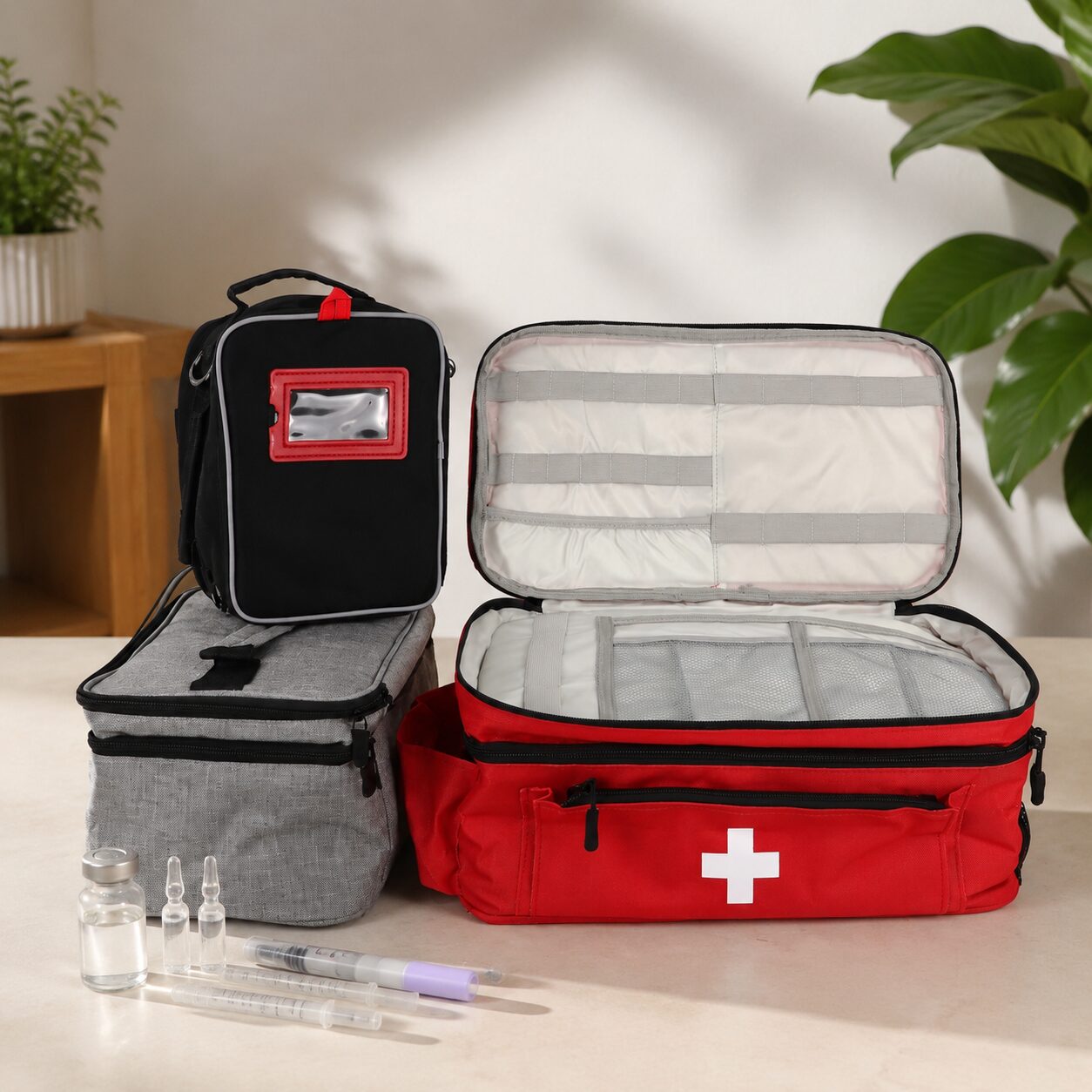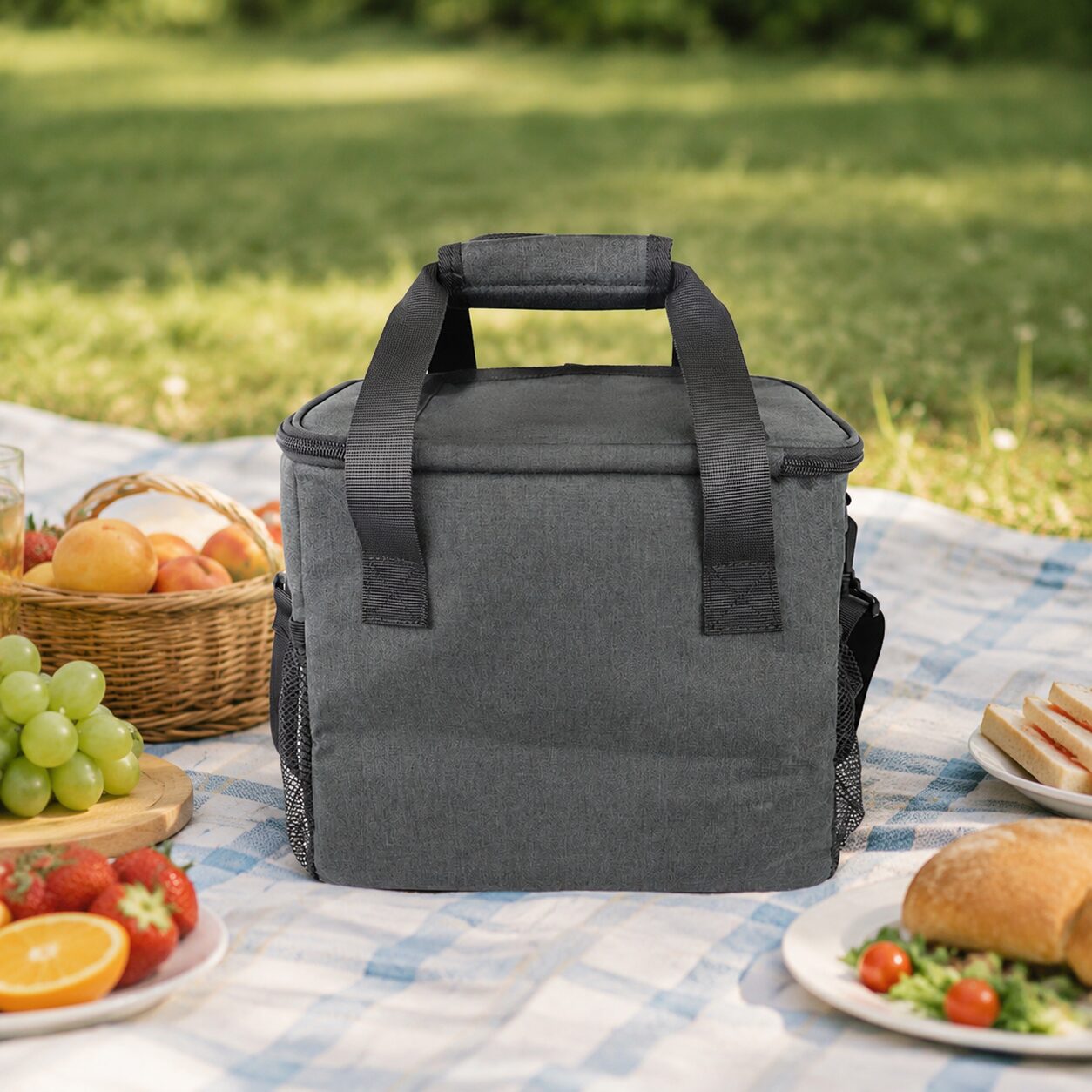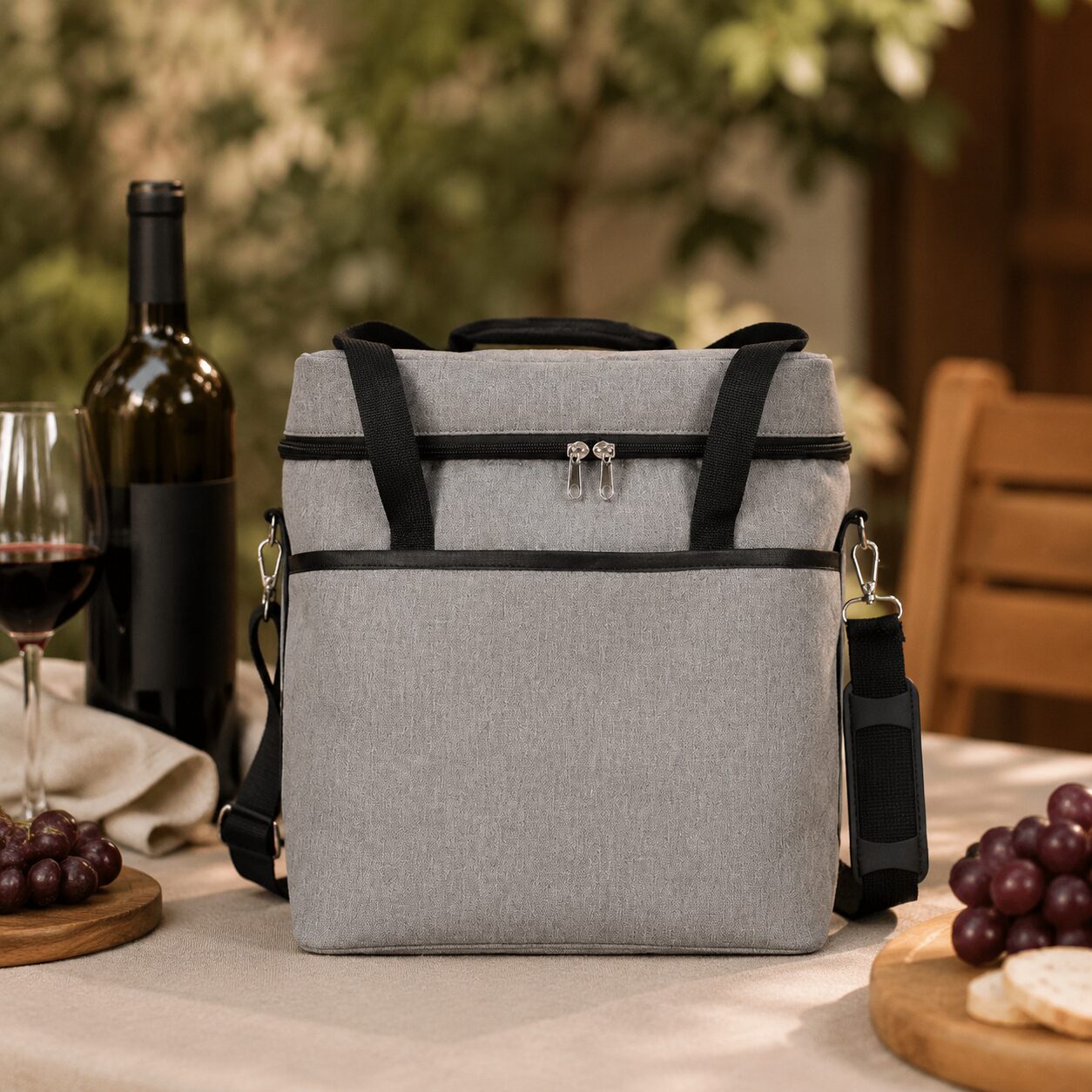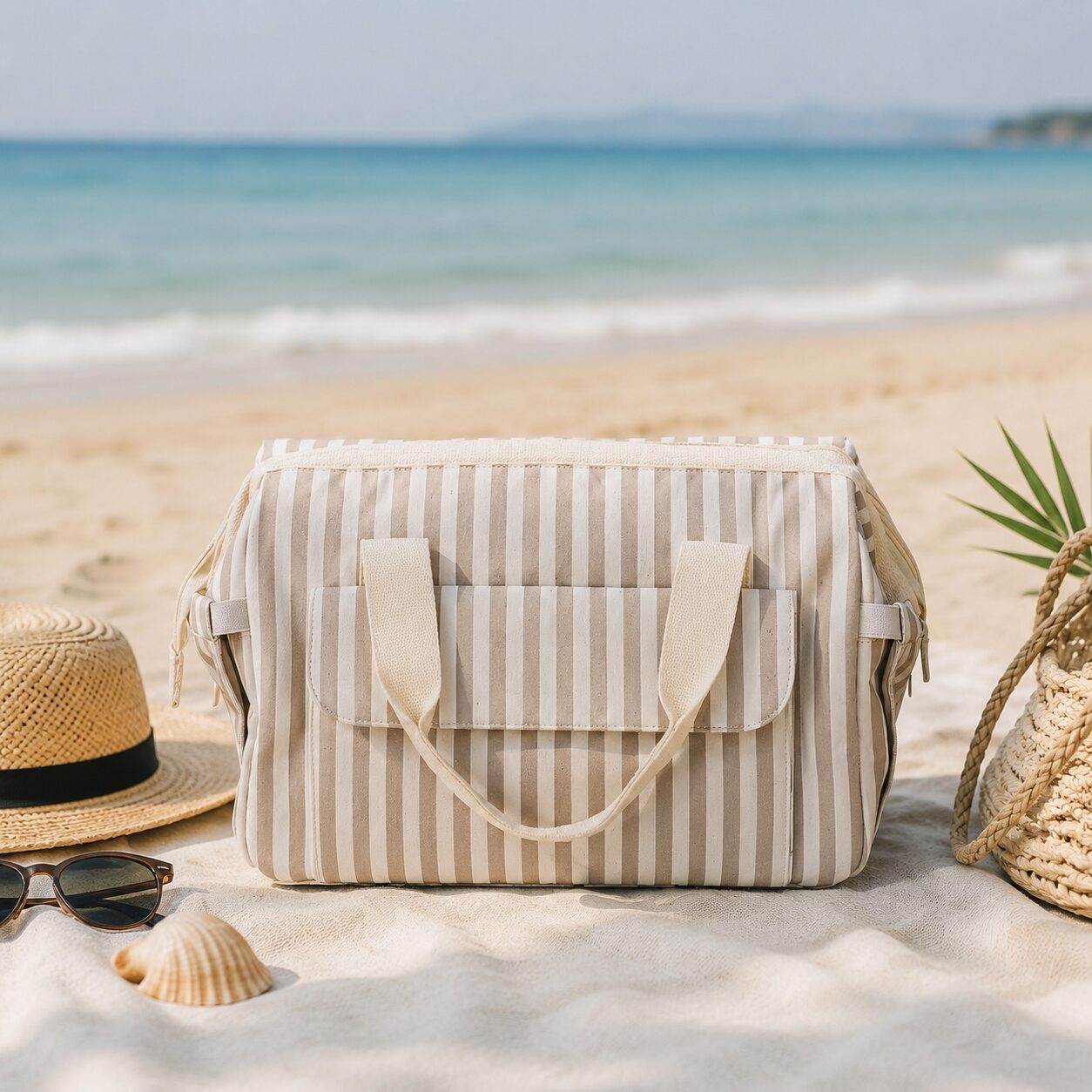

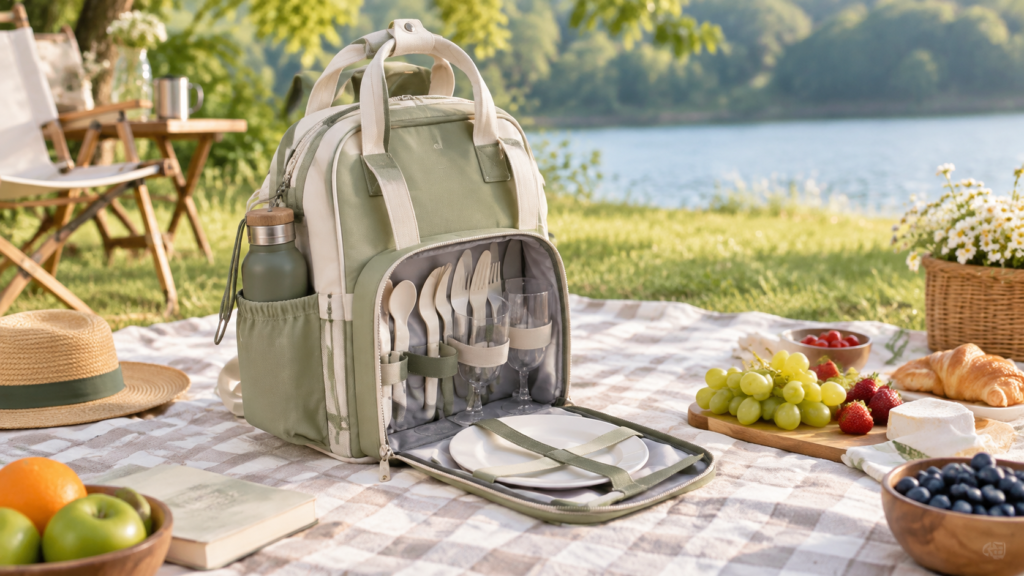
For outdoor brands and retailers, a good product needs to do more than look attractive on a store shelf. Customers want enough room for food and drinks, comfortable carrying straps, reliable insulation, and a practical place for every dining accessory.
These requirements also affect manufacturing costs, material selection, and product quality. Getting them right during development can help brands avoid expensive changes after sampling.
This guide explains how to evaluate capacity, insulation, carrying comfort, and accessory organization before placing a custom manufacturing order.
1. Choosing the Right Capacity for Real Picnic Gear
For a picnic rucksack, the advertised storage capacity does not always tell buyers how much food and equipment will actually fit.
A bag labeled 20 liters may sound spacious, but internal dividers, insulation foam, and dining accessories all reduce usable space.
For example, two 500 mL water bottles and four 330 mL drink cans contain a combined 2.32 liters of liquid, weighing approximately 2.32 kg before packaging. Add plates, food containers, ice packs, and cutlery, and both the weight and space requirements increase.
A useful reference is ASTM F2153-07(2018), a standard test method for measuring backpack capacity. It excludes unenclosed external storage areas, such as mesh bottle pockets, from the main capacity measurement.
What buyers should check:
- Actual usable space after insulation and dividers are installed.
- Maximum recommended carrying load, tested separately from volume.
- Space reserved for ice packs and dining accessories.
- Whether the bag can stand upright when fully loaded.
The best picnic backpack is not necessarily the largest. It is the one that comfortably holds the intended equipment without wasted space or unnecessary weight.
2. Insulation Materials: What Actually Keeps Food Cold?
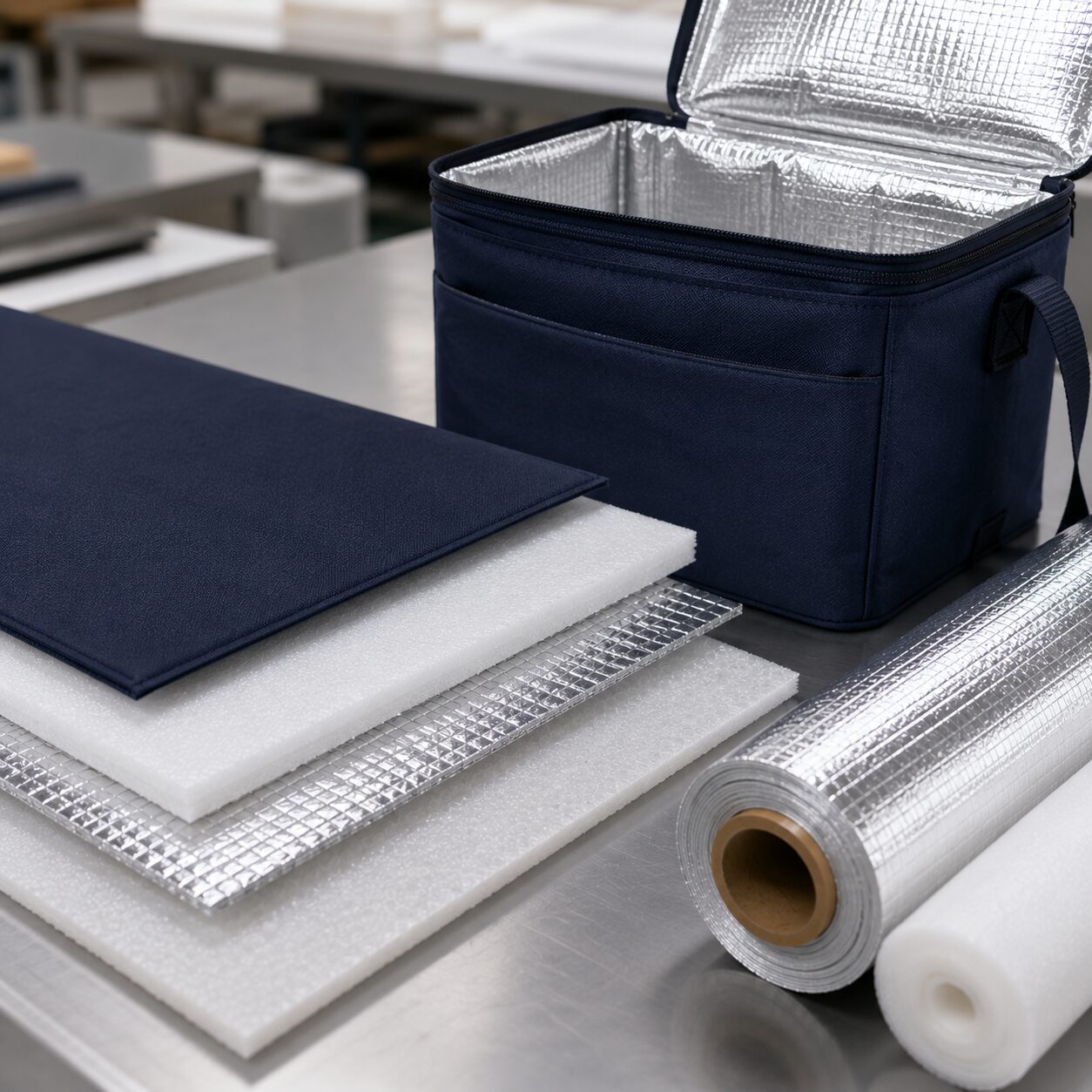
An insulated picnic rucksack relies on several materials working together, not simply a shiny aluminum lining.
At Aimazing Bag, available insulation constructions can include EPE foam in 3 mm, 5 mm, 8 mm, and 10 mm thicknesses, combined with PEVA or aluminum-laminated lining materials.
Each component serves a different purpose.
| Material | Main function | Practical buyer consideration |
|---|---|---|
| EPE Foam | Slows heat transfer through the bag walls | Greater thickness takes up more space and may increase weight |
| PEVA Lining | Provides a wipe-clean interior and moisture barrier | Food-contact grade and seam construction should be verified |
| Aluminum-Laminated Lining | Can reduce radiant heat transfer under suitable conditions | Does not replace foam insulation |
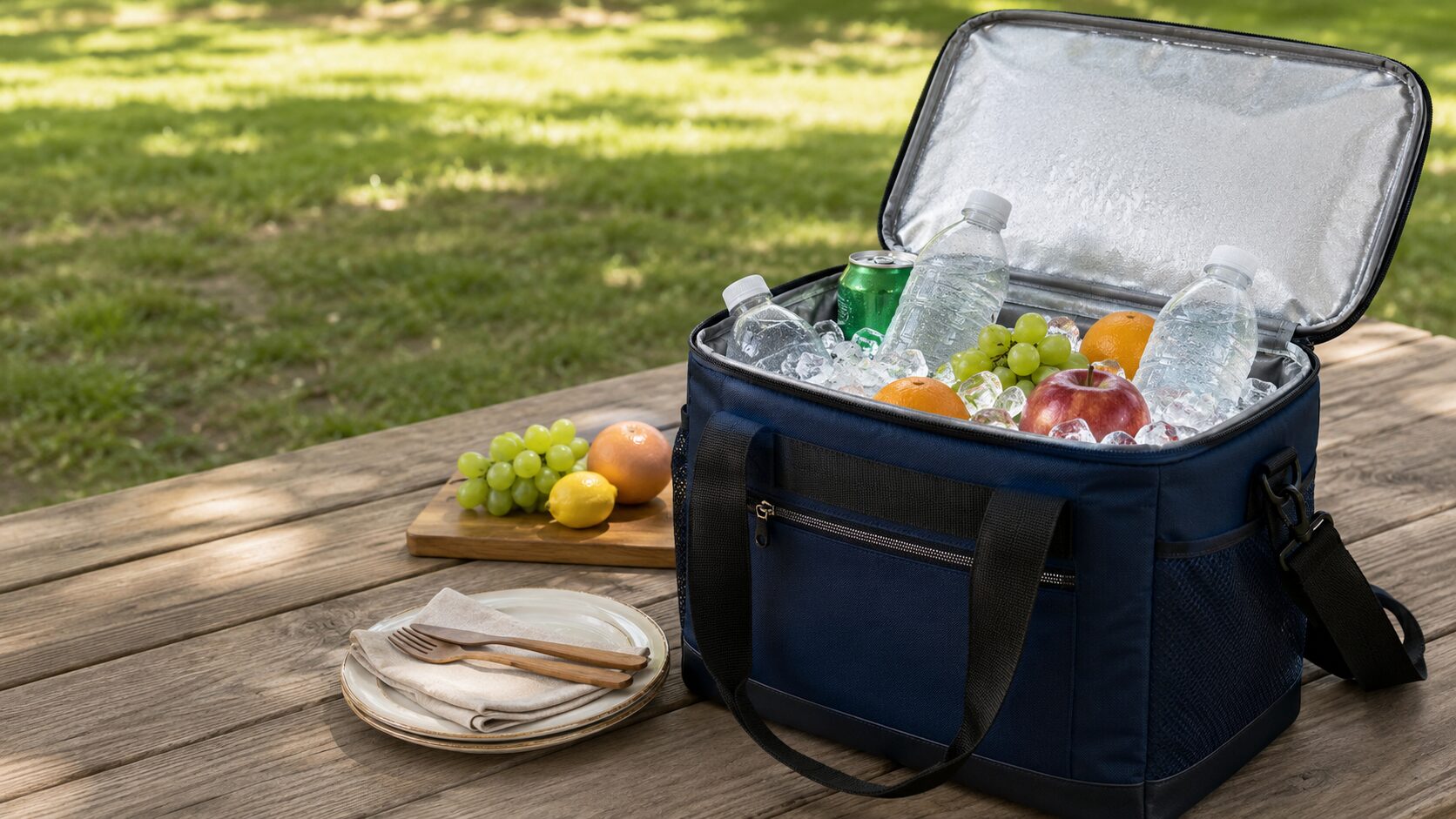
| Frozen Gel Packs | Supply cooling energy | Pack size, quantity, and placement affect cooling time |
Food safety is an important consideration.
According to the USDA’s outdoor food safety guidance, perishable food should be kept at 40°F (4°C) or below. Food left without adequate temperature control should generally not exceed two hours, or one hour when temperatures are above 90°F (32°C).
For wholesale buyers, this means claims such as “12-hour cooling” need supporting test conditions.
Ask manufacturers to specify the ambient temperature, initial food temperature, number of ice packs, and temperature recorded during testing.
Thicker insulation can help slow heat transfer, but it does not guarantee a specific cooling period.
3. Harness Comfort: Why Heavy Bottles Change the Design
A backpack picnic set can become surprisingly heavy once glass bottles, food containers, and dining equipment are added.
Poor weight distribution makes the shoulder straps uncomfortable and can cause the bag to swing while walking.
Three construction details deserve attention:
- Back Panel Support: HDPE frame sheets or structured padding can help maintain the bag’s shape and prevent hard objects from pressing directly against the user’s back.
- Padded Shoulder Straps: EVA foam padding and adjustable webbing can improve carrying comfort when correctly sized for the load.
- Load Positioning: Heavier bottles should be positioned close to the back panel rather than hanging far away from the body.
A sternum strap can also help control shoulder-strap movement. For larger designs, a properly fitted hip belt may improve weight distribution.
Buyers should request a loaded wearing test rather than judging the harness from an empty sample.
At Aimazing, strap shape, foam padding, panel reinforcement, and bottle placement can be adjusted during OEM development to match the intended usage.
4. Accessory Organization: Preventing Damage and Missing Components
A picnic set in a backpack should make it easy to carry, find, and protect every accessory.
One common design problem is placing all the tableware inside a single large pocket. Plates shift, cutlery becomes tangled, and glasses can knock against hard objects.
For a two-person dining kit, a practical layout may include:
- Two separate plate holders with elastic retention.
- Dedicated loops for forks, knives, and spoons.
- Individual sleeves for reusable glasses.
- A washable pocket for napkins or other small accessories.
The important detail is not simply the number of pockets. Each compartment must match the actual size of the included equipment.
For example, elastic loops designed around narrow cutlery handles may not hold thicker wooden handles securely.
Manufacturers should test the finished accessories inside the sample before approving the final pocket dimensions.
This is also where coordinated accessory sourcing helps. Brands can develop the bag and dining components together instead of ordering them separately and discovering fitting problems later.
5. Small vs. Large Designs: Which Capacity Should Buyers Choose?
A small picnic backpack can be a suitable choice for couples, short park visits, and casual outdoor activities.
However, compact designs still need enough space for cooling materials, food containers, and dining accessories.
The following figures are suggested development starting points, not fixed industry sizing standards.
| Product concept | Suggested starting capacity | Intended application |
|---|---|---|
| Compact two-person model | 12–16 L | Light meals, drinks, and essential dining accessories |
| Standard outdoor model | 18–25 L | More food storage, ice packs, and a complete dining kit |
| Larger group model | 26 L and above | Additional beverages, food containers, and accessories |
These ranges should be adjusted after testing the actual contents. A large cutlery panel or thick insulation can significantly affect the usable internal volume.
For a brand developing several retail price points, using a related construction across different sizes can simplify material selection and maintain a consistent product appearance.
The best picnic backpack for a premium outdoor collection may also differ from one designed for promotional gifts. Comfort and durability may justify additional components in the premium model, while a lighter design may work better for a budget-focused product.
6. Quality Control: What Tests Should Wholesale Buyers Request?
Before approving an insulated picnic rucksack for mass production, buyers should agree on measurable quality requirements.
Visual inspection alone cannot establish cooling performance, seam strength, or load-bearing durability.
At Aimazing, quality control covers incoming materials, in-process manufacturing, finished goods, and pre-shipment inspection. Our quality control process includes checks on insulation, seams, zippers, and load-bearing components.
For a custom order, the following test plan provides a useful starting point.
| Inspection item | Example verification method | What it helps identify |
|---|---|---|
| Thermal retention | Record internal temperature every 30 minutes over a defined six-hour test | Differences in cooling performance |
| Strap strength | Apply the agreed load and repeat lifting or carrying cycles | Weak stitching and attachment points |
| Lining leakage | Apply a defined water-containment test to the completed lining | Leaking seams and corners |
| Zipper durability | Open and close the zipper for an agreed number of cycles | Jamming and premature wear |
| Accessory retention | Check the complete dining kit after transport simulation | Loose or damaged accessories |
Important: These are proposed test methods, not published test results. The customer and manufacturer should agree on the required loading weight, cycle count, test duration, temperature conditions, and pass/fail criteria before production.
For thermal testing, a buyer might specify a 30°C ambient temperature, a fixed 1 kg quantity of frozen gel packs, and a six-hour observation period. The same conditions should be used for every material comparison.
This provides more useful purchasing information than an unsupported promise that a bag will remain cold for a certain number of hours.
7. Complete Dining Kits: Understanding the Real OEM Cost
A backpack picnic set costs more to produce than an empty insulated bag because it includes additional accessories, assembly work, and packaging.
For wholesalers, comparing only the outer bag price can produce misleading quotations.
A complete quotation should separate the following costs:
| Cost component | What buyers need to confirm |
|---|---|
| Bag manufacturing | Outer fabric, foam, lining, zippers, straps, and labor |
| Dining accessories | Quantity, material, dimensions, and food-contact documentation |
| Custom branding | Logo application on the bag and, if needed, accessories |
| Retail packaging | Printed boxes, protective inserts, labels, and assembly |
| Quality inspection | Bag construction, accessory counts, and agreed product tests |
For a picnic set in a backpack, the accessories must also fit the retail packaging requirements.
A gift-oriented product may require a more attractive presentation box, while an online retail product may benefit from compact packaging to reduce shipping and storage volume.
At the quotation stage, buyers should confirm whether the stated unit price includes the entire dining kit or only the bag.
This simple clarification helps avoid unexpected costs before mass production.
8. Custom OEM Manufacturing: Working with Aimazing Bag
When sourcing a picnic rucksack for a private-label collection, choosing the right manufacturer involves more than comparing unit prices.
Brands need a development partner who can translate product ideas into practical construction details and help identify manufacturing problems before bulk production.
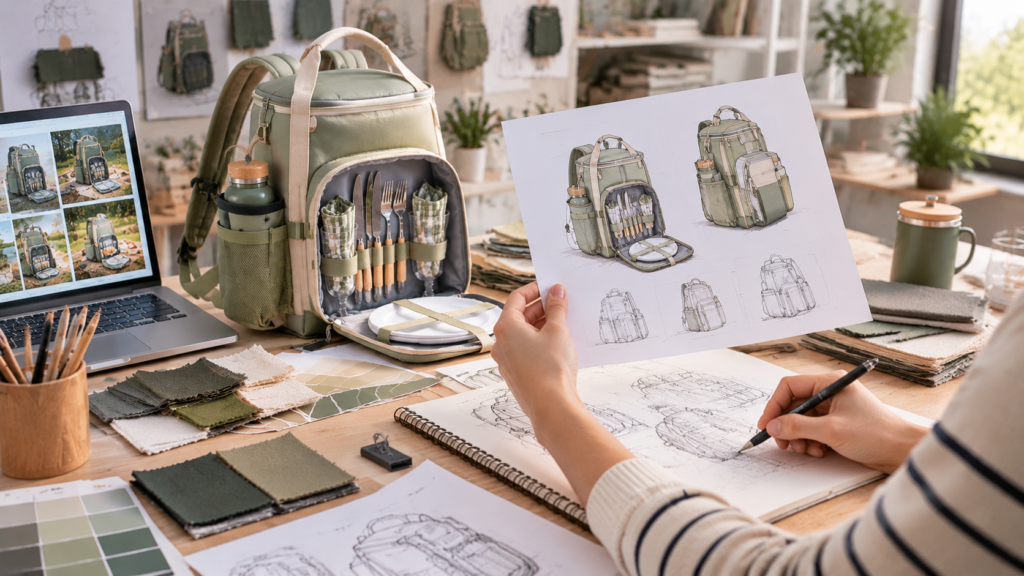
With manufacturing experience dating back to 2000, Aimazing Bag provides OEM and ODM development for custom insulated bags, including picnic products, wine carriers, cooler totes, and backpack-style designs.
Our development support includes:
- Custom Construction: Select exterior fabrics, insulation thickness, lining materials, and compartment layouts.
- Ergonomic Design: Adjust back panels, shoulder straps, and reinforcement according to the expected carrying load.
- Low MOQ: Custom orders can start from 100 pieces, depending on materials and design requirements.
- Sampling in 3–5 Days: Typical sampling target after confirming the design and available materials; complex custom components may require additional time.
- Quality Control: Review material specifications, manufacturing details, and agreed performance checks before shipment.
For example, a brand launching a two-size outdoor collection can develop a standard version and a small picnic backpack with coordinated colors, accessories, and branding.
This approach can simplify product development while allowing the two models to serve different customer needs.
Explore our custom picnic bag manufacturing solutions or learn more about Aimazing Bag.
Conclusion: Better Specifications Lead to Better Products
Capacity, insulation, carrying comfort, and accessory organization should all be considered before a product enters mass production.
For wholesale buyers, the most useful approach is to test actual contents, compare materials under consistent conditions, and agree on measurable quality requirements with the manufacturer.
Aimazing Bag supports brands throughout this process, from the first design discussion to sampling and bulk manufacturing.
Planning a custom outdoor dining bag collection? Share your target capacity, accessories, and market requirements with our team. Let’s discuss a practical OEM solution for your brand.