
Retail buyers rarely reject an outdoor dining bag because it lacks one more pocket. More often, problems show up after purchase: cutlery moves around, chilled drinks share space with dry napkins, or a bag that looks compact becomes uncomfortable once fully packed.
For brands and wholesale buyers, a successful two-person range starts with the way people actually eat outdoors. The product must hold a useful dining kit, offer sensible temperature control, remain comfortable on a short walk, and arrive at a price the intended customer will accept. Those priorities should guide design decisions long before a factory cuts fabric.
1. Designing a Picnic Backpack for 2 Without Unnecessary Bulk
The most efficient design starts with a packing list, not a predetermined liter capacity. A couple planning lunch in a park may need two plates, two sets of cutlery, reusable cups, napkins, food containers and a chilled drink. A trail-focused customer may prefer fewer accessories and more room for water and food.
For buyers developing their own assortment, define the intended use before selecting the shell dimensions:
- Dining components: Confirm exact quantities, dimensions and materials for two place settings.
- Food storage: Measure real containers and bottle heights rather than estimating from catalog photographs.
- Carry comfort: Assess the loaded bag, shoulder-strap placement and back-panel padding.
- Access: Make sure people can reach utensils without unpacking the entire cooler compartment.
- Weight: Compare the complete filled set, including accessories and ice packs, not just the empty bag.
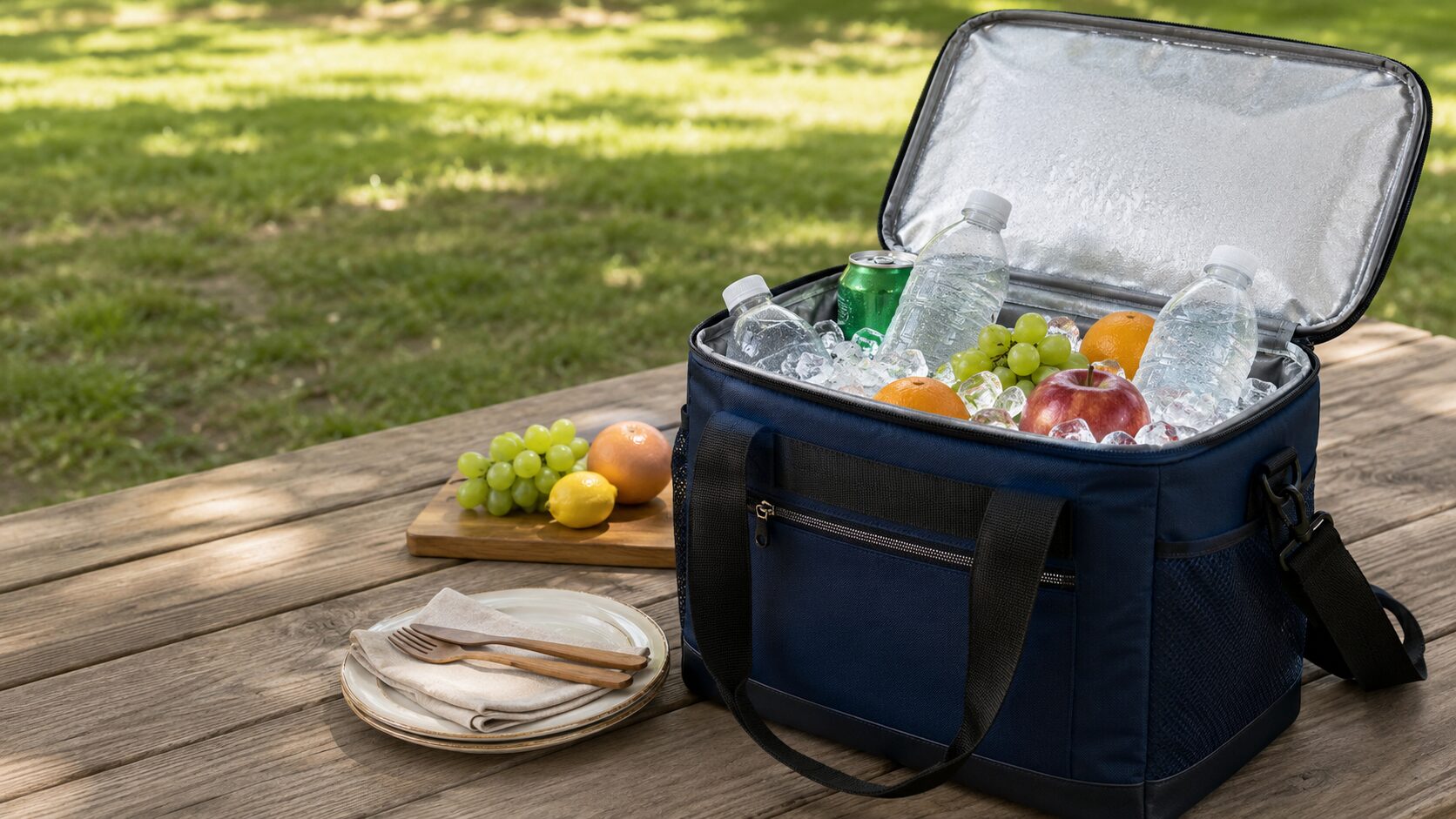
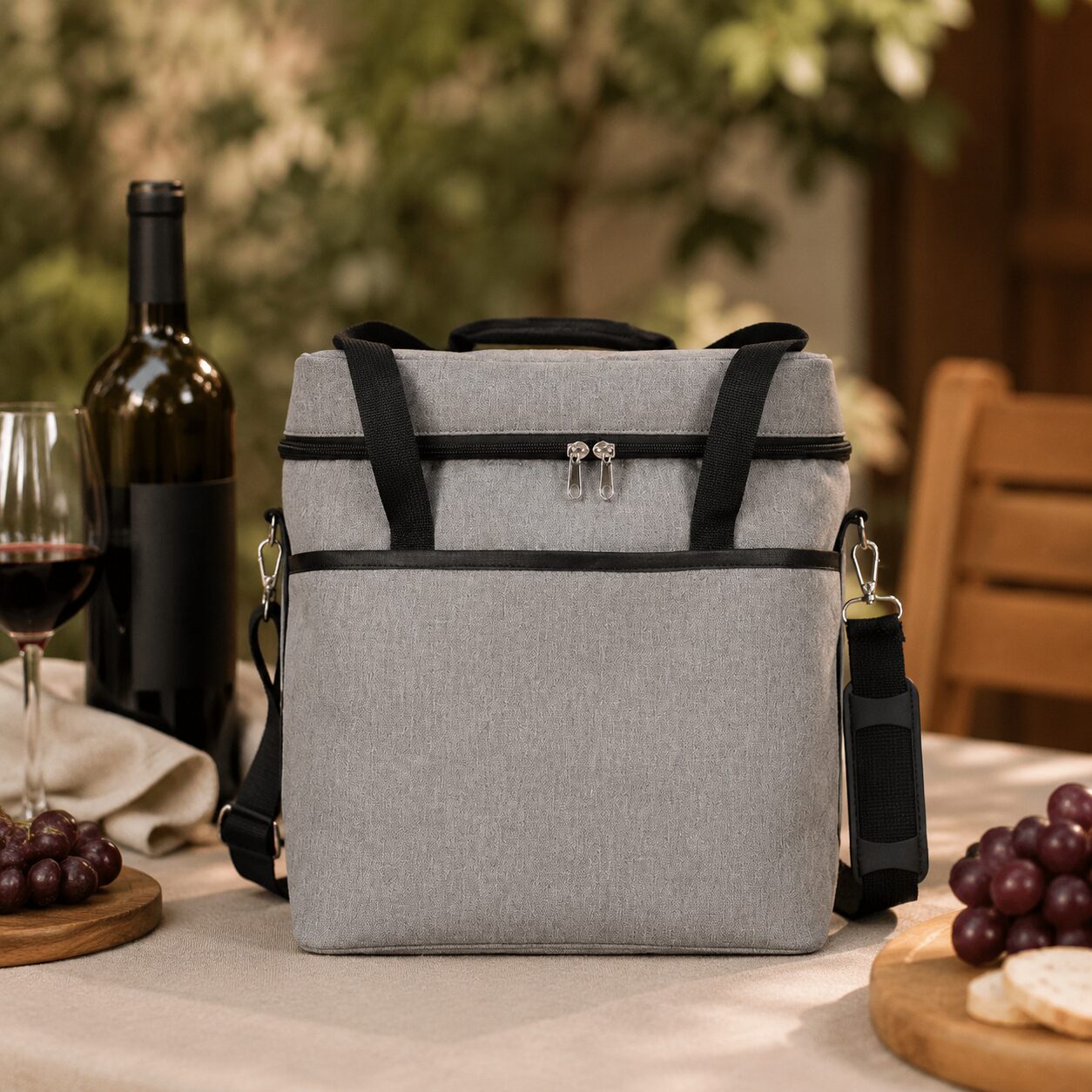
A vertical cooler shape can be a practical starting point when shelf footprint and hands-free carrying matter. For example, Aimazing’s Dual-Tone Vertical Insulated Picnic Backpack Cooler demonstrates a compact upright format. It is a design reference, not a claim that the standard product already includes a complete two-person tableware kit.
2. Organizing a Picnic Set for 2 Backpack Around Real Use
A picnic set for 2 backpack must protect its accessories while keeping them easy to retrieve. Elastic loops are useful for cutlery, but they need to match the actual handle widths. Oversized loops allow items to slip; overly tight loops make the product frustrating to use.
| Component | Practical design approach | What the buyer should check |
|---|---|---|
| Two plates | Padded sleeves or a secured flat pocket | Plate diameter, edge clearance and removal |
| Two sets of cutlery | Sized elastic loops or a removable roll | Fit with the approved utensils |
| Two cups or glasses | Padded holders or protective sleeves | Movement when the pack is carried |
| Napkins and small tools | Separate dry zipper pocket | Protection from condensation |
| Food and drinks | Accessible insulated compartment | Space remaining after ice packs are added |
Not every market needs wine glasses, a corkscrew or a blanket. Including every accessory may increase both unit cost and shipping weight without improving the customer’s experience. Buyers can instead offer a simple everyday edition and a gift-oriented edition using a shared exterior style.
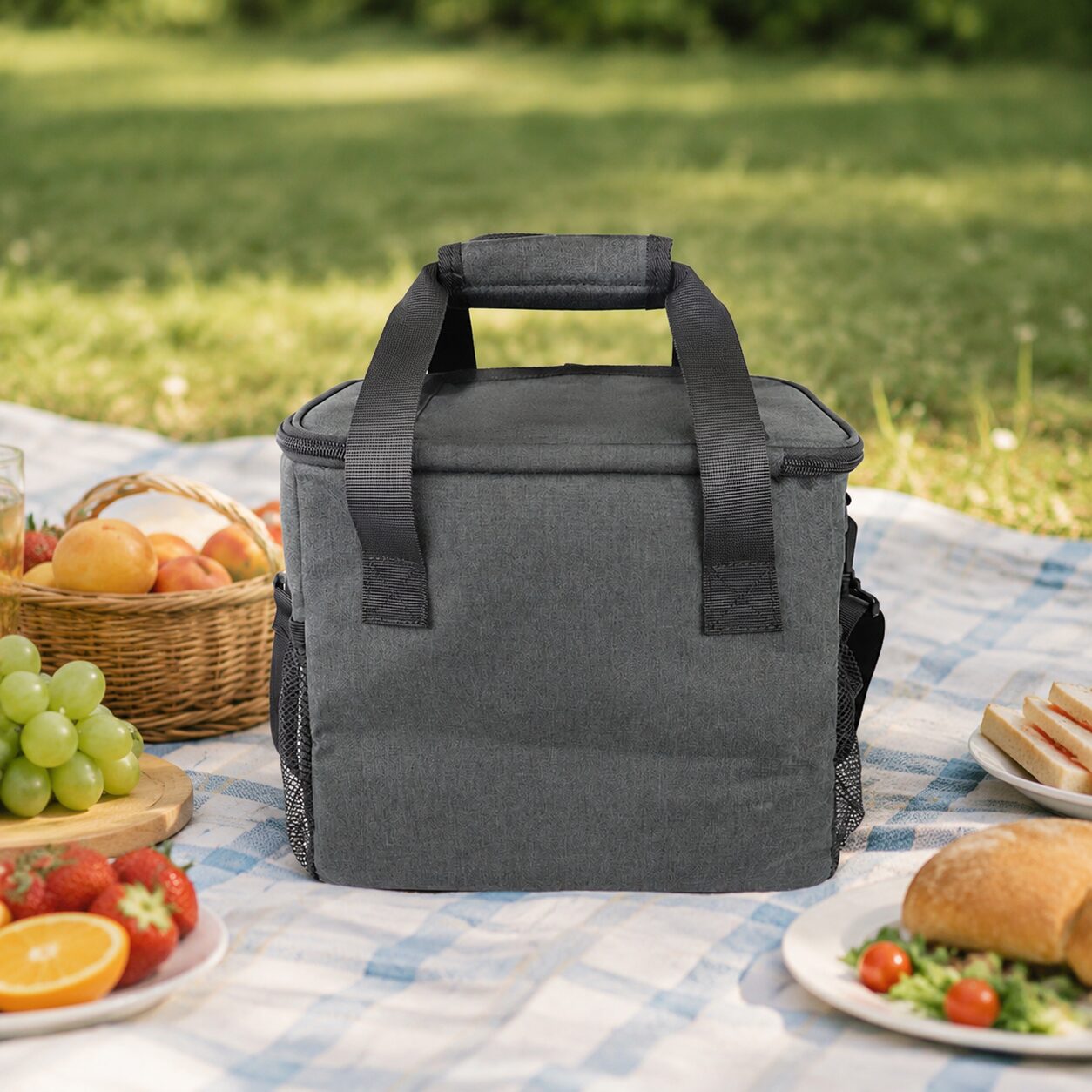
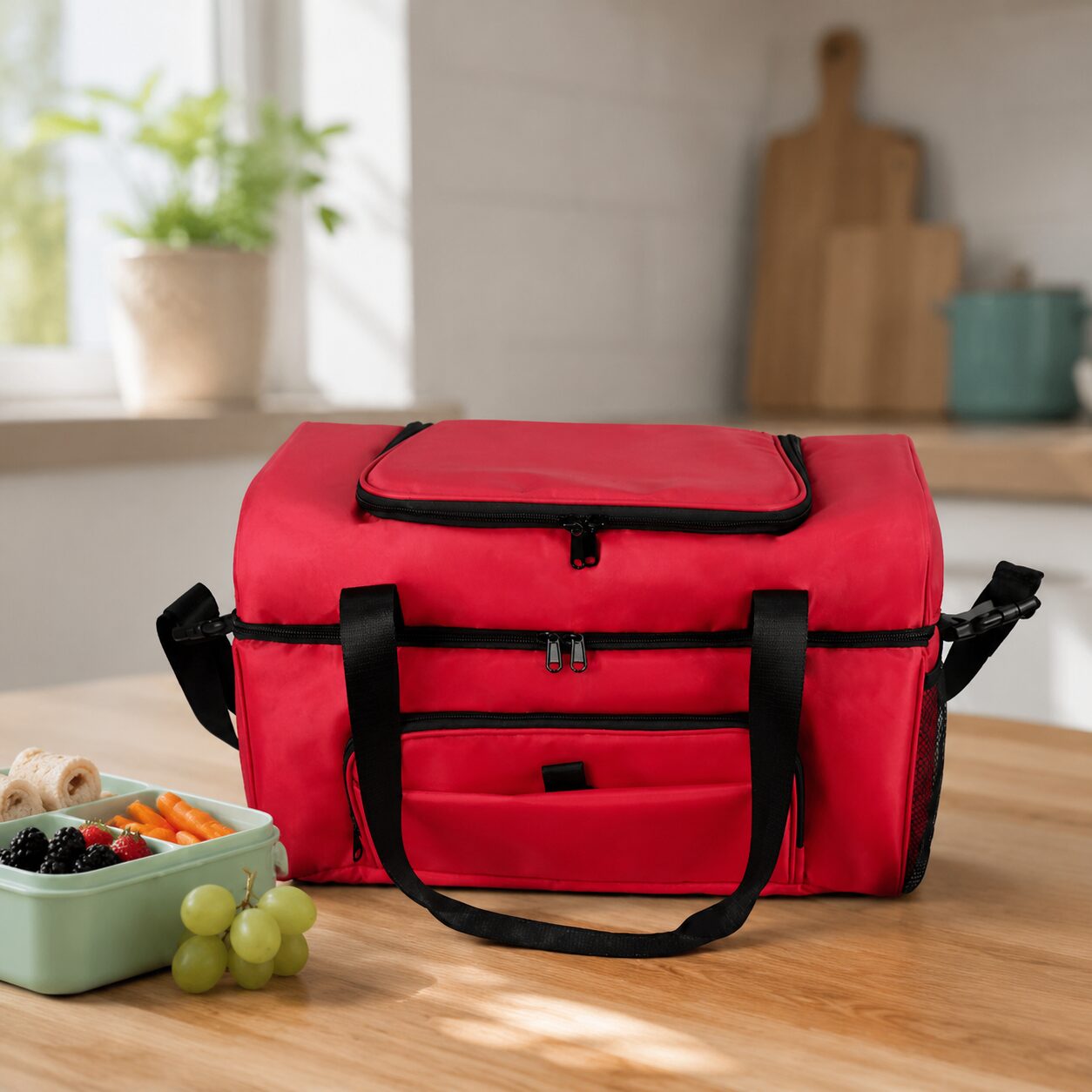
A well-designed picnic backpack for 2 should also be easy to inspect at the sample stage. Fill it with the actual utensils, close it, walk with it and unpack it. This reveals issues that an attractive product photograph cannot show. Aimazing’s Outdoor Backpack-Style Insulated Picnic Cooler Bag provides a reference for combining insulated storage and multiple exterior pockets in a backpack format.
3. Thermal and Moisture Control in a Picnic Backpack for Two
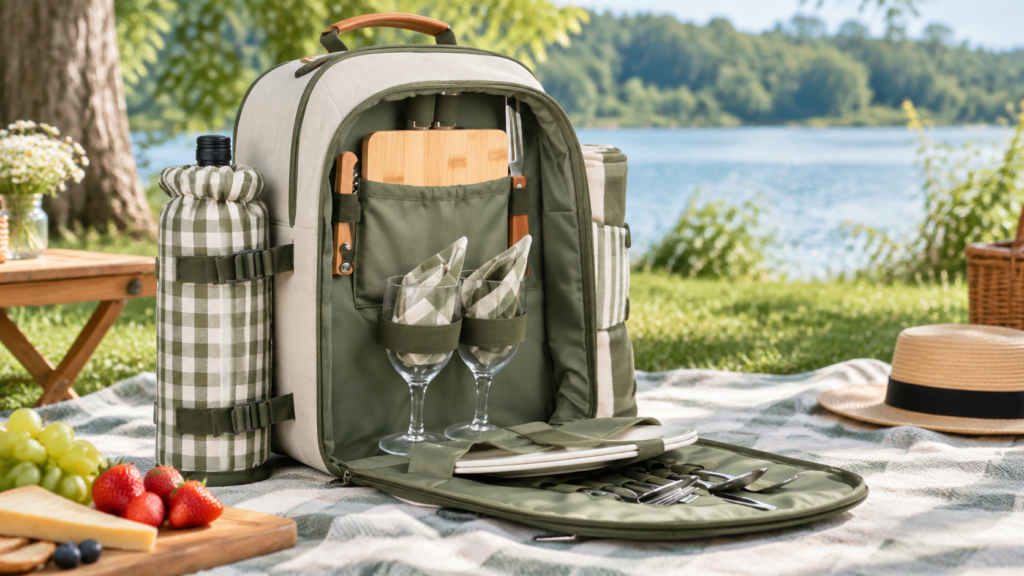
The most practical picnic backpack for two usually separates chilled food storage from a dry area for utensils and textiles. A single open compartment may be cheaper to sew, but it is harder to organize and may expose napkins or accessory packaging to condensation.
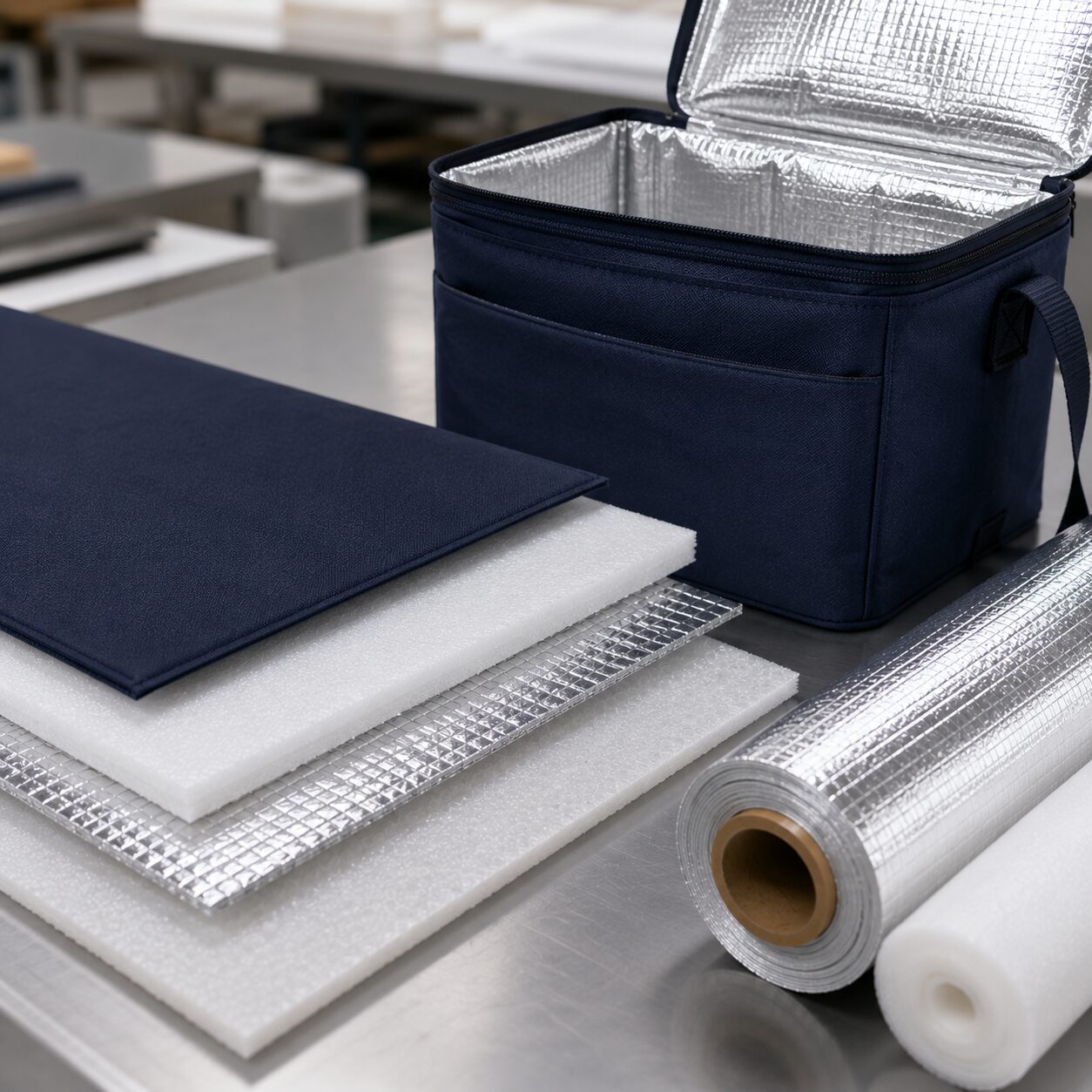
Common material options include a water-resistant polyester or nylon shell, a closed-cell foam insulation layer, and a wipe-clean PEVA or other suitable interior lining. The foam slows heat transfer; the ice pack supplies cooling. Neither material alone guarantees that food will stay cold for a fixed number of hours.
Construction choices should follow the use case:
- Dry snacks and sealed containers: A stitched, easy-clean liner may be sufficient.
- Ice packs and occasional condensation: Pay particular attention to liner seams, corners and zipper placement.
- Loose or melting ice: Consider a compatible heat-welded liner, then validate the assembled compartment for leakage. A welded liner does not make the entire backpack waterproof.
- Direct food contact: Specify the relevant market’s requirements and request appropriate material documentation rather than assuming that every PEVA film is automatically compliant.
Ask the supplier to perform a repeatable temperature test using the same ambient temperature, starting food temperature, ice-pack quantity, load and opening schedule. This gives the buyer comparable results across samples. Aimazing’s custom picnic bag range shows the types of outer fabrics, insulation options and linings that can be considered during OEM development.
4. Extending the Collection to a Picnic Backpack for 4
A brand moving to an insulated picnic backpack for 4 should review the entire load plan rather than simply double the width of a couples’ model. Four place settings may be heavier, but the food volume, drinking accessories and carrying distance do not necessarily double in the same proportion.
| Planning factor | Two-person format | Four-person format |
|---|---|---|
| Tableware | Two matched place settings | Four sets with additional protection against movement |
| Cooling space | Compact meal and beverage storage | Larger food containers and more ice-pack allowance |
| Carrying system | Adjustable padded straps | Wider load distribution and additional reinforcement as needed |
| Internal organization | Compact accessory panel | Expanded or modular accessory panel |
| Packaging | Review how the finished kit fits in a carton | Reassess packed dimensions and total shipping weight |
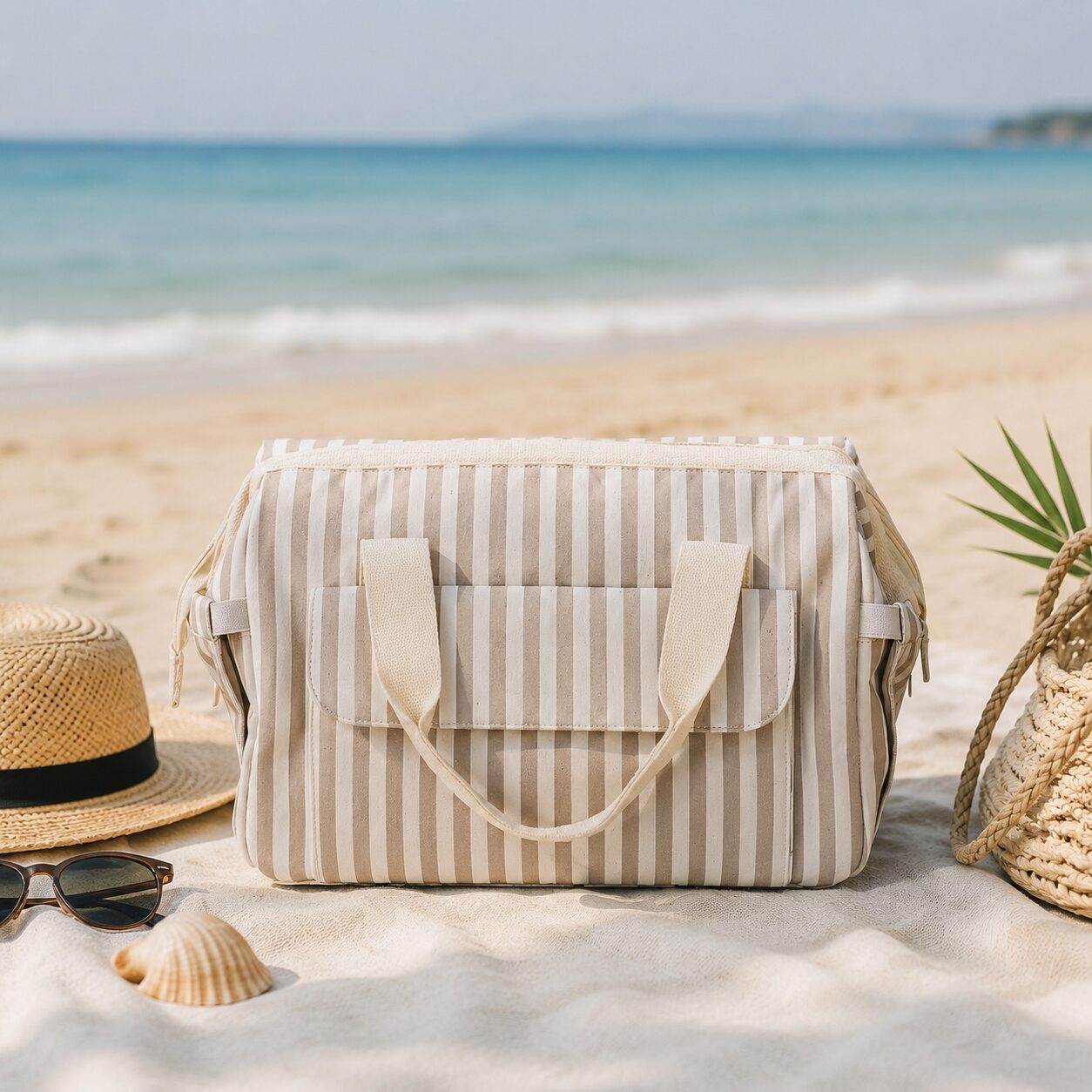
Some brands may benefit from a second design built around a foldable structure. Aimazing’s Camp Foldable Insulated Picnic Cooler Tote offers a related product concept for buyers considering space-saving formats. However, a tote and a backpack have different carrying requirements and should not be treated as interchangeable products.
Using shared colors, logos, accessories and compatible materials across a product family can simplify sourcing and maintain brand consistency. Sharing an exterior aesthetic does not automatically mean both sizes can use the same cutting patterns or tooling.
5. What Makes the Best Picnic Backpack for 2 for Your Market?
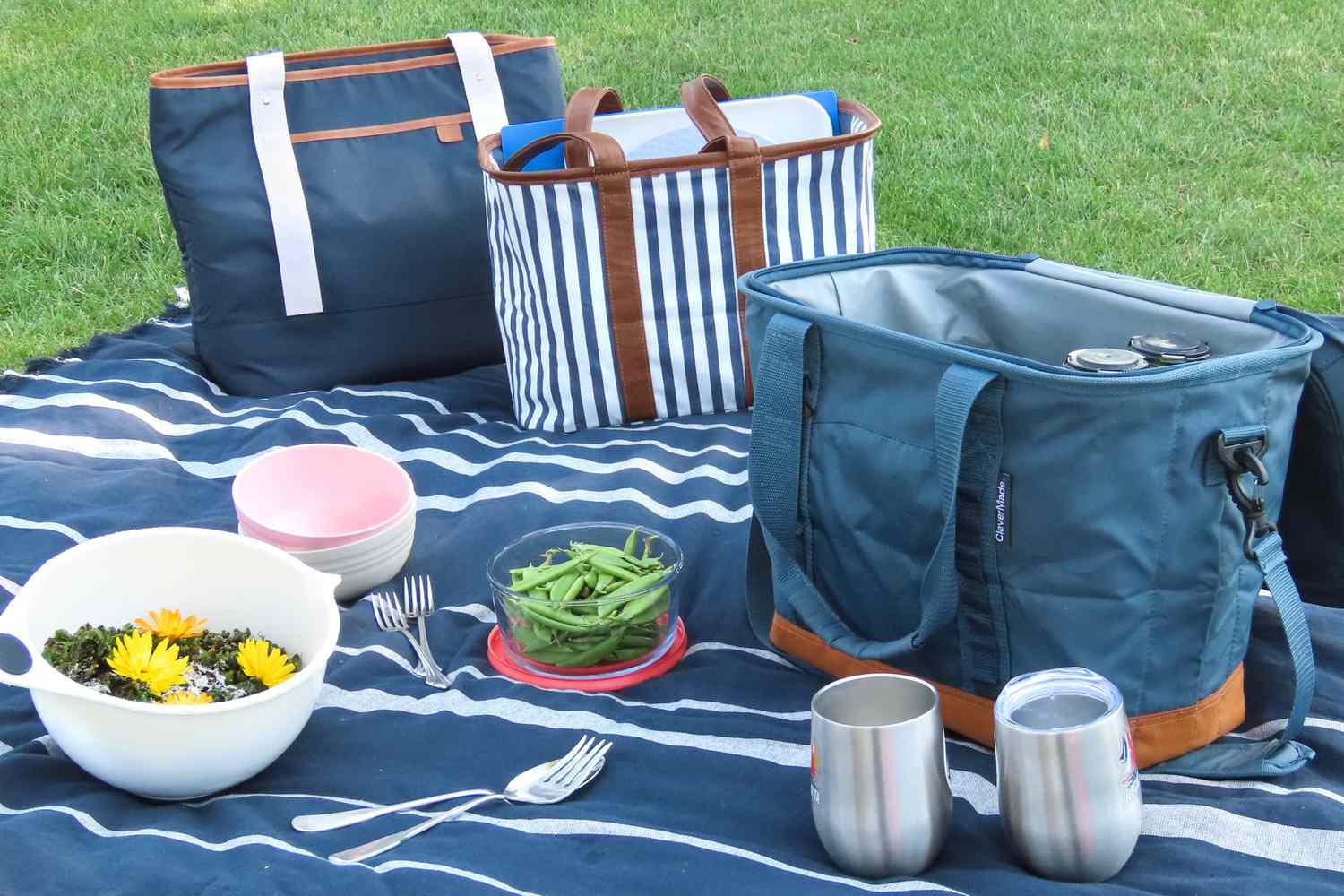
The purchasing decision should be based on the needs of a defined retail audience, not a universal ranking. A premium gift retailer may value coordinated tableware and presentation. An outdoor shop may prioritize abrasion resistance, carry comfort and simple cleaning. A promotional distributor might prefer a streamlined kit with fewer components.
Consider three commercial versions:
- Essential: Functional insulated space, basic organizer and accessible price point.
- Lifestyle: Coordinated colors, more refined trim and a useful two-person dining accessory set.
- Premium gift: Elevated packaging, optional blanket or glassware protection, and customizable branding details.
Every added component has a cost beyond its purchase price. It can require a new elastic size, protective wrap, insert, inspection step or larger carton. For this reason, the best picnic backpack for 2 is the version that meets the buyer’s verified performance and presentation requirements without adding features that shoppers are unlikely to value.
Instead of requesting only a unit price, ask for a quotation that separates the bag, dining accessories, branded components and packaging. That makes it easier to compare suppliers and adjust the specification without losing track of the total landed-cost target.
6. A Documented Aimazing Cooler-Bag Project: What It Shows About OEM Development
A useful example appears in Aimazing’s published cooler-bag case studies. A customer identified as Aria wanted a lightweight, stylish insulated bag for everyday food and beverage use. The priorities included portability, consistent cooling and an appearance suitable for lifestyle and outdoor occasions.
According to the published account, the team responded to the brief by refining the insulation structure, reinforcing the base for better stability and incorporating a more leak-resistant lining. The project went through two sampling rounds before the customer approved the final version and production proceeded. The case study also reports favorable feedback after delivery.
This is an actual cooler-bag project described by Aimazing, not a claim that Aria ordered a two-person dining backpack. Its relevance is the development method: start with a customer’s use case, identify problems in the structure, evaluate a physical sample, then confirm details before bulk production.
The same approach can help a picnic brand avoid a common sourcing mistake: approving the outside appearance while leaving the accessory dimensions, liner construction or loaded-bag comfort unresolved. A capable OEM partner should be willing to discuss those trade-offs and document the agreed solution—not simply quote against a reference image.
7. From Sample Approval to Wholesale Production
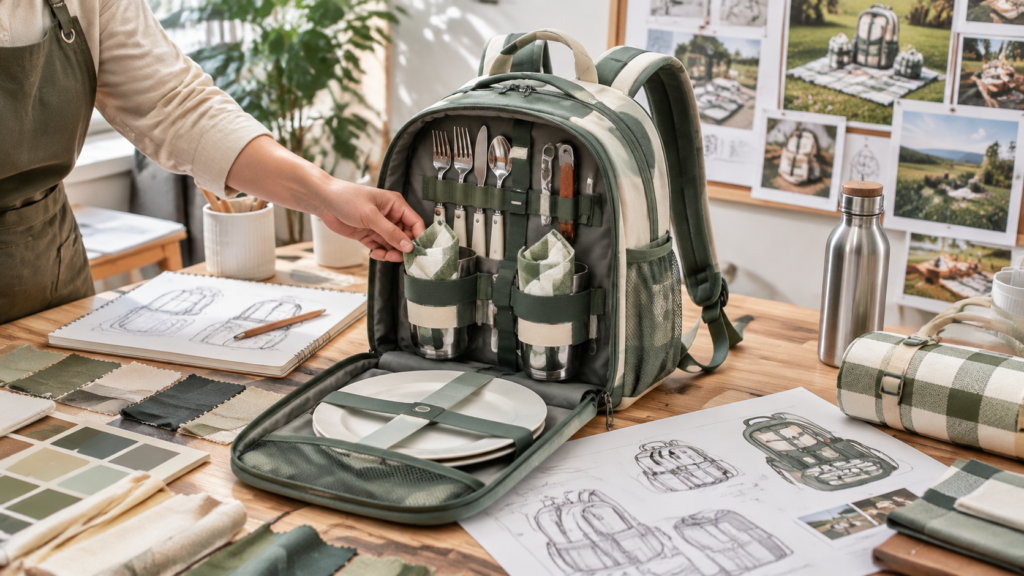
Before requesting a quotation for a custom picnic backpack for 2, prepare a brief with the target customer, complete component list, approximate bag dimensions, preferred shell fabric, lining, insulation, branding, expected quantity, retail price positioning and destination market.
Then align the sampling and production process around measurable checkpoints:
- Review the concept: Confirm the load plan, accessory dimensions, compartment arrangement and styling direction.
- Build a functional sample: Test real plates, cups and food containers in the prototype, not substitute props.
- Assess performance: Check stitching, strap attachment, zipper access, liner leakage where relevant, and cooling under defined conditions.
- Approve a production reference: Record material specifications, colors, trim, packaging and any changes made after testing.
- Inspect the batch: Compare production against the approved reference and agreed acceptance criteria.
Aimazing supports OEM/ODM picnic-bag development, including customization of size, fabrics, insulation, logos and compartment layouts. Its picnic bag product collection provides examples of available design directions, and stated minimum order quantities begin at 100 pieces depending on the selected specification.
When adding an insulated picnic backpack for 4 to the collection, keep the same approval discipline but retest load distribution, accessory security and carton dimensions for the larger configuration. Scaling should preserve usability and brand consistency without assuming the two-person design will perform identically at a different size.
Conclusion
Compact picnic gear succeeds when the layout is developed for actual meals, not for a product photo. Secure tableware, sensible insulation, comfortable carrying and realistic cost planning matter more than exaggerated capacity or unsupported cooling claims.
For brands, importers and distributors, the strongest manufacturing relationship is one in which the factory helps turn a commercial brief into testable specifications and repeatable production. Share your target market, accessories and design references with Aimazing to explore an OEM or private-label concept suited to your collection.