
For U.S. brands, importers and wholesalers sourcing insulated bags from China, the September 2026 U.S.–China “30-for-30” framework is worth watching closely.
But there is an important distinction:
The framework does not currently mean that cooler bags from China have received a tariff reduction.
Instead, it creates a product-specific mechanism under which selected non-sensitive products may receive more favorable tariff treatment.
For the cooler bag industry, the bigger question is therefore not simply whether tariffs are lower today.
It is:
How could a changing tariff environment affect cooler bag sourcing, product development and supply-chain decisions over the next few years?
The answer connects three areas:
Trade Policy → Sourcing Strategy → Product Development
1. What Is the U.S.–China “30-for-30” Framework?
In September 2026, the United States and China published terms of reference for a new trade framework commonly referred to as “30-for-30.”
The two sides identified product lists representing approximately $30 billion in annual trade in each direction, using 2024 bilateral trade data as the reference.
The U.S. list contains 77 HTSUS tariff lines recommended for reduced tariff treatment.
The listed products include selected:
- household products;
- textiles;
- toys;
- sporting goods;
- small appliances;
- fishing equipment;
- Christmas decorations;
- vacuum flasks and related products.
However, the framework is not a blanket tariff reduction for Chinese goods.
The actual tariff treatment depends on the specific HTSUS classification and subsequent legal implementation.
This distinction is particularly important for cooler bag buyers.
2. Are Cooler Bags Already Included?
Not under the current published U.S. list.
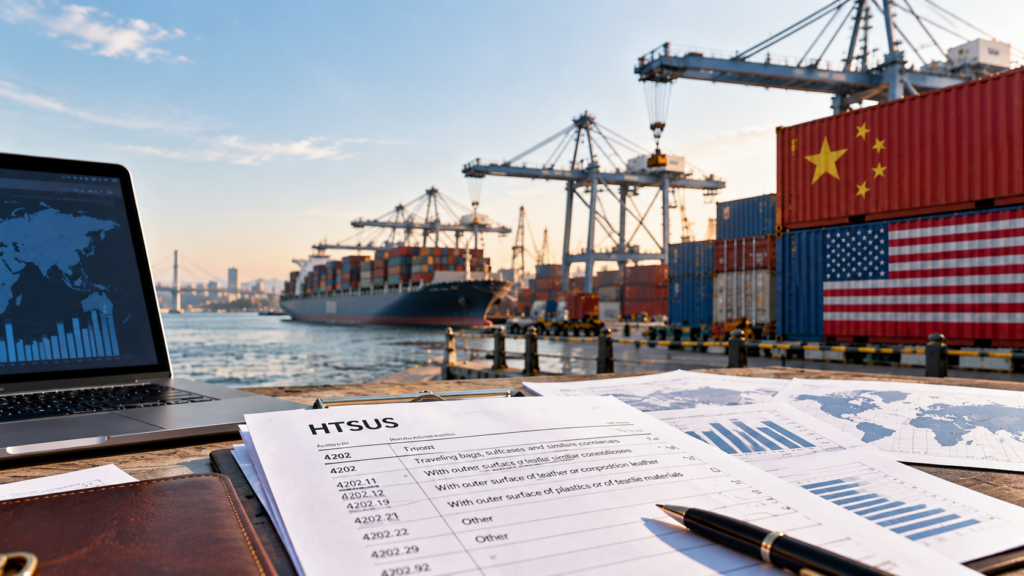
Many reusable insulated food and beverage bags are classified under HTSUS heading 4202, depending on their construction and materials.
The currently published 30-for-30 U.S. list does not include heading 4202.
Therefore, buyers should not currently calculate their cooler bag landed costs on the assumption that the 30-for-30 framework has already reduced the applicable tariffs.
This is one of the most important points for U.S. importers.
A product being made from textile materials does not automatically mean it receives the same tariff treatment as another textile product.
Customs treatment follows the exact tariff classification.
That means the first question for a buyer should always be:
What is the exact HTSUS classification of this cooler bag?
Only after that should the buyer calculate applicable duties and landed cost.
3. Why Does 30-for-30 Still Matter to Cooler Bag Sourcing?
If cooler bags are not currently included, why should the industry care?
Because the framework establishes a mechanism that can potentially be expanded.
The official framework allows the two sides to discuss future expansion to additional products.
That creates an important possibility for consumer-product industries.
It also signals that future tariff decisions may increasingly be made at the specific product and HTSUS level, rather than through one blanket rule covering all Chinese imports.
For cooler bag buyers, this means tariff planning should become part of sourcing strategy.
Instead of asking:
“Will China tariffs go down?”
buyers should ask:
“What is our current tariff exposure, and how would our sourcing strategy change under different tariff scenarios?”
4. From FOB Price to Total Landed Cost
Traditional cooler bag sourcing often starts with one question:
“What is your FOB price?”
But tariffs have made this approach less useful.
The real purchasing calculation is closer to:
FOB Price + Duty + Freight + Compliance + Packaging + Quality Cost + Inventory Risk
For example, a factory offering a lower unit price may not necessarily produce the lower landed cost if it has:
- weaker carton utilization;
- higher defect rates;
- longer lead times;
- more expensive packaging;
- more sample revisions;
- higher replacement rates.
This is why future cooler bag sourcing from China should focus on total commercial cost rather than factory quotation alone.
5. How the Sourcing Model Is Changing
The traditional process was:
Reference Image → Sample → Quotation → Bulk Production → Shipment
The emerging model is more strategic:
Market Requirement
↓
Target Retail Price
↓
Target Landed Cost
↓
Tariff Scenario
↓
Product Engineering
↓
Prototype
↓
Production
This change matters because trade policy can affect the economics of the final product.
If tariffs remain high, buyers need better cost engineering.
If tariffs decline in the future, buyers may use the additional margin to improve product quality, launch more SKUs or become more competitive.
Either way, the supplier needs to be involved earlier.
6. Six Cooler Bag Categories to Watch
Different cooler bag categories will respond differently to changes in sourcing economics.
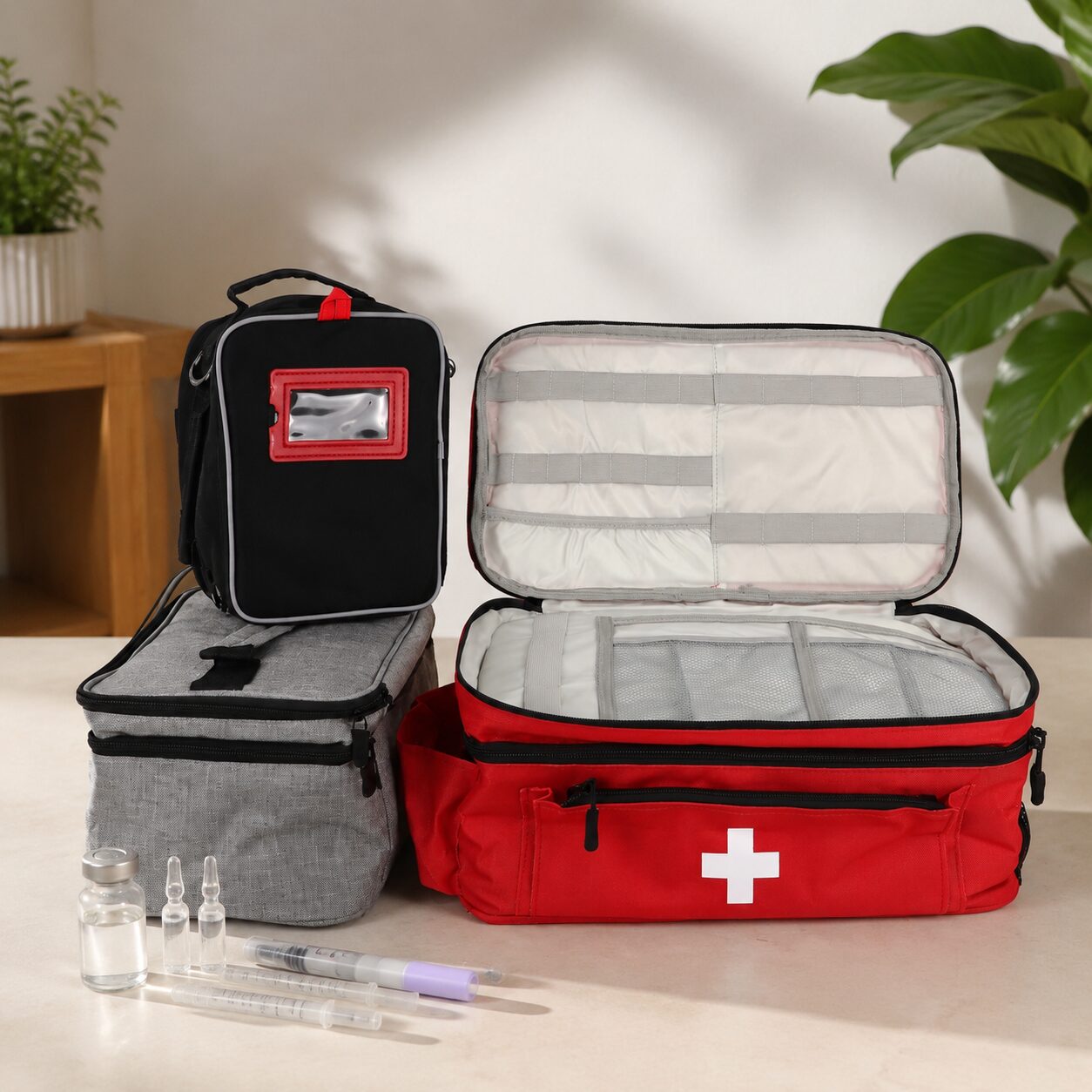
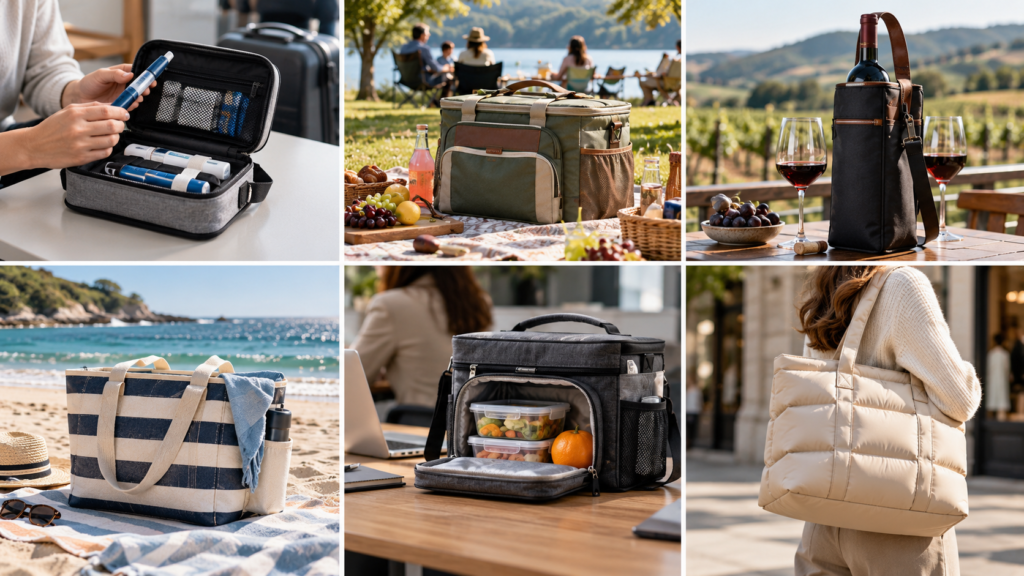
Insulin Cooler Bags
Insulin bags require more than basic insulation.
Important development factors include:
- thermal organization;
- internal compartments;
- portability;
- ice-pack positioning;
- protective construction.
For this category, potential future cost savings could be reinvested into better organization and temperature-management design rather than simply reducing price.
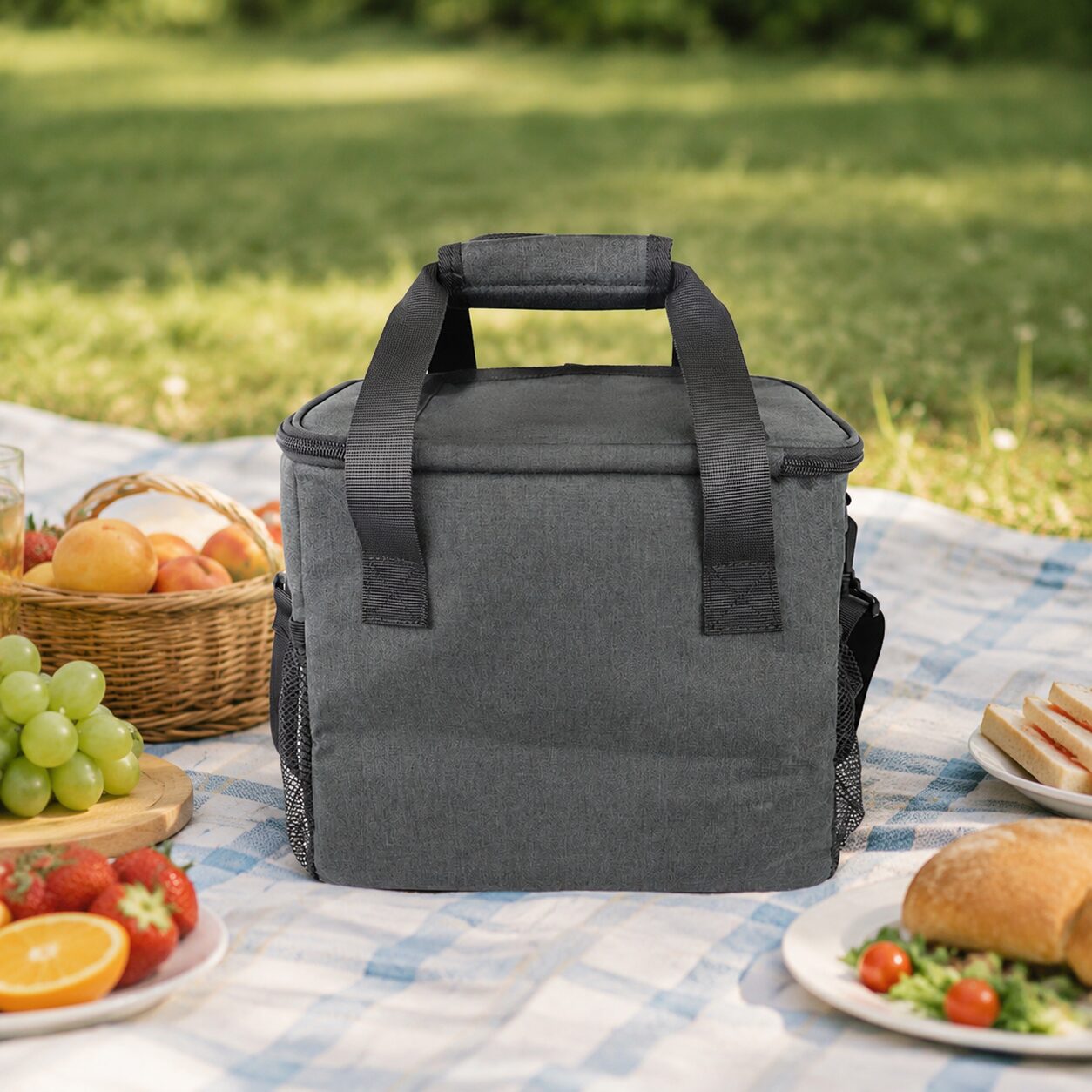
Picnic Cooler Bags
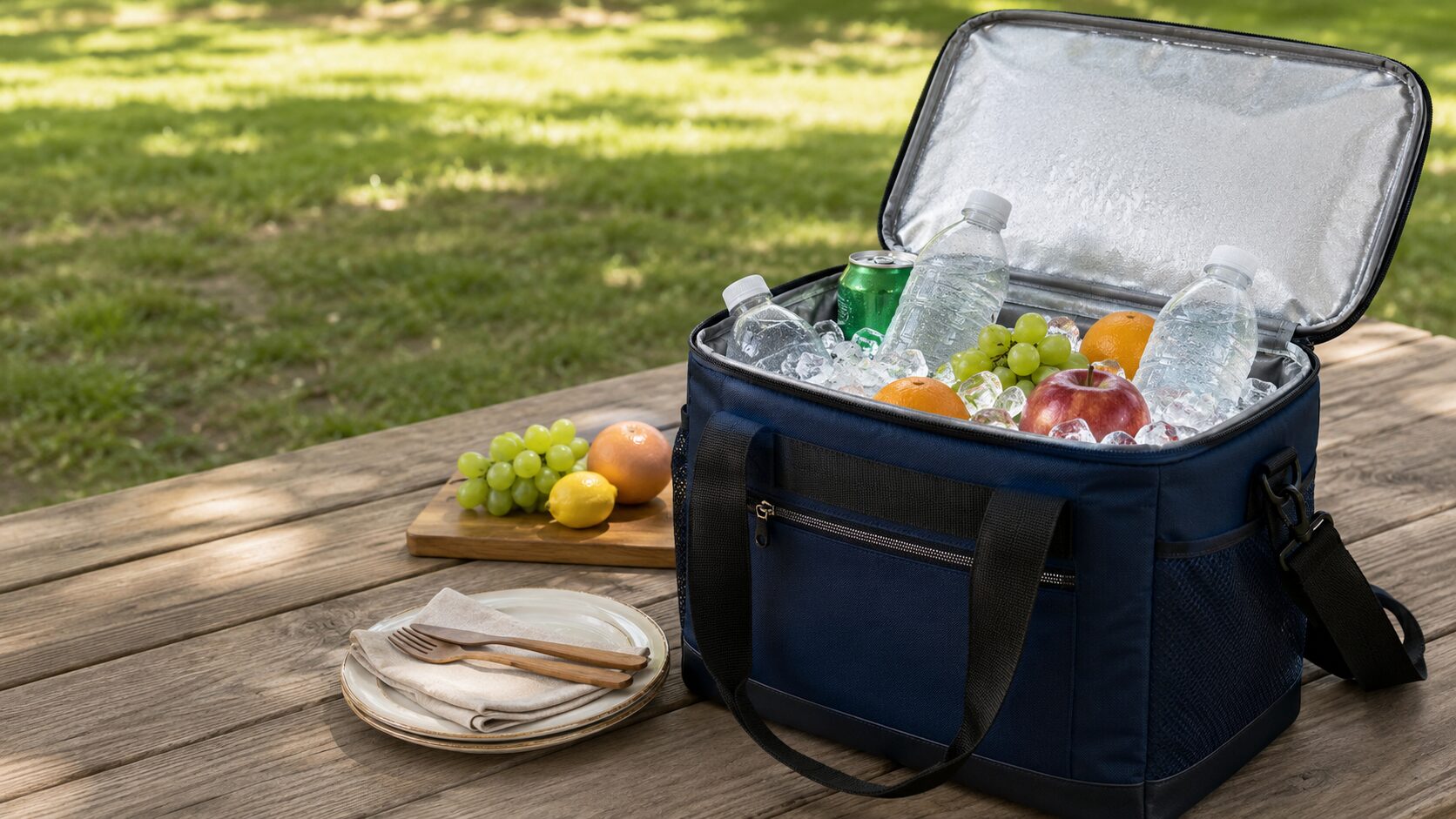
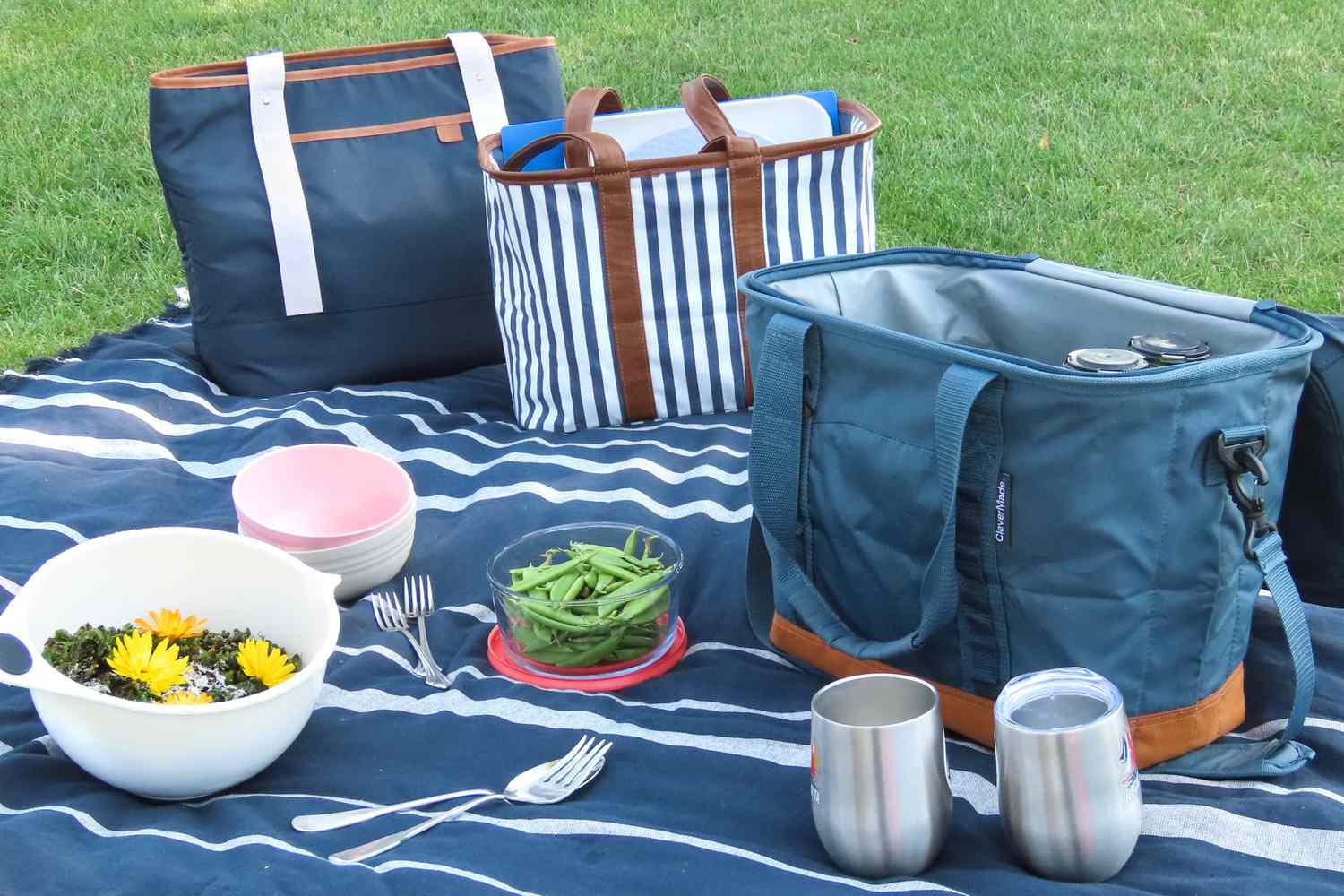
Picnic bags increasingly combine thermal performance with lifestyle design.
Potential features include:
- bottle compartments;
- detachable sections;
- external pockets;
- reinforced bases;
- shoulder straps.
For brands targeting outdoor and family markets, appearance can be nearly as important as capacity.
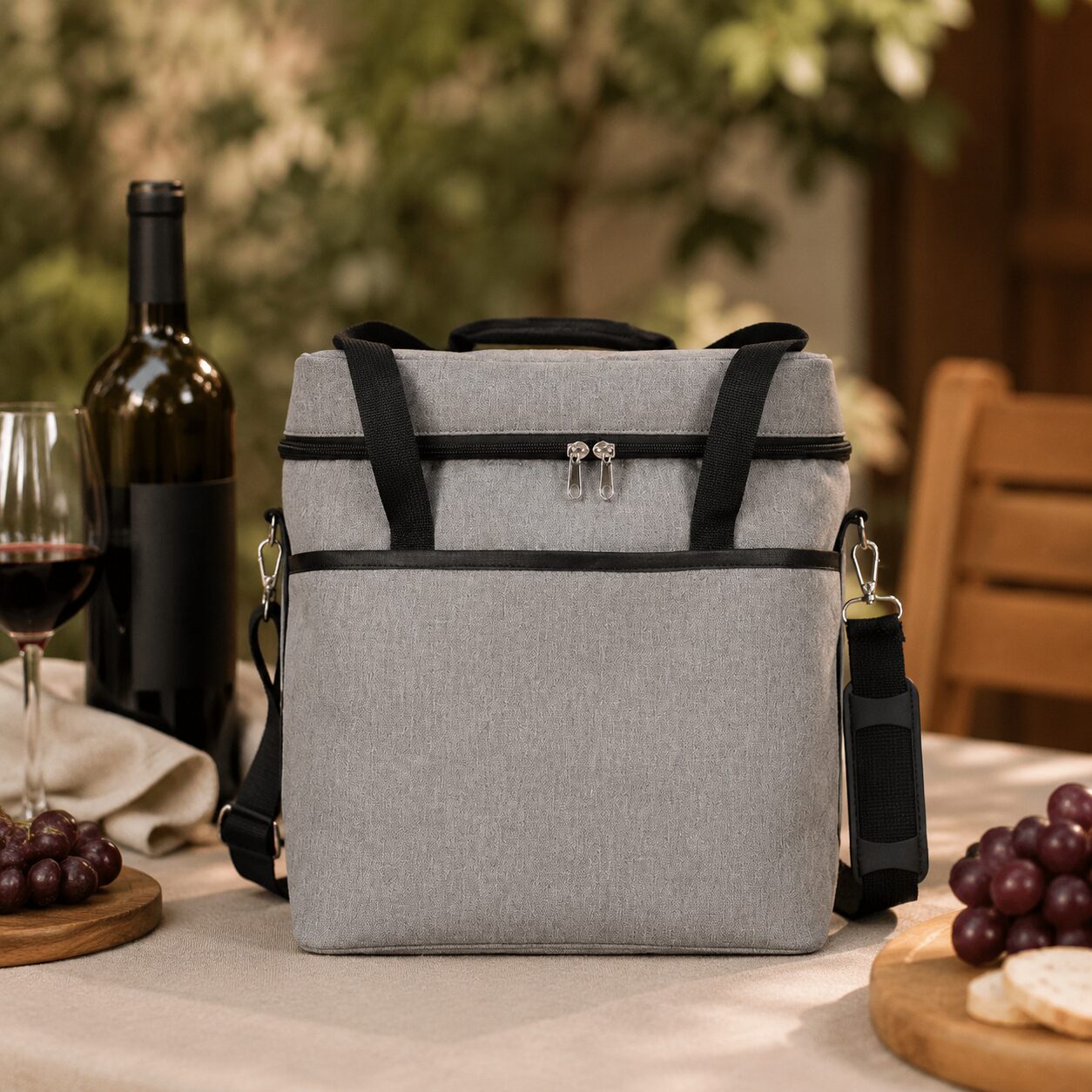
Wine Cooler Bags
Wine bags sit between thermal packaging and premium gifting.
Higher-value designs can use:
- bottle dividers;
- reinforced handles;
- premium fabrics;
- custom hardware;
- structured bottoms.
If landed costs become more favorable in the future, brands may have more room to upgrade the perceived value of the product.
Beach Cooler Bags
Beach coolers need to balance:
Capacity + Portability + Lifestyle Appearance
Large tote-style structures, wide openings, external pockets and easy-clean linings can make the product more suitable for beach and travel markets.
The category is increasingly moving away from purely functional cooler designs toward lifestyle products.
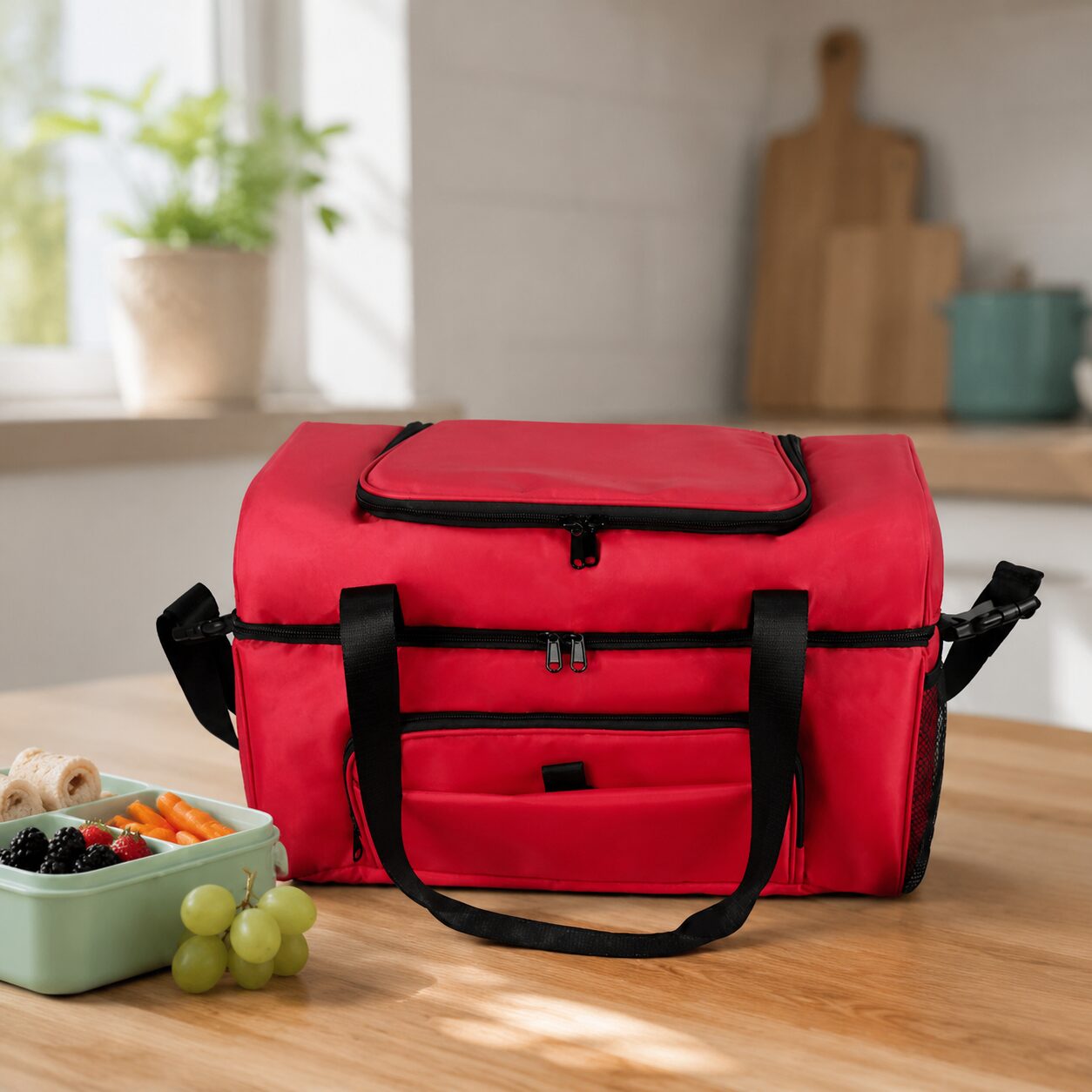
Lunch Cooler Bags
Lunch bags are highly competitive and often price-sensitive.
This makes differentiation important.
Brands can compete through:
- expandable structures;
- bottle pockets;
- removable straps;
- easy-clean interiors;
- better organization;
- fashion-oriented materials.
The goal is not always to make the product cheaper.
It can also be to make the same product more valuable.
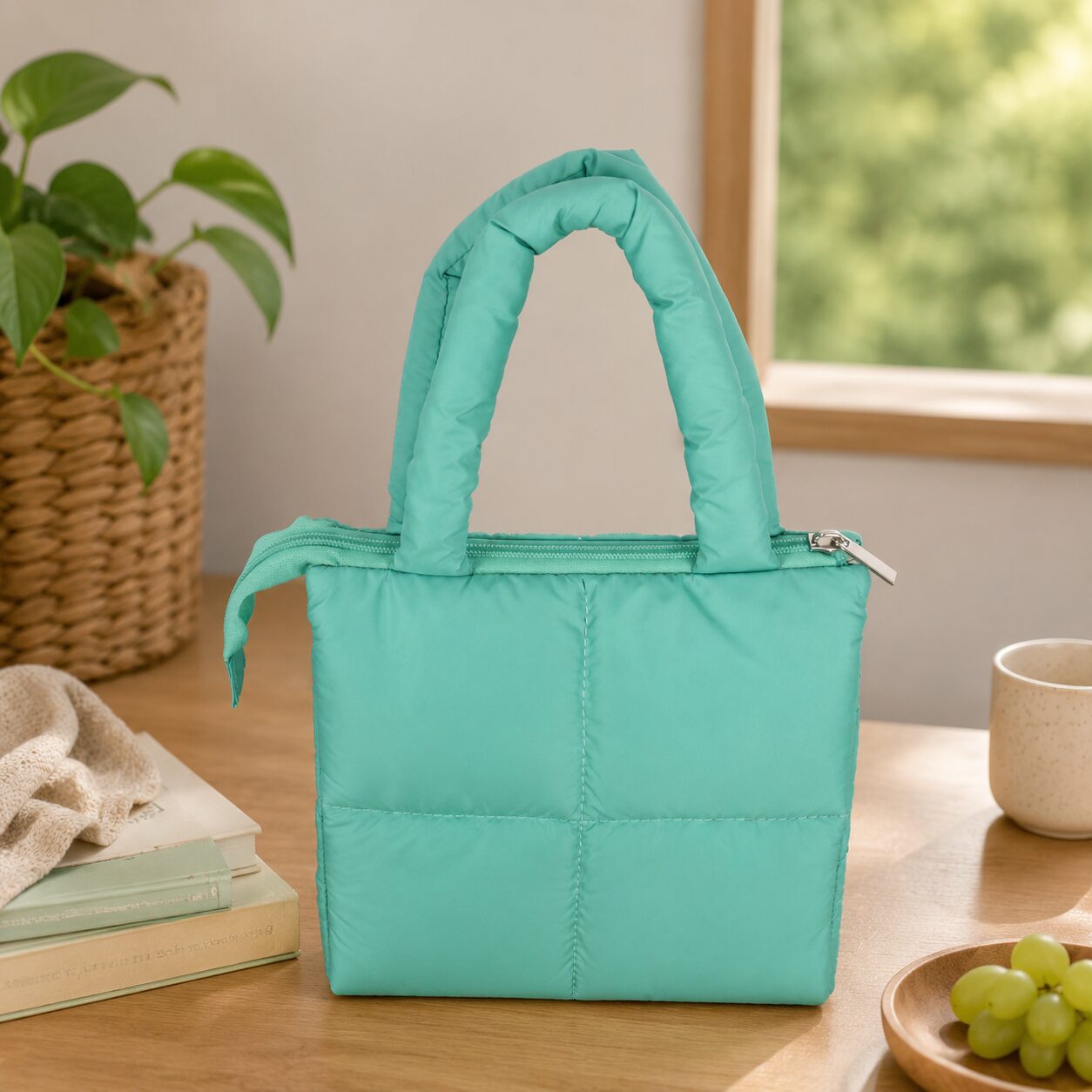
Puffy Cooler Bags
Puffy cooler bags combine insulation with fashion-oriented construction.
The challenge is maintaining the soft appearance while ensuring:
- reliable stitching;
- functional insulation;
- zipper performance;
- handle strength;
- stable structure.
This is a good example of why cooler bag sourcing increasingly requires manufacturing and product-development expertise together.
7. What U.S. Buyers Should Do Now
The most practical response to tariff uncertainty is not to wait.
1. Verify HTSUS classification
Know exactly how every cooler bag SKU is classified.
2. Calculate current landed cost
Include duty, freight, packaging and other import costs.
3. Build multiple scenarios
Prepare at least:
- current tariff scenario;
- partial tariff-reduction scenario;
- broader tariff-reduction scenario.
These are planning models, not predictions.
4. Review product architecture
Look for opportunities to optimize:
- insulation thickness;
- fabric;
- hardware;
- packaging;
- carton size;
- shared materials across SKUs.
5. Develop products early
Product development takes longer than tariff announcements.
Sampling, testing, packaging and production planning all require time.
A buyer that waits until tariff treatment changes may already be behind the market.
8. Why OEM and ODM Capability Matter More
OEM works well when the buyer already has a complete specification.
But many brands now need more support.
They may know the market they want to target without knowing exactly how the bag should be built.
For example:
“We need a premium picnic cooler for U.S. outdoor consumers.”
The supplier may then help develop:
- dimensions;
- compartments;
- insulation;
- fabric;
- hardware;
- carrying system;
- branding;
- packaging.
That is ODM development.
As cooler bag competition becomes more sophisticated, ODM capability can become more valuable than simply offering the lowest sewing price.
9. From Cooler Bag Manufacturer to Cooler Bag Partner
Trade policy cannot be controlled by a factory.
But a capable supplier can help a buyer adapt to changing commercial conditions.
If costs increase, the supplier can help evaluate:
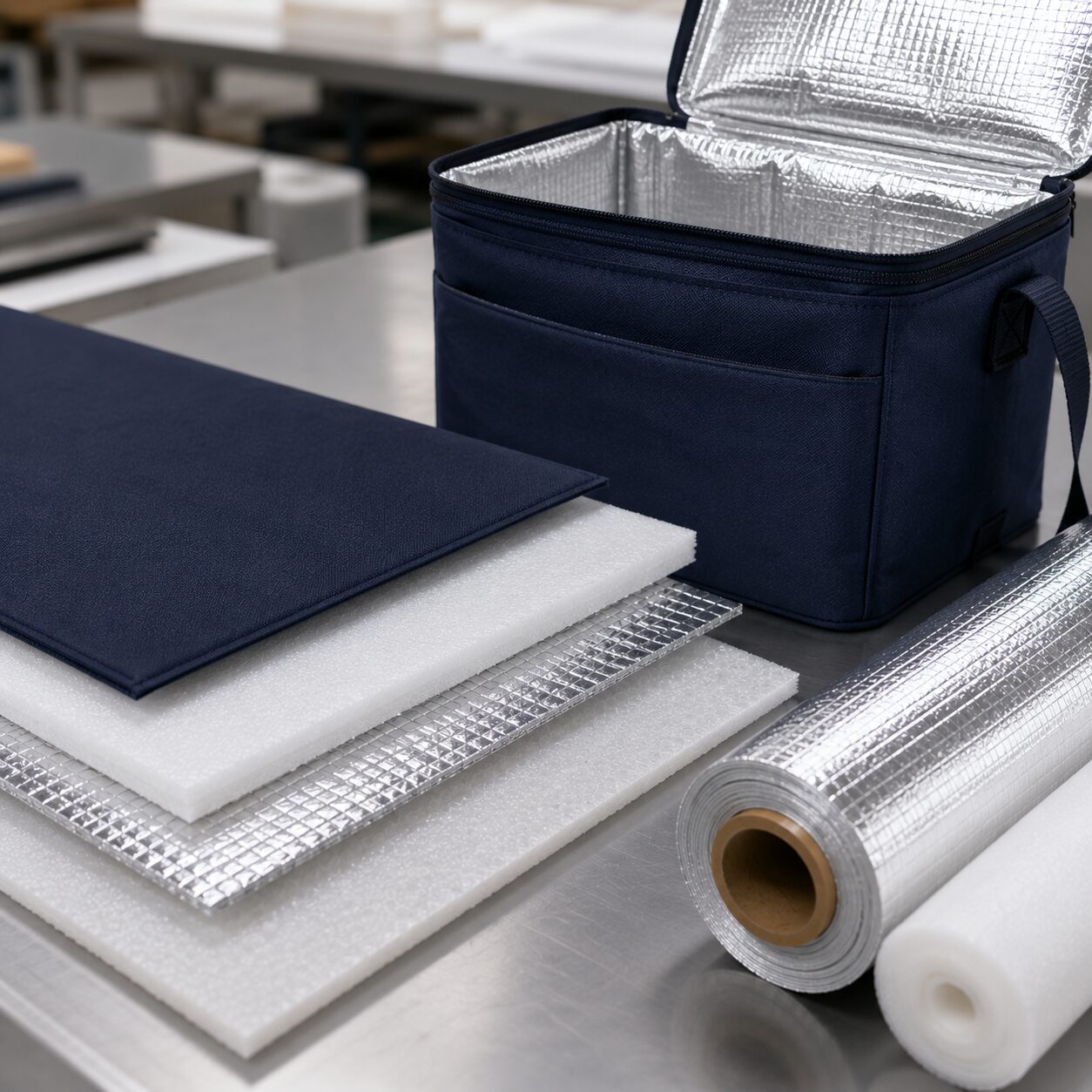
- alternative materials;
- simpler structures;
- packaging optimization;
- shared components.
If costs decrease, the buyer may instead invest in:
- better insulation;
- premium fabrics;
- stronger hardware;
- new functions;
- additional SKUs.
This is why the supplier relationship is changing.
A traditional manufacturer asks:
“What specification should we produce?”
A development partner also asks:
“What market are you trying to build this product for?”
At Aimazing, our role is built around this broader process:
Concept → Material Selection → Structure Development → Sampling → QC → Bulk Production
We support OEM and ODM cooler bag projects, including:
- insulin bags;
- picnic bags;
- wine cooler bags;
- beach cooler bags;
- lunch bags;
- puffy cooler bags.
Depending on the project, we can support low-MOQ development, custom materials, branding, sampling and mass production.

10. The Bigger Picture
The 2026 U.S.–China 30-for-30 framework should not be interpreted as a blanket tariff reduction for Chinese cooler bags.
At present, the published U.S. list does not include the 4202 heading commonly associated with many insulated food and beverage bags.
But the framework is still relevant because it creates a mechanism for product-specific tariff treatment and allows discussion of potential future expansion.
For U.S. cooler bag buyers, the practical lesson is simple:
Do not build your sourcing strategy around predicting the next tariff announcement. Build it around being ready for several possible outcomes.
Verify your classification.
Know your landed cost.
Develop products early.
Optimize materials and packaging.
Work with suppliers who can support both OEM production and ODM development.
If tariff conditions improve in the future, you will be ready to use the opportunity.
If they do not, you will still have a more efficient and competitive sourcing strategy.
That is why the future of cooler bag sourcing from China is not only about tariffs.
It is about connecting:
Trade Policy → Sourcing Strategy → Product Development
And that is where a Cooler Bag Partner becomes more valuable than a factory that only provides a quotation.
FAQ
Are cooler bags currently included in the 30-for-30 tariff reduction list?
Not in the currently published U.S. list. Many insulated food and beverage bags fall under HTSUS heading 4202, which is not included in the current list.
Could cooler bags be included in the future?
The framework allows future discussions about additional products, but there is currently no guarantee that cooler bags will be added.
Does MFN mean zero tariff?
No. MFN treatment refers to the applicable standard tariff treatment and does not automatically mean duty-free imports.
Should buyers wait for tariff changes before placing orders?
No. Purchasing decisions should be based on currently effective tariff treatment. Future changes can be modeled as scenarios rather than treated as guaranteed savings.
Why work with an ODM cooler bag manufacturer?
ODM allows brands to develop product structure, materials, insulation, compartments and appearance around a specific market instead of simply reproducing an existing design.
What types of cooler bags can be customized?
Common projects include insulin cooler bags, picnic coolers, wine bags, beach coolers, lunch bags and puffy cooler bags.