School mornings are busy enough without a lunch box that will not fit, a zipper a child cannot open, or a leaking yogurt cup that is difficult to clean. For children carrying meals to kindergarten or elementary school, a good lunch bag needs to work in a classroom, on the way to school, and at the lunch table—not just look appealing on a retail shelf. For brands, wholesalers, and school-program buyers, these everyday details should shape the product brief before production begins.
Why School Lunch Bags Need Their Own Design Brief
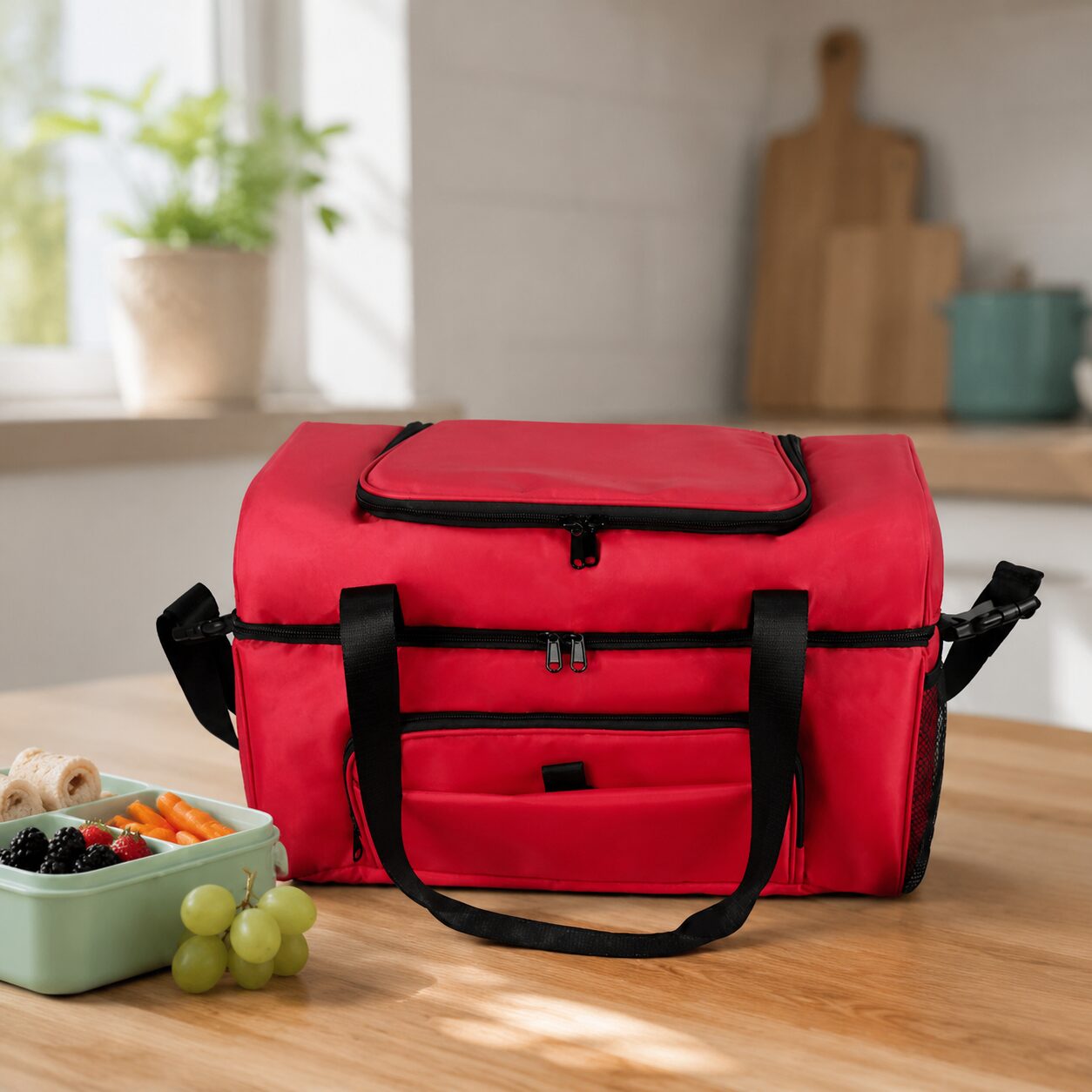
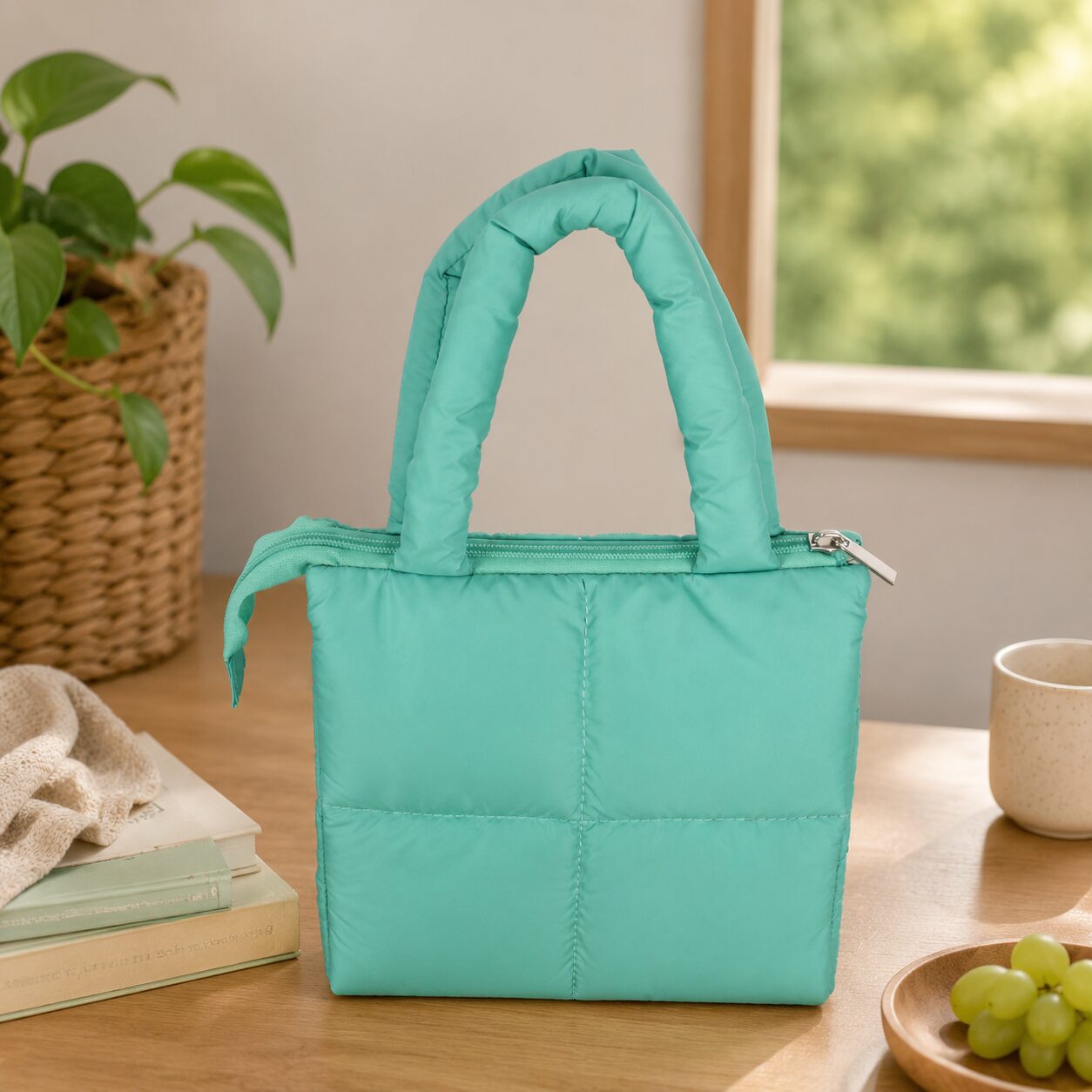
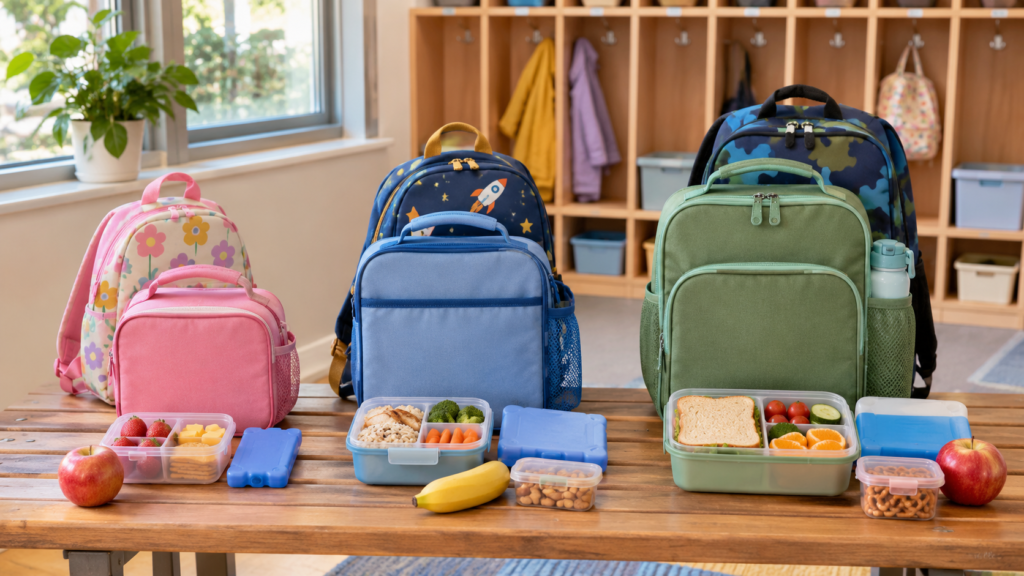
Unlike larger picnic coolers, school bags are carried by children and often stored in crowded cubbies or backpacks. A child may need to take the bag out, unzip it independently, find their food, and pack everything away within a short lunch break. This is why custom school lunch bags should be designed around a realistic school-day routine rather than scaled down from adult cooler styles.
Start with the contents: a common bento-style lunch box, a snack, a small drink where required, utensils, and space for cold packs. Then check whether the bag fits inside a backpack or hangs securely from it. If the product is intended for a school district or a retailer, confirm local rules on dimensions and bag styles before approving the sample.
Kids Lunch Bag Size Options by School Age
The most useful kids lunch bag size options begin with the child’s typical meal container and carrying method, not age alone. The following illustrative external dimensions (width × height × depth) are starting points for product development, not standardized age requirements.
| Intended users | Suggested starting size | Design priority |
|---|---|---|
| Preschool / kindergarten (about ages 3–5) | 22 × 17 × 9 cm | Compact shape, easy-grip zipper, lightweight handle |
| Younger elementary (about ages 6–8) | 24 × 19 × 10 cm | Fits a lunch box, snack, and cold packs without excess bulk |
| Older elementary (about ages 9–12) | 27 × 21 × 11 cm | Extra room for larger containers and organized storage |
These figures are development examples only. Foam, seams, lining, and rounded corners reduce usable interior space, so always verify the actual lunch-box dimensions, cold-pack layout, and opening clearance with a physical sample. A tall, narrow bag may waste space around a flat bento box, while a wide bag might not fit the child’s backpack.
For elementary school lunch bags bulk programs, two well-tested sizes can be more practical than a long list of barely different SKUs. A smaller version can serve early grades, while a roomier version supports older children without forcing every family into an oversized design.
Which Carry Option Works Best for Each School Routine?
Top Handle: The Simple Everyday Choice
A reinforced top handle is easy to pick up from a desk, cubby, or school bus seat. For younger students, a short, comfortable grip and a lightweight body usually make more sense than long straps. Reinforcement at the handle attachment points is important because children frequently lift bags by one side.
Backpack-Attachable: Useful When Hands Are Full
A compact lunch bag with a secure attachment system can be carried alongside a school backpack. Buyers should test the bag on the intended backpack model and check that it does not swing excessively, drag, or interfere with walking. Hook-and-loop loops or other closures should be evaluated for strength, security, and ease of use.
Shoulder Strap or Mini Backpack: Selective, Not Universal
For older students or particular school routines, an adjustable, detachable strap can add flexibility. However, straps should not be assumed suitable for every age group: loose cords and long straps require age-appropriate safety assessment. A small lunch backpack can also be useful, but it should be comfortable and should not duplicate an already heavy school backpack.
A buyer’s question: If a child already carries a full school backpack, does adding another shoulder strap genuinely improve convenience—or just create another item to manage?
Insulation, Cleaning, and Materials That Fit School Life
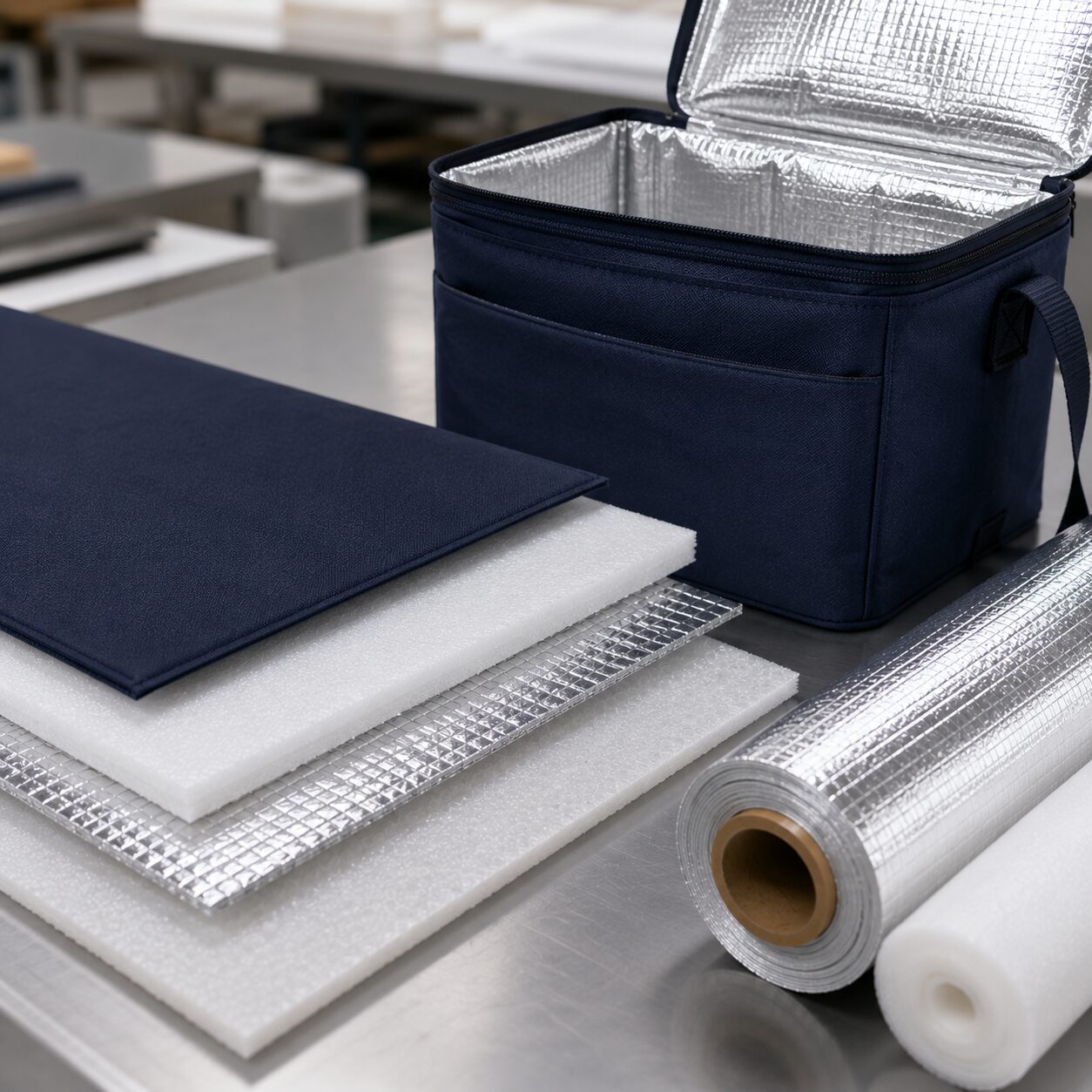
The purpose of custom insulated school lunch bags is to slow heat transfer while supporting the safe packing of food. A typical construction may combine a durable polyester or Oxford outer shell, EPE foam insulation, and a smooth PEVA or similar wipe-clean lining. The thickness and construction should be chosen according to the intended contents, weight, and validated thermal performance—not by assuming thicker is always better.
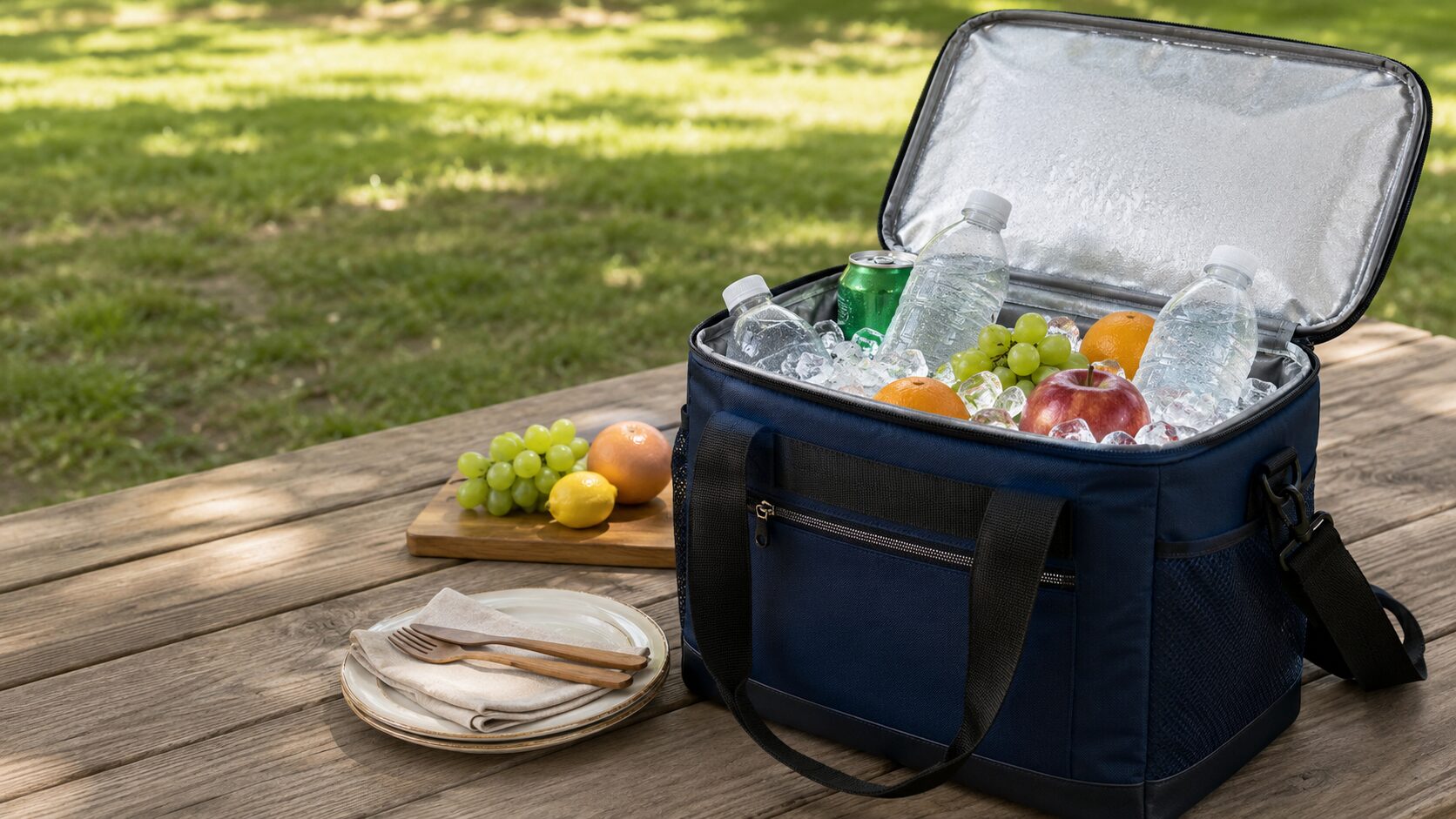
According to the USDA’s school lunch food-safety guidance, perishable lunches need an insulated container and at least two cold sources, such as frozen gel packs or frozen drinks. Insulation alone does not guarantee safe food temperatures until lunchtime; food packing practices and actual conditions matter. For design teams, this means testing where those cold sources fit without crushing the child’s lunch.
A smooth interior with accessible corners helps caregivers wipe away spills, while protected seams and a stable base reduce places where crumbs can accumulate. For products primarily intended for U.S. children aged 12 or younger, buyers should also review CPSC children’s-product requirements and determine applicable testing and certification obligations for the final design. Do not treat material names or general safety claims as substitutes for compliance documentation.
Real Market Example: How a Children’s Brand Designs Around the School Day
The children’s brand Jan & Jul offers a useful, publicly documented product example—not an Aimazing customer case. Its lunch bag is specified at 20 × 26 × 8 cm, with insulation, an easy-clean interior, an easy-grip zipper, and a reinforced handle. The brand also coordinates lunch bags with school backpacks and pencil cases.
The B2B lesson is bigger than matching prints. By designing around common bento containers, independent handling by children, and coordinated back-to-school collections, a brand can connect product function with merchandising. Buyers developing custom school lunch bags can apply the same logic while choosing their own dimensions, branding, materials, and price positioning.
Illustrative B2B Sourcing Scenario: Two Sizes Instead of Four
We were once preparing a 1,200-piece trial order for a regional school supplies distributor for the back-to-school season series. The original requirement specification requested four styles of printed lunch bags because it served multiple primary school grades. A development-oriented school lunch bag manufacturer did not immediately quote for the four styles but instead first inquired about the sizes of the lunch boxes to be sold with these lunch bags, the target schoolbag sizes, and the school’s storage requirements.
After reviewing the packing layouts, the distributor could choose two body sizes and differentiate the collection through prints and packaging. The smaller bag would prioritize an easy-opening zipper and short handle; the larger one could add an internal ice-pack sleeve and optional backpack attachment. Both versions would use a wipe-clean lining, reinforcing stitches at high-stress areas, and sample-based fit checks before bulk approval.
For a buyer comparing elementary school lunch bags bulk offers, this approach shows why a detailed development process can matter more than a low unit quote. The potential benefit is fewer body patterns to manage, clearer sizing for parents, and less risk of discovering a poor lunch-box fit after shipment. Actual savings or performance improvements would need to be confirmed through costing and testing.

What to Ask Before Choosing an OEM/ODM Partner
A reliable school lunch bag supplier should help evaluate how a design performs before the finished artwork is approved. Ask for samples packed with the actual lunch boxes and cold sources, verify the bag’s fit inside common school backpacks, and review construction details such as zipper accessibility, handle strength, wipe-clean areas, and labeling.
When developing custom insulated school lunch bags for several markets, request a clear bill of materials, test plan, tolerance range, artwork approvals, and production specifications. Be specific about the intended age group and sales region; a product for younger children may have different design and compliance needs from a general-purpose lunch cooler.
As an OEM/ODM partner, Aimazing supports material selection, branding, structural adjustments, and bulk development. Explore our Kids Lunch Bag collection for formats such as square lunch bags and small lunch backpacks, or review our customization process to plan sample approvals.
Another buyer’s question: Would you rather launch one universal size quickly, or test two child-friendly sizes that could reduce fit-related complaints during the school season?
Build a School Collection Children Can Actually Use
Successful custom school lunch bags balance child-friendly handling, lunch-box fit, practical insulation, and everyday cleaning. Instead of selecting size and carry style from a catalog alone, brands can test the full school routine and refine the design before committing to production.
Whether you are evaluating a school lunch bag supplier for a seasonal retail collection or working with a school lunch bag manufacturer on an exclusive range, bring the intended age group, lunch-container dimensions, target quantities, and carrying preferences into the first conversation. That is the foundation for a school-ready product, not merely a smaller cooler bag.