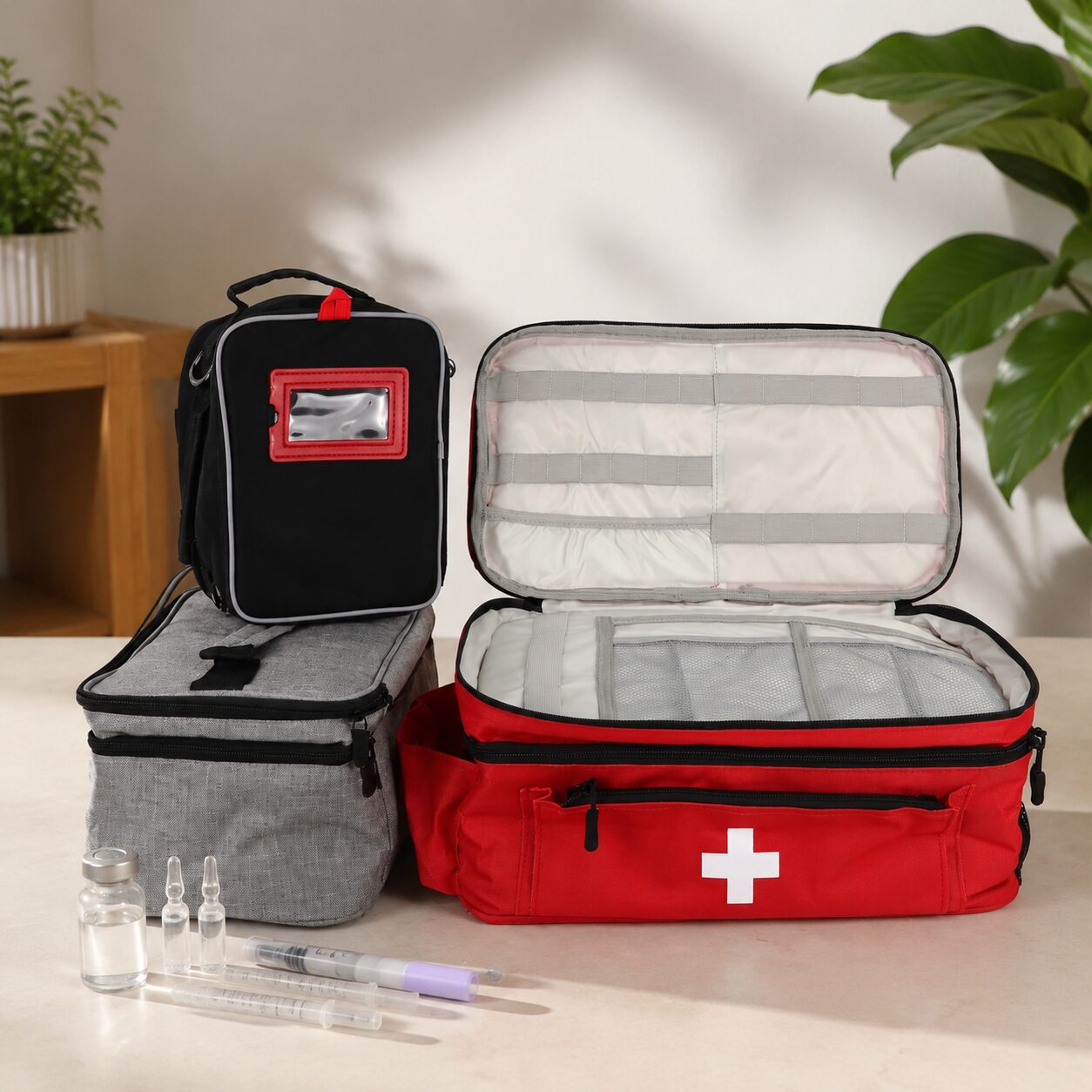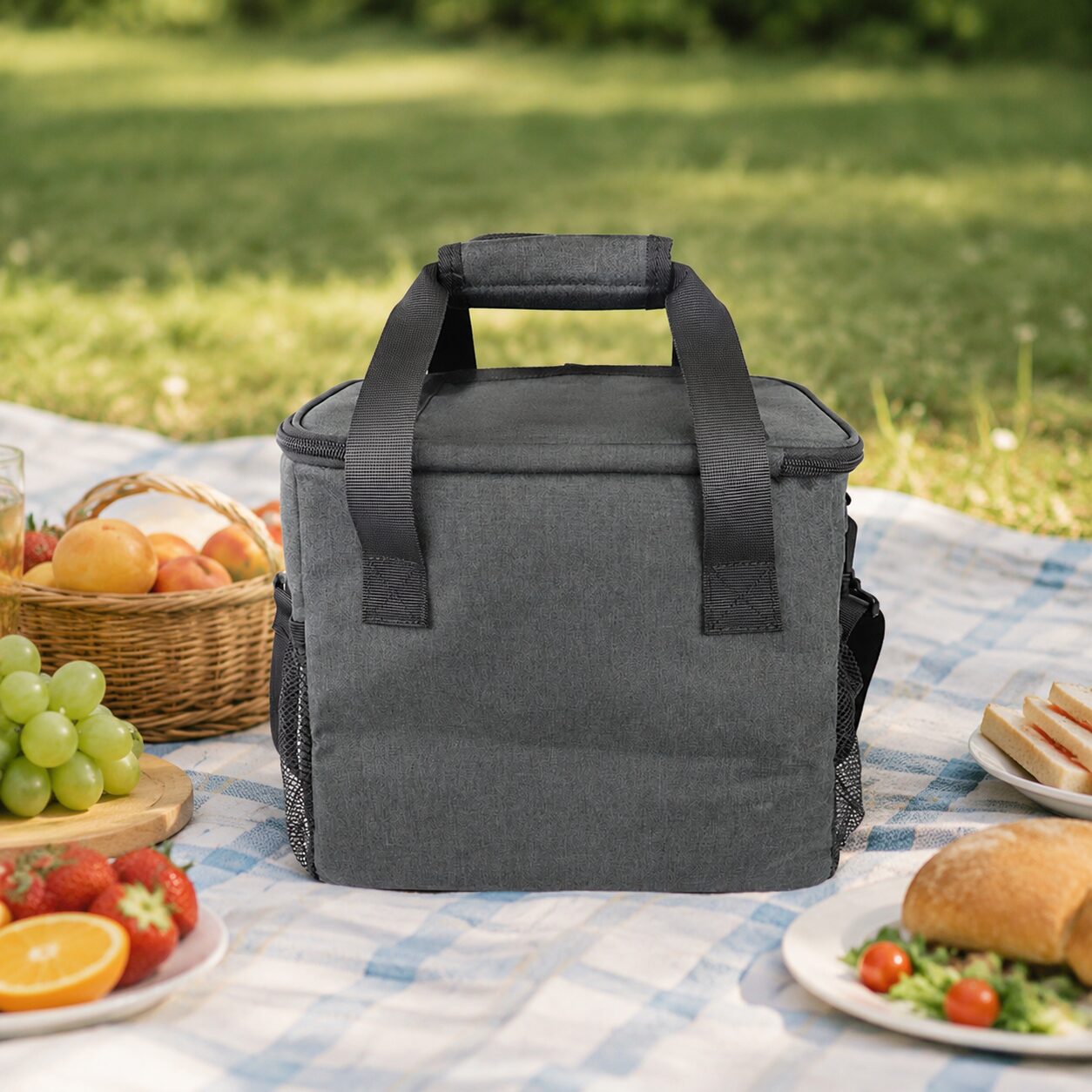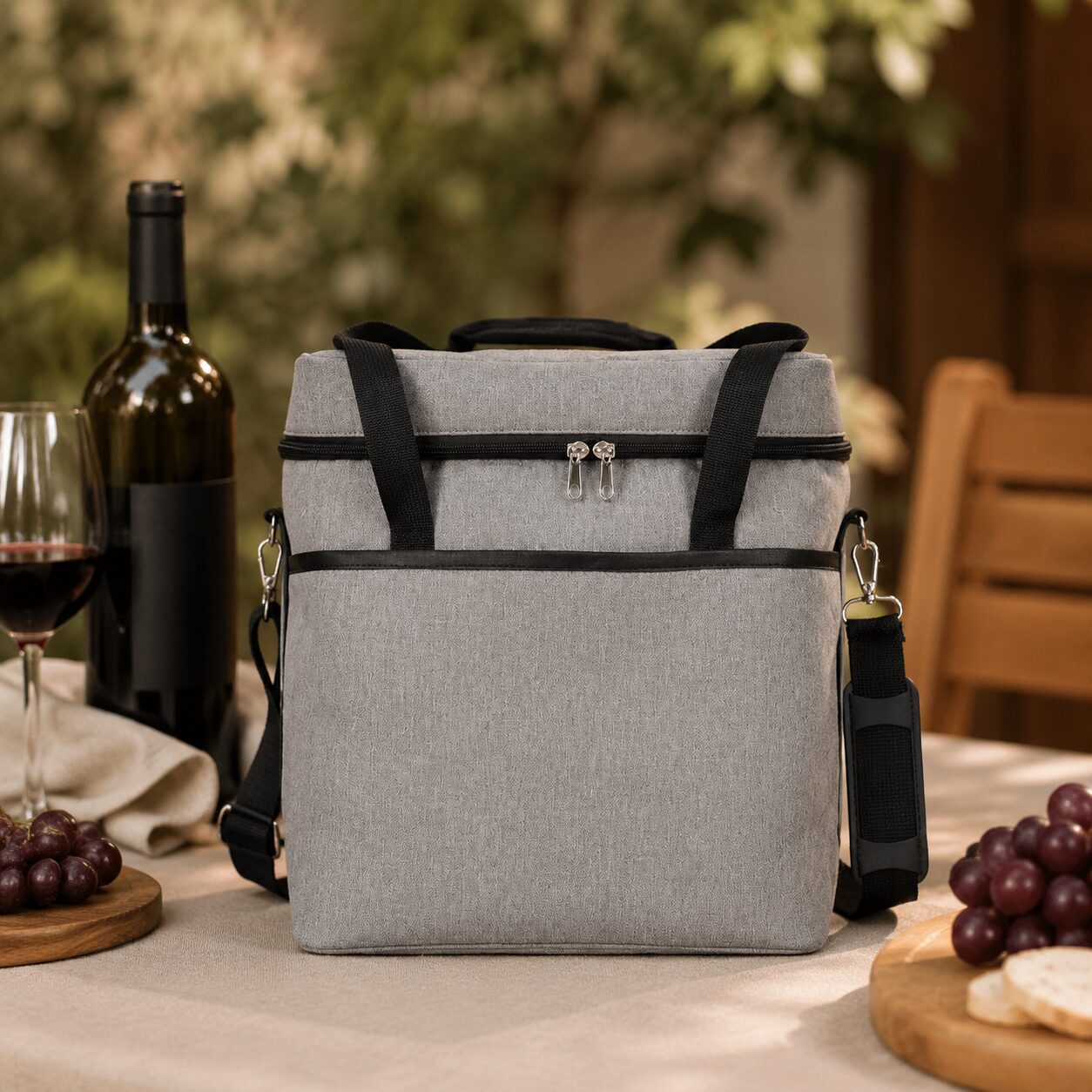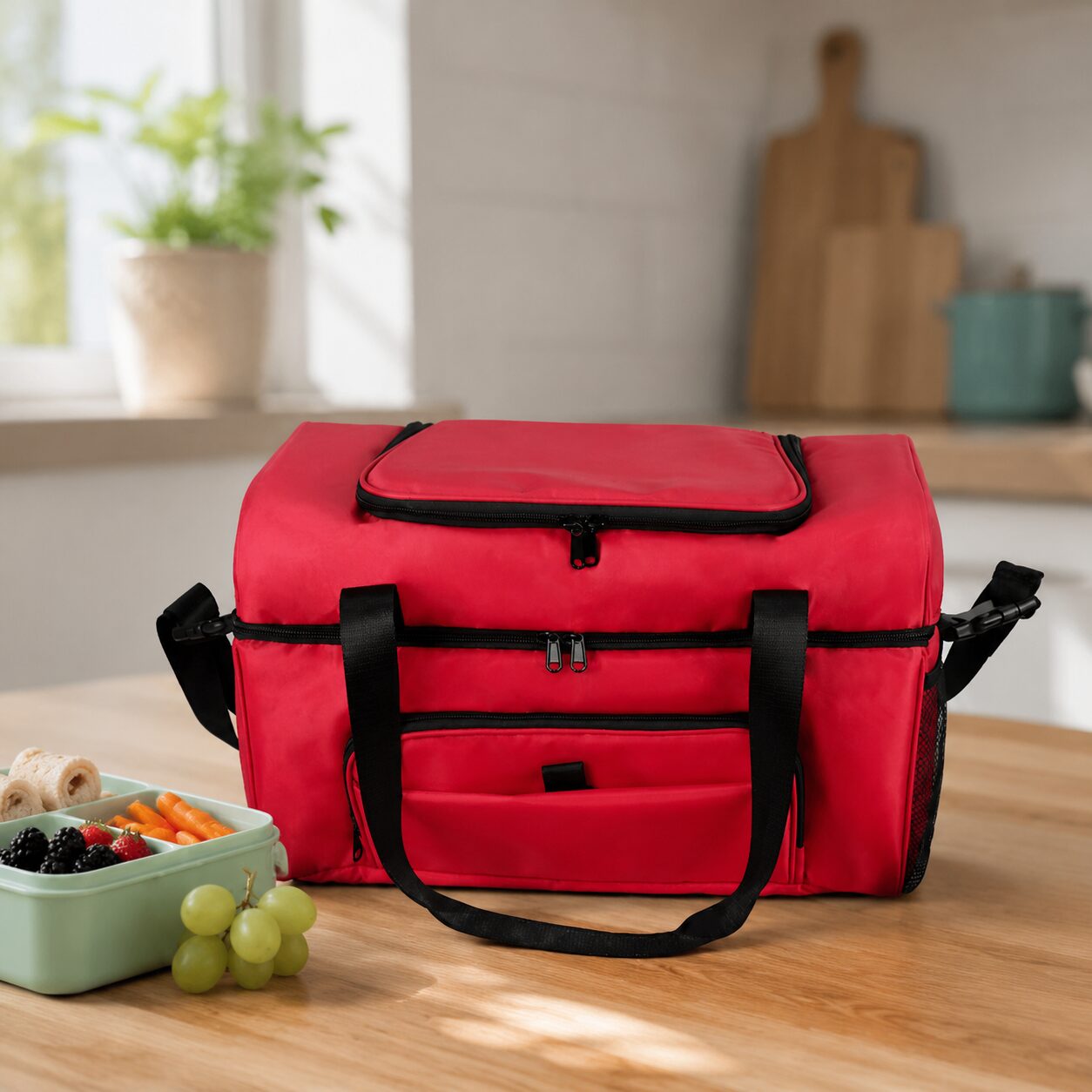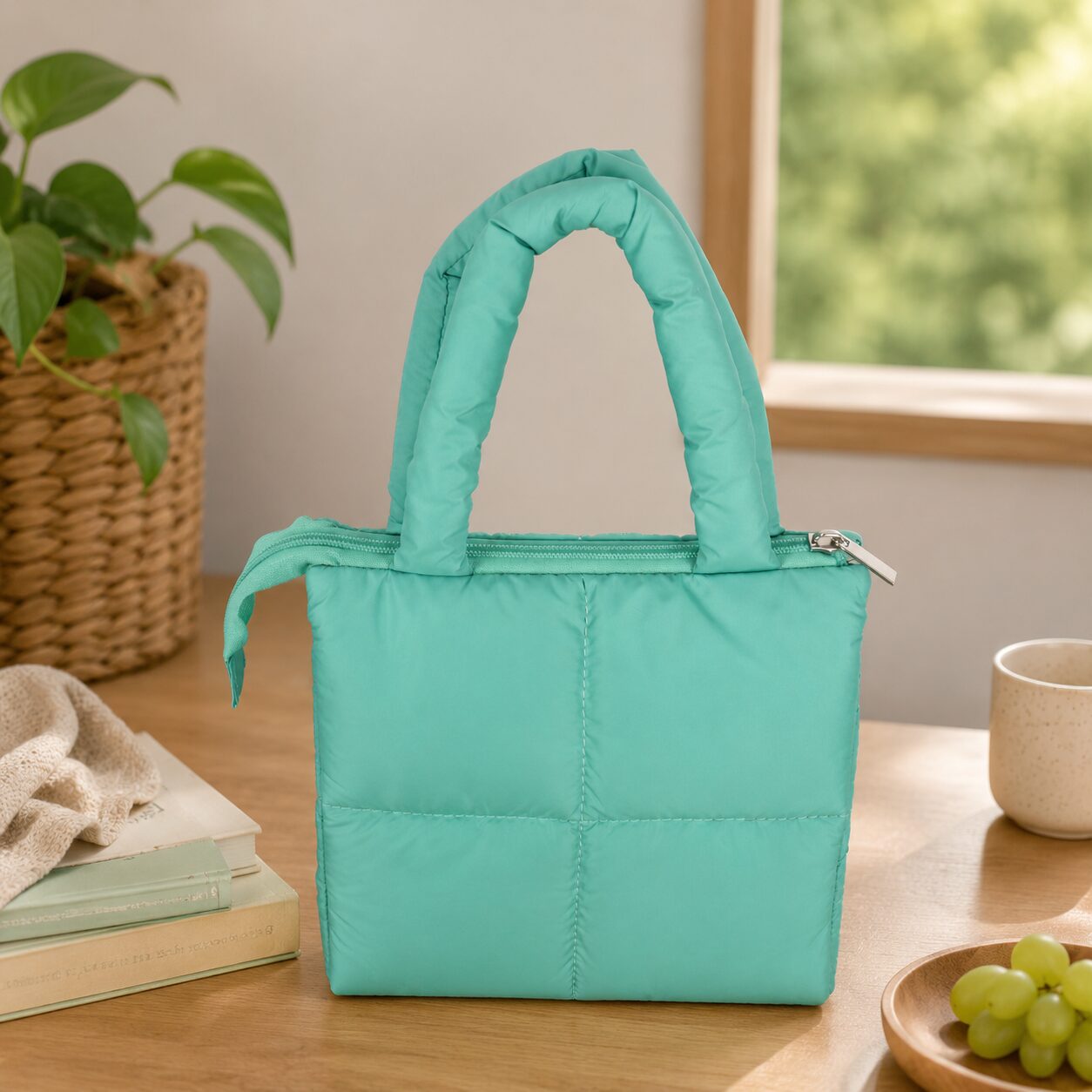

1. The Ice Paradox: Why Does More Ice Not Always Mean Longer Cooling in a Cooler Bag and Ice Pack Setup?
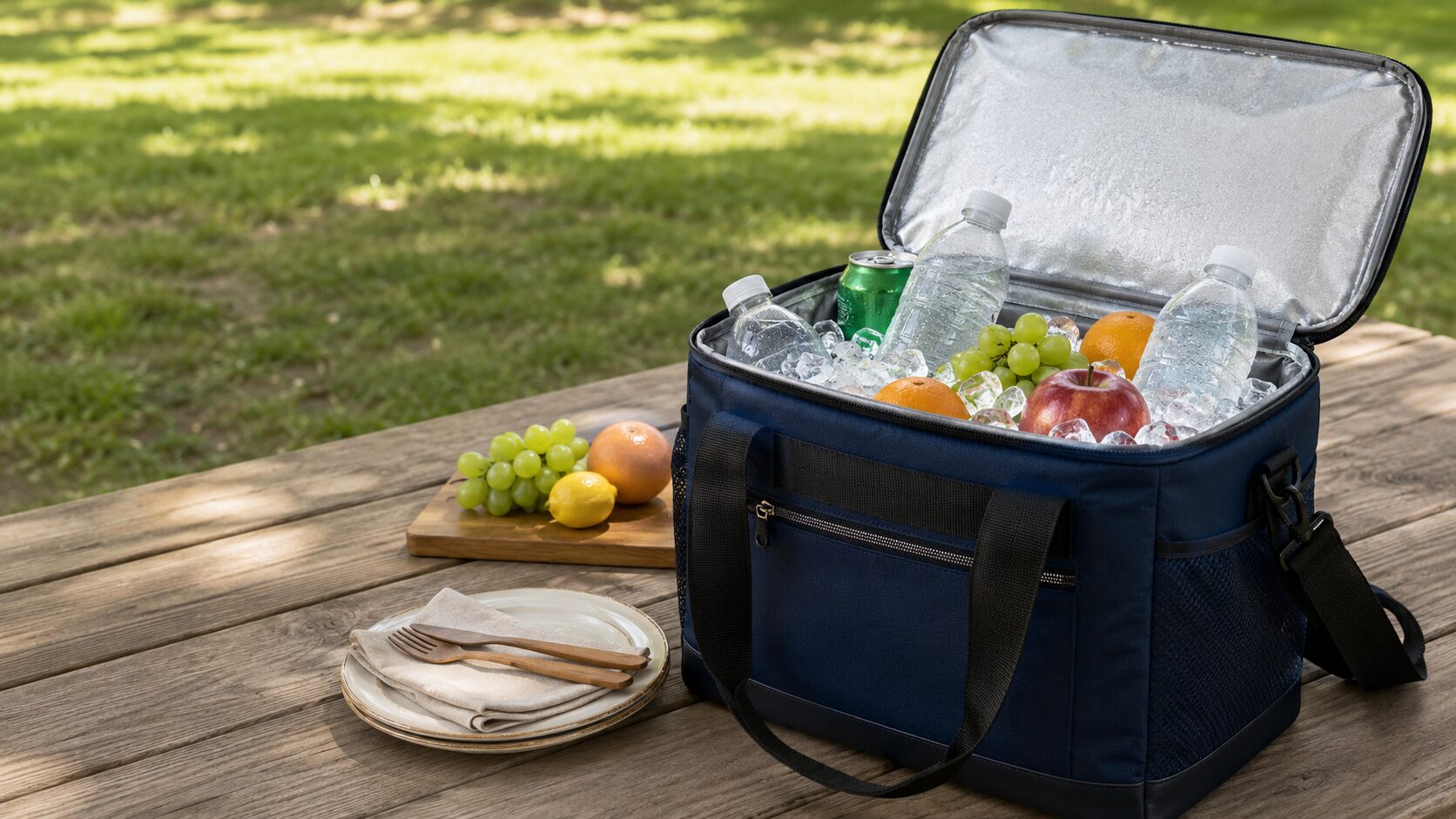
Overloading a thermal container with loose ice often accelerates thermal decay rather than extending cooling duration. Brand managers learn that filling every cubic inch with solid ice displaces critical internal air volume and disrupts convective cold-air movement. Sourcing a high-performance cooler bag and ice pack system requires balancing thermal mass with internal airflow dynamics. Industrial procurement teams evaluate core insulation metrics before launching custom thermal accessory collections. Establishing a direct OEM manufacturing partnership guarantees precise control over heavy-duty webbing strength and insulation thickness. Digital tech packs transform into tangible retail merchandise rapidly because engineering teams communicate structural modifications without bureaucratic lag. Industrial manufacturing scale allows emerging brands to maximize profit margins while maintaining absolute delivery reliability across massive international inventory volumes.
| Optimization Metric | Overloaded Ice Approach | Balanced Engineering Approach |
| Air Circulation | Zero internal space prevents proper cold convection. | Optimized cavity volume ensures uniform cooling distribution. |
| Thermal Decay Rate | Rapid internal temperature rise once melting begins. | Extended ice retention via calculated phase-change ratios. |
| Structural Integrity | Excessive dead weight causes premature bottom panel sagging. | Reinforced base structures withstand maximum dynamic loads. |
2. Thermal Thermodynamics: How an Insulated Chill Bag Manages Heat Transfer
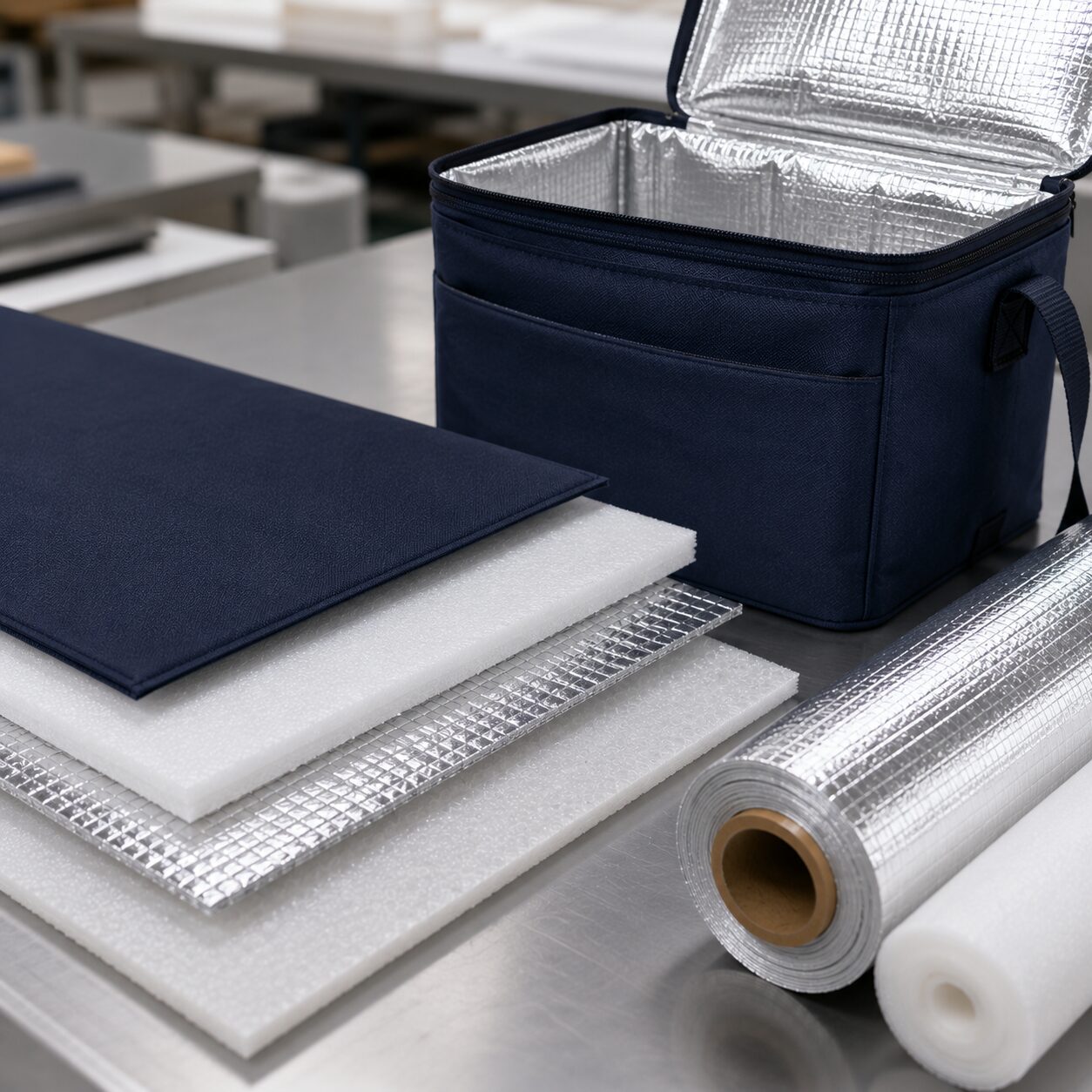
External ambient heat attacks thermal container shells continuously through conduction, convection, and radiation. Sourcing advanced chill bag prototypes requires integrating high-density EPE foam layers to slow down internal temperature rise. Factory engineers evaluate textile denier weights to confirm that exterior woven panels resist environmental moisture and ultraviolet radiation. Industrial lamination presses bond outer synthetic textiles securely to breathable inner foam layers without generating bubbling defects. Techs constantly tweak the temp controls to keep the molecular fusion dialed in right through every single shift. Inventory managers track lot numbers down to the last detail just in case a batch acts up, while supply chain coordinators keep a buffer stock of certified hardware so the line never grinds to a halt during busy seasons. At the end of the day, brand directors love that level of hands-on manufacturing rigor when they are trying to build a top-tier cooler bag and ice pack collection.
- Conduction management: High-density polyethylene foam cores provide a structural thermal barrier against conductive ground and vehicle contact heat.
- Convective resistance: Precision edge binding seals raw fabric margins completely to eliminate internal thermal leakage paths around stitching lines.
- Radiant shielding: Multi-layered radiant barrier films reflect external solar energy away from sensitive commercial food shipments.
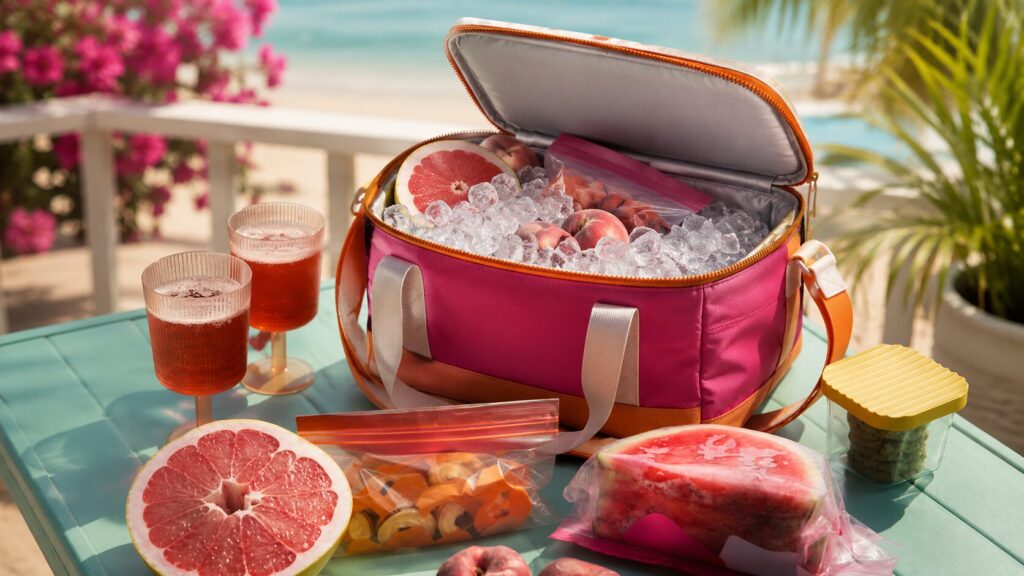
3. The Science of Freshness: Does Insulated Bag Keep Food Cold Effectively?
Perishable food and beverage items maintain safe consumption temperatures only when thermal retention structures match specific distribution requirements. Evaluating standard thermal retention hours confirms that a quality does insulated bag keep food cold efficiently across multi-stop urban transit. Factory quality control inspectors measure internal temperature stabilization curves continuously to verify compliance with international food safety regulations. Sourcing robust internal barriers ensures that chilled cargo remains completely protected within the storage chamber for extended operational periods. Automated sewing lines lock down those crossing stress points so the seams won’t rip no matter which way things pull. Supervisors run drop tests on packed boxes to make sure the outer cartons actually protect what is inside during shipping. Plus, inventory managers keep a close eye on lot numbers to trace materials right back to the source if anything acts up during production of your cooler bag and ice pack line.
- Baseline retention: Standard commercial thermal containers sustain safe food storage temperatures for four to twelve hours depending on ambient loads.
- Transit protection: Insulated walls prevent sudden temperature spikes during multi-stop grocery and meal kit delivery operations.
- Safety verification: Environmental testing chambers simulate intense solar radiation exposure to verify thermal barrier compliance before export shipping.
4. Optimization Tactics: Practical Rules on How to Keep a Cooler Cold
Thermal preparation protocols determine whether chilled cargo survives extended transit routes without experiencing premature temperature spikes. Transport operators utilize commercial refrigeration units to drop internal container temperatures before loading sensitive food cargo. Mastering how to keep cooler cold requires eliminating empty air pockets that accelerate convective heat transfer inside closed chambers. Factory engineers design custom dimensional ratios to ensure that cargo compartments accommodate standard modular meal trays perfectly. Packing your perishables in nice and tight creates a solid thermal mass that naturally fights off outside heat while you are on the move. Logistics managers keep a close eye on humidity sensors to make sure the condensation control holds up under heavy loads. On the road, drivers use insulated divider panels to keep frozen goods separated from chilled drinks when they are hauling a full cooler bag and ice pack delivery.
- Pre-chilling protocols: Cooling inner compartments prior to loading absorbs residual ambient heat and stabilizes initial internal temperatures.
- Air gap elimination: Packing items tightly together prevents convective air currents from accelerating internal ice melting rates.
- Coolant positioning: Placing primary cooling sources directly above perishable cargo utilizes downward cold-air convection effectively.
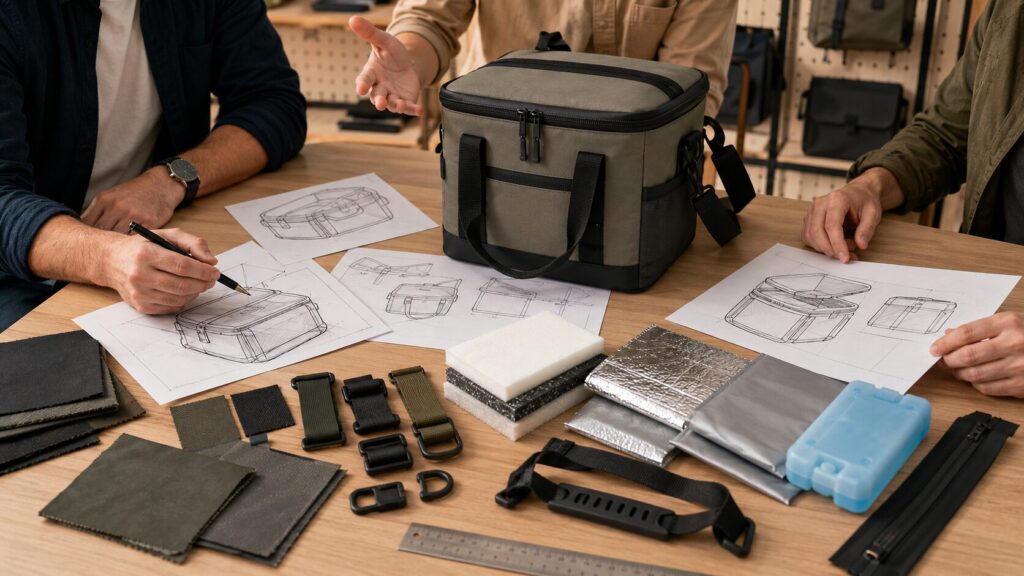
5. Dual-Purpose Performance: Engineering Versatile Hot and Cold Insulated Bags
Multi-layered thermal insulation architectures retain internal heat effectively to support warm meal delivery operations across competitive markets. Sourcing advanced hot and cold insulated bags requires integrating specialized thermal retention membranes that resist high cooking temperatures. Factory production lines incorporate heavy-duty vapor barriers to prevent steam condensation from degrading internal foam cores. Quality assurance directors perform rigorous burst-pressure audits on packed thermal transport units before approving bulk export shipments. Thermal engineers optimize fastener placements to prevent heat leakage around enclosure perimeters during frequent opening cycles. Automated cutting tables ensure exact alignment of insulation panels to maintain airtight dual-temperature performance standards. Supply chain coordinators maintain buffer stocks of certified hardware components to prevent seasonal assembly line bottlenecks.
- Reverse thermal dynamics: Specialized inner linings trap cooking steam and radiant heat to keep meal deliveries hot for hours.
- Structural resilience: High-temperature bonding adhesives prevent internal delamination when transitioning between freezing and heating cycles.
- Moisture control: Vapor barrier integration protects insulation cores from water absorption during hot food transport tasks.
6. Manufacturing Standards: Sourcing Leak-Proof and Durable Thermal Solutions
Mass production consistency separates amateur trading companies from elite industrial manufacturing facilities capable of serving global retail giants. Inspecting advanced cooler bag lining structures reveals whether a manufacturer utilizes food-grade polymers or substandard recycled plastics. Factory production lines must replace traditional single-needle stitching with automated thermal bonding to eliminate liquid leakage paths. Sourcing robust internal barriers ensures that melting ice water remains completely contained within the storage chamber for hours. Quality assurance directors test seam burst pressures using specialized pneumatic chambers to guarantee structural resilience under heavy hydraulic loads. Automated cutting tables ensure precise panel alignment so that internal welding heads apply uniform thermal energy across every joint boundary. Cleanroom assembly environments prevent airborne particulate contamination from interfering with polymer bonding agents during high-frequency sealing cycles.
- Lining integrity: Seamless heat-welded PEVA interiors eliminate needle puncture points and guarantee a 100% watertight internal vessel.
- OEM quality control: Rigorous factory testing protocols simulate multi-hour ice retention and structural stress under bulk production runs.
- Durability standards: Heavy-duty waterproof zippers resist jamming and maintain airtight seals under extreme mechanical tension.
7. The Aimazing Advantage: Engineering Excellence in Thermal Solutions
Aimazing Bag delivers robust manufacturing support for global thermal accessory brands worldwide as an established direct factory partner. We combine advanced heat-welding techniques and strict quality control protocols to ensure every production batch meets international standards seamlessly. Contact our dedicated engineering team today to review technical specifications and schedule your commercial production.