
1. The Economics of Scale: Why Understanding Cooler Bag MOQ Defines Your Brand Profitability
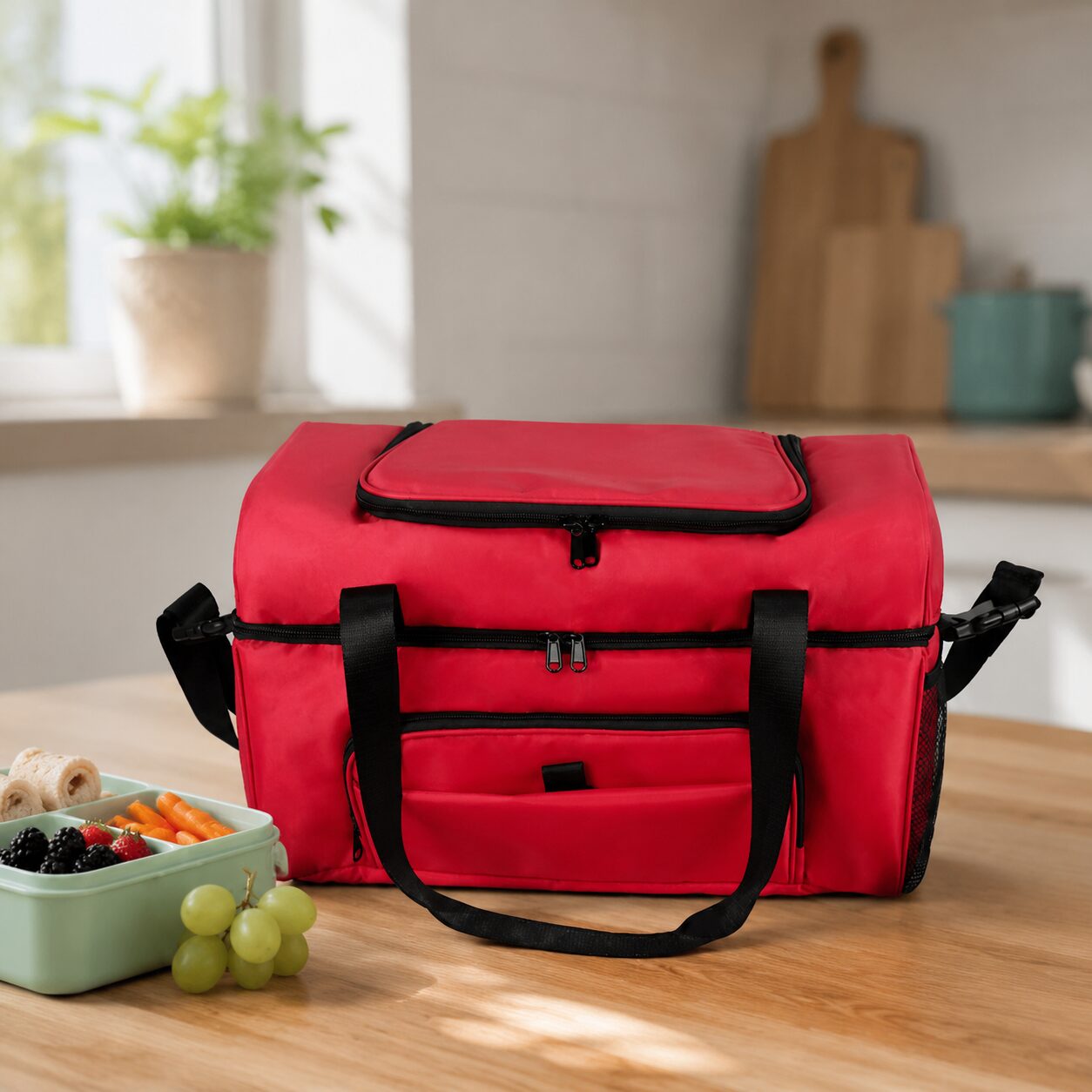
Minimum order thresholds impact cash flow and inventory velocity for emerging e-commerce brands launching insulated product lines. Brand buyers must master structural scaling when evaluating a specific cooler bag MOQ for their retail launch strategy. High initial capital outlays limit product testing capabilities for boutique merchants operating on constrained operational budgets. Raw material mills enforce strict dyeing minimums that dictate factory production scaling parameters. Analyzing tiered volume economics prevents unexpected financial exposure during early-stage brand development. Direct manufacturing partnerships provide transparent pricing models across flexible production increments.
| Tier Level | Production Volume | Primary Sourcing Benefit |
| Pilot Tier | 100 Units | Low capital risk and rapid market testing |
| Growth Tier | 300 Units | Balanced customization and setup cost amortization |
| Bulk Tier | 1,000+ Units | Maximum material customization and lowest per-unit cost |
2. Decoding the 100-Unit Tier: Mitigating Risk Through Low MOQ Cooler Bags
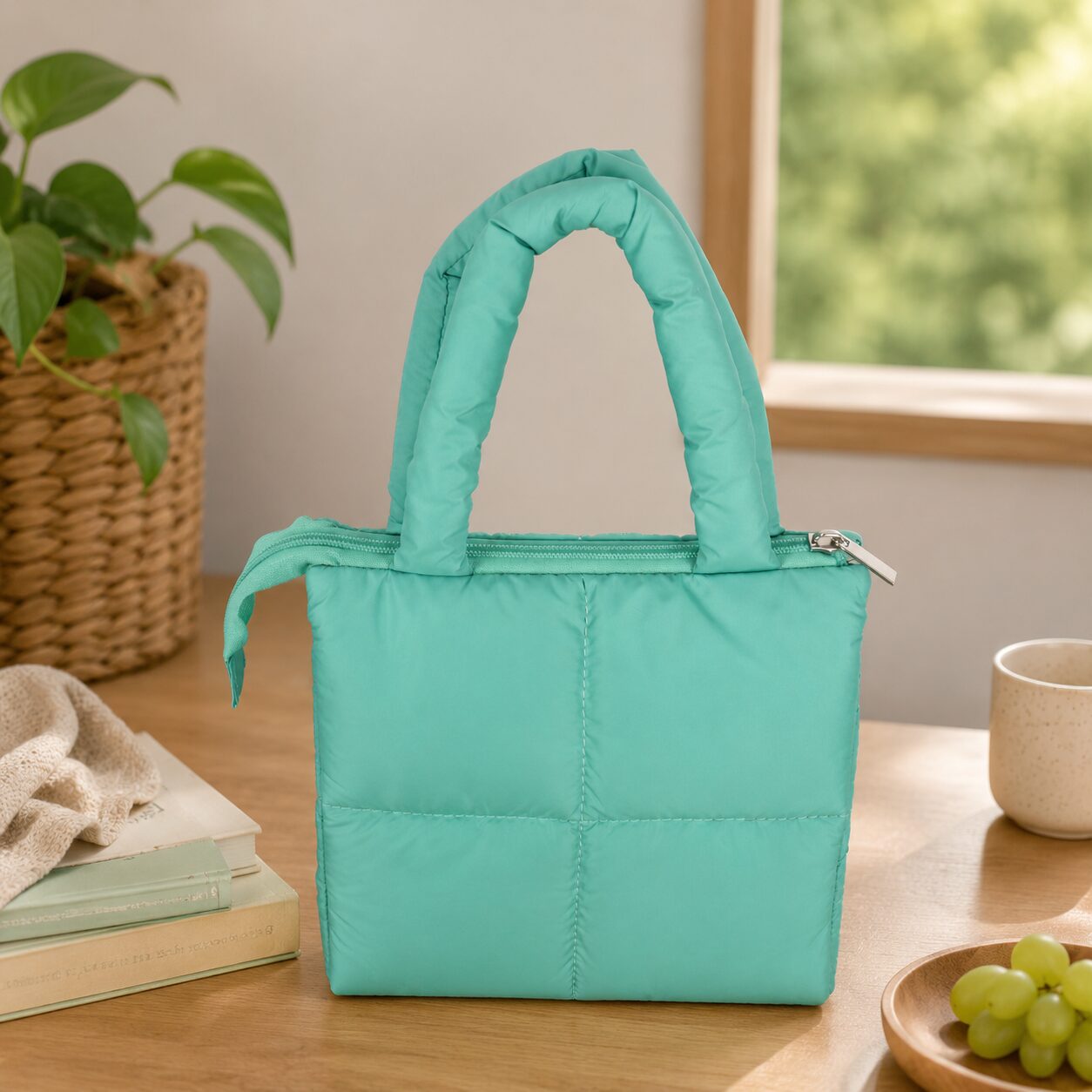
Pilot run economics enable consumer demand validation and digital ad response tracking without sinking capital into excess warehouse stock. Procuring a tailored cooler bag MOQ strategy relies heavily on pre-dyed stock fabrics and standard hardware modules to bypass dyeing surcharges. Small-batch manufacturing accelerates time-to-market for digital native brands testing seasonal retail concepts. Factory production lines utilize existing cutting molds to eliminate initial tooling and setup overhead fees. Brand managers evaluate consumer feedback rapidly before committing financial resources to large-scale inventory production. When testing new markets, deploying low MOQ cooler bags ensures minimal financial exposure while evaluating initial customer demand.
- Pre-Dyed Stock Utilization: Accessing established warehouse fabric rolls eliminates custom dyeing surcharges and lengthy material lead times.
- Standard Hardware Modules: Utilizing stock zippers and buckles bypasses costly custom mold injection tooling fees.
- Rapid Market Validation: Testing digital advertising conversion rates before committing capital to full container production runs.
- Cash Flow Preservation: Maintaining lean inventory levels prevents capital immobilization in untested retail SKUs.
3. Hitting the Sweet Spot: Cost Optimization at the 300-Unit Custom Threshold
Structured framework agreements regarding cooler bag MOQ parameters unlock custom colorways and tailored branding elements without requiring massive capital commitments. Spreading screen-print setup charges and custom zipper mold fees across a medium batch optimizes per-unit expenses. Mid-tier production runs allow emerging brands to introduce proprietary exterior textiles and unique strap configurations. Factory engineers optimize cutting layouts to minimize fabric waste while accommodating bespoke design adjustments. This balanced threshold bridges the operational gap between rigid stock manufacturing and full industrial scaling. Establishing a predictable MOQ for custom cooler bags allows growing companies to balance financial liquidity with aesthetic differentiation.
- Custom Colorway Access: Meeting medium-batch volume thresholds permits custom fabric dyeing aligned with corporate Pantone references.
- Setup Fee Amortization: Distributing plate printing and screen setup costs across hundreds of units lowers individual item expenses.
- Tailored Branding Integration: Incorporating custom woven labels and embossed rubber patches elevates perceived retail value.
- Optimized Yield Proportions: Balancing custom design flexibility with manageable warehouse storage space requirements.
4. Industrial Efficiency: Maximizing Margins with a 1,000-Unit Bulk Cooler Bag Order Quantity
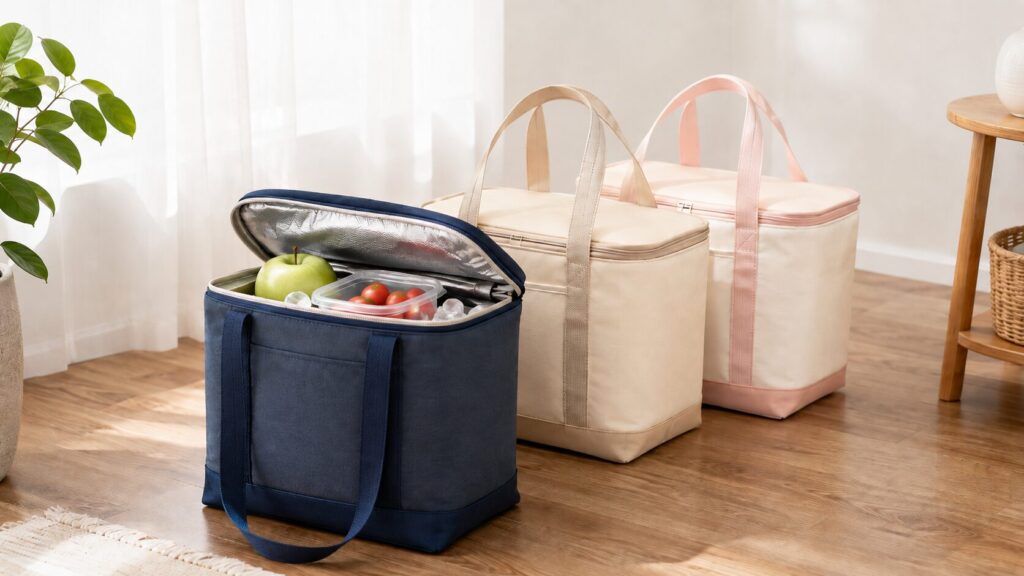
Executing a high-volume cooler bag MOQ framework unlocks custom Pantone dyeing, bespoke exterior shell deniers, and specialized high-frequency welded liners. Maximizing container space drops per-unit shipping overhead to baseline economic levels during international freight transit. High-volume manufacturing lines deploy automated cutting tables and synchronized assembly jigs to maximize daily output consistency. Direct factory execution eliminates intermediary distributor markups to secure maximum profit margins for wholesale distribution. Industrial scale production ensures uniform quality across thousands of retail units destined for global markets. Securing a reliable bulk cooler bag order quantity allows enterprise brands to achieve ultimate supply chain cost efficiency.
- Custom Pantone Dyeing: Ordering mill-direct fabric batches guarantees exact brand color matching across entire inventory shipments.
- Bespoke Denier Sourcing: Specifying custom 1680D ballistic polyester or specialized waterproof TPU exterior laminates.
- Freight Density Maximization: Optimizing master carton dimensions to fill shipping containers completely and reduce per-unit freight costs.
- Automated Line Efficiency: Utilizing dedicated assembly stations to drive down direct labor expenses through mass production.
5. Pre-Production Validation: The Role of a Cooler Bag Sample Order
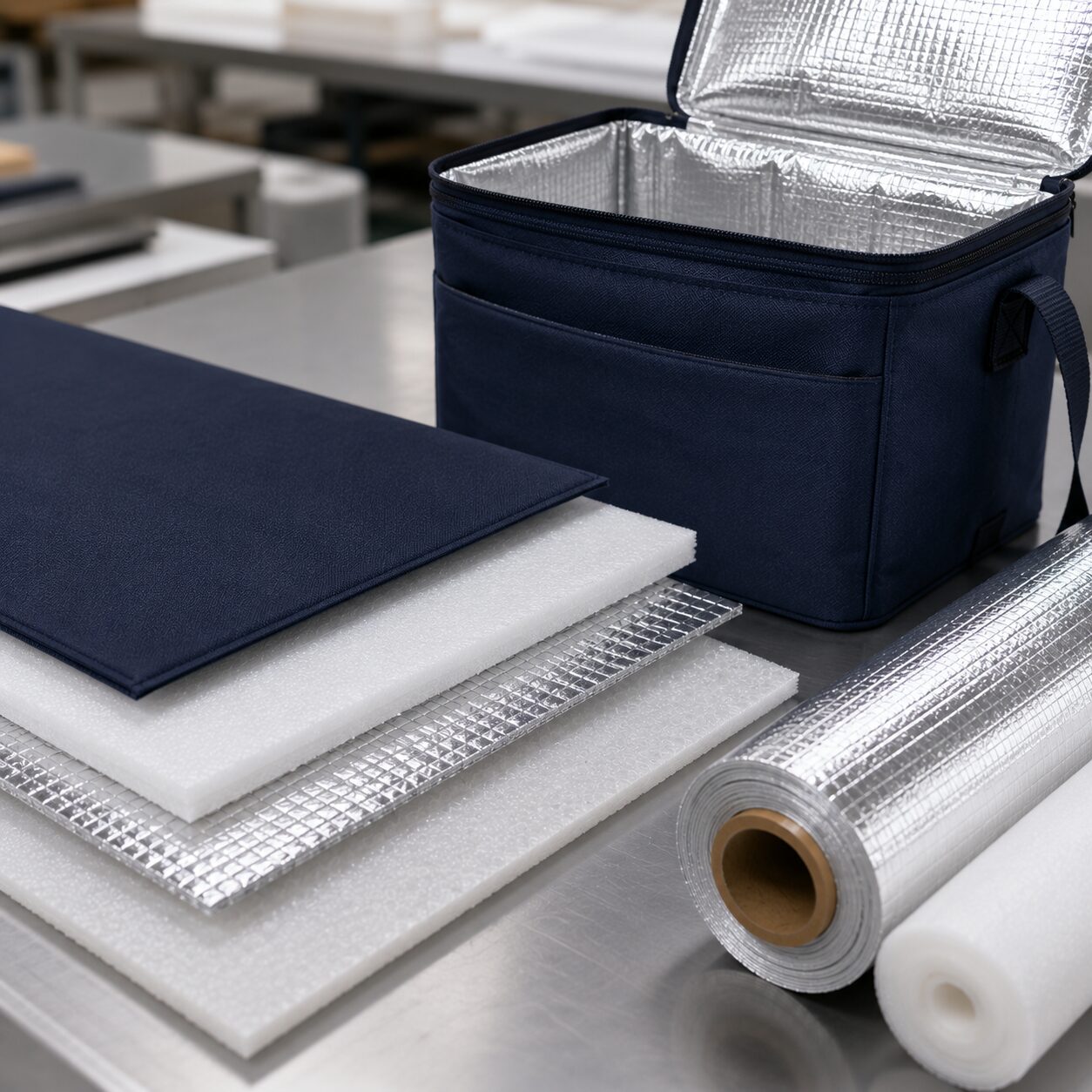
Verifying stitch density, insulation foam thickness, and thermal decay performance before approving mass production prevents catastrophic manufacturing defects. Managing your initial cooler bag MOQ successfully requires formal sample evaluations to eliminate misunderstandings between digital tech packs and physical factory output. Pre-production prototyping allows quality assurance teams to conduct rigorous pull-tests on handle webbing and zipper assemblies. Reviewing physical samples ensures that thermal performance curves meet strict commercial cooling requirements. Prototyping protects brand equity by guaranteeing absolute design accuracy prior to financial commitment. Submitting a detailed cooler bag sample order serves as the definitive bridge between conceptual design and full-scale factory execution.
- Physical Tech Pack Verification: Confirming that factory sewing execution matches digital CAD design specifications precisely.
- Thermal Performance Auditing: Testing internal ice retention curves to validate insulation thickness and boundary sealing.
- Tensile Stress Evaluation: Applying mechanical force to handle anchors and zipper tracks to verify structural durability.
- Aesthetic Alignment Check: Inspecting logo placement accuracy, fabric texture, and hardware finishes before mass manufacturing approval.
6. Critical Thresholds: Sourcing Insights for Global Brand Buyers
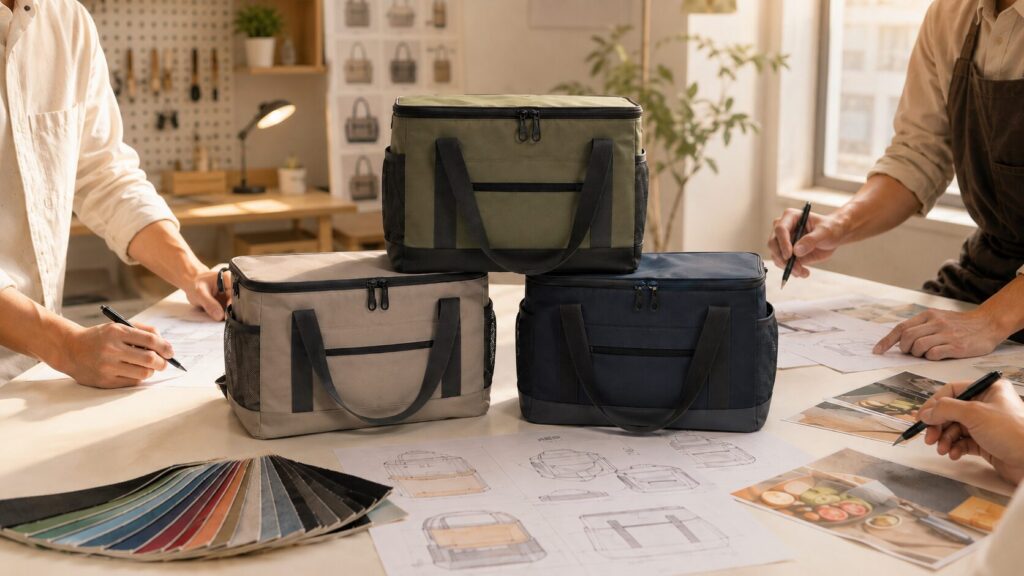
Avoiding hidden fee traps associated with abrupt minimum order quantity shifts during peak seasonal manufacturing requires strict supplier transparency. Aligning your production forecast with an established cooler bag MOQ guideline prevents unexpected supply chain disruptions during high-demand retail cycles. Successfully scaling your catalog from initial pilot batches to fully optimized container-load manufacturing lines demands strategic supplier collaboration. Brand buyers must analyze material lead times and factory capacity allocations to prevent supply chain bottlenecks. Establishing clear contractual terms regarding volume pricing tiers protects profit margins during seasonal demand surges. Sourcing transparency ensures long-term operational stability for growing retail enterprises. Navigating a competitive cooler bag minimum order quantity framework enables sustainable growth across diverse international markets.
- Seasonal Price Stability: Locking in tiered manufacturing rates through binding supplier contracts to prevent unexpected cost inflation.
- Capacity Allocation Planning: Reserving factory production slots in advance to guarantee timely delivery during peak retail seasons.
- Transparent Fee Structures: Eliminating unannounced setup charges or material surcharge surprises on final commercial invoices.
- Scalable Catalog Evolution: Managing the seamless transition from trial batches to container-load manufacturing without quality drift.
7. Scaling from Pilot Runs to Containers: The Manufacturing Blueprint with Aimazing Bag
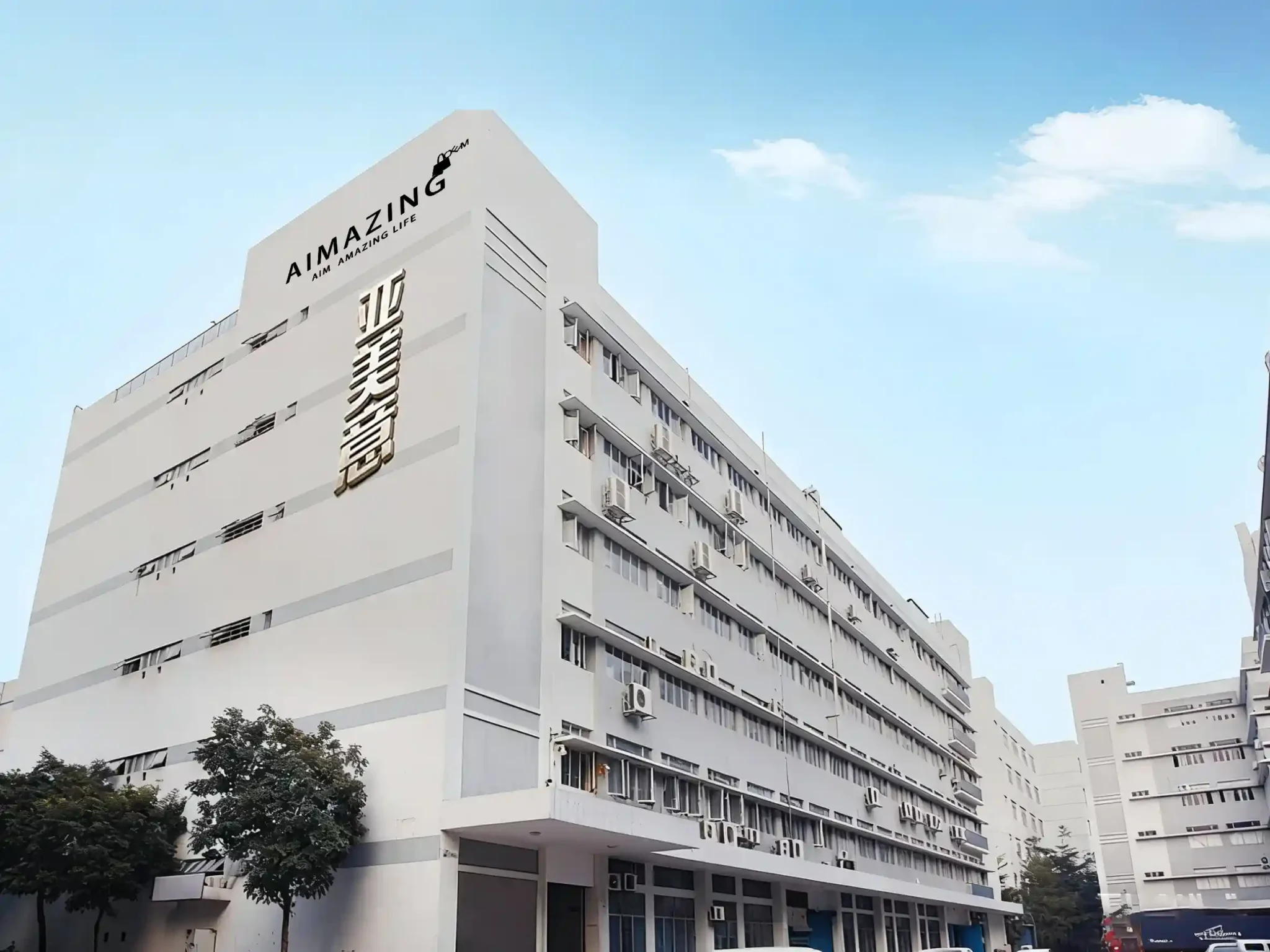
Aimazing Bag operates integrated OEM lines covering material sourcing, cutting, and assembly under one roof to guarantee precision execution. Bypassing middleman trading companies secures transparent tiered pricing across all production volumes for global brand partners. Implementing multi-stage thermal and tensile stress evaluations on every trial and bulk order before export ensures absolute retail readiness. Partnering with Aimazing Bag scales production seamlessly from 100-piece pilot runs to full container loads with zero quality drift. You are encouraged to review our manufacturing specifications and engage with our engineering team for your upcoming production requirements.