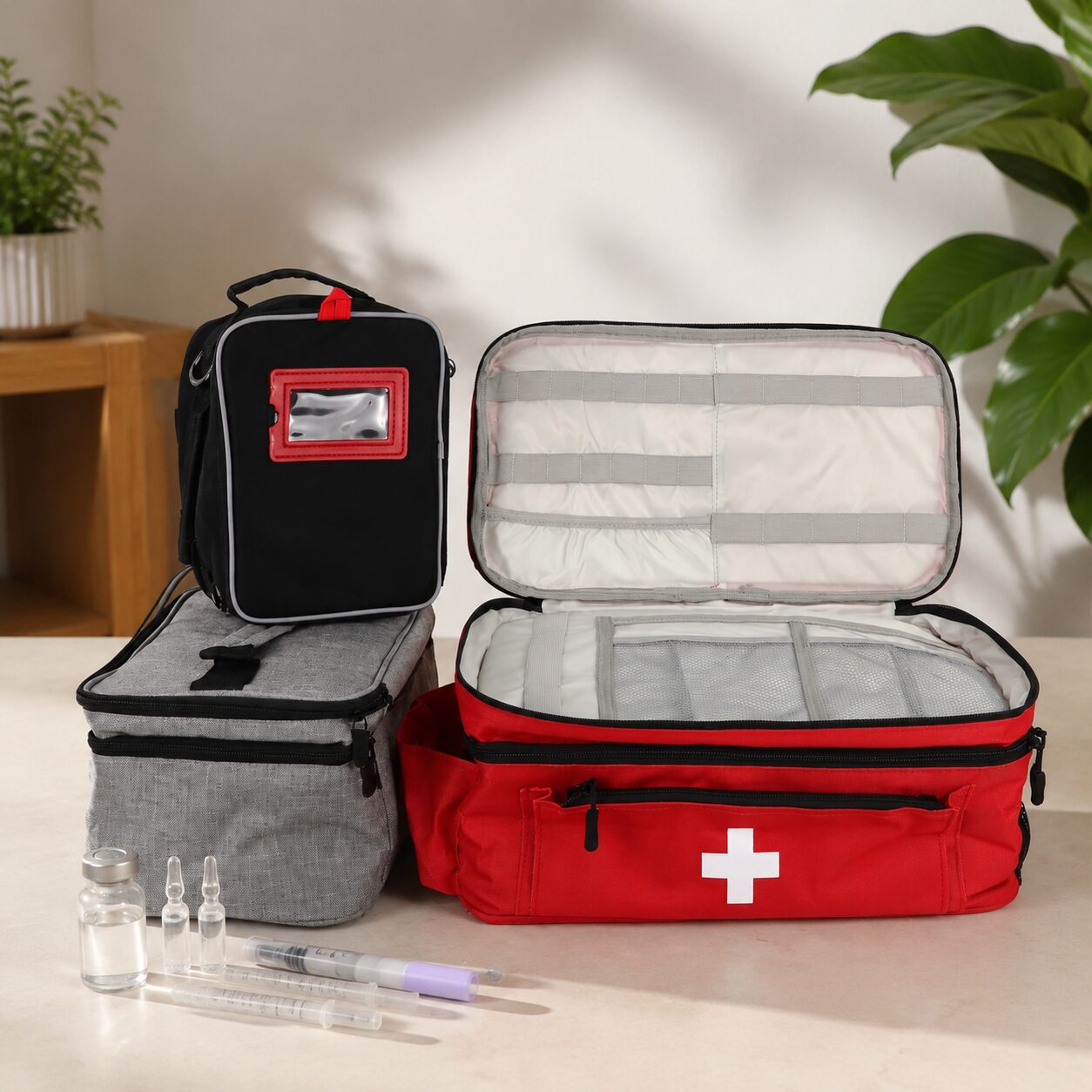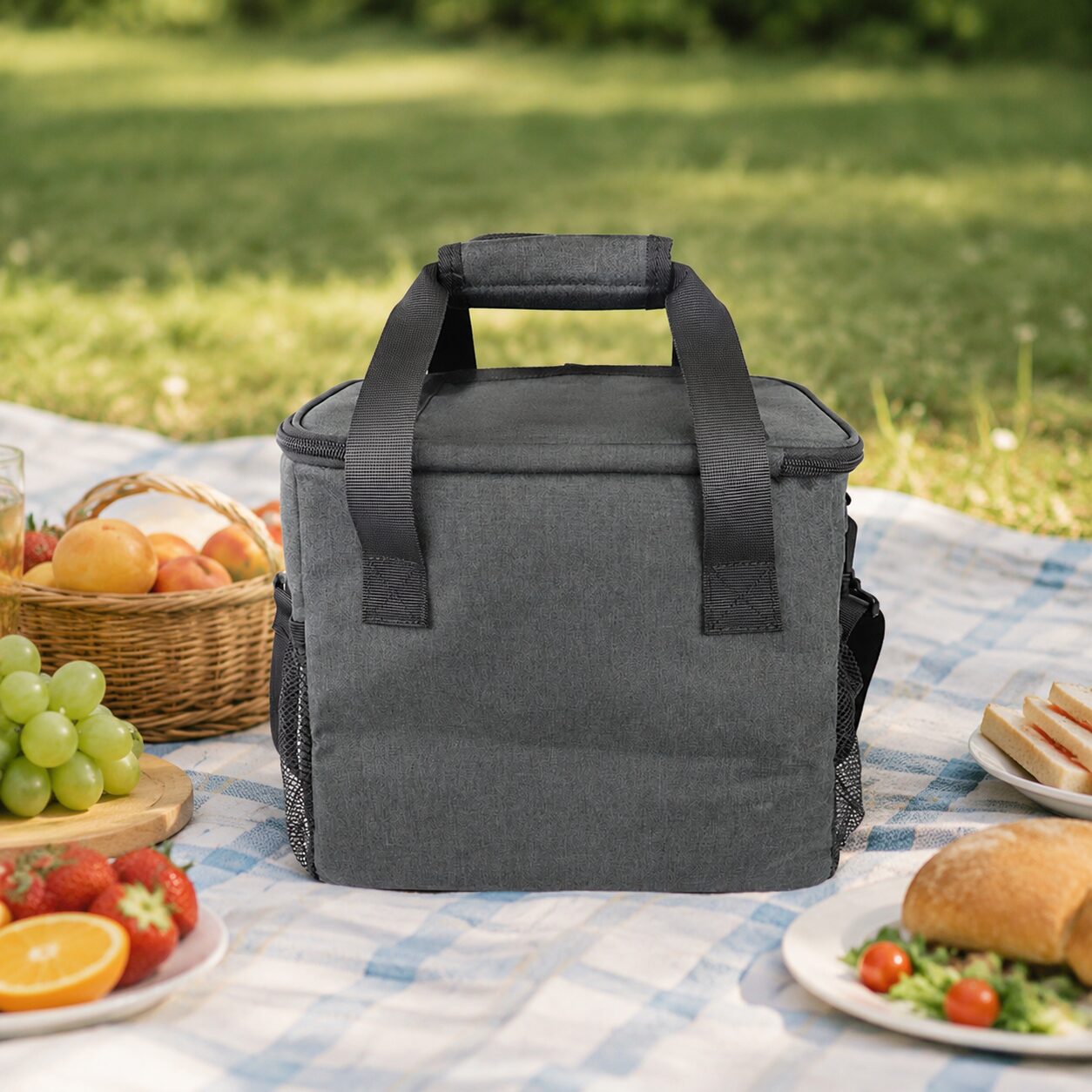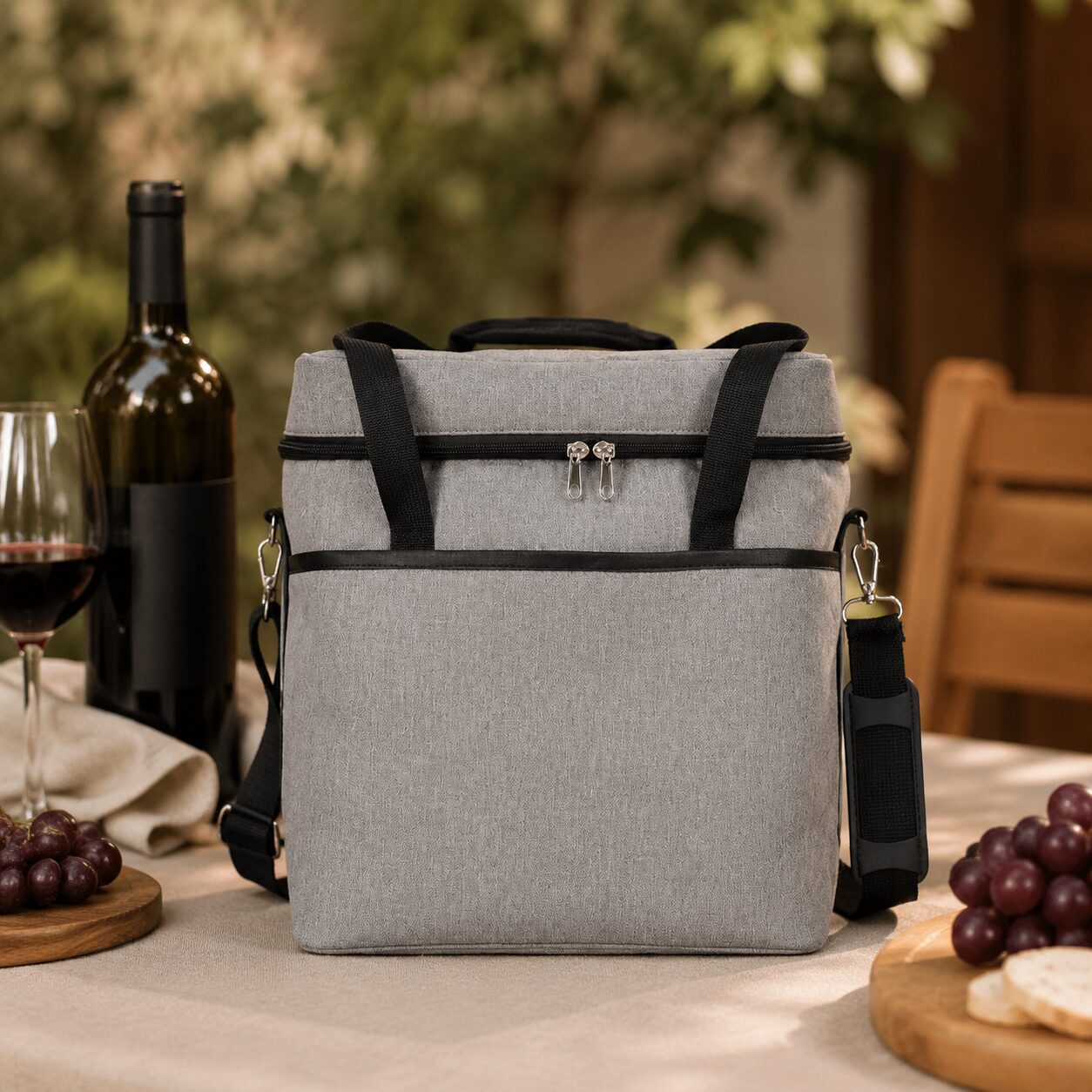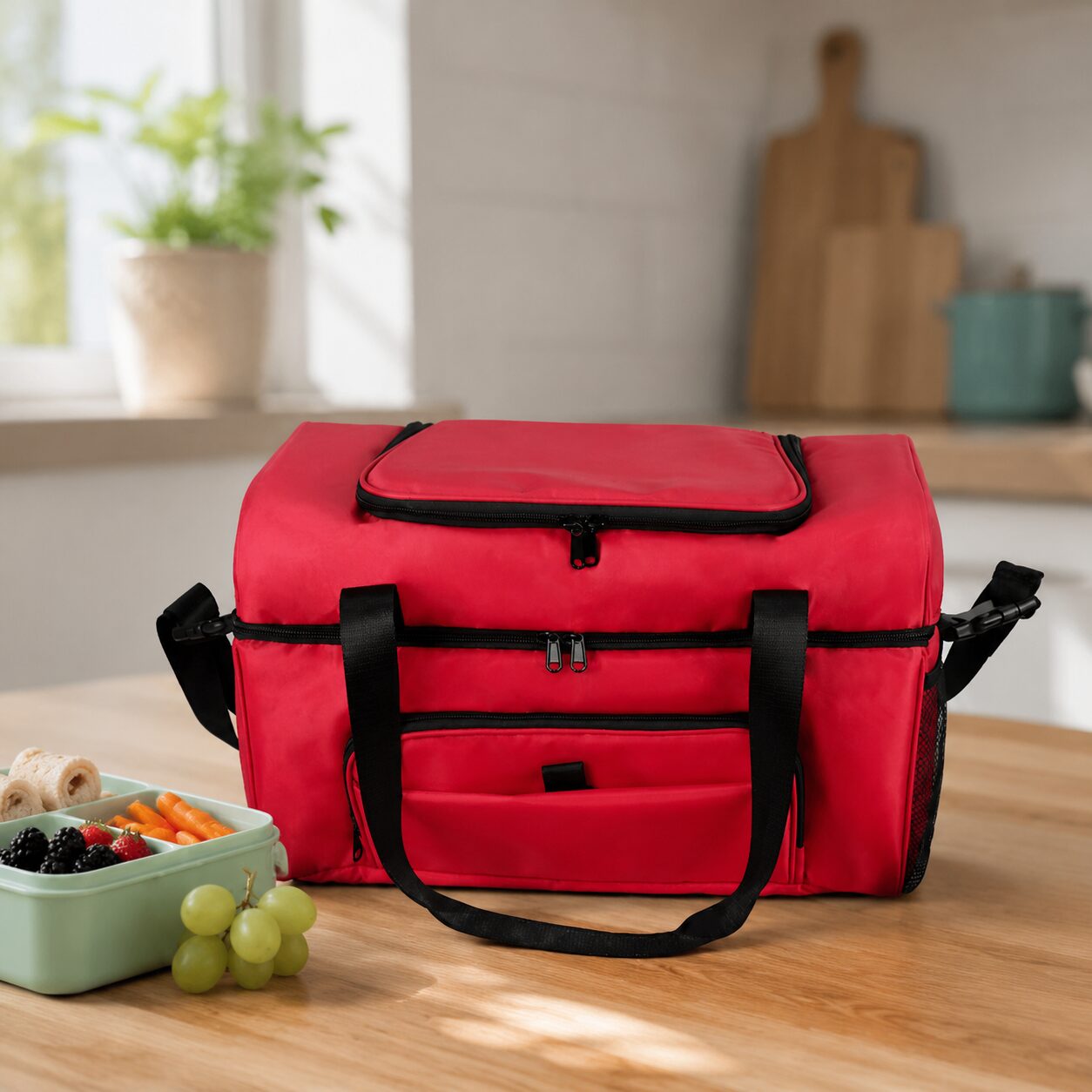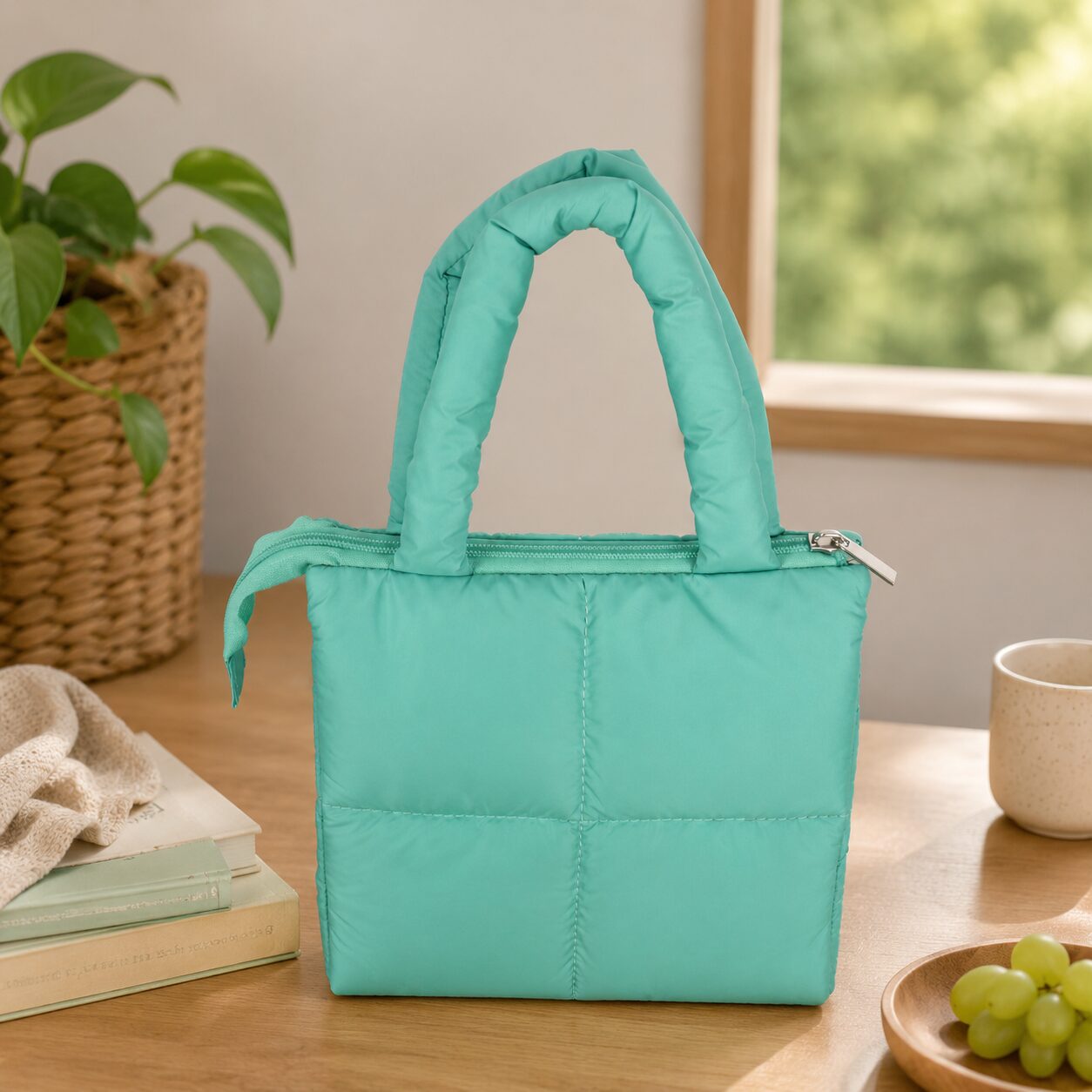

1. The 3-Hour Melt Crisis: Why Your Beach Day Cooler Is Failing
The failure of a cooling container during a day trip is more than an inconvenience; it is a fundamental breakdown of product promise. When a cooler bags for beach usage arrives at its destination only to leak melted ice into the sand, the end-user experience is irrevocably damaged. This “3-hour melt crisis” often originates from thermal leakage through traditional needle-holes, which act as microscopic bridges for heat infiltration. Most conventional manufacturing processes rely on stitching to join panels, yet this technique creates thousands of tiny entry points that allow ambient heat to degrade the internal environment. Professional procurement managers must understand that a cooler bags for beach product is not merely a storage vessel but an engineering solution that must withstand the harshest UV exposure and high heat. By analyzing the thermal decay curves of standard bags, we see that bags failing within three hours are typically suffering from compromised seam integrity that simply cannot be fixed with traditional sewing.
- Thermal Leakage: Needle punctures serve as active heat conductors, constantly sabotaging the internal cooling efficiency.
- Performance Failure: Direct UV exposure amplifies the structural weakness of stitched seams, leading to accelerated ice melt.
- Customer Dissatisfaction: Leaking ice and warm food are the primary drivers of negative feedback for outdoor gear brands.
| Thermal Factor | Operational Risk | Engineering Solution |
| Seam Integrity | Conductive heat gain | RF seamless welding |
| External UV Exposure | Thermal surface absorption | Multi-layer reflective coating |
| Material Porosity | Moisture wicking | Molecular polymer fusion |
2. The Flaw in the Fabric: Why Stitching is Not Enough for Sand and Water
Conventional manufacturing just doesn’t cut it when it comes to coastal environments. Standard manufacturing just doesn’t cut it for coastal environments. Any beach insulated bag or outdoor cooling bag is constantly up against salt, sand, and condensation—all of which exploit the tiny structural gaps left behind by traditional sewing needles. Look closely at those stitch-lines and you’ll see the thread acting like a wick, drawing moisture straight through the outer shell and right into the insulation. It gets worse: abrasive sand particles inevitably work their way into those seams, grinding down the fabric and hardware until the bag’s structural integrity finally gives out.For any brand that values long-term durability, relying on traditional assembly for a beach insulated bag is a strategic error that compromises the pressure and thermal stability of the entire system.
- Capillary Action: Stitched seams act as conduits for humidity, effectively destroying the insulation’s dry-cell efficiency.
- Sand Migration: Abrasive sand particles penetrate stitched gaps, causing long-term structural wear on internal components.
- Pressure Loss: Internal pressure—vital for holding the cold air—is lost through every micro-aperture, leading to rapid cooling failure.
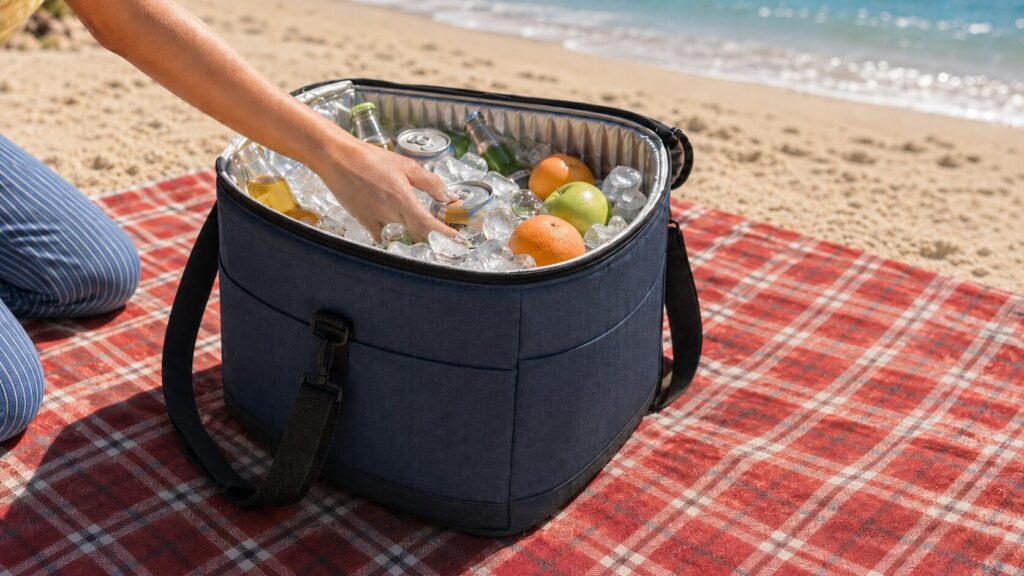
3. RF Seamless Welding: The High-Frequency Solution to Thermal Leaks
To achieve perfect thermal retention in cooler bags for beach or beach food cooler use, you must eliminate seams entirely via Radio Frequency (RF) welding. Forget stitching—it just leaves you with weak spots for heat and moisture to sneak in. RF welding, on the other hand, fuses thermoplastic polymers at the molecular level, creating a truly seamless, airtight structure. This barrier is the only real engineering fix for blocking heat and stopping corrosion from salt and sand. When it comes to high-performance cooler bags for beach use, this level of construction doesn’t just improve durability; it gives your brand an immediate, massive competitive edge.
- Molecular Fusion: Thermoplastic layers are permanently merged, making the joint stronger than the individual panels.
- Airtight Barrier: The absence of punctures creates a hermetic seal that prevents the exchange of thermal energy.
- Elemental Resilience: Welded surfaces are perfectly smooth, providing no purchase for salt or sand to cause damage.
4. Engineering the Ultimate Beach Food Cooler
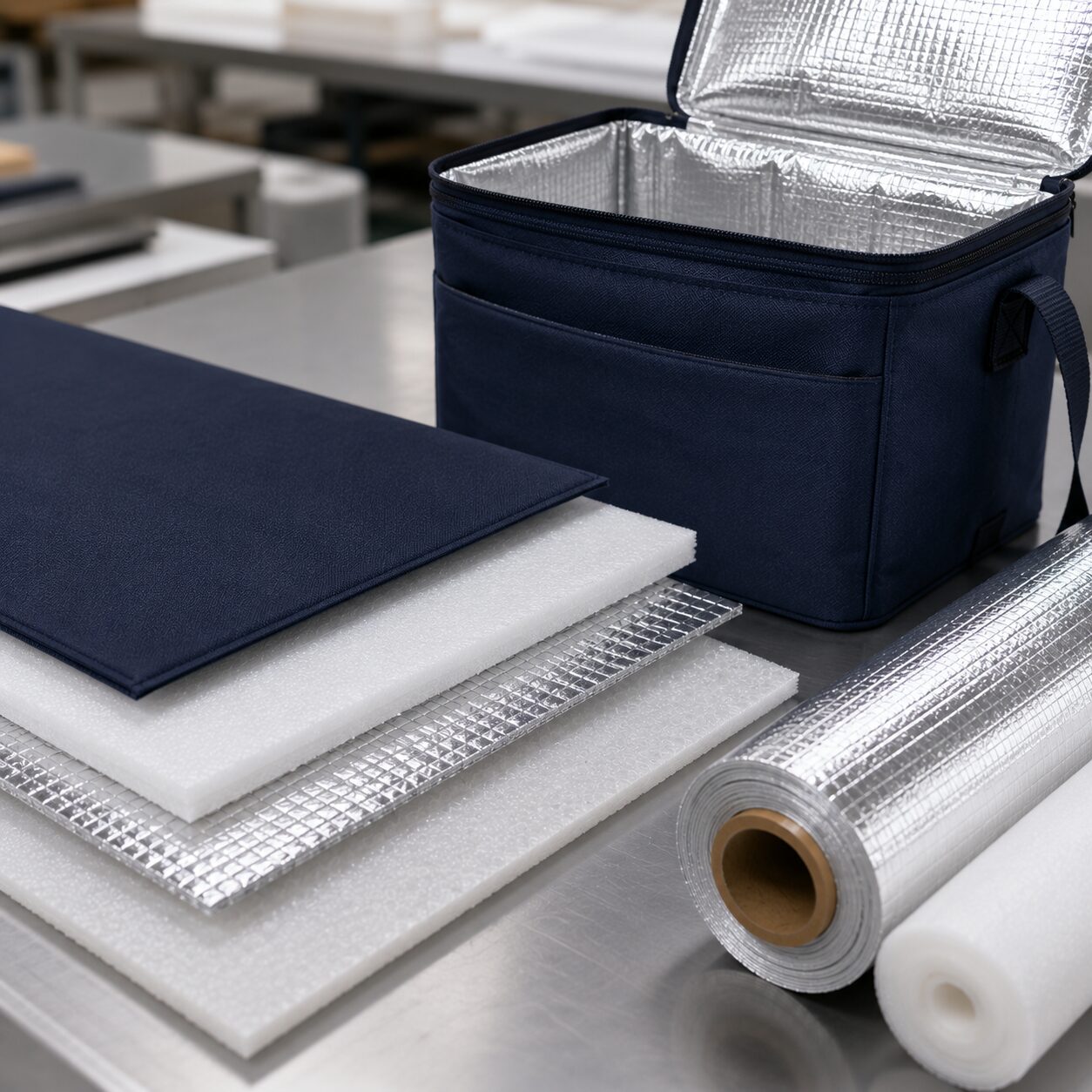
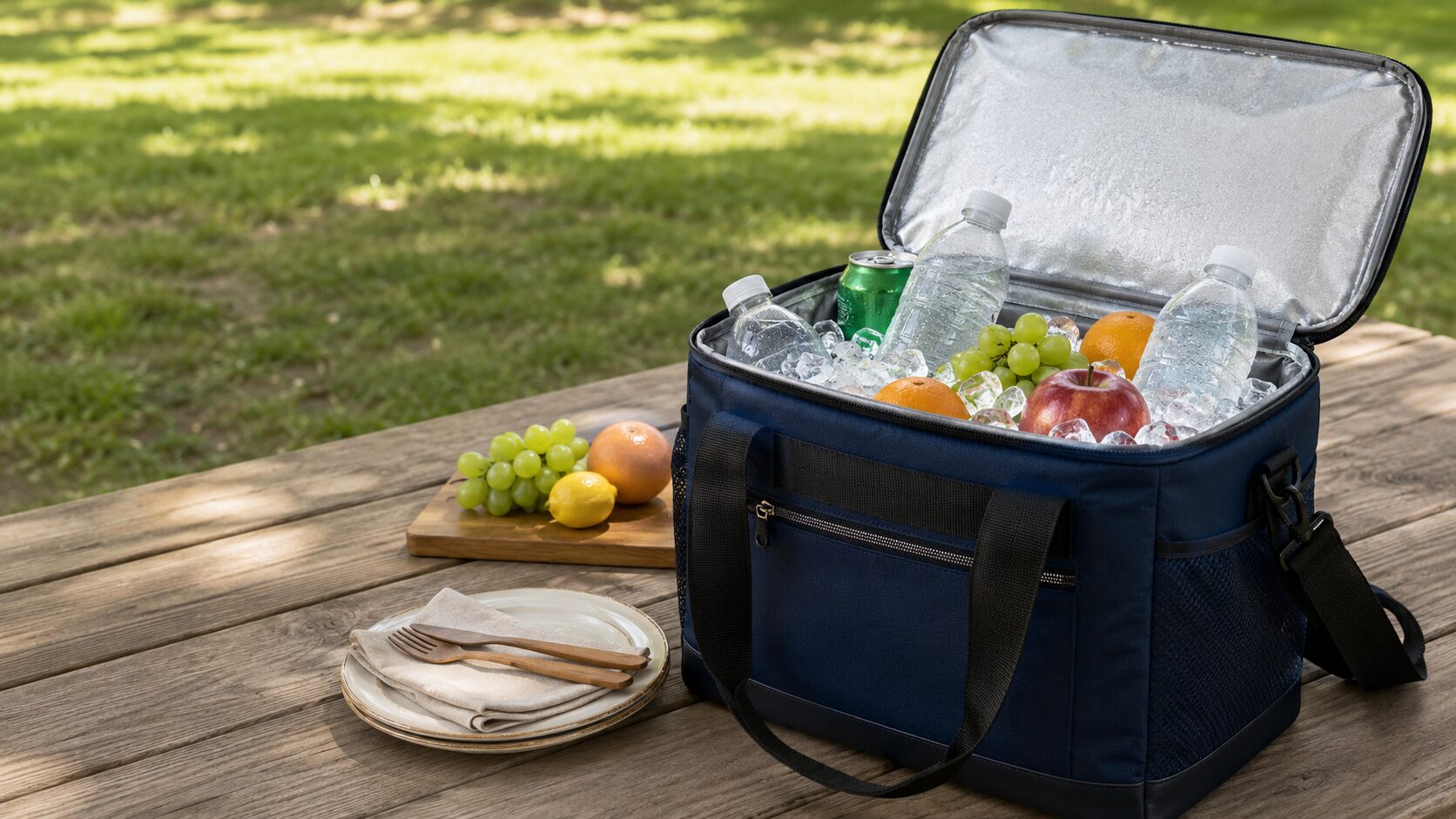
Building a professional-grade beach food cooler means obsessing over the thermal decay curve, especially when it’s being hammered by direct sunlight. A top-tier beach food cooler relies on a multi-layer build where every material is chosen to either reflect, absorb, or block heat. We also fine-tune the geometry to minimize the surface-area-to-volume ratio—a simple but critical factor in slowing down thermal exchange and keeping your contents colder for much longer.Every structural junction is welded to ensure the bag remains fully leak-proof even when filled to its maximum capacity with ice and liquid, providing absolute confidence during professional-grade use.
- Thermal Performance: We blast-test every design in 40°C heat to ensure it keeps contents frozen for 12+ hours.
- Built to Last: Featuring a rigid base and reinforced welded walls, these bags are engineered to maintain their shape, even when loaded to the brim.
- Leak-Proof Reliability: Our precision welding creates an airtight reservoir, so you never have to worry about melted ice or spills escaping.
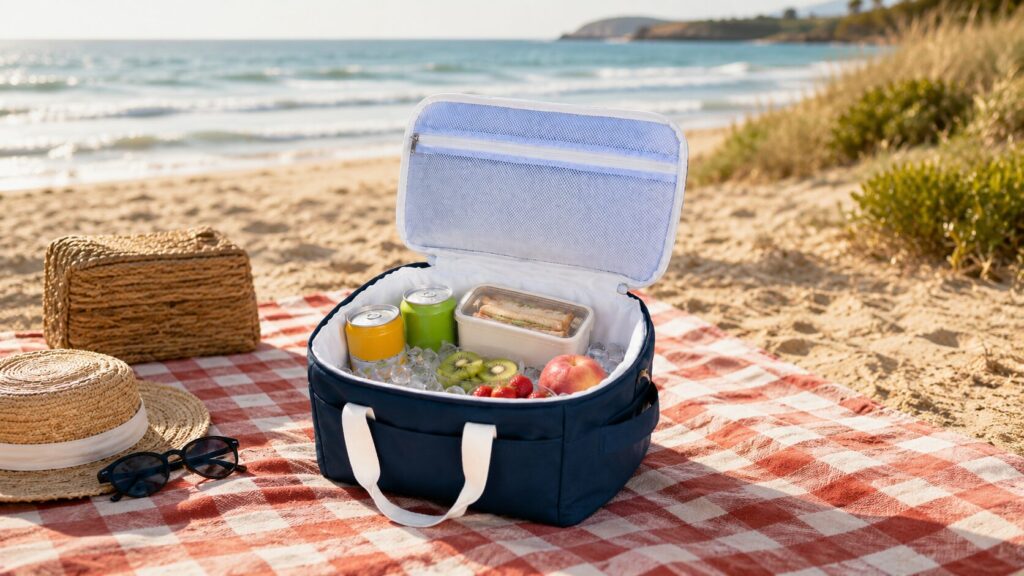
5. Versatility in Motion: Beyond the Beach
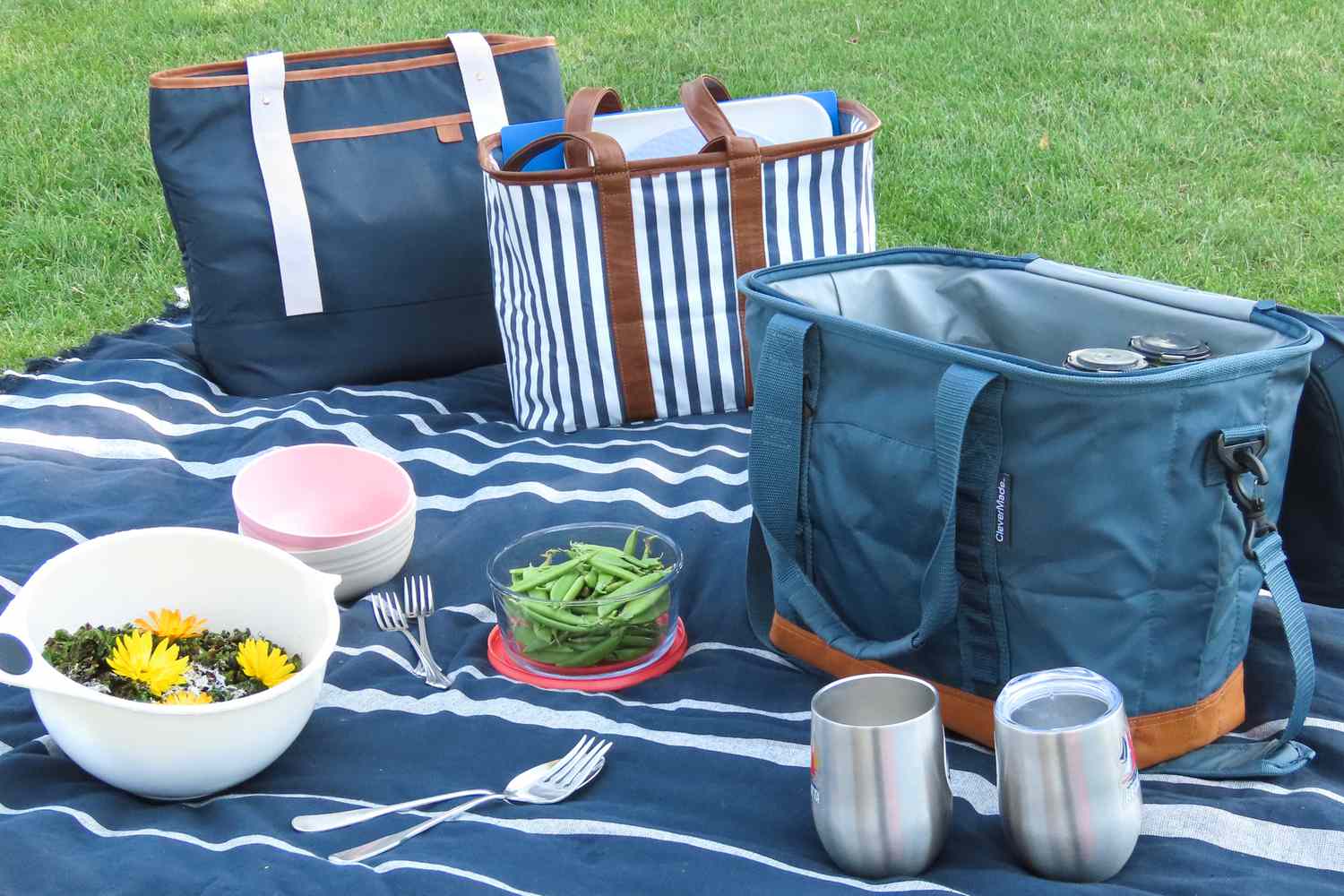
While high-performance cooling is vital for the coast, the utility of an outdoor cooling bag should extend to every extreme environment. From high-altitude mountain trekking to long-haul travel, a travel insulated cooler must offer a multi-layer insulation architecture that provides performance longevity regardless of the location. Our designs prioritize a flexible, packable frame that does not sacrifice the high-density insulation required for long-distance transport. Our welded cooling solutions perform consistently in both arid and humid environments. This versatility lets your brand capture broader outdoor markets by positioning your products as essential gear for any adventure.
- Packable Durability: High-density materials collapse for storage without compromising weld strength.
- Thermal Efficiency: Multi-layer insulation is calibrated for consistent performance in varying conditions.
- Broad Utility: The welded structure is engineered for high-demand sports, hiking, and catering use.
6. The OEM Advantage: How Aimazing Bag Locks in Performance
Aimazing Bag brings over 26 years of technical engineering pedigree to the high-end manufacturing sector. We have refined the RF welding process to meet the stringent demands of global high-end brands that refuse to compromise on quality. Our facility operates under a rigorous quality assurance protocol, ranging from material load testing to real-world thermal stress analysis. We understand that your brand’s reputation relies on the performance of the bag in the field. By translating our engineering expertise into your product volume, we ensure that you are not just purchasing a cooling bag, but a high-performance asset that protects your market position.
- Technical Mastery: 26 years of continuous engineering refinement allow us to achieve welds that are visually perfect and structurally superior.
- Stress Analysis: We subject every prototype to thermal imaging and load-stress evaluations to certify its performance.
- Consistency: Our automated welding protocols ensure that every unit in a hundred-thousand-piece run meets the identical quality standard.
7. Final Verdict: Future-Proof Your Brand with Premium Manufacturing
The future of the outdoor gear market lies in superior hardware specs and uncompromising manufacturing technologies. Customers are increasingly educated, and they are quick to abandon brands that deliver “melt-in-three-hours” quality. By upgrading your product lineup to incorporate RF-welded solutions, you transform customer complaints into long-term brand loyalty. We are ready to help you future-proof your product roadmap. Request a sample of our welded cooling solution today to see why premium manufacturing is the only viable path for a brand that intends to lead the market. Let us show you how our engineering can solve your thermal melt crisis once and for all.