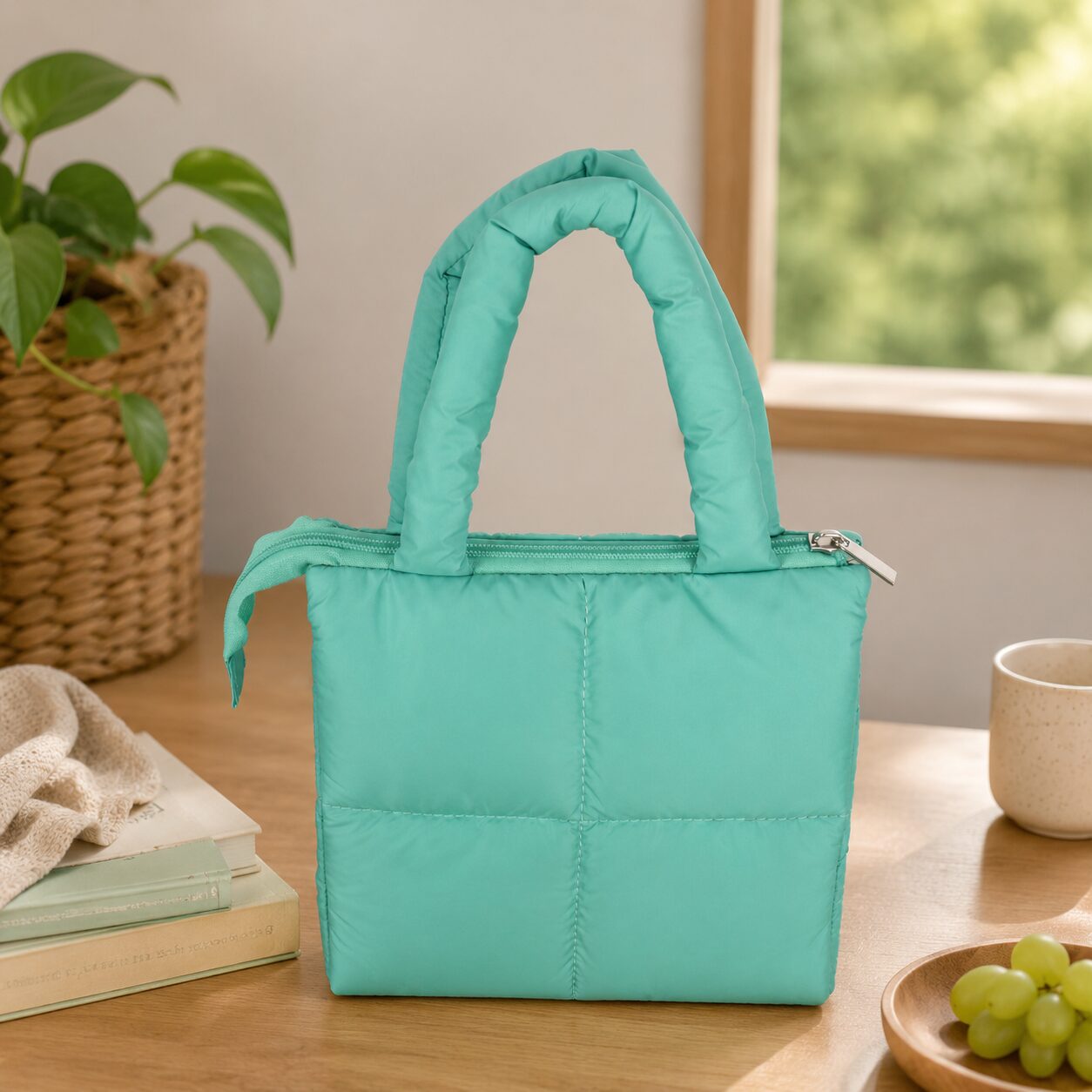

1. Mastering Thermal Retention: Why Delivery and Outdoor Use Demand More from a Keep Cooler Bag
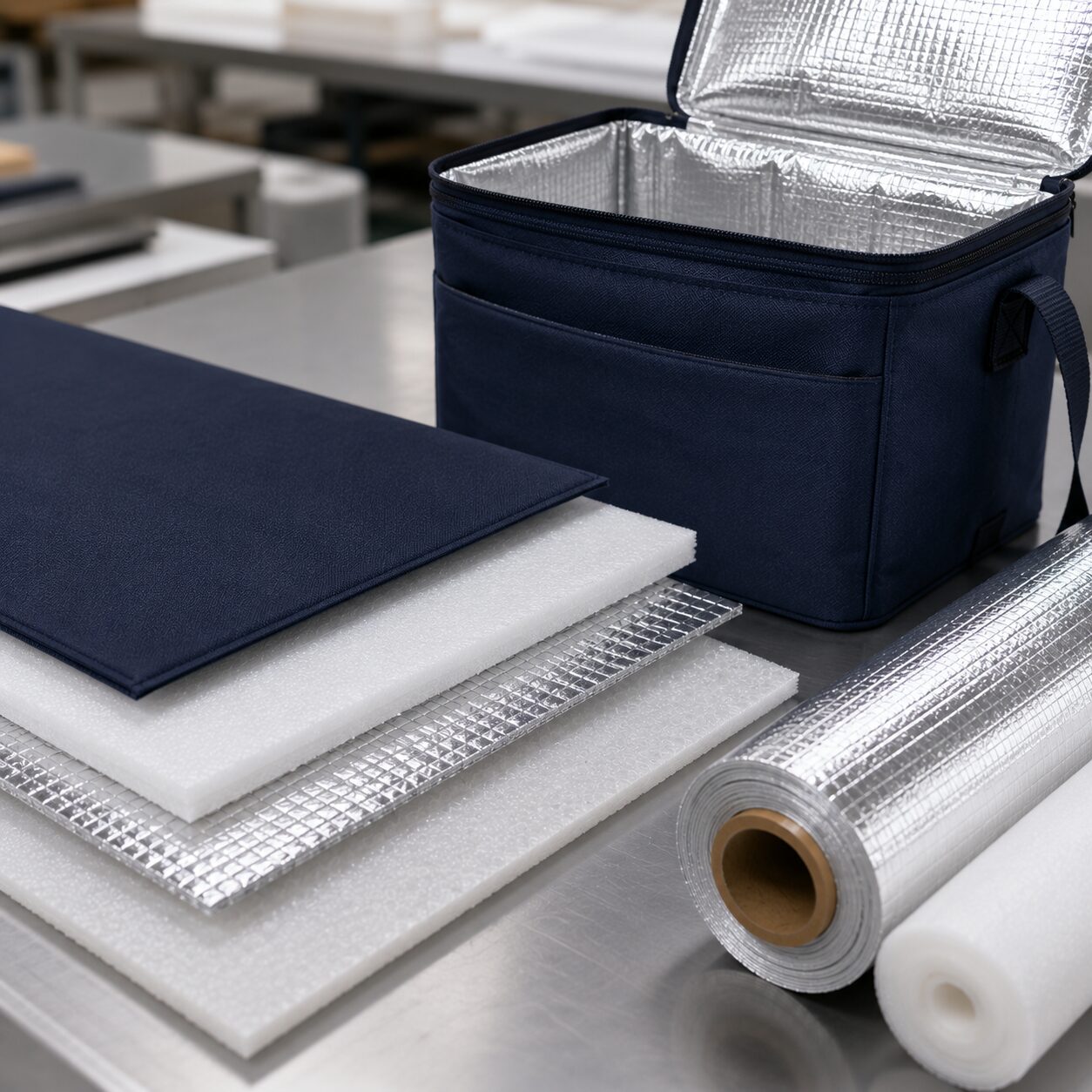
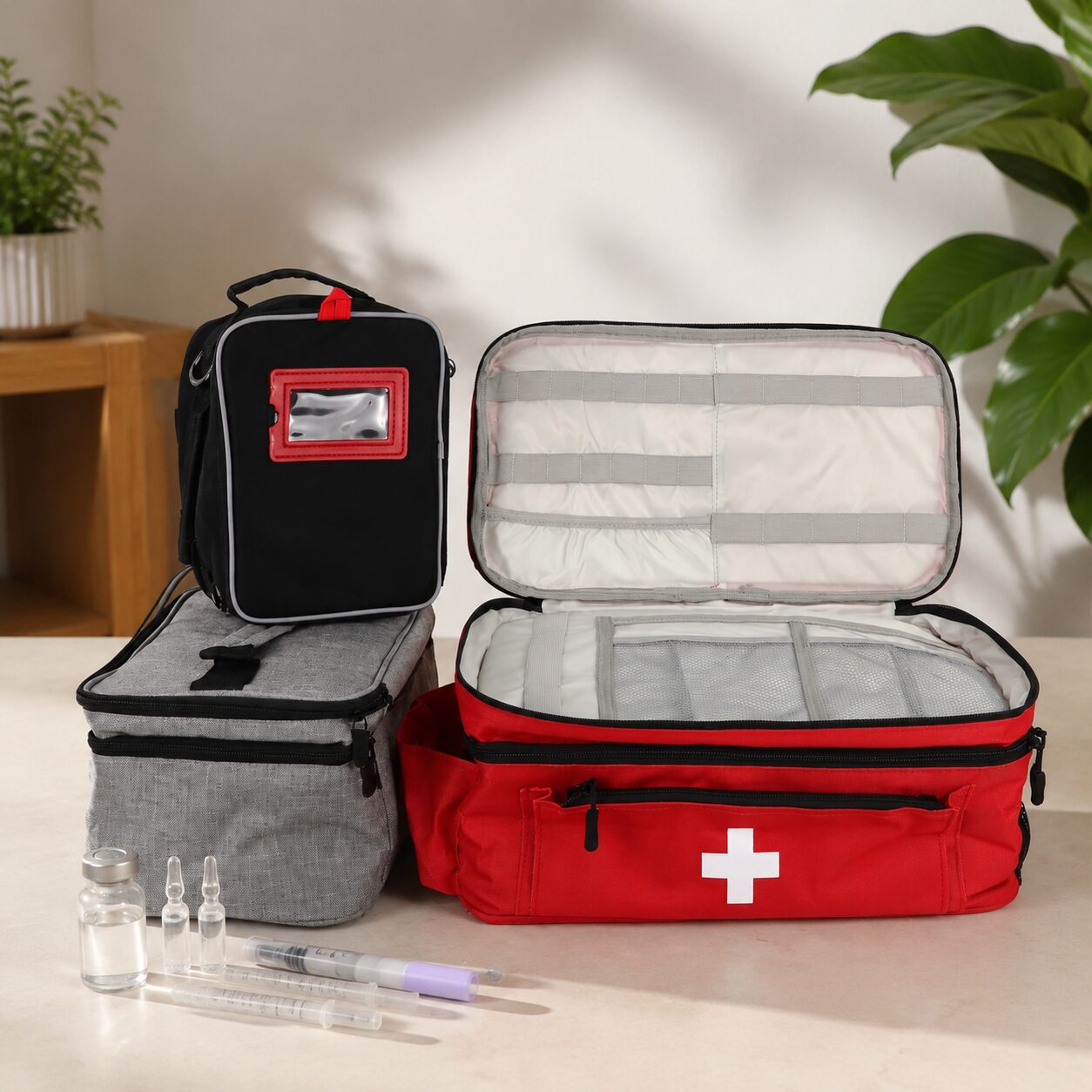
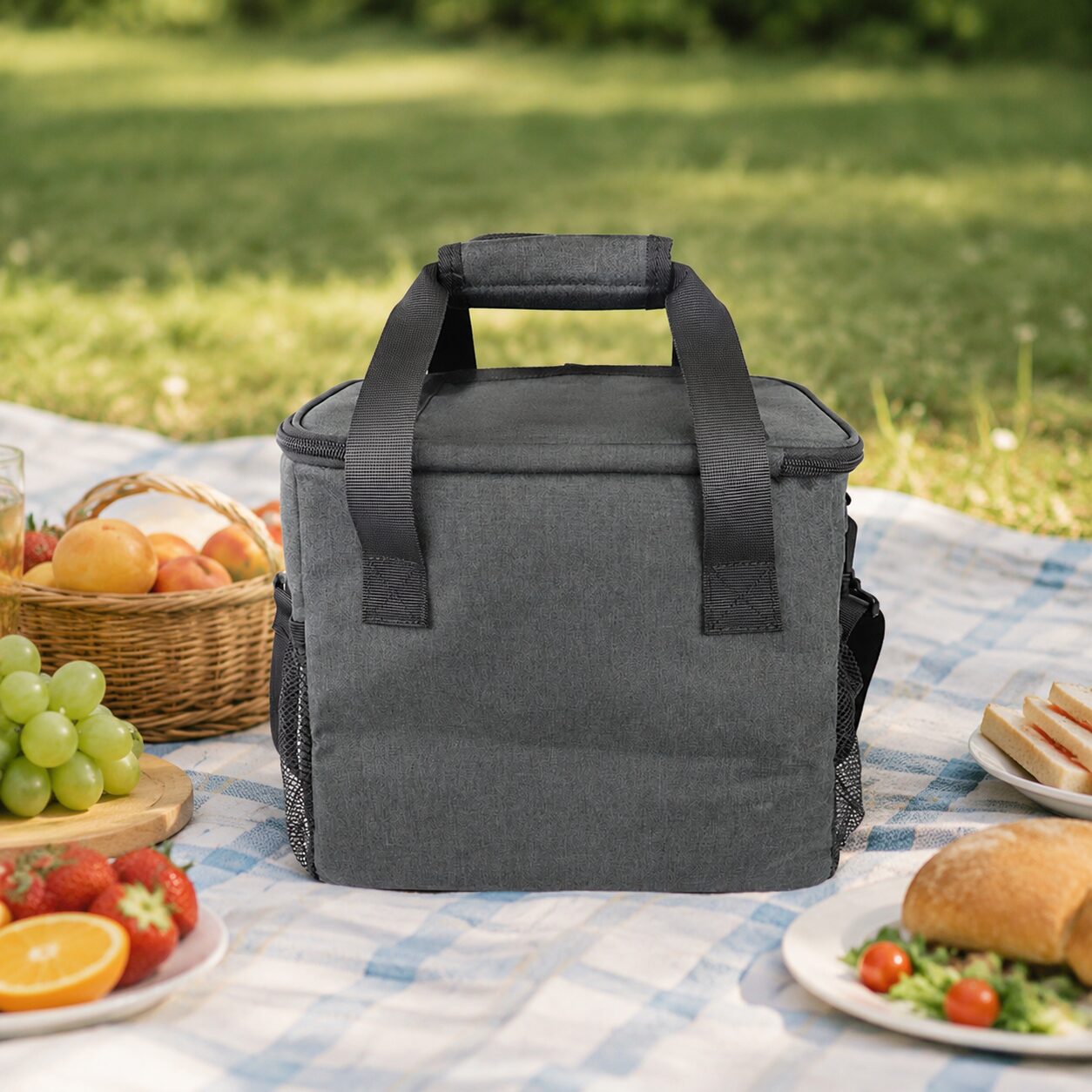
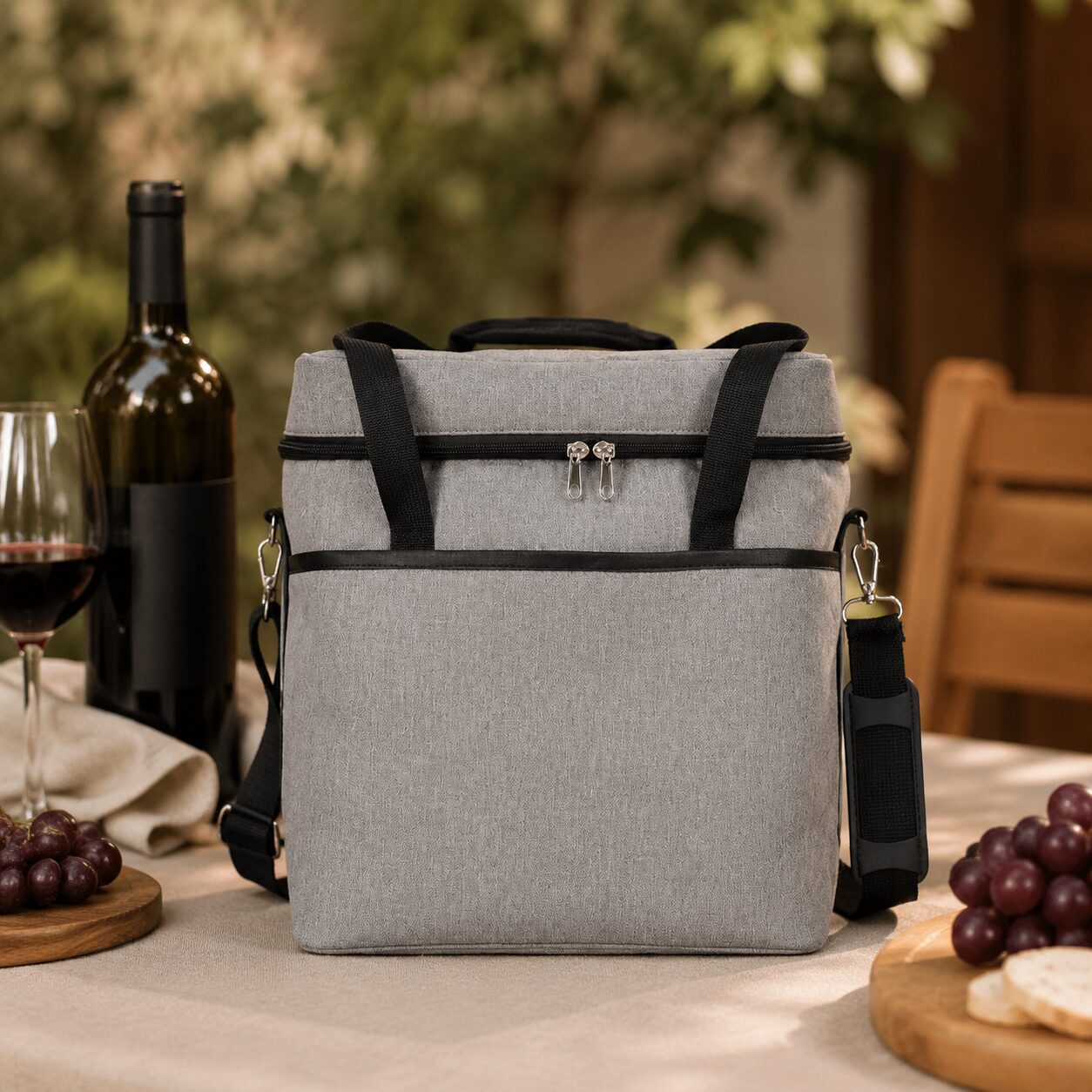
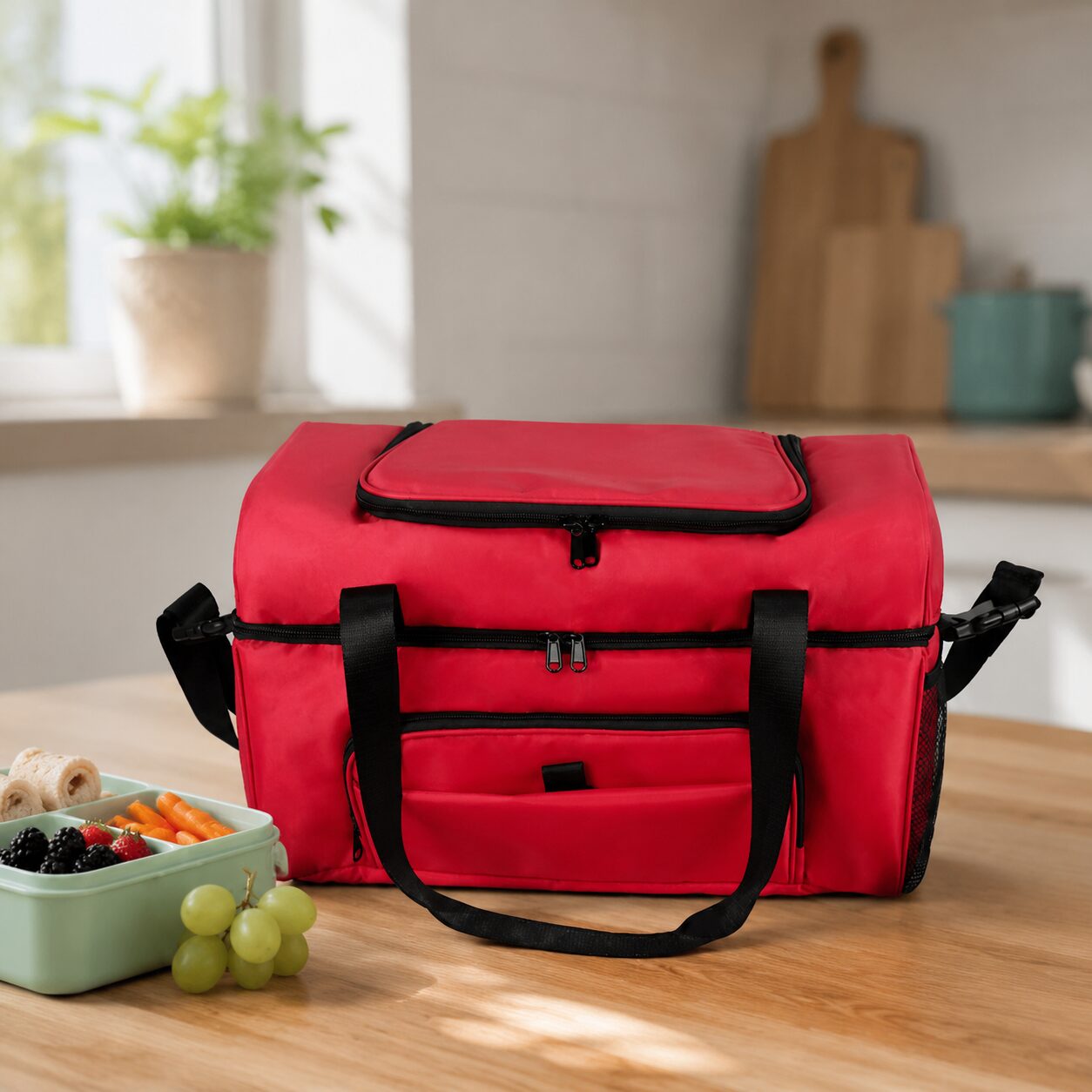
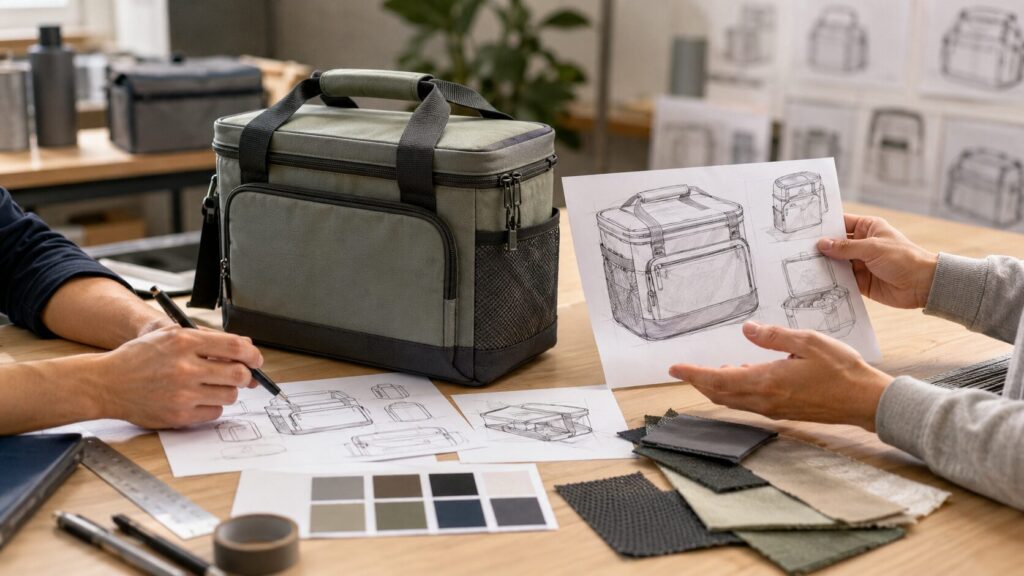
What’s inside matters way more than just the surface styling when you’re building a commercial thermal delivery collection. Major retail brands know that true durability comes down to the hidden reinforcement layers, not just picking a nice-looking face fabric. Choosing tough underlying materials is what guarantees every unit stands up to rough outdoor use without sagging or losing its shape. That’s why procurement teams need to dig deep into the core textile engineering before launching any custom insulated bag line or keep cooler bag. Direct communication with manufacturing facilities allows brand directors to bypass costly broker fees entirely. Securing transparent raw material certifications ensures that fabric tensile strengths match exact laboratory testing thresholds without distributor dilution. Sourcing a high-performance keep cooler bag series through an OEM partner guarantees precise control over heavy-duty webbing strength and insulation thickness. Digital tech packs transform into tangible retail items rapidly because engineering teams communicate modifications instantly without bureaucratic lag. Industrial manufacturing scale allows emerging brands to maximize profit margins while maintaining absolute delivery reliability across massive international inventory volumes.
| Sourcing Dimension | Traditional Trading Approach | Direct OEM Manufacturer Approach |
| Supply Chain Transparency | Low visibility with multiple intermediaries | Complete oversight from raw material to bulk delivery |
| Cost Efficiency | Higher baseline pricing due to agent markups | Optimized production costs and maximum profit margins |
| Prototyping Agility | Slow sample turnaround with communication gaps | Rapid tech pack execution and direct engineering support |
2. Pre-Chilling and Packing Strategies: How to Keep Cooler Cold Efficiently
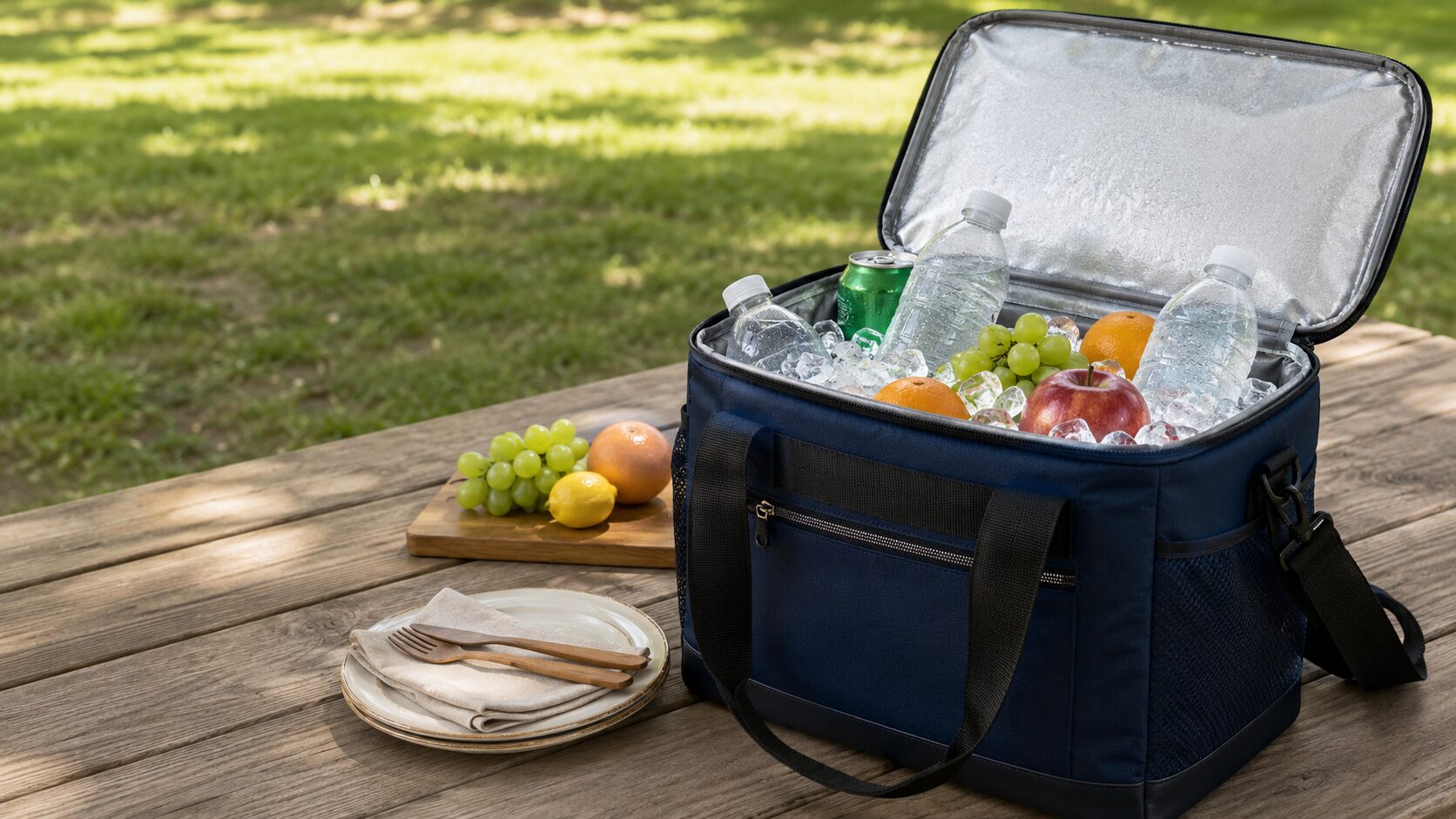
Thermal preparation protocols determine whether perishable grocery items survive multi-stop delivery routes without experiencing premature temperature spikes. Transport operators utilize commercial refrigeration units to drop internal container temperatures before loading sensitive food cargo. Mastering how to keep cooler cold requires eliminating empty air pockets that accelerate convective heat transfer inside closed chambers. Factory engineers tweak the dimensions of every cargo compartment so standard meal trays fit in there snug and square. When you pack perishable items nice and tight together, they form a solid thermal mass that naturally fights off outside heat while you’re on the move. Logistics managers also keep an eye on internal humidity sensors to make sure the condensation management holds up under heavy loads. On the delivery end, drivers use insulated divider panels to keep frozen goods separated from chilled drinks inside the same keep cooler bag run.
- Pre-chilling inner compartments using refrigerated panels absorbs residual ambient heat before loading fresh perishable items.
- Eliminating internal air gaps prevents convective air currents from accelerating internal ice melting rates.
- Packing items tightly together creates a thermal mass that stabilizes internal temperatures during transit.
3. Selecting the Right Coolant: Optimizing Cooler Bag and Ice Pack Synergy
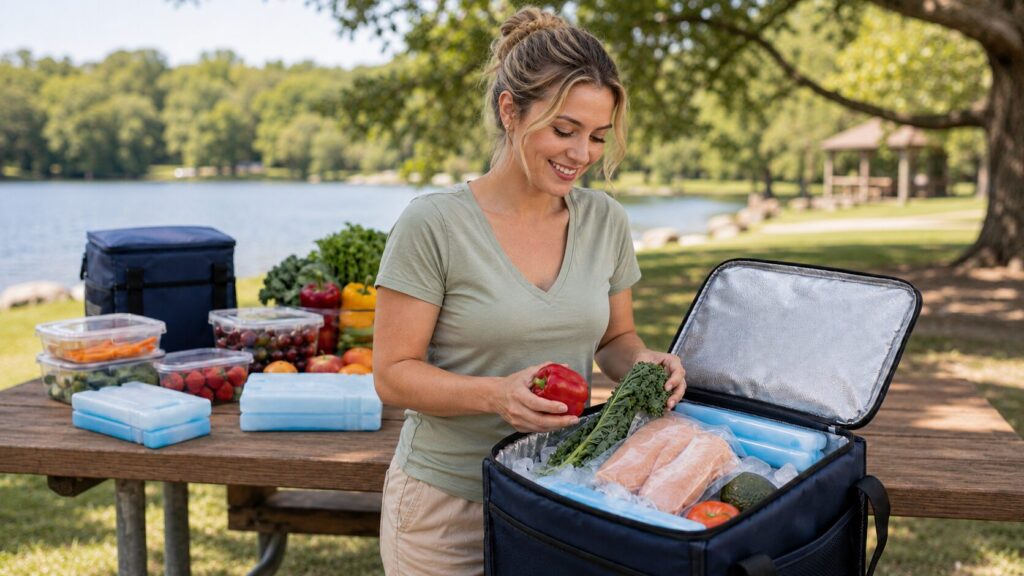
Coolant selection dictates the overall cooling duration of commercial insulated delivery packs operating under severe ambient conditions. Sourcing a balanced cooler bag and ice pack configuration involves calculating exact latent heat absorption requirements per cubic liter. Rigid phase change material blocks release stored thermal energy slowly across extended urban delivery routes without leaking fluid. Flexible gel blankets conform closely to awkward food packaging shapes to eliminate exposed thermal transition zones.
Factory inspectors test coolant puncture strength with drop hammers before signing off on final assembly. To keep things running efficiently, logistics teams pack the ice packs right up top so the cold air naturally sinks down over everything. Plus, the automated sewing lines build in these little interior loops that strap the cool packs tight against the sidewalls so they don’t bounce around when you’re driving. That kind of smart design is what helps a good keep cooler bag actually do its job out on the road.
- Rigid phase change material blocks release stored cooling energy slowly across extended delivery routes.
- Flexible gel blankets conform closely to awkward food packaging shapes to eliminate exposed thermal zones.
- Placing primary cooling sources directly above perishable cargo utilizes downward cold-air convection effectively.
4. Specialized Transport: Designing a Cooler Bag for Frozen Food Delivery
Sub-zero grocery logistics demand specialized structural engineering to protect frozen meals from ambient heat spikes during transit. Sourcing a specialized cooler bag for frozen food requires heavy-duty radiant barrier films that reflect external solar radiation. Factory production lines incorporate multi-layered insulation cores featuring high-density polyethylene thermal breakers along zipper tracks. Industrial sewing technicians reinforce bottom load-bearing panels to withstand the immense dead weight of heavy frozen grocery batches. Quality assurance directors perform rigorous drop-impact audits on packed frozen transport units before approving bulk export shipments. Thermal engineers optimize fastener placements to prevent cold-air leakage around enclosure perimeters during frequent opening cycles. Automated cutting tables ensure exact alignment of vapor-barrier membranes to maintain airtight sub-zero performance standards.
- Multi-layered radiant barrier films reflect external solar heat away from sub-zero frozen meal packages.
- High-density polyethylene thermal breakers prevent heat transfer along structural zipper closure tracks.
- Reinforced bottom panels withstand the immense dead weight of heavy frozen grocery batches.
5. The Role of Insulation and Linings: Preventing the “Bag of Colding” Trap
Substandard thermal manufacturing turns inexpensive insulated containers into an ineffective bag of colding that fails during extended trips. Premium closed-cell foam insulation blocks conductive heat transfer from hot vehicle trunk surfaces effectively. Heavy-duty heat-welded interior linings prevent melted condensation from soaking into structural core layers and causing mold growth. Precision edge binding seals raw fabric margins completely to eliminate internal thermal leakage paths around stitching lines. Factory technicians calibrate high-frequency welding generators continuously to maintain optimal molecular fusion thresholds across seams. Laboratory testing chambers measure thermal decay coefficients to verify that finished units meet strict commercial insulation standards. Supply chain managers audit raw material suppliers regularly to guarantee consistent foam density and thickness specifications.
- Premium closed-cell foam insulation blocks conductive heat transfer from hot vehicle trunk surfaces.
- Heavy-duty heat-welded interior linings prevent melted condensation from soaking into structural core layers.
- Precision edge binding seals raw fabric margins completely to eliminate internal thermal leakage paths.
6. Environmental Control: Managing Summer Heat and Transit Hazards
Extreme summer weather conditions test the absolute performance limits of commercial delivery equipment operating in urban environments. Shielding delivery units from direct sunlight inside vehicle cabins prevents extreme surface temperature surges on outer fabrics. Minimizing total open-door time during multi-stop delivery routes preserves stable internal humidity and chill levels. Utilizing auxiliary reflective blankets during peak afternoon heatwaves adds an extra layer of thermal defense for delicate cargo. Fleet supervisors train delivery personnel on proper loading sequences to reduce open-container exposure times. Environmental testing chambers simulate intense solar radiation exposure to verify exterior fabric colorfastness and UV resistance. Transport coordinators schedule delivery routes strategically to minimize vehicle idle times under direct sunlight.
- Shielding delivery units from direct sunlight inside vehicle cabins prevents extreme surface temperature surges.
- Minimizing total open-door time during multi-stop delivery routes preserves stable internal humidity and chill.
- Utilizing auxiliary reflective blankets during peak afternoon heatwaves adds an extra layer of thermal defense.
7. The Aimazing Advantage: Engineering Excellence in Thermal Solutions
Aimazing Bag delivers robust manufacturing support for global thermal accessory brands worldwide. As an established direct factory partner we combine advanced heat-welding techniques and strict quality control protocols to ensure every production batch meets international standards. Contact our dedicated engineering team today to review technical specifications and schedule your commercial production.