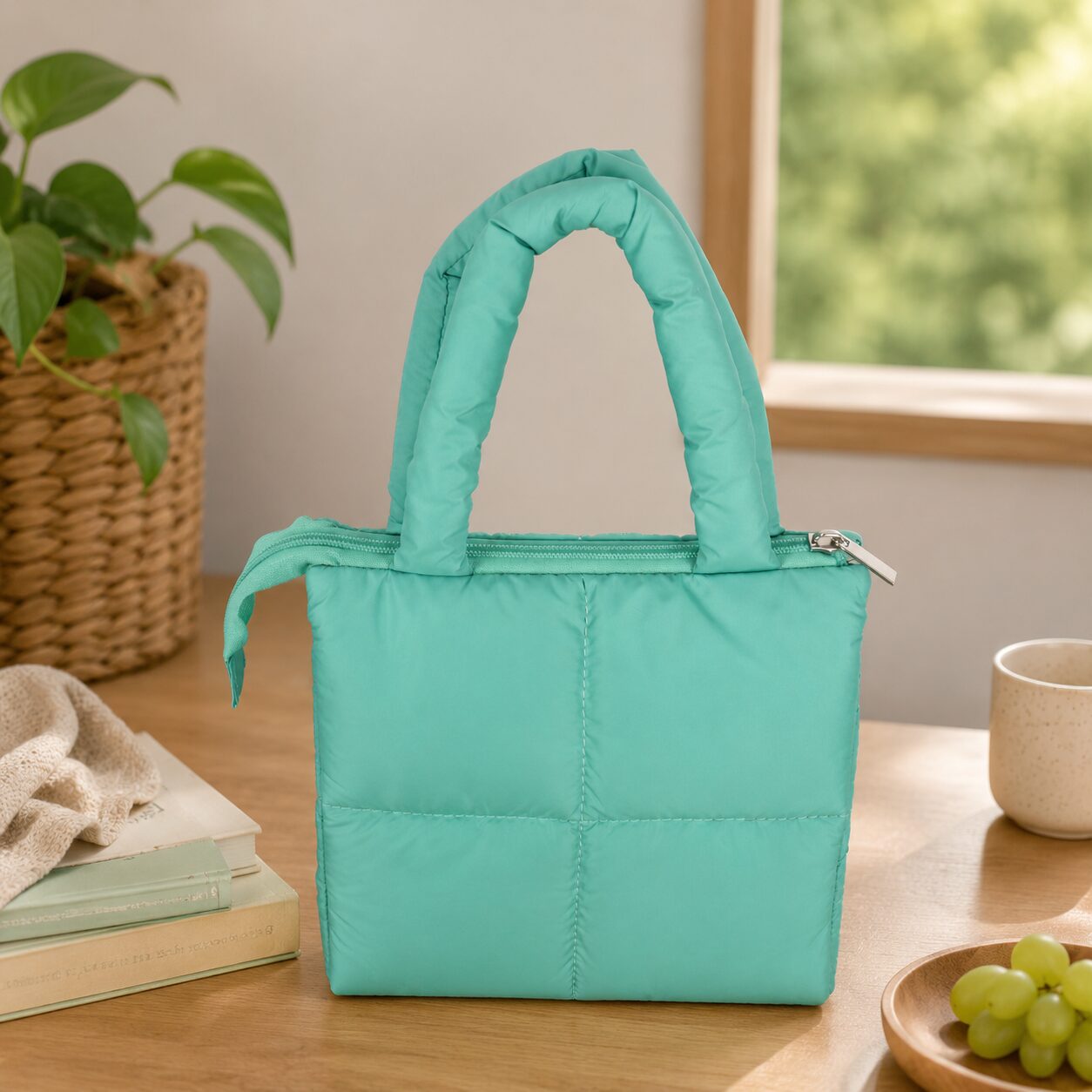

1. The Physics of Thermal Retention: Understanding Insulation for Coolers
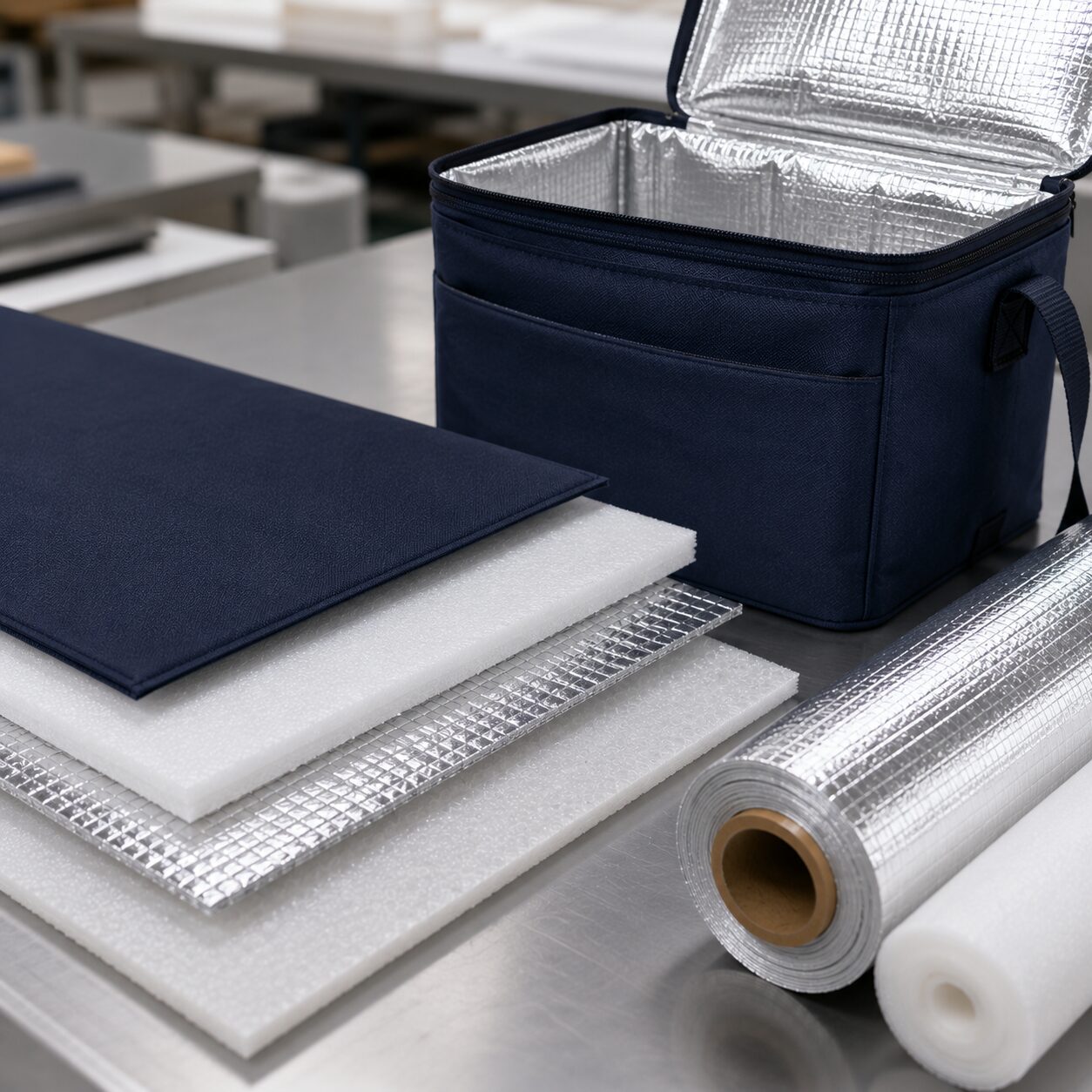
Advanced insulation for coolers stops heat exchange by combining low thermal conductivity textiles with high-reflectivity metallized barriers. Traditional woven fabrics absorb ambient warmth through direct molecular vibration, but engineered thermal textiles introduce trapped static air pockets to impede this conductive heat flow. Simultaneously, microscopic aluminum vapor deposits reflect infrared thermal radiation away from the internal storage chamber to maintain stable internal temperatures during transport. OEM testing proves that proper material architecture eliminates temperature drift across diverse environmental conditions for high-performance units. Brand buyers must evaluate internal quality rather than focusing solely on exterior canvas texture to ensure long-term retail success.
| Evaluation Metric | Technical Specification | Commercial Impact |
| Thermal Conductivity | Low micro-pore transfer rate using closed-cell synthetic structures | Prevents ambient outdoor heat from spoiling perishable contents |
| Reflective Capacity | Dual-sided aluminum vapor deposition with high infrared deflection | Rejects radiant solar energy during extended transit cycles |
| Mechanical Durability | High-density tensile strength under heavy daily loading cycles | Eliminates structural degradation and reduces customer returns |
2. Material Science Breakdown: Identifying the Best Insulating Fabric
Selecting the right textile requires comparing the thermal and structural properties of high-density EPE foam, closed-cell polyurethane, and flexible Neoprene. When brands evaluate each available option to source the best insulating fabric, they prioritize compression recovery and consistent thickness profiles for bulk manufacturing runs. Expanded polyethylene foam delivers superior thermal resistance and structural rigidity at a lightweight profile for commercial transport applications. While neoprene brings great stretch and flexibility to the table, it simply cannot hold its own against extreme outdoor heat for very long. When you look closely at insulation for coolers, factory lab tests consistently back up what seasoned makers already know: closed-cell EPE foam remains the gold standard for high-performance commercial food transport.
- Density optimization: High-density EPE foam traps static air pockets to deliver maximum thermal resistance.
- Polyurethane rigidity: Closed-cell polyurethane offers exceptional structural memory under heavy payload pressures.
- Fabric selection: Choosing advanced textiles guarantees that products qualify as the best insulating fabric in competitive markets.
3. Tailoring Thermal Solutions: Insulating Fabric for Lunch Bag Applications
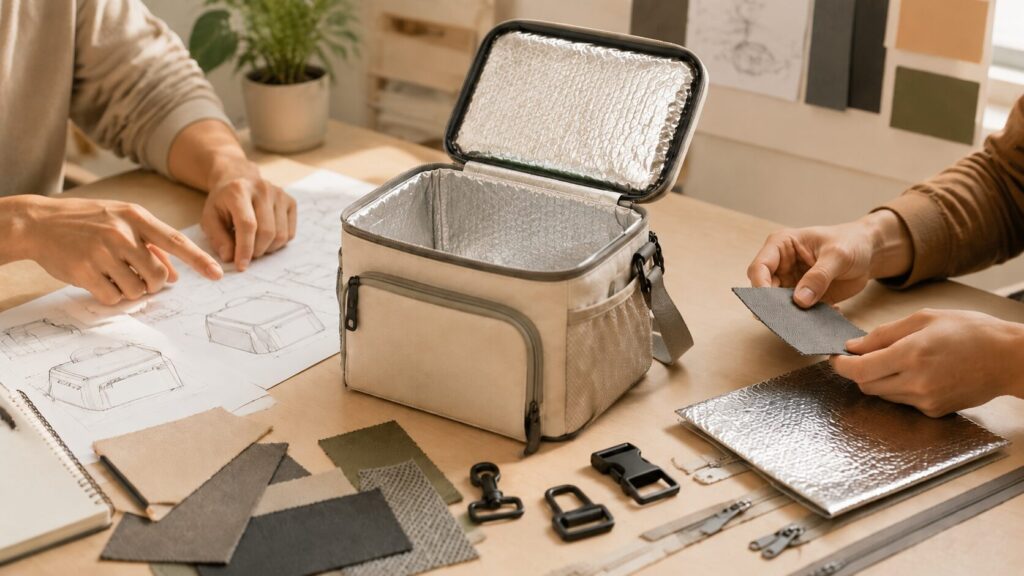
Designing lightweight thermal storage involves integrating woven synthetic substrates with metallized films to construct an efficient insulating fabric for lunch bag collections. Lightweight woven substrates provide the necessary tensile strength to prevent cracking during repetitive folding and packing operations. Metallized barrier films reflect radiant heat while maintaining fabric drape and softness for daily urban commuting. Factory engineering teams optimize layer thickness to balance flexibility, weight, and thermal endurance across industrial production lines. Sourcing professionals rely on certified material combinations to deliver exceptional product quality to global retail markets.
- Woven substrates: Lightweight synthetic bases prevent cracking during repetitive folding and daily use.
- Metallized films: Thin reflective layers bounce radiant heat away from internal food compartments.
- Structural balance: Proper material integration ensures that an insulating fabric for lunch bag units remains lightweight and durable.
4. Micro-Thermal Engineering: Crafting Reliable Insulated Sandwich Bags
Compact storage units require balancing ultra-thin thermal layers with precision zipper closures to protect single-meal snacks during transit. Mass-produced insulated sandwich bags must integrate heavy-duty thermal protection with sleek, modern urban aesthetics to appeal to modern retail consumers. When looking at insulation for coolers, standard needle stitching leaves tiny needle holes that let melted ice and warm air bleed through the thermal barrier. That is why high-frequency welding is a game-changer—it fuses TPU sheets into a single, totally watertight basin that completely cuts out weak spots. On top of that, solid factory stress tests ensure that heavy-duty handle joints and zippers can take a serious beating under heavy loads without giving out.
- Ultra-thin profiling: Compact thermal layers protect individual meals without creating bulky outer dimensions.
- Seam integrity: High-frequency welding eliminates needle holes to prevent internal moisture leaks.
- Daily utility: Properly engineered insulated sandwich bags maintain consistent cold retention for quick office lunches.

5. Component Optimization: Advanced Lunch Box Insulation Mechanics
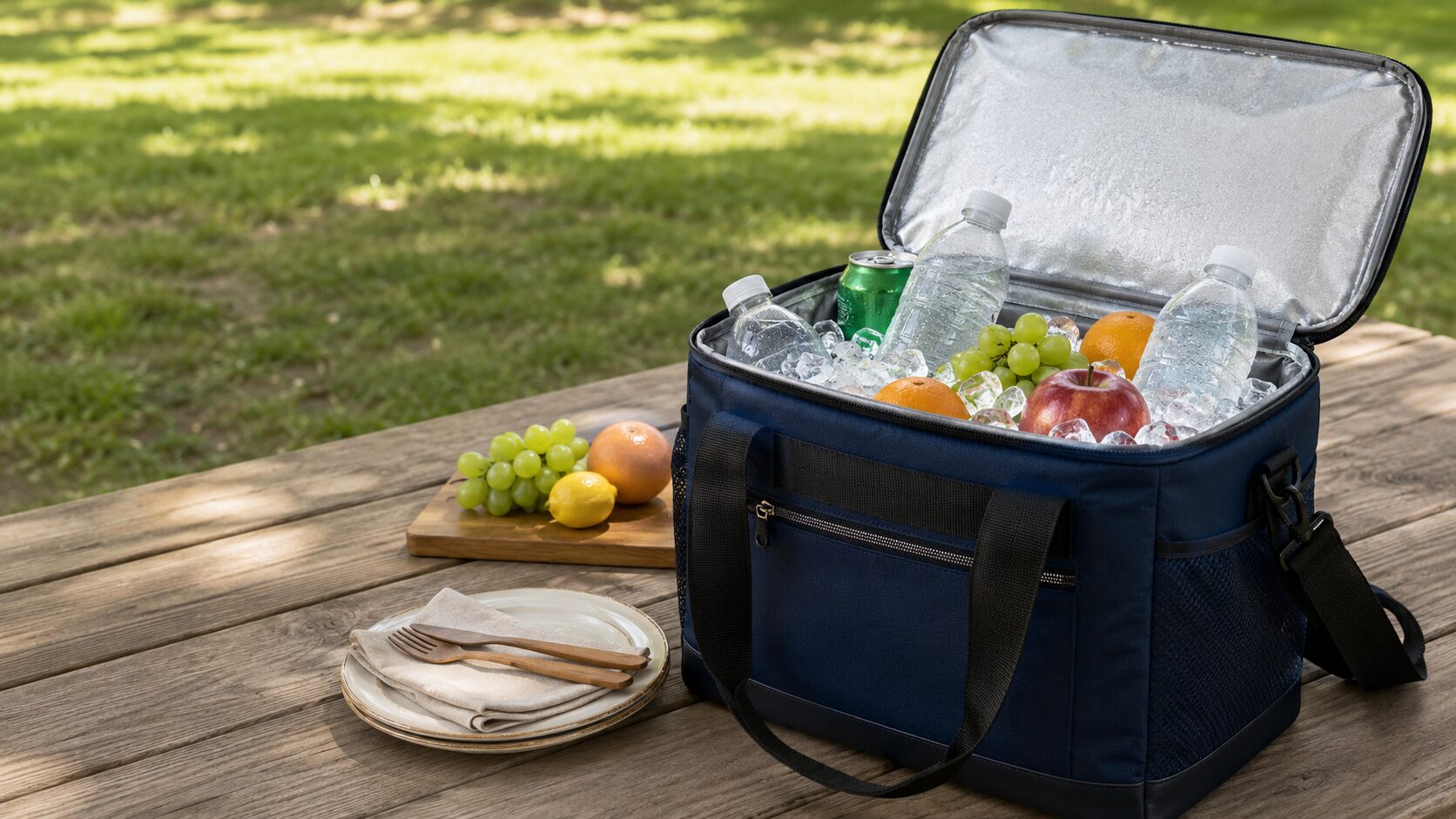
Maximizing internal cold retention involves utilizing reflective aluminum foils to bounce radiant heat away from the internal storage chamber. Effective lunch box insulation systems combine multi-layer thermal barriers with seamless high-frequency welded PEVA linings to eliminate thermal leaks. Radiant barrier technology reflects up to 97 percent of incoming infrared thermal radiation away from the storage cavity during peak summer heat. Industrial manufacturing standards ensure that handle attachment points feature multi-point box-X stitching for maximum tear resistance. Brand owners rely on these robust material combinations to deliver exceptional structural durability to global retail partners.
- Radiant reflection: Aluminum foils bounce up to 97 percent of incoming infrared heat away.
- Leak prevention: High-frequency welded PEVA linings stop moisture from reaching outer textile layers.
- Thermal synergy: Combining reflective foils with dense foam creates superior lunch box insulation performance.
6. Manufacturing and Quality Control: Ensuring Thermal Consistency in Bulk Production
Ensuring thermal consistency requires subjecting bulk production samples to rigorous thermal decay and ice retention testing protocols. Sourcing teams evaluate how effectively certified insulation for coolers performs under extreme factory stress audits and environmental simulation chambers. Factory quality laboratories simulate extreme summer heat waves and multi-hour transit cycles inside specialized environmental chambers. Technicians measure internal temperature curves to verify that mass-produced units meet certified holding duration standards before final packaging. Direct factory manufacturing ensures complete material traceability from raw polymer pellets to finished thermal containers. Establishing transparent quality controls protects brand owners against inconsistent product performance and expensive retail chargebacks. Furthermore, deploying advanced insulation for coolers across large-scale manufacturing runs guarantees uniform structural stability and reliable cold retention for end consumers.
- Environmental simulation: Chambers test multi-hour ice retention under extreme ambient heat conditions.
- Thermal decay tracking: Measures internal temperature curves to verify compliance with holding standards.
- Material traceability: Direct factory oversight eliminates unverified component substitutions during bulk runs.
- Lot inspection: Random laboratory audits verify material specifications before final container assembly.
7. Technical Sourcing Checklist & Next Steps
Aimazing Bag transforms innovative design concepts into reliable retail reality through exceptional manufacturing precision, engineering expertise, and seamless global supply chain partnerships. When developing new product lines, integrating specialized insulation for coolers ensures that retail partners receive premium soft goods built to withstand rigorous daily use. Collaborating with our professional technical team guarantees that your upcoming product collection achieves optimal thermal performance, superior structural integrity, and competitive commercial positioning. We invite global retail brands and corporate partners to connect with our manufacturing specialists today to review bespoke technical specifications and secure your next bulk production order. Additionally, validating custom insulation for coolers parameters during prototyping secures your market advantage before full-scale manufacturing commences.