
For outdoor brands and wholesale buyers, creating a reliable insulated basket involves more than choosing an attractive design. The frame needs to support heavy contents, the insulation must help maintain temperature, and the lining should withstand moisture without compromising durability.
At Aimazing Bag, we pay close attention to these construction details during product development. From structural frames and thermal materials to leak-resistant liners and collapsible designs, each decision affects product performance, production consistency, and shipping efficiency. Here’s what buyers should consider before starting a custom manufacturing project.
1. Structural Frames: Engineering Rigid-Wall Insulated Picnic Baskets for Wholesale Markets
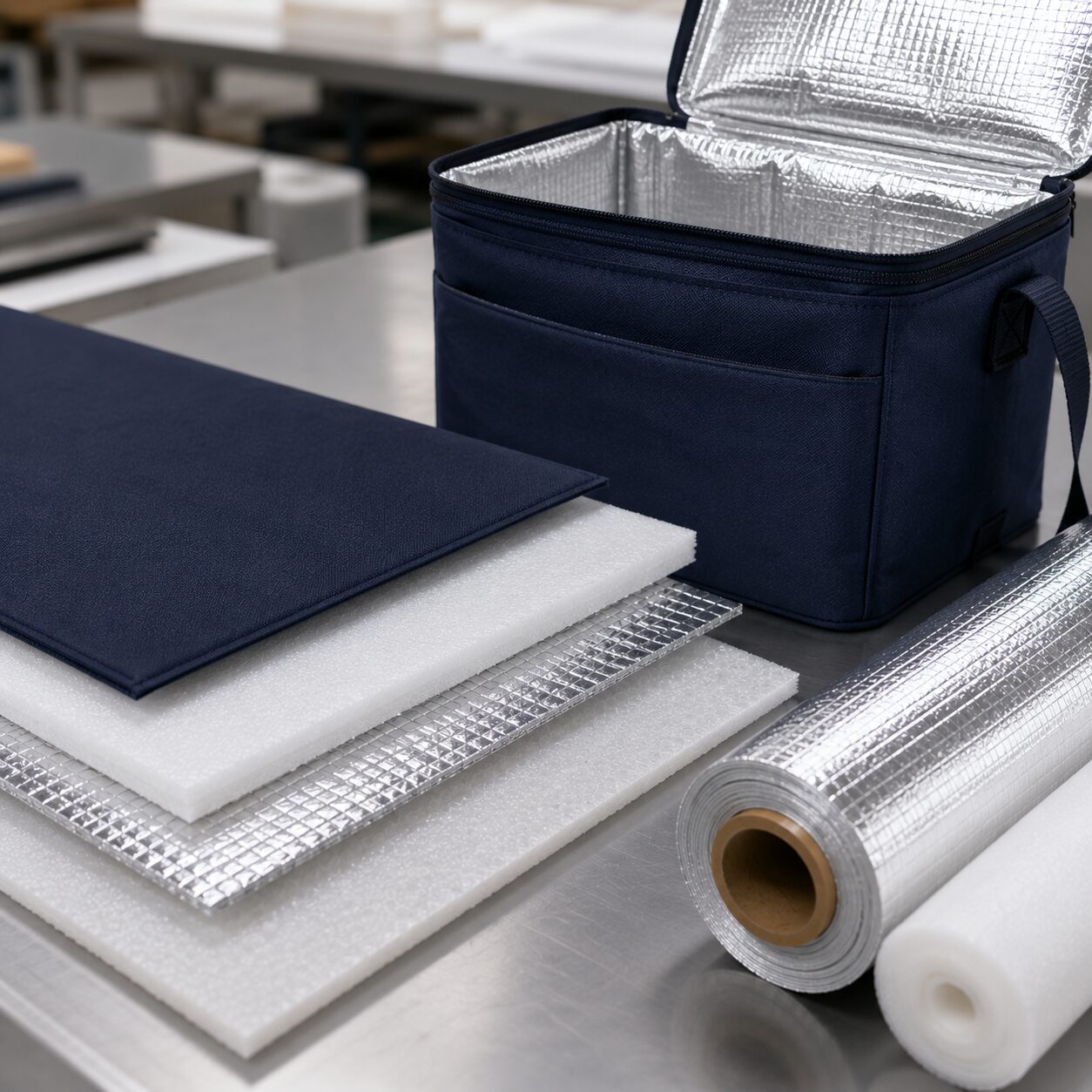
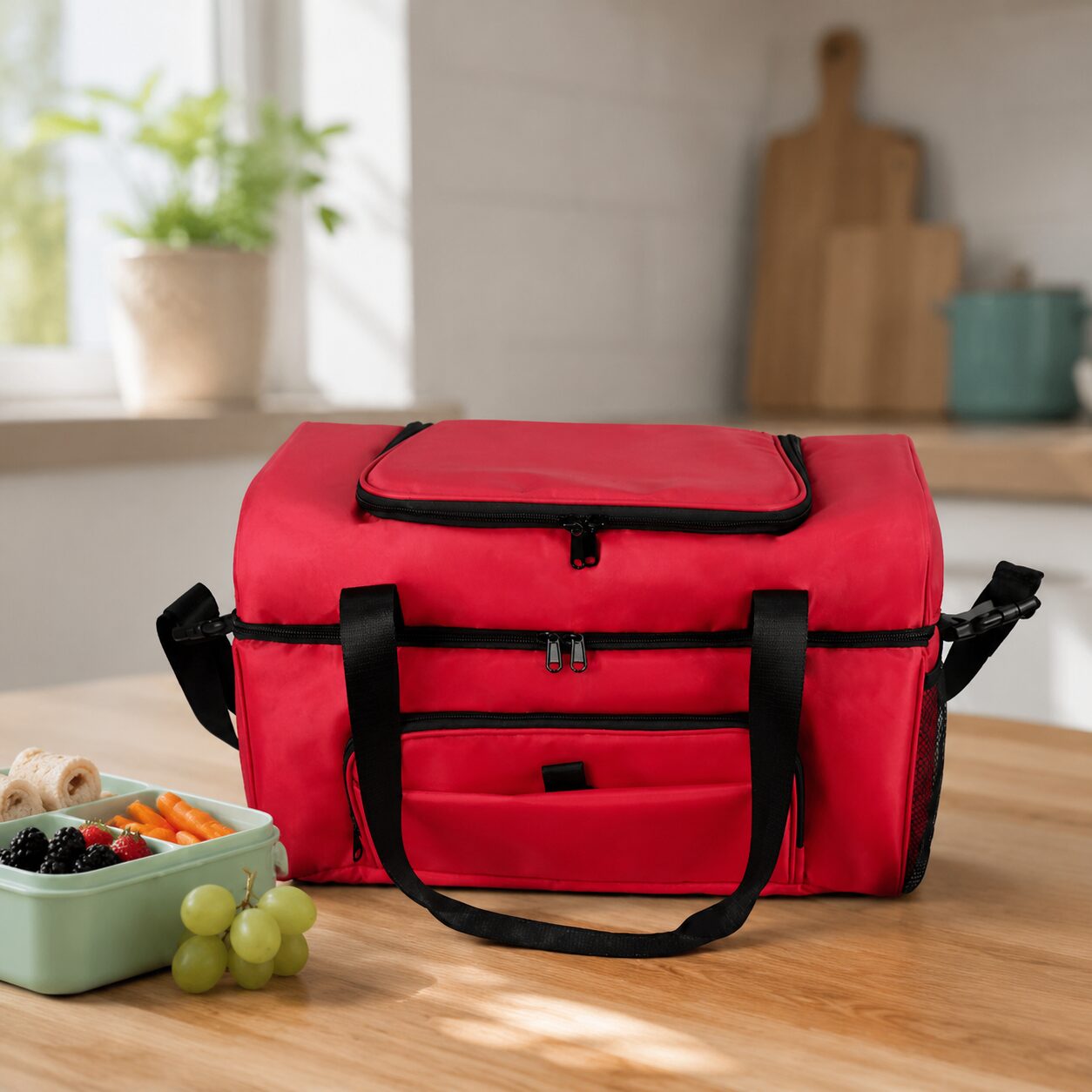
Rigid perimeter framing prevents side-wall collapse during transport by locking collapsible aluminum alloy tubes with high-density EPE foam cores inside professional picnic basket coolers, which serves as a major upgrade over traditional wire-frame hampers. Sourcing managers evaluate these rigid structures against consumer complaints about sagging fabric walls during beach outings and tailgating parties. Modern OEMs use lightweight aviation-grade aluminum frames. These frames lock firmly into positions. They wrap around density structural foam panels. This smart mechanical build keeps the silhouette completely rigid under heavy loads. At the time it still folds down flat in seconds. That makes storage easy. It also allows for cost- global shipping.
- Perimeter Rigidity Assurance: Sturdy perimeter aluminum alloy frames distribute vertical loads evenly across every structural corner, completely eliminating side-wall collapse.
- Foam Core Stabilization: Furthermore, high-density EPE foam panels slip tightly into internal fabric sleeves to maintain a crisp, clean rectangular basket shape over time.
- Static Load Resilience: Meanwhile, engineered metal hinges shrug off heavy beverage weight without twisting or warping the overall structural profile.
2. Thermal Barriers: Manufacturing an Insulated Cooler Picnic Basket with Multi-Layer Foil
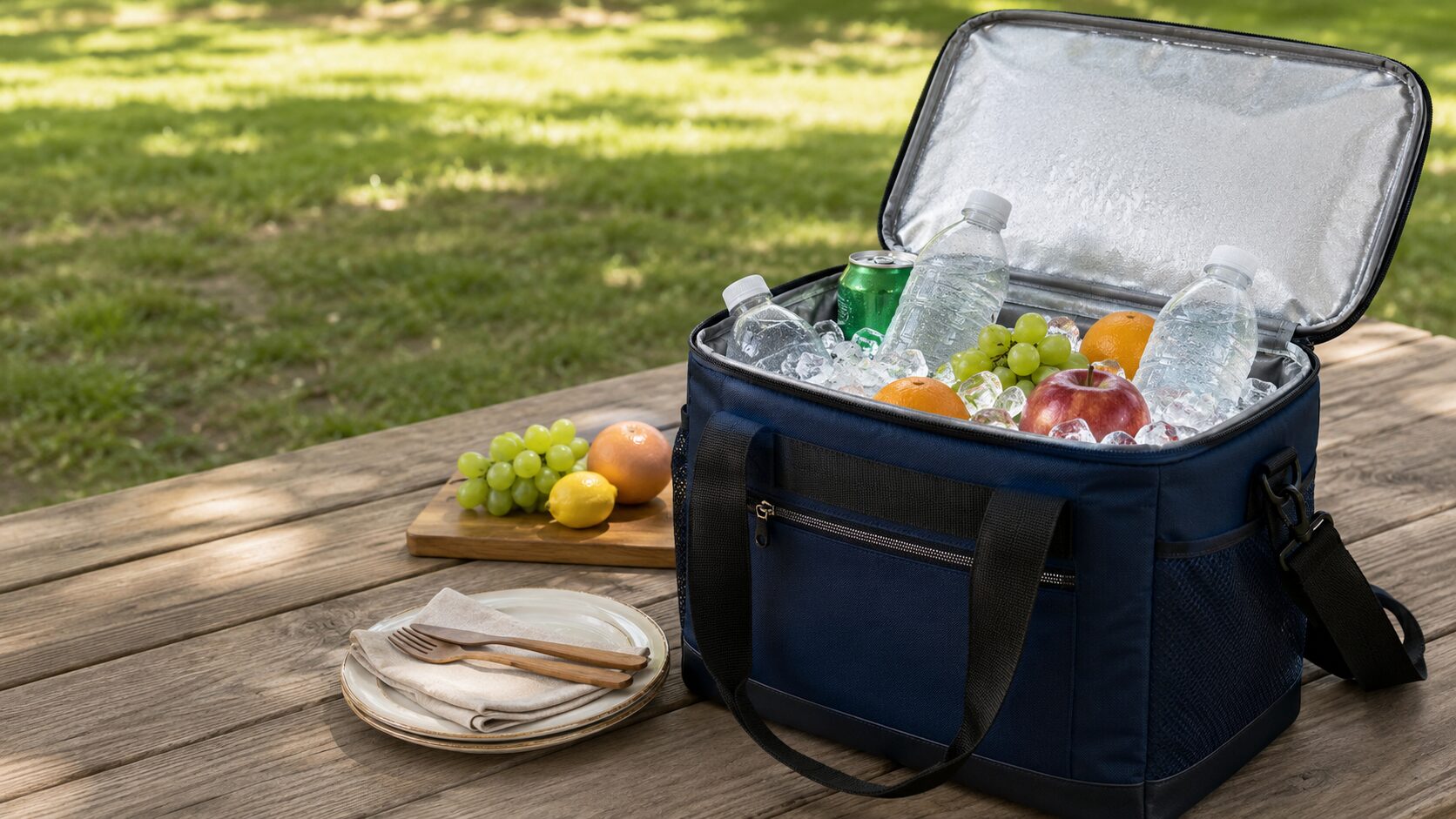
Micro-perforated aluminum laminates stop heat from entering during long days outside. They use -layer radiant barrier shielding built directly into every premium insulated cooler picnic basket. This solves the problem of ice melting halfway, through a summer park visit. When outside heat enters through fabric walls by radiation, convection and conduction sourcing engineers fight back. They combine metallic foils with trapped air pockets and dense foam layers. This setup bounces heat back out. It stops conduction completely from reaching your food and drinks inside the picnic basket coolers.
- Radiant Heat Reflection: Outer metallic foil layers bounce ninety-seven percent of incoming infrared thermal radiation straight away from the core.
- Closed-Cell Thermal Trapping: Furthermore, dense EPE foam matrices shut down conductive heat transfer pathways using millions of tiny trapped air pockets.
- Convective Barrier Sealing: Meanwhile, multi-ply lamination blocks internal air movement, keeping the refrigerated food compartment locked at a stable temperature for hours on end.
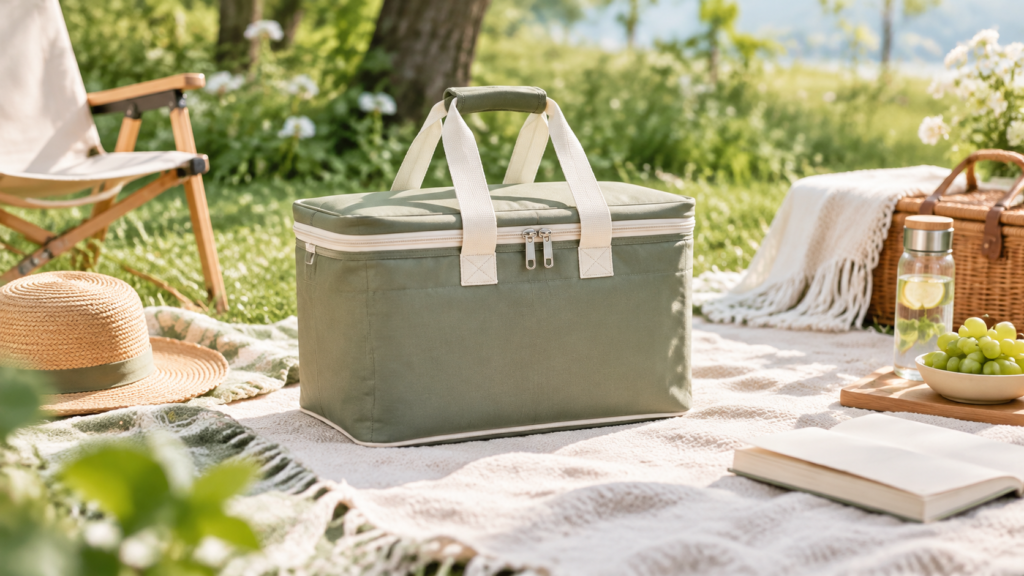
3. Fluid Containment: Sourcing a Picnic Basket with Insulated Cooler Liners
Preventing internal condensation and melted ice water from leaking through puncture holes into structural foam cores requires high-frequency radio frequency welding when producing a dependable picnic basket with insulated cooler, outperforming traditional needle-stitched soft-sided bags that frequently soak car trunks. Traditional stitching makes thousands of holes, in waterproof fabrics letting melted ice water slowly seep into your insulation. RF welding skips that step entirely melting polymer membranes together at a microscopic level. RF welding creates a seamless waterproof basin that will not leak a single drop.
- Needle Puncture Elimination: RF welding fuses waterproof membranes without piercing the material with traditional thread lines.
- Molecular Polymer Fusion: High-frequency electromagnetic energy bonds thermoplastic layers into a single continuous waterproof sheet.
- Absolute Leak Prevention: Seamless basin construction ensures that melted ice water remains trapped entirely inside the liner.
4. Hybrid Portability: Designing a Functional Picnic Basket Cooler Bag
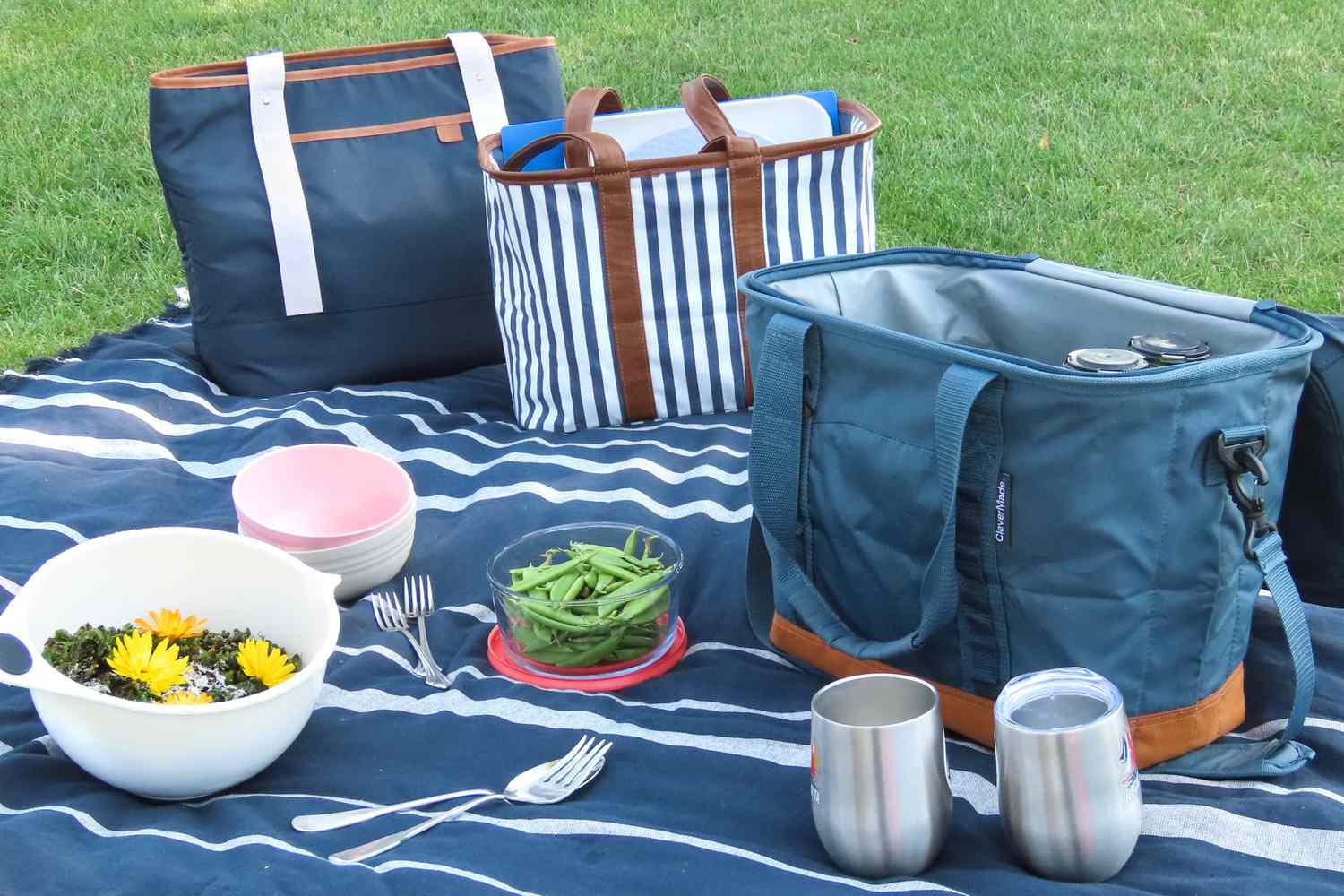
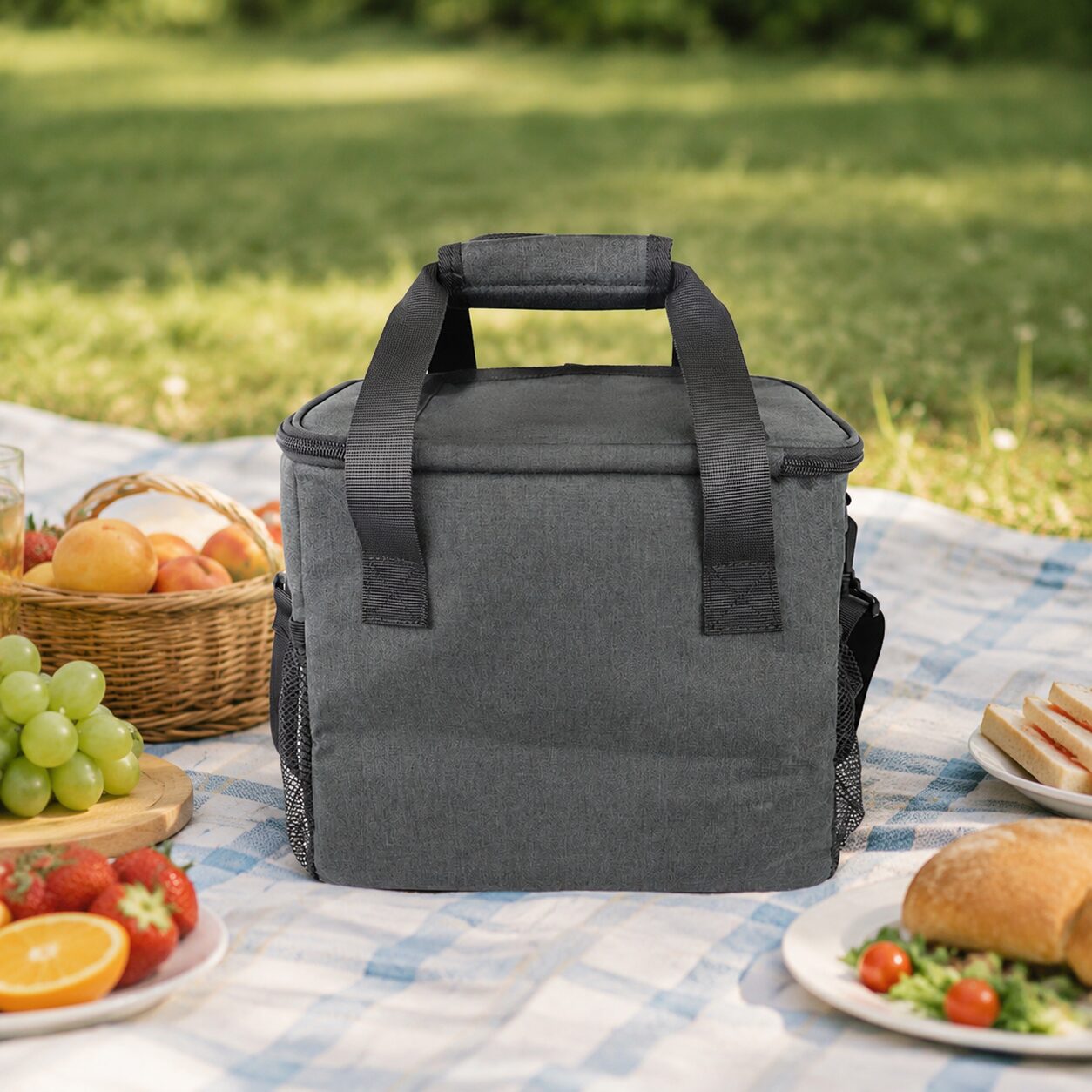
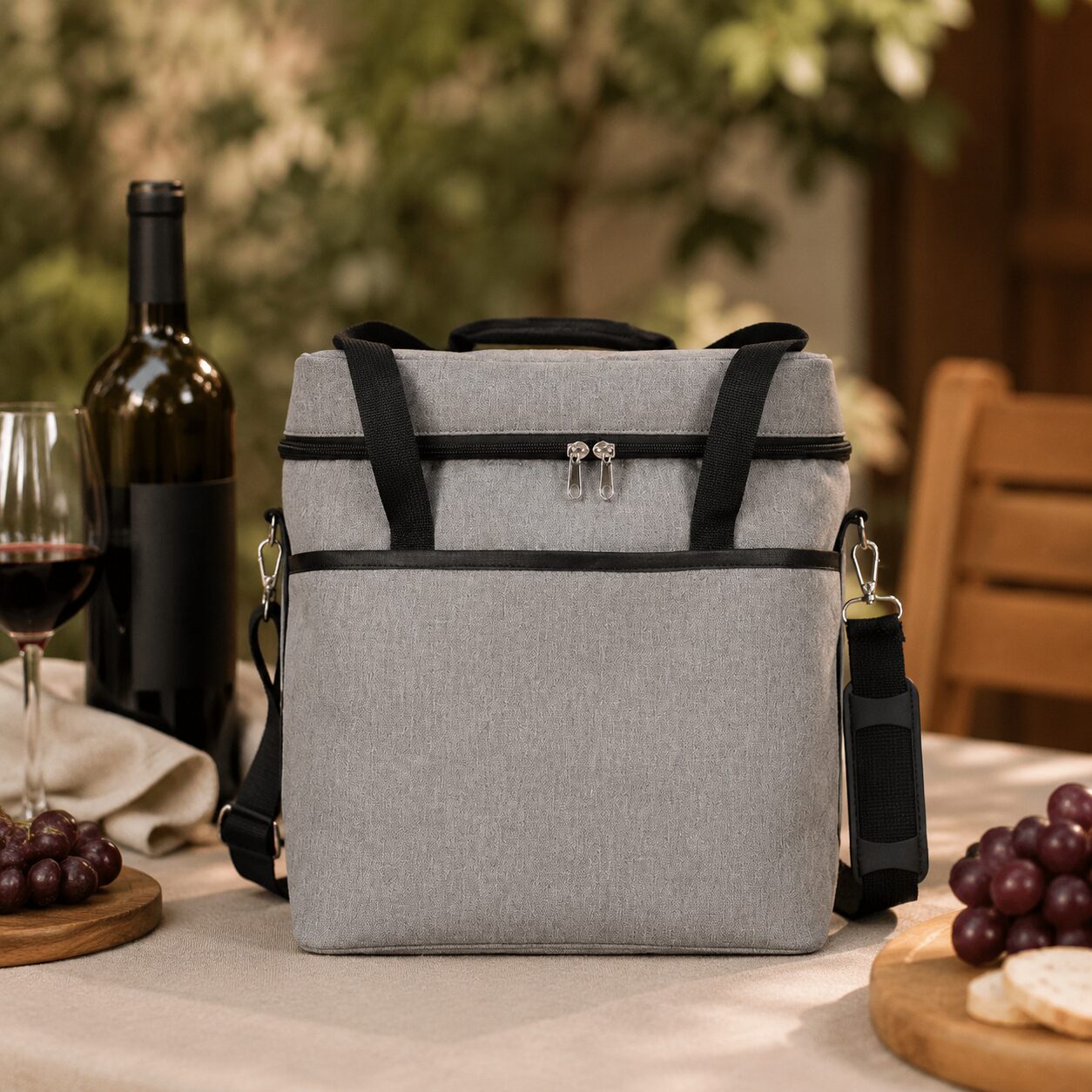
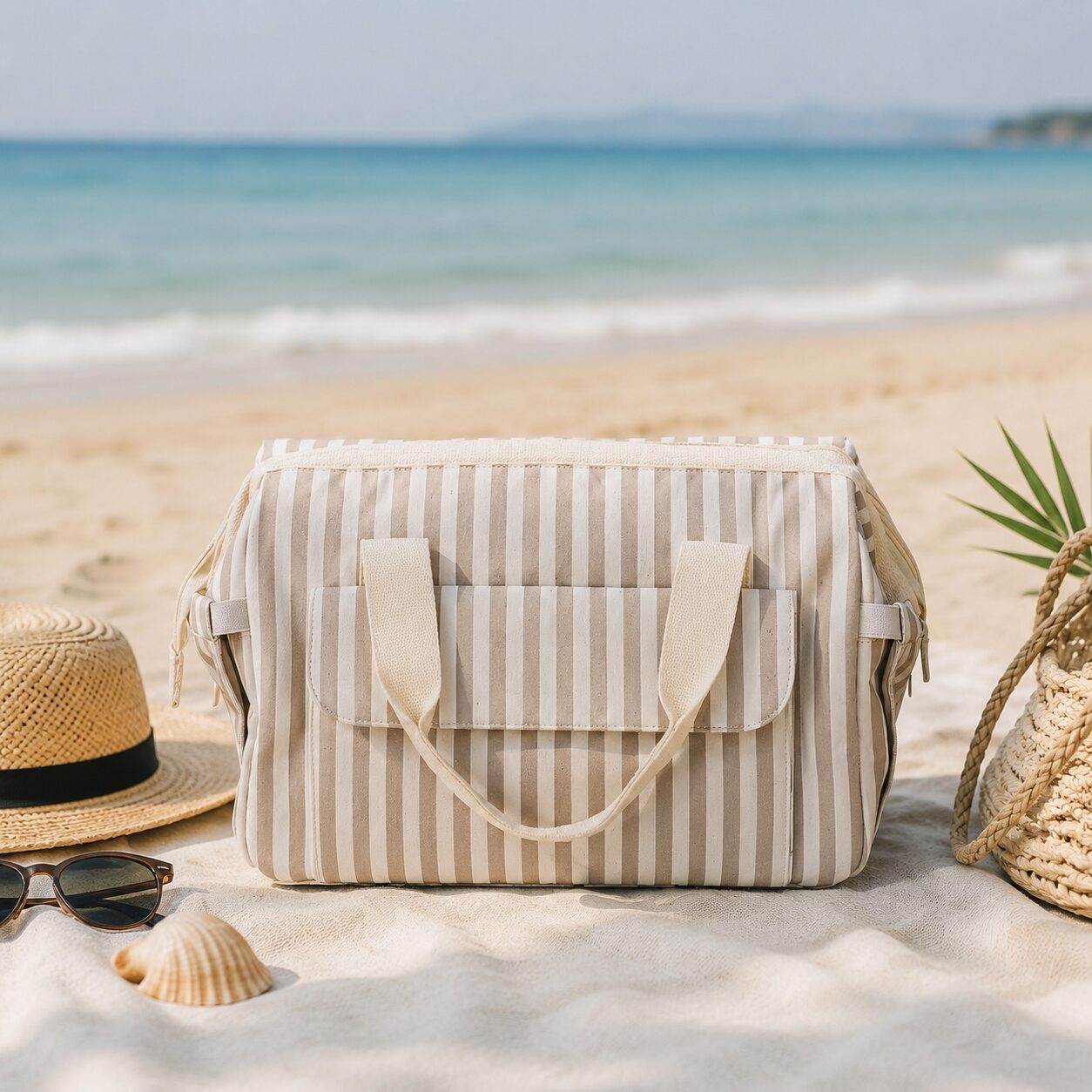
The way to make the trunk space better and make the store shelf look nicer is by using mixed-media soft materials for the goods. It’s all about finding the balance between being able to fold it up easily and still looking like the old-fashioned hamper. Every picnic basket cooler bag needs to be light not heavy, like the hard plastic coolers. People want the look of the old picnic hampers but also the easy to carry and fold-up features of the new soft coolers. The engineers who find the materials do this by using inside frames that can be taken out and outer shells made of strong flexible fabric.
- Hybrid Form-Factor Engineering: Rigid internal skeletal inserts create a classic hamper silhouette within a flexible soft-sided shell.
- Trunk Storage Optimization: Removable framing allows the entire bag to fold flat for compact vehicle storage.
- Retail Shelf Appeal: Structured rectangular geometry maintains an attractive display presence in retail storefronts.
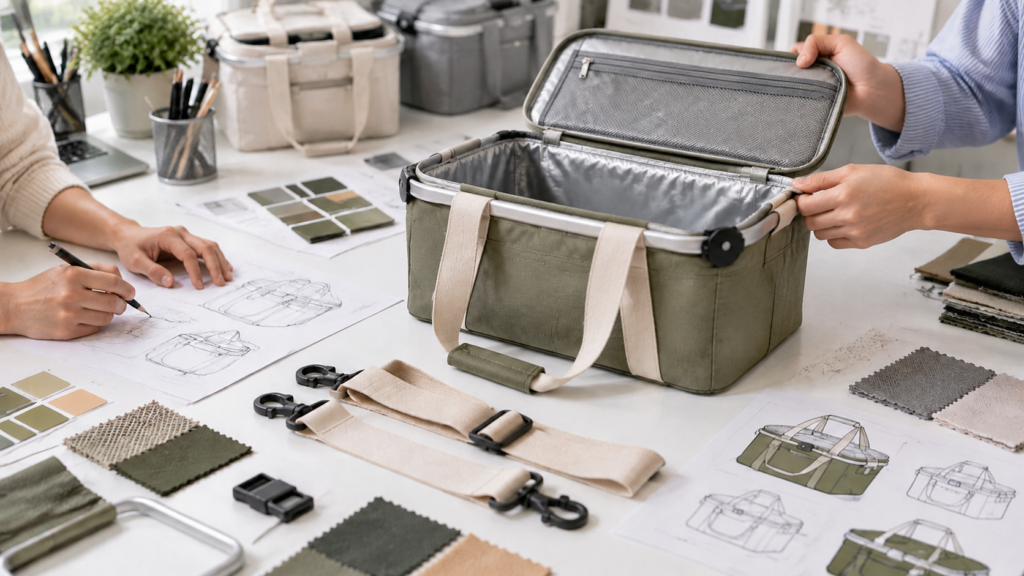
5. Logistics Optimization: Engineering a Collapsible Cooler Picnic Basket
Allowing bulk distributors to reduce international shipping penalties through flat-pack collapsible architecture depends on space-saving folding mechanisms for container freight optimization in every collapsible cooler picnic basket, helping brands minimize landed inventory costs across North American retail channels. Shipping rigid pre-assembled hampers wastes enormous amounts of empty volumetric shipping space inside international maritime containers, driving up landed inventory costs. Sourcing engineers design clever internal folding creases and detachable support rods that allow finished baskets to collapse flat into minimal master carton footprints.
- Flat-Pack Volume Reduction: Collapsible side walls allow master cartons to stack densely, cutting ocean freight costs per unit.
- Detachable Internal Framing: Removable support struts enable rapid flattening without damaging structural soft-goods components.
- Optimized Container Density: Maximized master carton packing efficiency slashes international shipping penalties for global wholesalers.
6. Rigorous Quality Control and Thermal Validation Standards
Executing destructive pull-force evaluations to guarantee zero-defect performance under maximum weight capacities involves cyclic load testing for reinforced handles, frame hinges, and bottom load-bearing seams across all production batches of a wanderer picnic cooler basket, ensuring long-term durability during rugged camping trips. Weak handle anchors and failing bottom seams create catastrophic product liability risks during heavy commercial use. Sourcing laboratories mount finished baskets onto automated hydraulic test rigs to apply aggressive dynamic weight simulations until destruction thresholds are identified.
| Testing Component | Technical Specification | Operational Durability Function |
| Hydraulic Stress Rigs | Pneumatic weight application | Applies repeated maximum load cycles to evaluate handle and seam integrity. |
| Hinge Fatigue Audits | Mechanical stress arms | Cycles frame folding joints thousands of times to verify long-term durability. |
| Destructive Thresholds | Pull-force meter testing | Measures exact breaking points to ensure a massive margin over rated capacities. |
7. Scalable Manufacturing Partnerships: Navigating Custom OEM Production Programs
Establishing clear digital tech packs and material specifications for consistent batch manufacturing across custom programs eliminates costly sample iterations, while direct collaboration with Aimazing Bag secures long-term supply chain resilience for your custom picnic basket coolers and specialized insulated cooler picnic basket retail collections. Vague product specifications lead to severe misunderstandings, rejected factory samples, and missed retail launch windows. Sourcing partners collaborate directly with manufacturing specialists to generate comprehensive digital vector blueprints that dictate every millimeter of material layering and hardware selection.