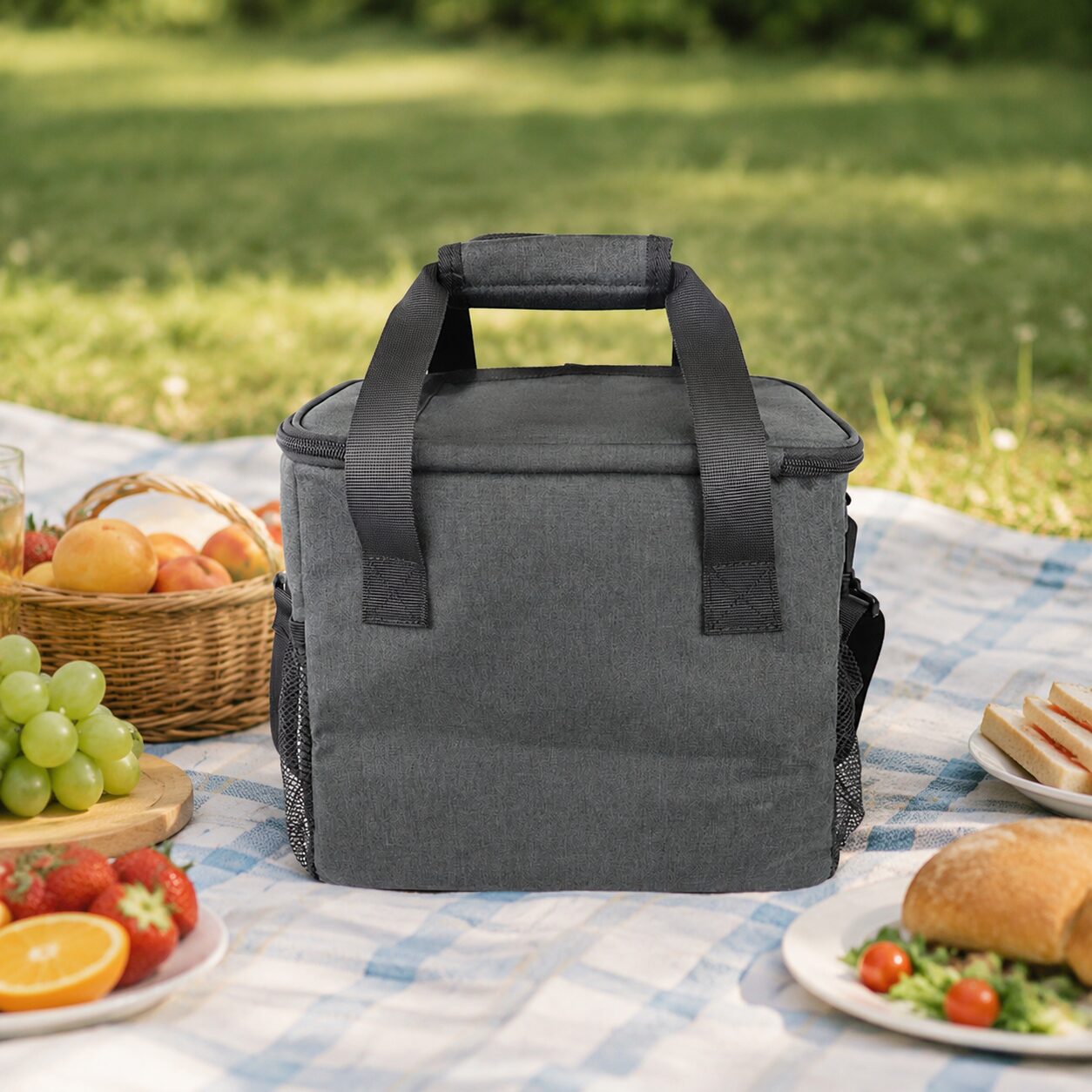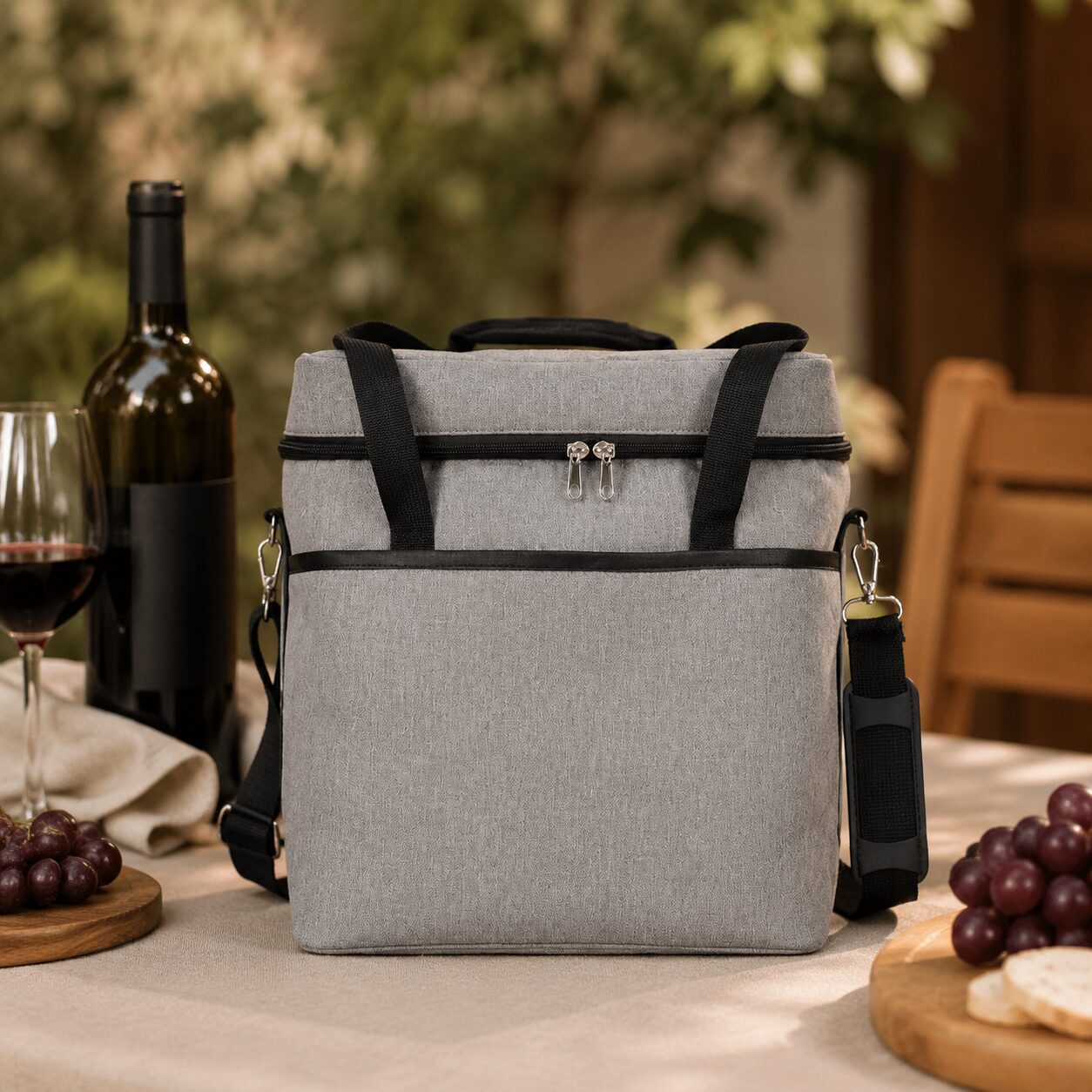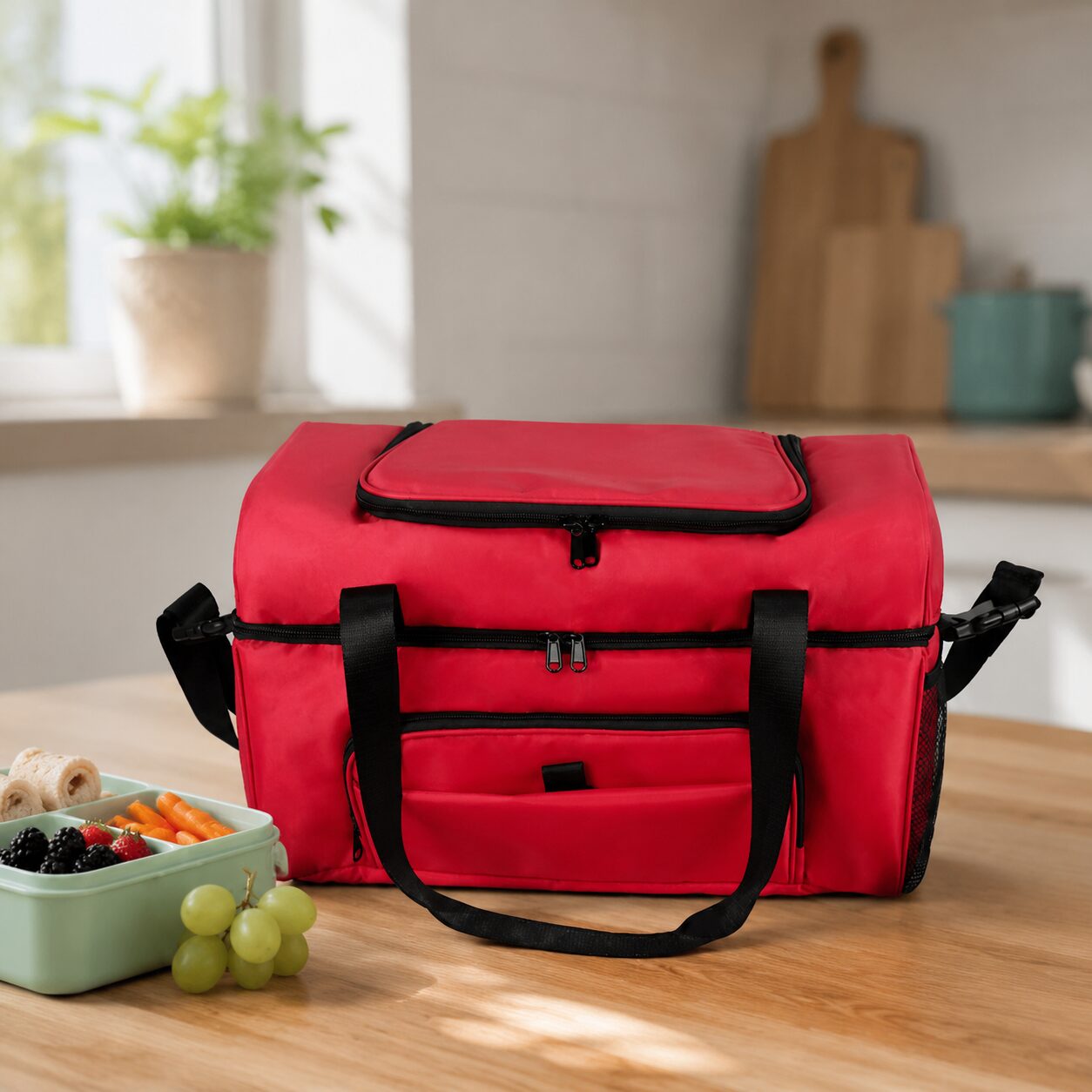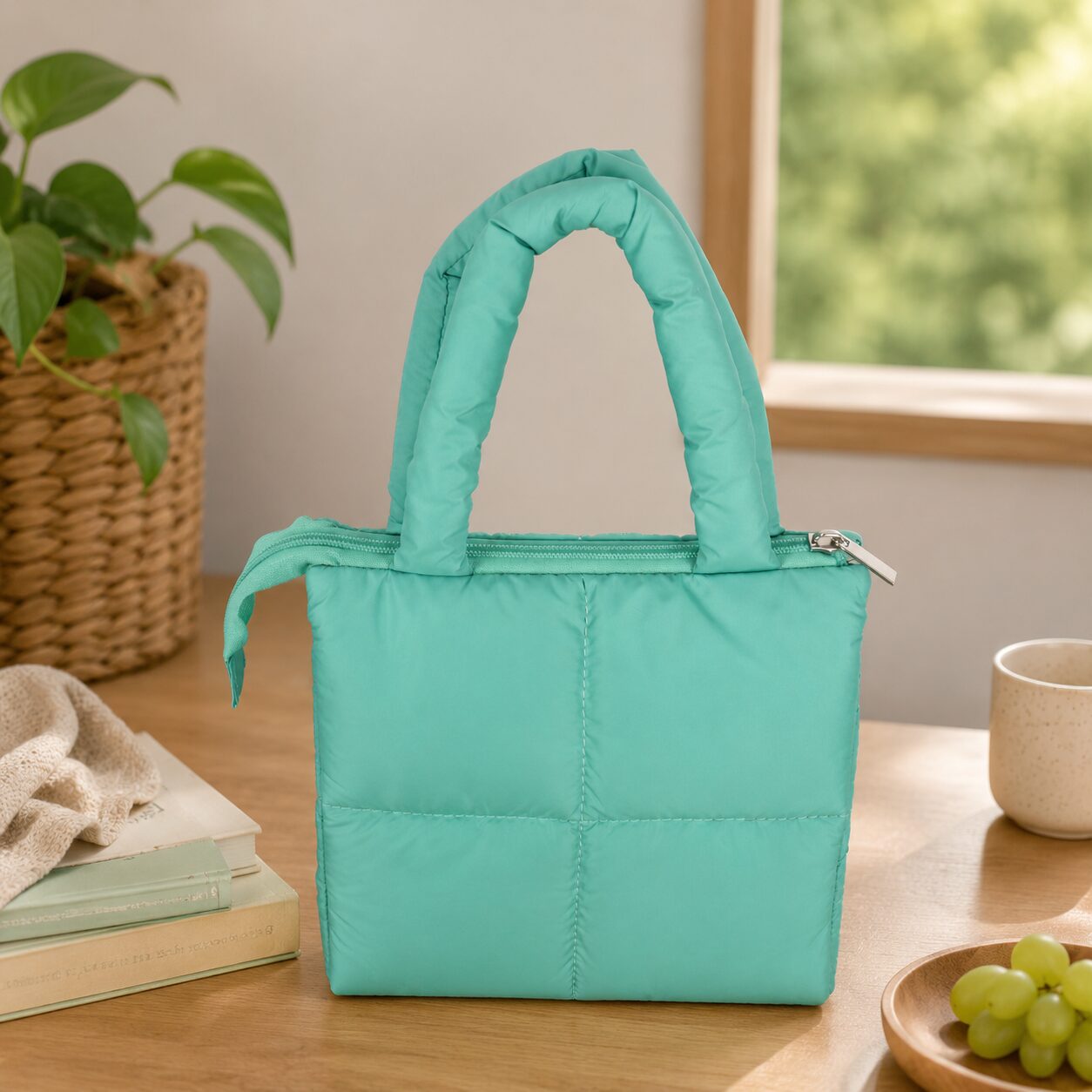

1. The Design Trap: Why a Beautiful Fridge Bag Fails Without Thermal Integrity
A beautiful fridge bag fails without thermal integrity because poor insulation ruins real-world food transport under harsh conditions. Showroom prototypes hide critical structural flaws that surface only under extreme outdoor temperatures and heavy multi-item loads. Sourcing engineers prioritize structural validation and thermal testing over initial sketches to guarantee long-term market viability. OEM data shows unverified suppliers cause rapid temperature decay and customer dissatisfaction across global retail networks. Getting iron-clad factory oversight locked in early on stops major product disasters in their tracks before mass production even gets off the ground.
- Showroom illusions: Aesthetic prototypes frequently mask inadequate foam density and weak seam construction.
- Sourcing priorities: Vetting manufacturing capabilities outweighs surface-level colorway selection during product planning.
- Thermal failure risks: Unverified supply chains lead to rapid internal temperature loss under real-world conditions.
2. Thermal Engineering: Understanding How Do Insulated Lunch Bags Work
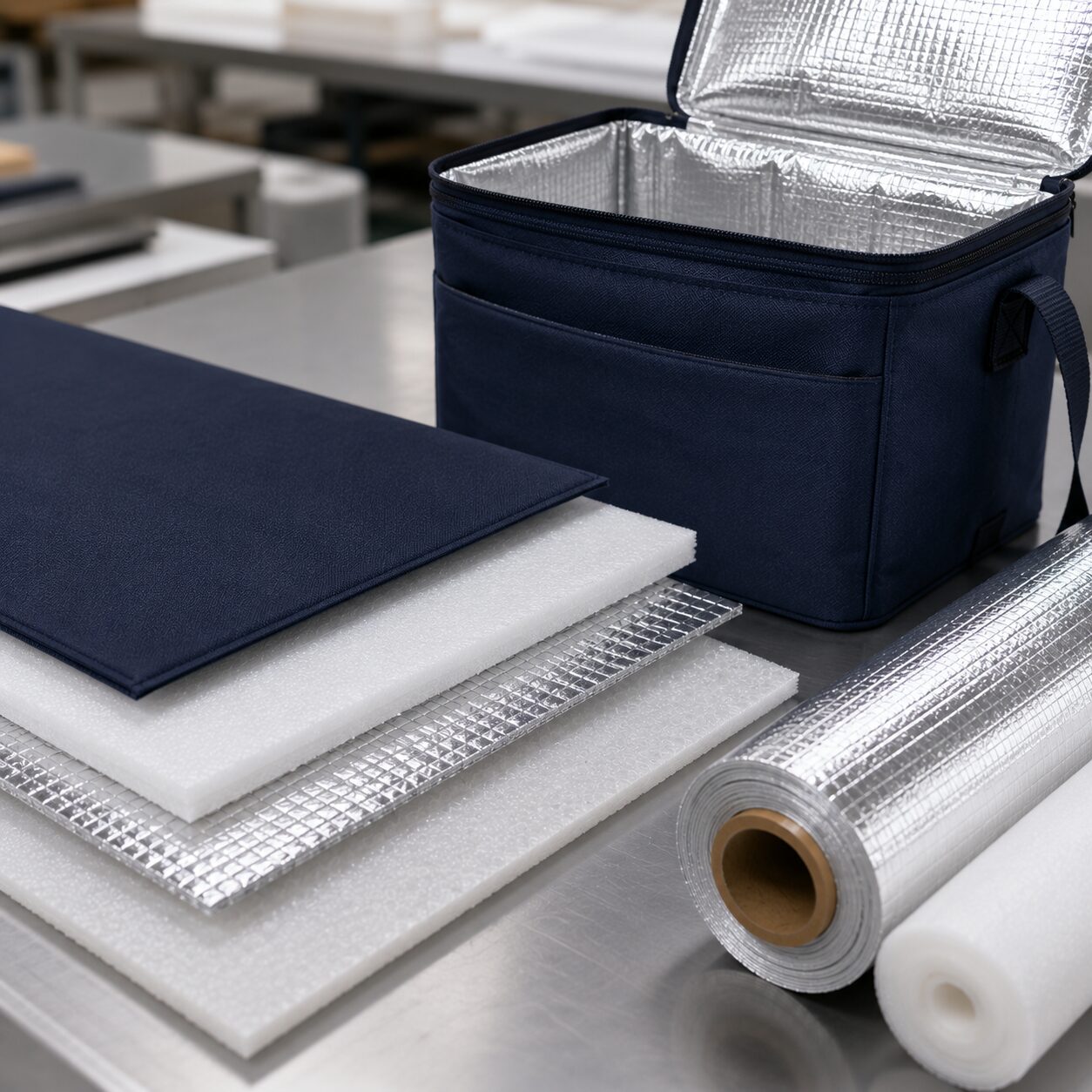
Getting a grip on how do insulated lunch bags work comes down to fighting off heat transfer through conduction, convection, and radiation. Thick EPE foam puts the brakes on conduction by trapping dead air inside tight little pockets all around the bag. Shiny aluminum foil liners act like shields against radiant heat, keeping the inside cool even when the sun is blazing outside. To lock out convection, the setup relies on airtight zipper tracks and heat-welded seams that completely shut down any sneaky airflow.Master engineers combine these three scientific principles to maintain safe internal storage temperatures over extended operating hours for diverse consumer applications.
- Conduction control: High-density EPE foam layers trap static air to block direct heat transfer.
- Radiation defense: Reflective aluminum foil linings deflect external thermal energy away from food chambers.
- Convection sealing: Airtight zipper enclosures and welded seams stop warm air from entering the bag.
3. Practical Usability: Best Practices on How to Use Cooler Bag and Fridge Bag Systems
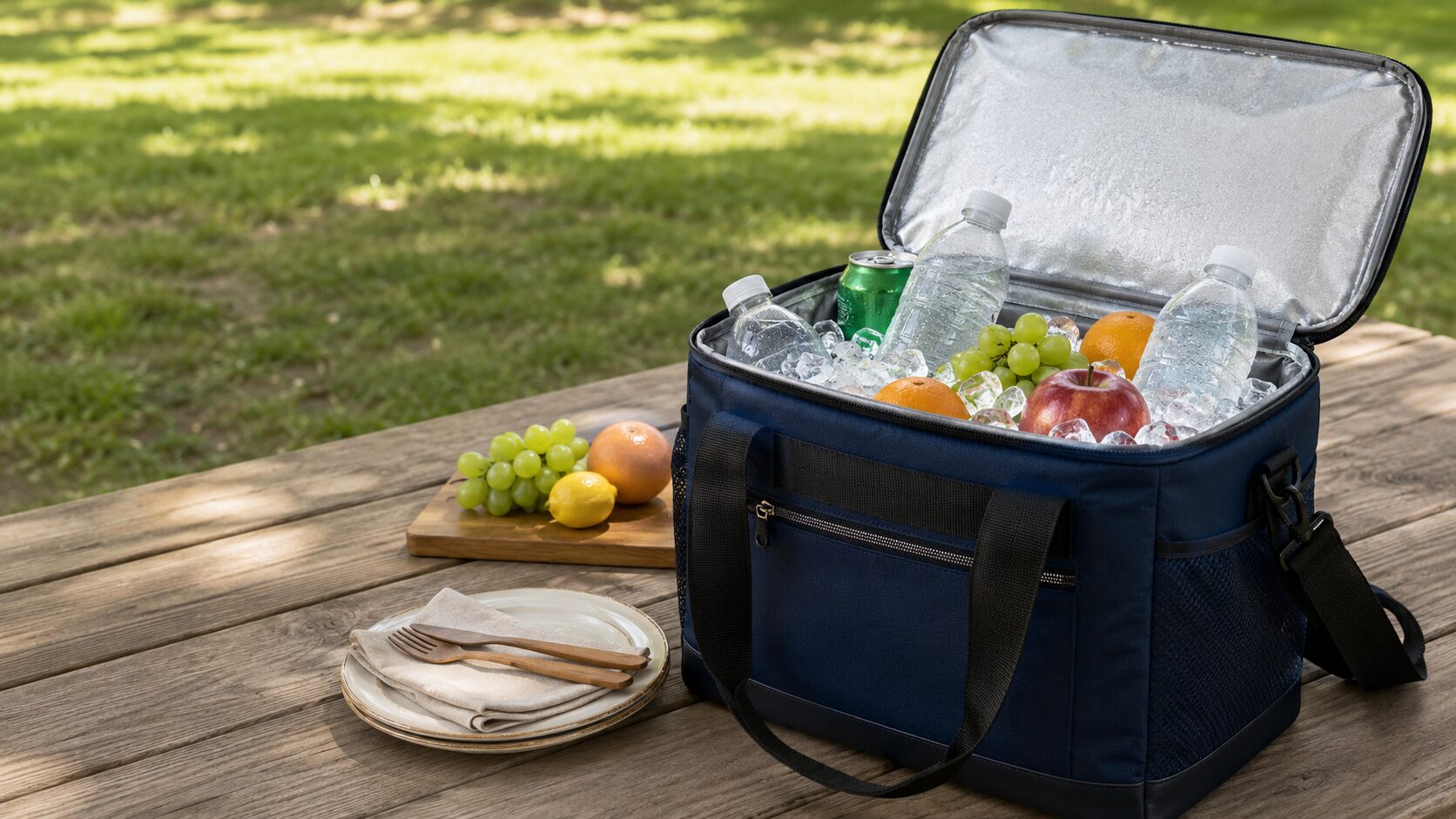
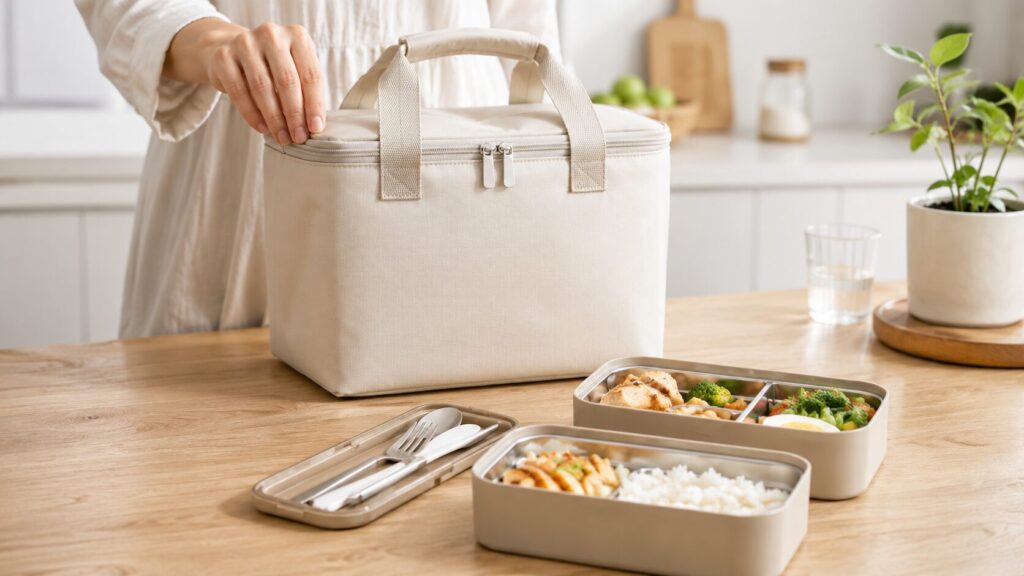
Optimizing cold retention requires mastering proper pre-chilling mechanics before loading any perishable goods or beverages into the compartment for transport. Users must drop internal ambient temperatures using frozen gel packs to extend the total thermal retention window significantly during extended outdoor excursions. Thermal synergy occurs when consumers combine commercial ice packs directly with a high-performance how to use cooler bag approach alongside a fridge bag for maximum cooling efficiency and prolonged freshness. Sourcing durable materials ensures that frequent loading cycles do not damage internal vapor barriers or weaken structural framing over years of active use. Proper operational guidelines empower end-users to achieve peak thermal performance across diverse daily scenarios and professional catering environments.
- Cold-soaking the interior: Chucking your bag in the fridge for a bit beforehand stops the dry inner walls from instantly eating up your ice’s cooling power.
- Smart cooling combos: Teaming heavy-duty ice packs with thick, high-performance insulation creates a powerhouse setup that locks in freezing temps for hours longer.
- Built to take a beating: Rugged inner linings easily handle heavy, shifting gear all day long without tearing up or ruining the waterproof barrier.
4. Instructional Guidance: Mastering How to Use Cooling Bag for Daily Commutes
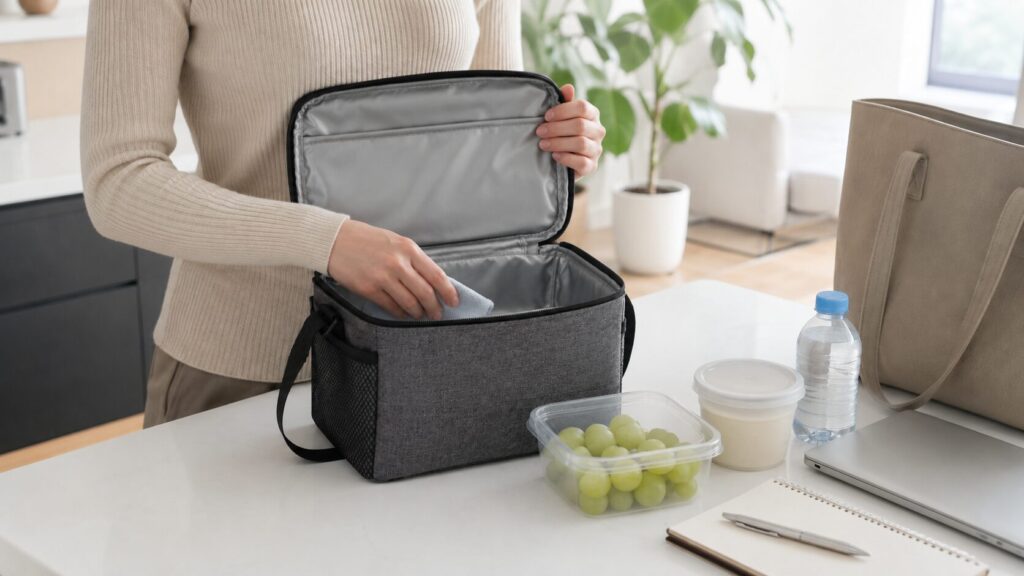
Getting the hang of how to use cooling bag gear for daily commutes starts with packing your food and drinks strategically to maximize space. Put heavy containers on the bottom to kill dead space and balance the weight across the insulated walls. Cleaning is a breeze—just wipe down the PEVA lining after every use so mold and funky smells don’t creep into the corners. Always zip the bag shut right after grabbing your food to lock in the cold all day. Brands make these thermal bags with slick, germ-resistant surfaces so busy commuters can wipe them down in seconds.
- Packing optimization: Stacking heavy items at the base eliminates air gaps and balances weight.
- Hygiene maintenance: Wiping PEVA interiors prevents moisture buildup, mold growth, and unpleasant odors.
- Airtight habits: Closing zippers promptly after item retrieval preserves internal thermal stability.
5. Application Specifics: Engineering High-Performance Cooler Bags for Drinks
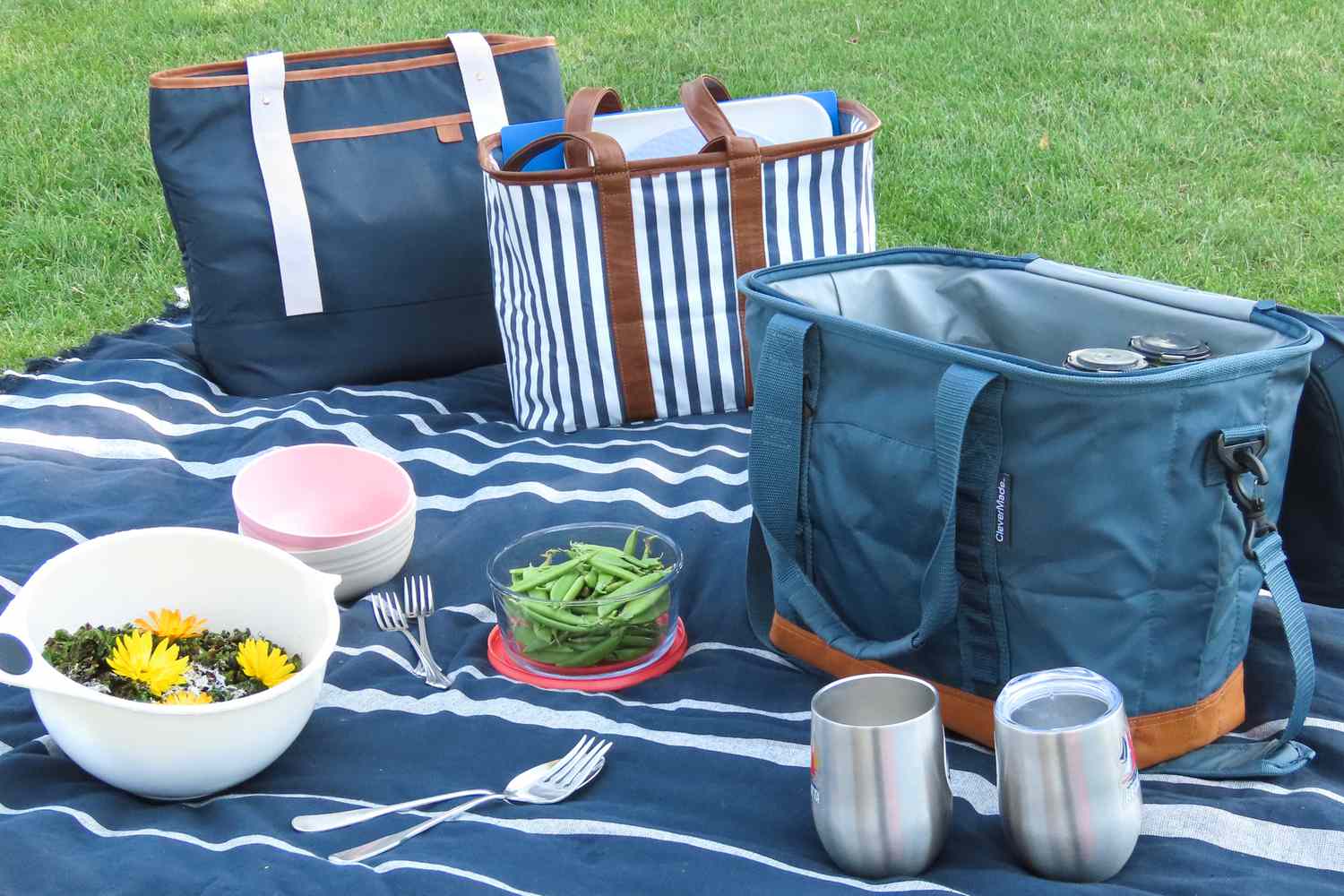
When you are lugging heavy cans and bottles out to tailgates or weekend trail hikes, building top-tier cooler bags for drinks demands heavy-duty bar-tacking and rugged stress points to prevent blowouts. Tucking glass bottles tight into built-in elastic loops or padded dividers saves you from that heart-stopping crash on bumpy, washboard dirt roads.
To keep your truck bed or campsite completely bone-dry, high-frequency welded seams lock out melted ice so water never creeps through to the outer canvas or nylon.On top of that, sourcing teams spec out tough, waterproof outer shells paired with puncture-resistant linings so the gear can take a beating against jagged rocks, sand, and rough truck beds while still looking solid years down the road. Hit those strict manufacturing standards, and these drink caddies will take a relentless daily beating without blowing out at the handles, even when you’ve got them crammed to max capacity.
- Stress reinforcement: Heavy liquid loads demand reinforced stitching at handle and strap attachment points.
- Upright stabilization: Internal dividers keep bottles secure and prevent impact damage during transit.
- Leak-proof welding: High-frequency seam welding stops melting ice water from leaking through fabric layers.
6. The OEM Advantage: Why Direct Manufacturer Partnerships Prevent Quality Disasters
Direct manufacturer partnerships eliminate middleman markups and prevent quality disasters caused by hidden material substitutions during production runs at unverified facilities. Keeping the factory completely transparent means bulk orders match your approved golden samples right down to the foam thickness and liner density. Teaming up with OEM engineers lets brands squeeze top thermal performance out of their gear without blowing up production budgets. Before hitting green on mass production, tough factory checks vet labor standards, machine tuning, and material safety to stop nasty surprises. Keeping close tabs on the factory floor shields your reputation, making sure every wholesale box hitting international shelves matches that exact gold standard.
- Material transparency: Direct factory sourcing prevents unauthorized foam substitutions and hidden markups.
- Golden sample matching: Close engineering collaboration ensures mass production matches approved prototypes exactly.
- Operational control: Factory audits verify material safety and machinery precision before bulk production.
7. Technical Sourcing Checklist & Next Steps
Aimazing Bag bridges creative design concepts and industrial bulk scale through advanced quilting, precision padding, and flawless hardware integration. Our dedicated production lines deliver exceptional structural durability and consistent quality to global retail partners worldwide. Contact our engineering team today to request our comprehensive manufacturing guide and review detailed technical material specifications.