
1. From Creative Concept to Commercial Scale: The Rise of DIY Cooler Bag Trends
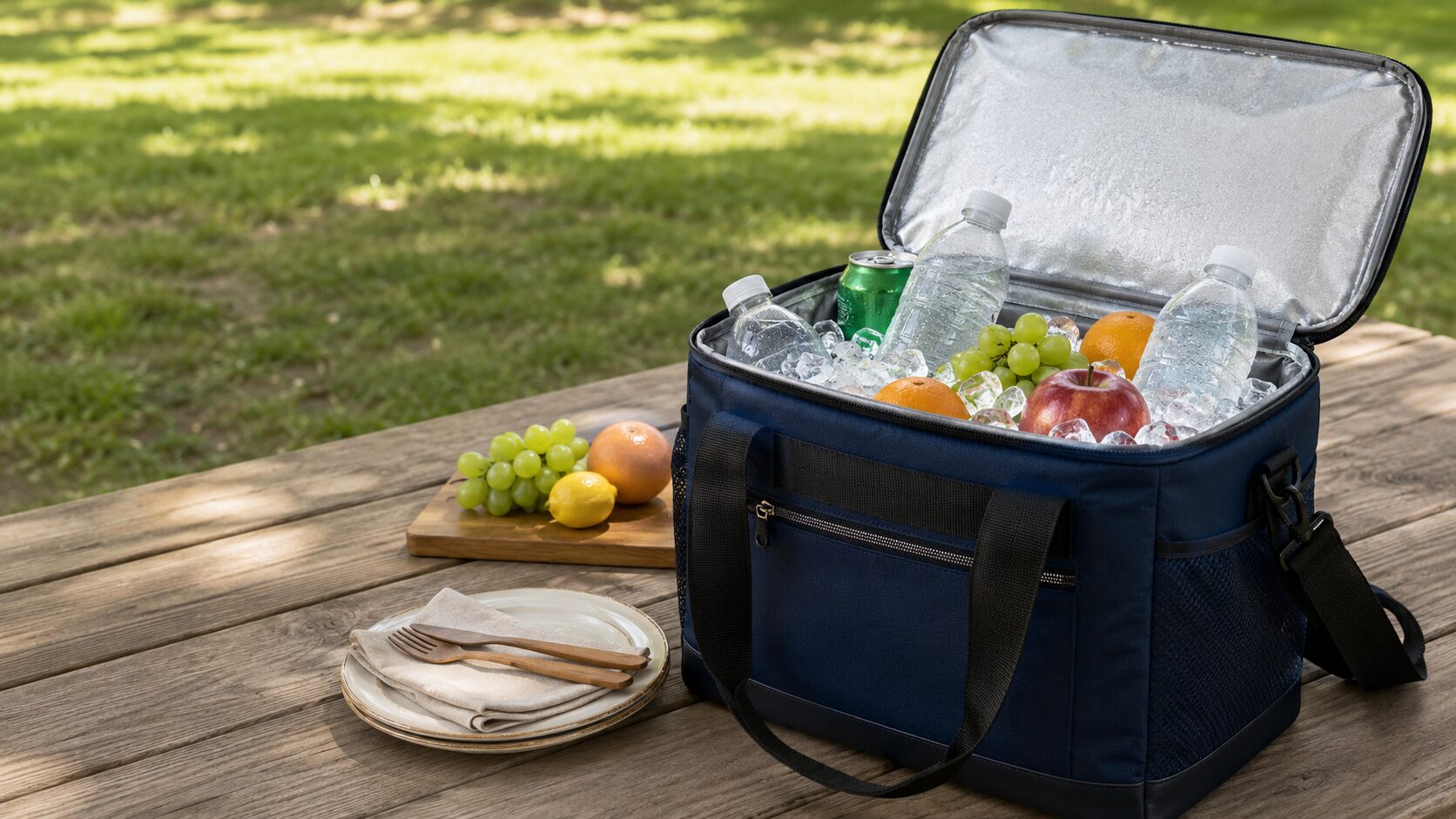
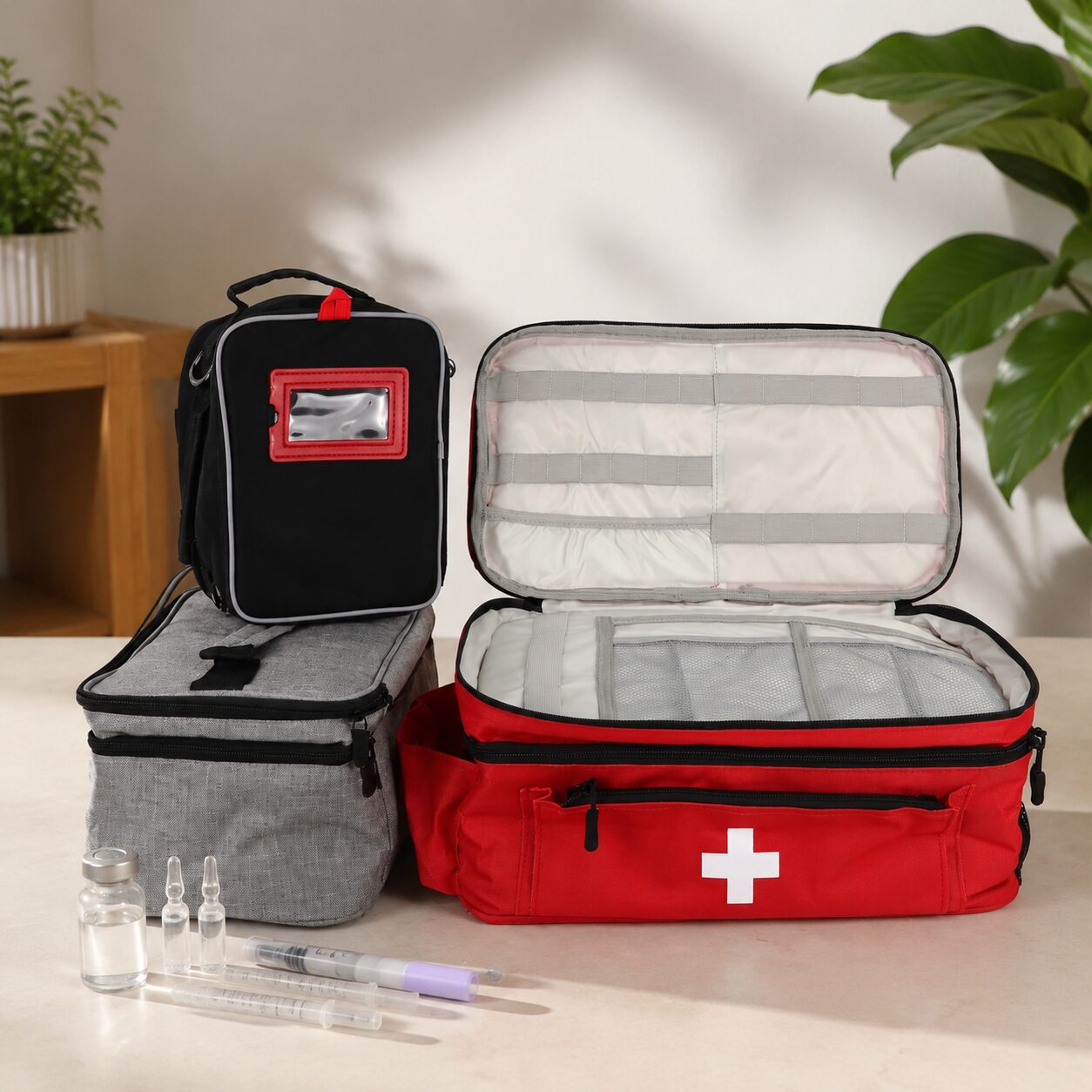
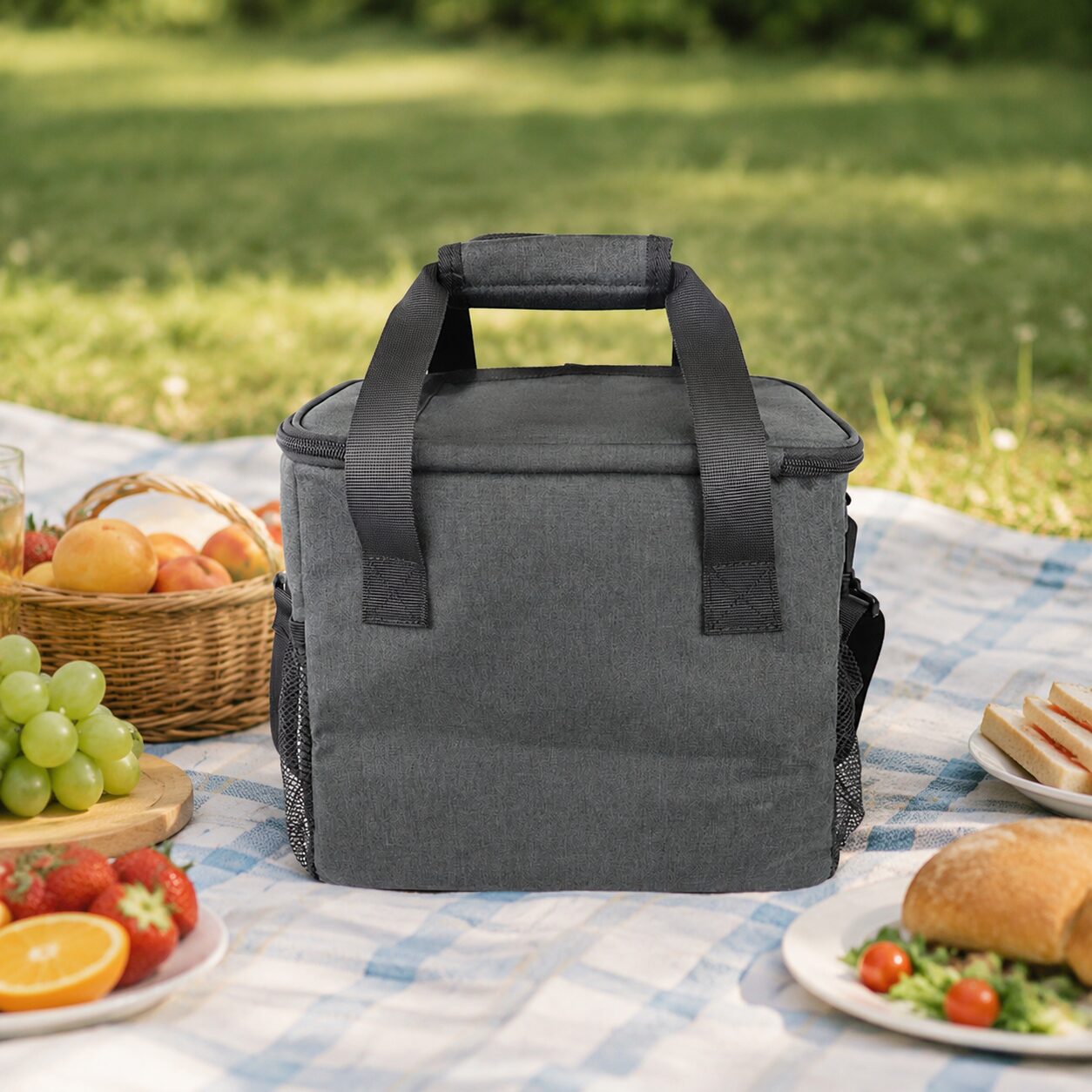
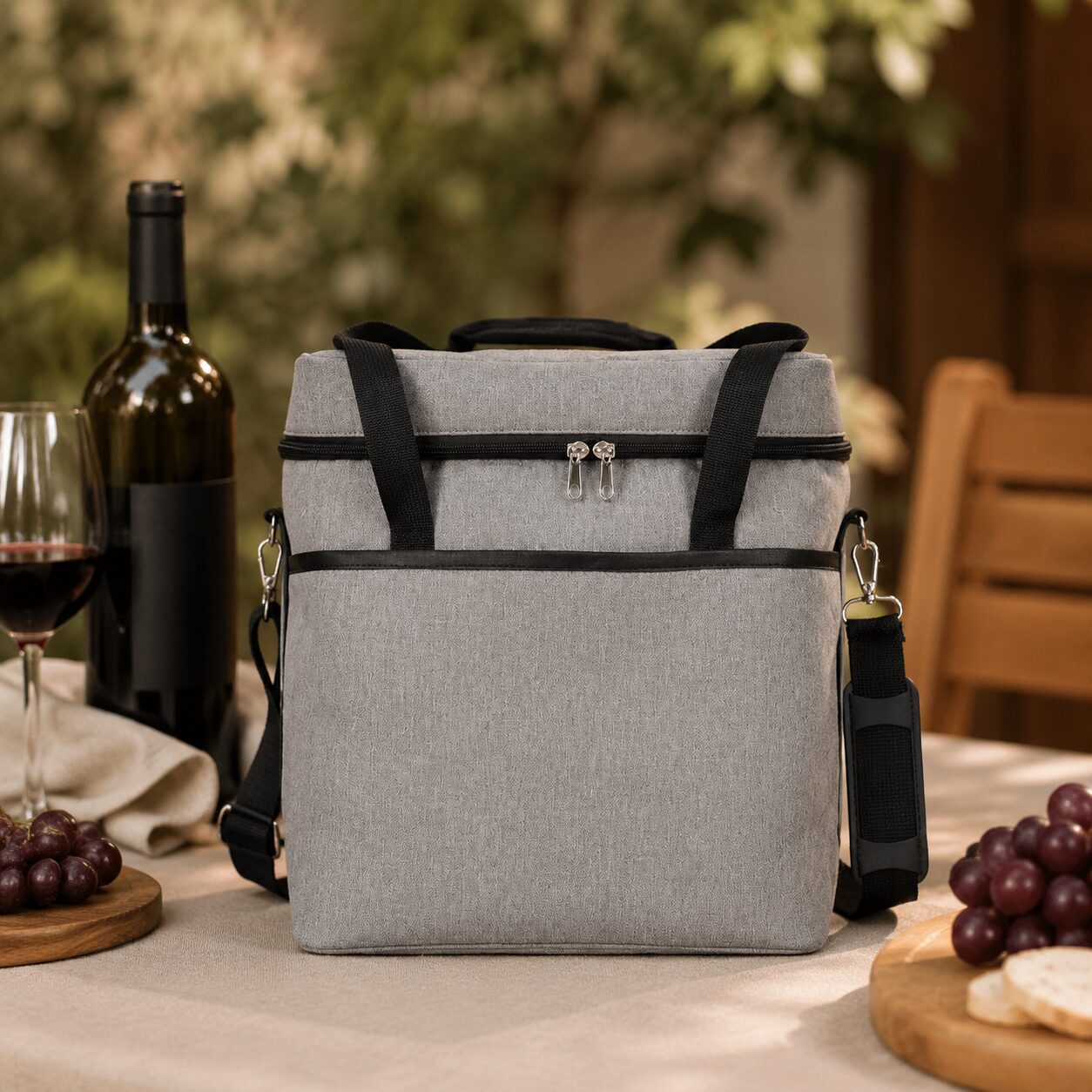
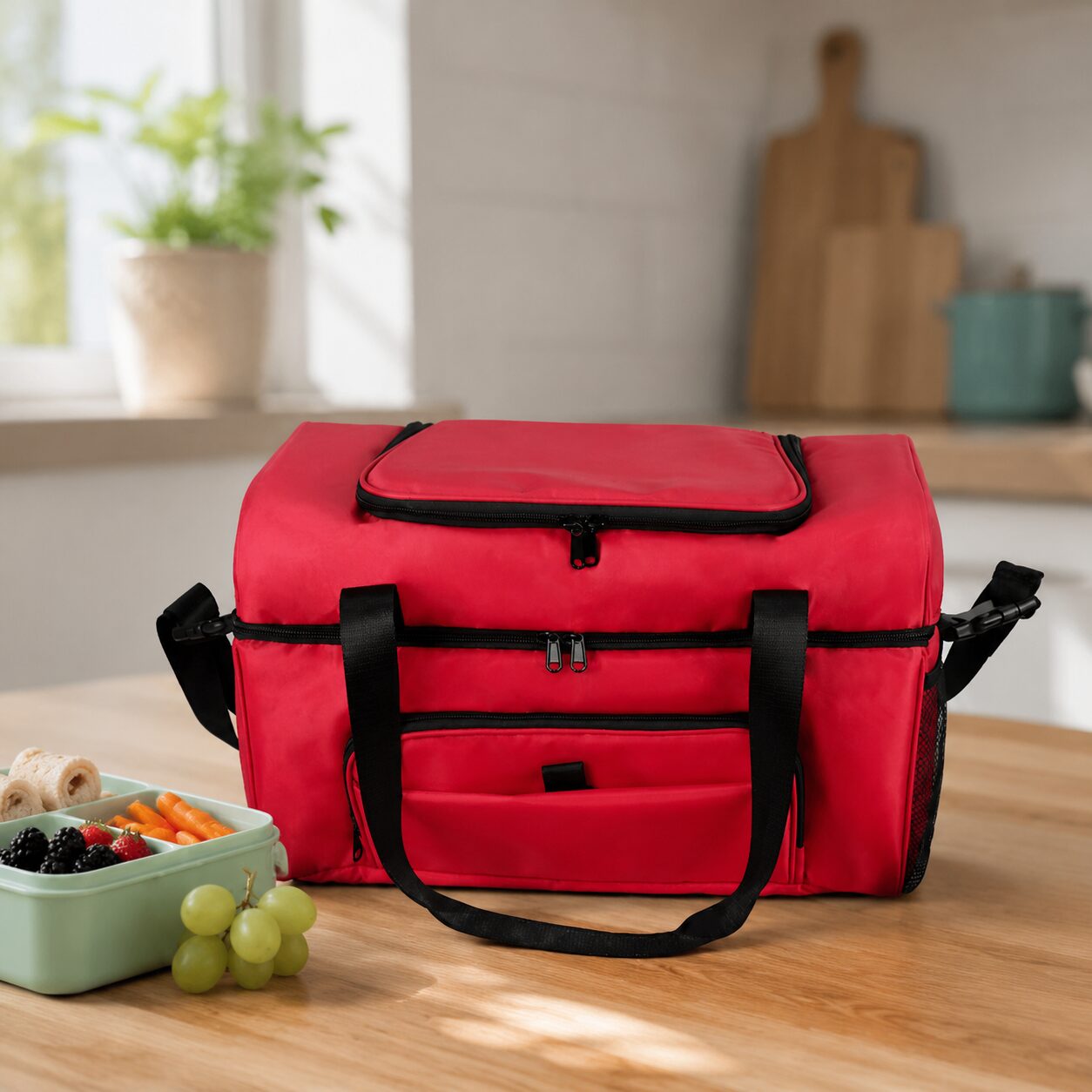
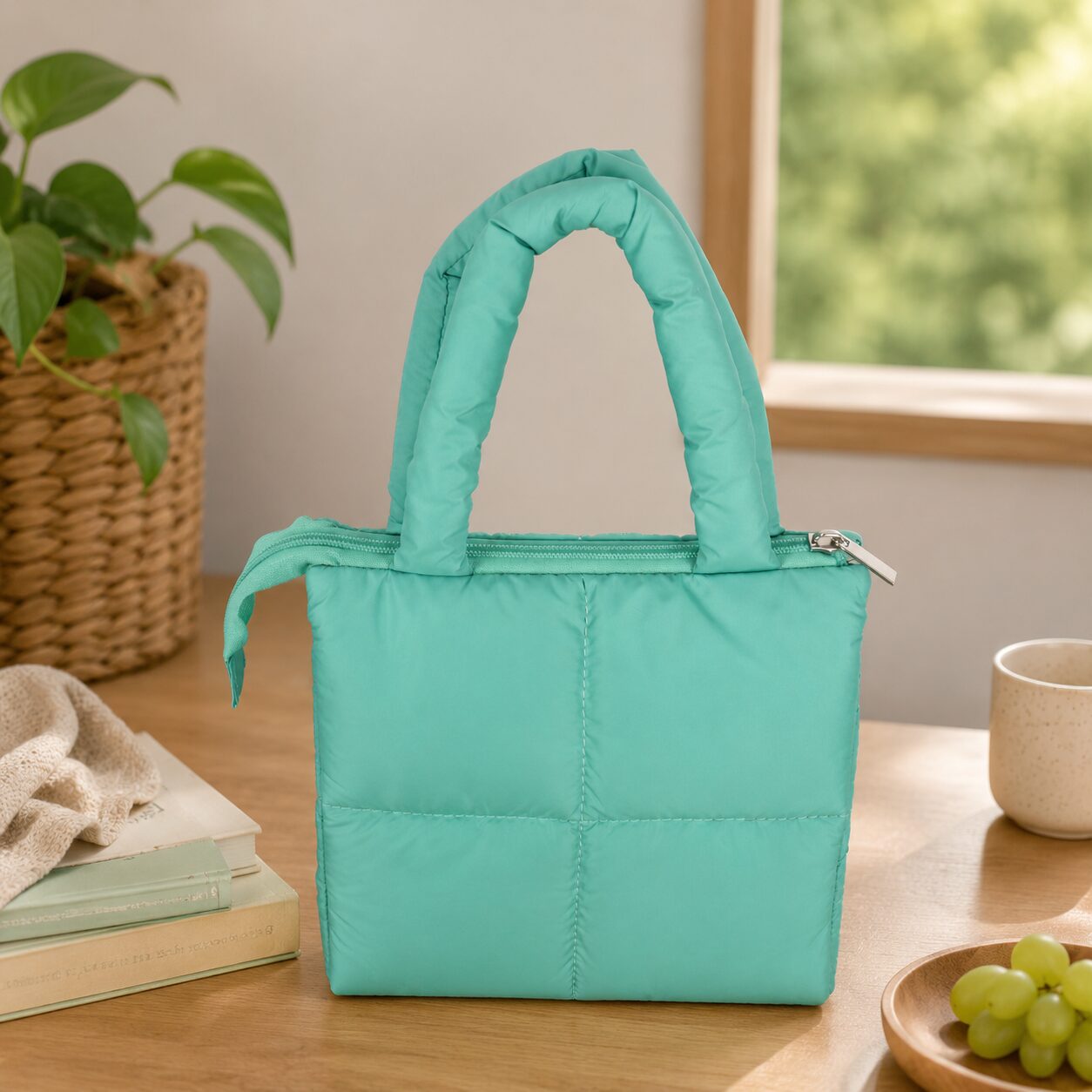
Moving a stitched prototype into volume production means checking material limits closely. A practical diy cooler bag design works when handmade lines change into exact factory rules. Anyone building a diy cooler bag line must shift from desktop crafting to reliable shop floor standards. Smart planning turns early samples into steady retail products without losing shape. Market demand for custom thermal gear has grown past basic home hobbies. Brands must check production costs before running large distribution batches. Strong consumer interest drives the growth of custom cooling accessories in retail markets. Early makers test their creative concepts within local peer groups before scaling up. Industrial manufacturing requires rigorous evaluation of structural consistency and unit economics. Standardized technical specs replace manual sewing variances during high-speed assembly runs. Factory production standards ensure long-term durability for large retail orders.
| Evaluation Stage | Technical Focus | Commercial Objective |
| Craft Phase | Manual cutting and stitching | Testing creative appeal and market traction |
| Scaling Phase | Automated nesting and bonding | Ensuring structural consistency and unit cost efficiency |
| Bulk Phase | High-speed industrial assembly | Fulfilling multi-thousand-unit retail distribution |
2. Thermal Engineering: Selecting the Right DIY Cooler Insulation Materials
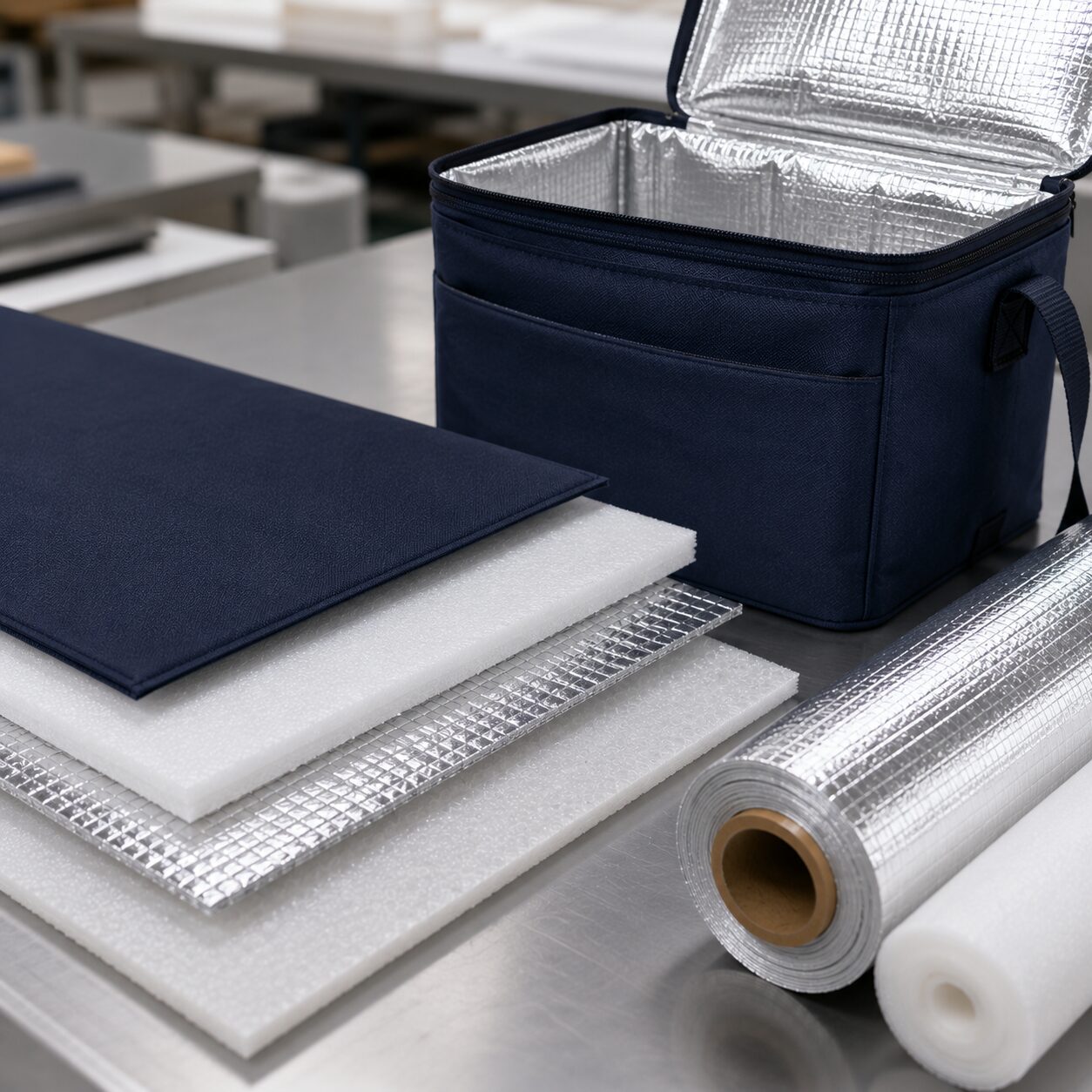
Dense polyethylene foam serves as the base for blocking heat in portable cooling gear. Good diy cooler insulation needs metal radiant films paired with flexible foam cores to stop heat transfer. Smart engineering keeps food cold during long outdoor trips under direct sun. Picking top insulation stops heat from leaking through bag walls. Sourcing teams check foam density and thickness to match cooling targets. Strong thermal defense drives the growth of portable insulated gear in outdoor retail markets. Early makers test their barrier films within local workshops before scaling up. Industrial manufacturing requires rigorous evaluation of core thickness and material behavior. Standardized technical specs replace manual cutting variances during high-speed assembly runs. Factory production standards ensure long-term cooling retention for large retail orders.
- High-density EPE foam layers: Creates microscopic closed-cell pockets that restrict air movement and slow down conductive thermal transfer.
- Metallized radiant barrier films: Bounces up to ninety-seven percent of radiant infrared heat away from the internal storage compartment.
- High-temperature adhesive lamination: Prevents material delamination during rigorous ultrasonic welding and industrial hot-press assembly operations.
3. Preventing Seam Failures: Choosing the Optimal Cool Bag Lining
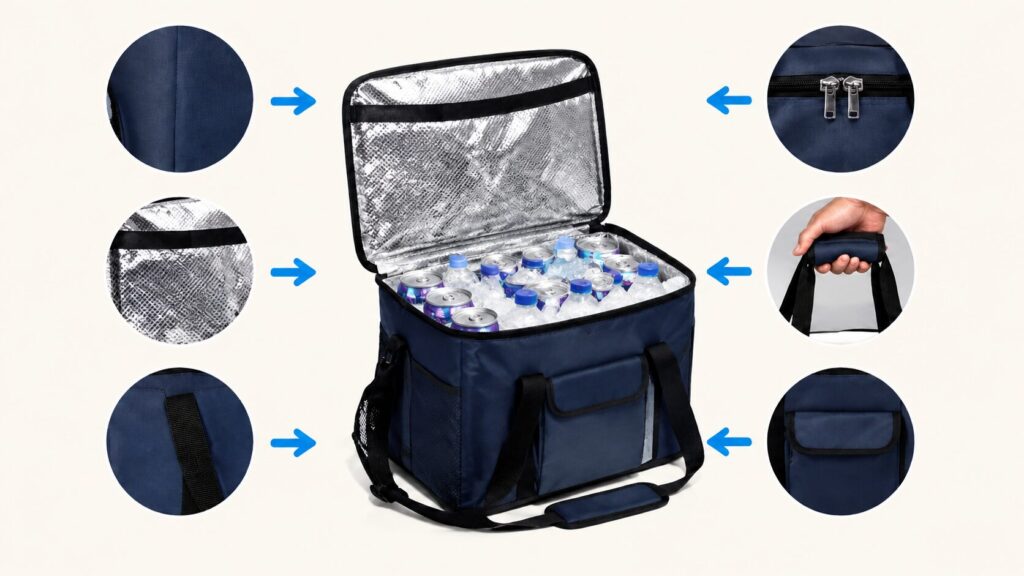
Stitched foil leaks when ice melts because needles punch holes in the waterproof layer. Finding the right cool bag lining with welded seams stops liquid leaks completely. Seamless tubs keep water inside and protect gear from damp damage. Using waterproof polyurethane stops moisture from soaking into the foam core. Effective seam protection drives the growth of portable insulated gear in outdoor retail markets. Early makers test their waterproof films within local workshops before scaling up. Industrial manufacturing requires rigorous evaluation of weld strength and material behavior. Standardized technical specs replace manual sealing variances during high-speed assembly runs. Factory production standards ensure long-term moisture retention for large retail orders.
- Seamless high-frequency welding: Fuses thermoplastic polyurethane or vinyl acetate films molecularly without puncturing the material.
- Indestructible waterproof troughs: Completely seals melting ice and liquid spills inside the internal storage chamber.
- Puncture resistance testing: Evaluates tear strength and material flexibility across wide temperature ranges for reliable durability.
4. Blueprinting Functionality: Essential Steps in Cool Bag Design and Prototyping
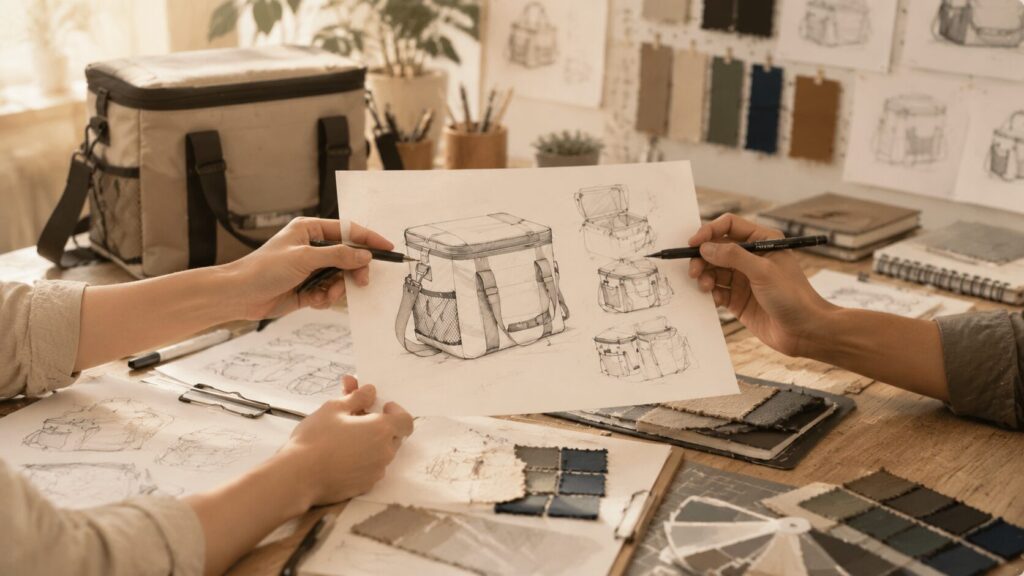
Turning a draft cool bag design into a tech pack helps factories build items right. Balanced weight distribution stops bags from pulling hard on shoulders. Clear tech specs stop costly factory mistakes during early sample runs. Good patterns fix sizing errors before cutting bulk rolls. Smart structural planning drives the growth of portable insulated gear in outdoor retail markets. Early makers test their pattern layouts within local workshops before scaling up. Industrial manufacturing requires rigorous evaluation of pocket placement and material behavior. Standardized technical specs replace manual grading variances during high-speed assembly runs. Factory production standards ensure long-term layout consistency for large retail orders.
- Multi-compartment layout integration: Separates dry snacks from wet ice chambers to prevent cross-contamination.
- Protective zipper closure garages: Shields waterproof closures from grit and moisture while extending operational lifespan.
- Comprehensive technical tech packs: Includes precise dimensional grading, material callouts, and rigorous stitching tolerances.
5. Expanding Utility: How to Make a Backpack Cooler for Active Markets
Figuring out how to make a backpack cooler takes a balance of rugged use and urban style. Heavy ice loads need strong frame support to keep users comfortable on long hikes. Mesh panels and padded straps help spread weight evenly across the back. Ergonomic structural planning drives the growth of portable insulated gear in outdoor retail markets. Early makers test their harness layouts within local workshops before scaling up. Industrial manufacturing requires rigorous evaluation of strap placement and material behavior. Standardized technical specs replace manual fitting variances during high-speed assembly runs. Factory production standards ensure long-term comfort retention for large retail orders.
- High-density EVA foam padding: Absorbs shoulder pressure and provides advanced skeletal support under heavy loads.
- Moisture-wicking mesh panels: Promotes continuous airflow across the back contact zone for enhanced user comfort.
- Reinforced webbing attachments: Utilizes heavy-duty box-x stitching patterns to anchor harness stress points securely.
6. From Handcraft to Industrial Scale: How to Make a Thermal Bag in Bulk
Learning how to make a thermal bag at scale means trading manual tables for automated cutting beds. Computer nesting software cuts fabric waste down across large production batches. Strict quality checks keep every finished unit up to standard. Efficient mass production drives the growth of portable insulated gear in outdoor retail markets. Early makers test their automated workflows within local workshops before scaling up. Industrial manufacturing requires rigorous evaluation of cutter speed and material behavior. Standardized technical specs replace manual cutting variances during high-speed assembly runs. Factory production standards ensure long-term output consistency for large retail orders.
- Multi-axis automated cutting tables: Nests pattern pieces tightly to maximize fabric yield and minimize waste.
- Automated high-frequency welding: Replaces domestic assembly methods to deliver uniform weld strength.
- Standardized assembly protocols: Inspects every completed unit for dimensional accuracy and watertight integrity.
7. The Aimazing Advantage: Engineering Excellence in Thermal Bag Manufacturing
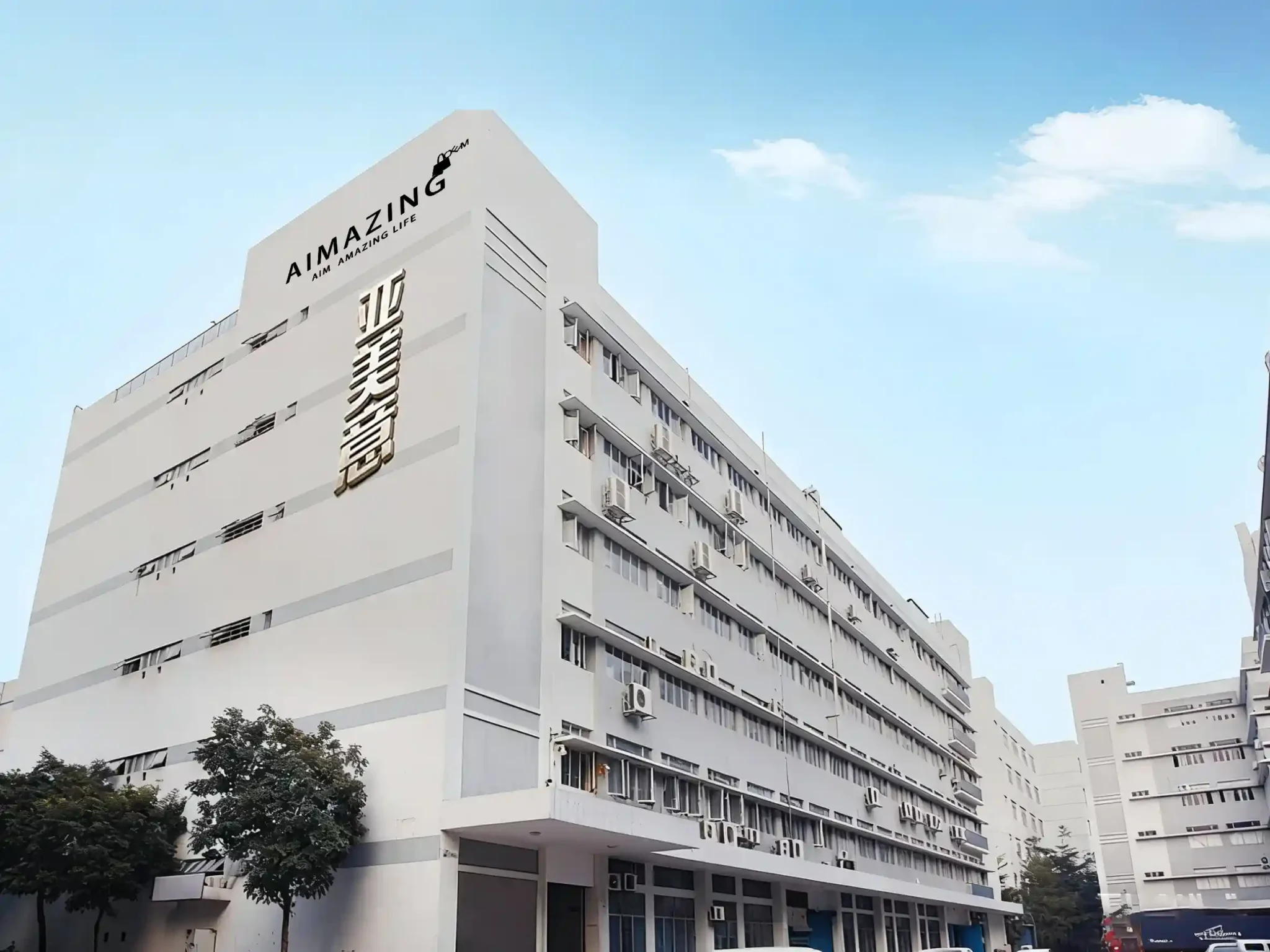
Aimazing Bag helps brands move from simple sketches to full factory production runs. Our shop uses auto cutters and welded lines to build tough bags. We run strict checks from raw material intake to final water tests. Reach out to discuss custom tech packs and bulk pricing.
- State-of-the-art factory facilities: Utilizes automated cutting tables, high-frequency welders, and eco-friendly print lines.
- ISO-certified quality protocols: Implements strict inspection stages from raw material intake to watertight testing.
- Tailored OEM and ODM support: Refines technical tech packs and customizes production lines for brand targets.