
1. The Science of Cold Retention: What Makes an Insulated Freezer Bag Truly Effective?
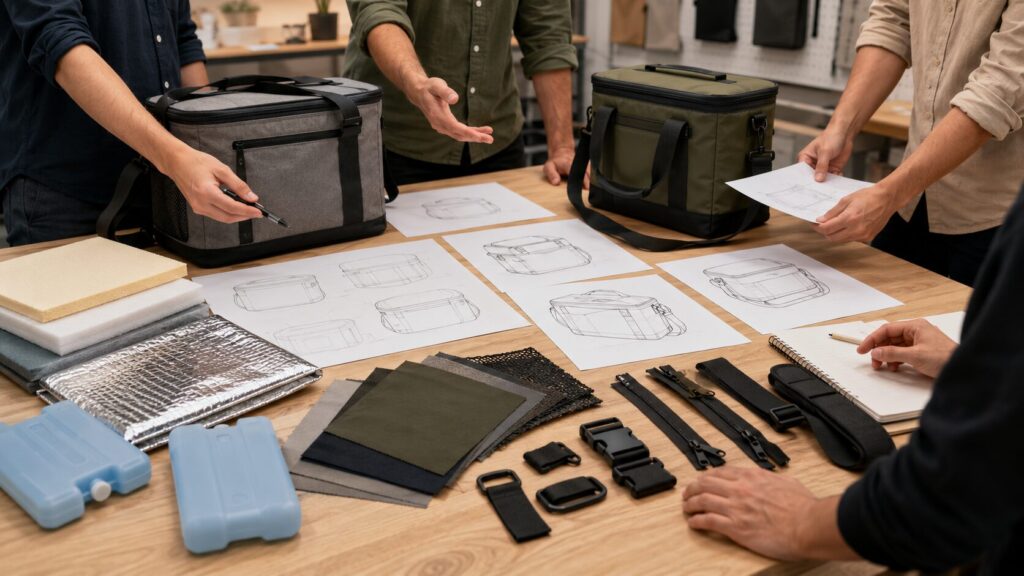
End-users and B2B buyers must look inside the material layers to judge thermal quality. Structural performance relies on hidden reinforcing layers rather than superficial exterior fabrics. Sourcing high-performance standards requires evaluating what makes an industrial-grade insulated freezer bag withstand extreme ambient heat. Industrial procurement teams evaluate core textile engineering before launching custom thermal accessory collections. Establishing a direct OEM manufacturing partnership guarantees precise control over heavy-duty webbing strength and insulation thickness. Digital tech packs transform into tangible retail merchandise rapidly because engineering teams communicate structural modifications without bureaucratic lag. Industrial manufacturing scale allows emerging brands to maximize profit margins while maintaining absolute delivery reliability across massive international inventory volumes.
| Sourcing Dimension | Traditional Trading Approach | Direct OEM Manufacturer Approach |
| Supply Chain Transparency | Low visibility with multiple intermediaries | Complete oversight from raw material to bulk delivery |
| Cost Efficiency | Higher baseline pricing due to agent markups | Optimized production costs and maximum profit margins |
| Prototyping Agility | Slow sample turnaround with communication gaps | Rapid tech pack execution and direct engineering support |
2. Core Material Science: Evaluating Foam Density and Radiant Barriers
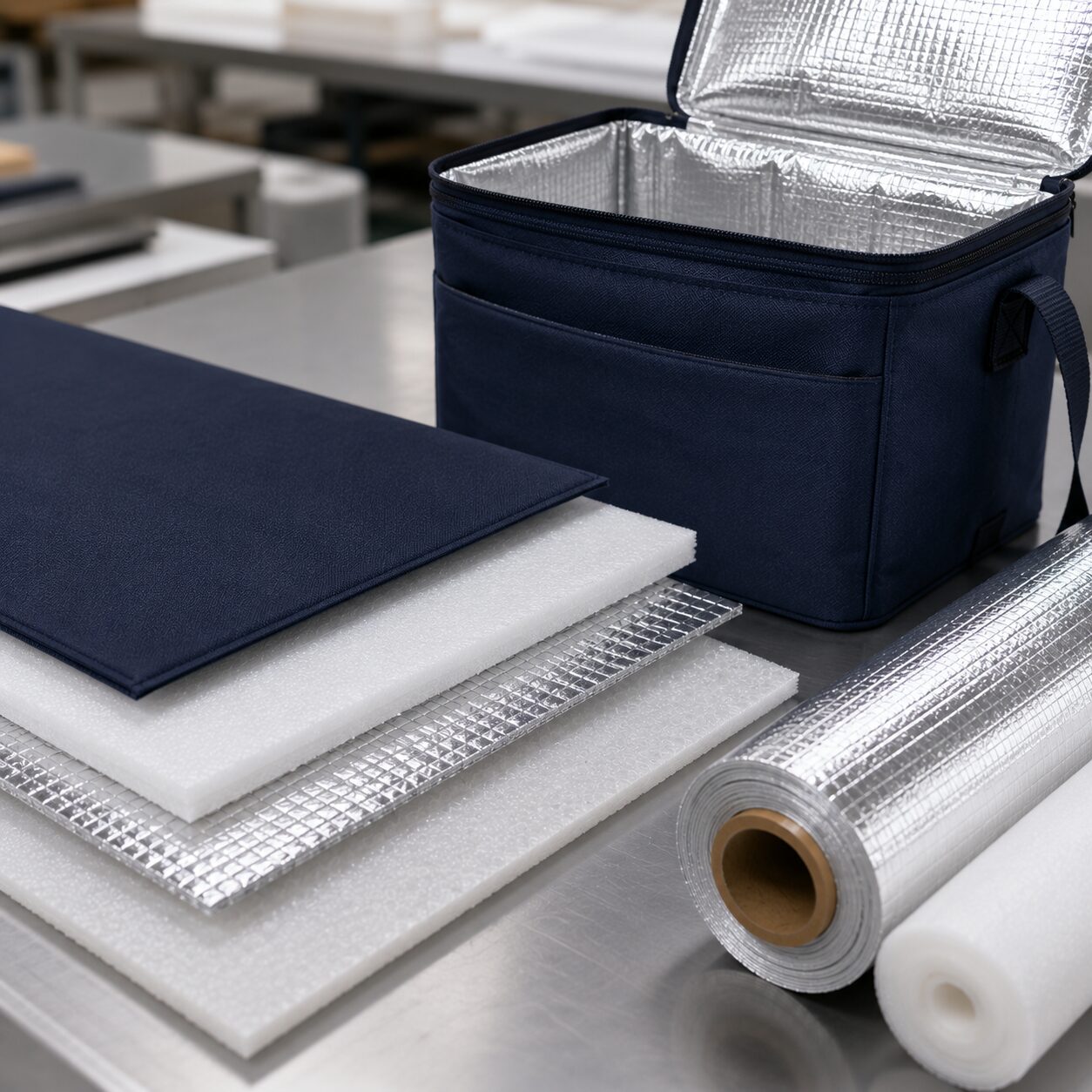
High-density EPE foam and metallized films slow heat transfer and bounce infrared rays away from your insulated freezer bag, while factory engineers check denier weights to make sure the outer shell fights off moisture and UV rays. Lamination presses bond the outer fabric to the inner foam without bubbling, and techs dial in the heat controls all shift long to keep welds solid. Inventory managers track every lot number just in case, and supply chain coordinators keep buffer stock on hand so assembly never hits a bottleneck when customers ask how long does an insulated bag keep food warm.
- Conduction block: High-density polyethylene foam cores provide a structural thermal barrier against conductive ground and vehicle contact heat.
- Radiant reflection: Multi-layered radiant barrier films reflect external solar energy away from sensitive commercial food shipments.
- Structural loft: Precision density tuning prevents insulation compression under heavy static load conditions.
3. Lining Integrity: Preventing Leaks and Optimizing Cold-Air Circulation
Traditional stitched foil liners fail when ice melts inside a heavy-duty bag cooler with thermal ice. Needle punctures create active liquid leakage pathways that ruin thermal barriers and compromise external carton integrity. Sourcing heat-sealed PEVA linings creates 100% watertight chambers for loose ice and coolants. Factory production lines replace traditional single-needle stitching with automated thermal bonding to eliminate fluid migration paths. QC directors hook up pneumatic chambers to test seam burst limits and make sure the structural joints can handle some serious pressure. Automated cutting tables keep the panels lined up right so the welding heads lay down even heat across every single joint. Plus, cleanroom assembly keeps airborne dust from messing with the polymer bonding agents during high-frequency sealing, which is a game-changer when you are building a heavy-duty insulated freezer bag.
- Needle hole elimination: Seamless high-frequency welding removes traditional stitch holes that cause premature liquid leakage.
- Watertight execution: Monolithic polymer structures contain melted ice water completely for extended operating hours.
- Sanitation control: Smooth interior surfaces allow effortless cleaning and prevent bacterial growth after exposure to food spills.
4. Urban and Outdoor Portability: How to Keep Drinks Cold in a Backpack
Structuring slim, multi-layered compartments without adding excessive bulk maintains consumer comfort during daily commuting. Ergonomic integration requires balancing high-security insulation with flexible panel architecture. Mastering how to keep drinks cold in a backpack demands strategic packing mechanics and pre-chilling protocols. Factory designers integrate breathable mesh padding along back panels to prevent heat buildup during extended walking sessions. Sourcing robust security components safeguards both the traveler and their chilled beverages during transit. Quality control teams test shoulder strap anchor points under maximum weight loads to prevent sudden structural failure. Production supervisors ensure that hidden zipper compartments remain easily accessible to the user while defying unauthorized access.
- Ergonomic profiling: Slim insulation profiles distribute internal cargo weight evenly across the wearer’s spine.
- Air gap minimization: Packing beverage cans tightly together prevents convective air currents from accelerating internal ice melting rates.
- Pre-chilling synergy: Cooling inner compartments prior to loading absorbs residual ambient heat and stabilizes initial internal temperatures.
5. Thermodynamics in Action: How Does a Cooler Keep Things Cold?
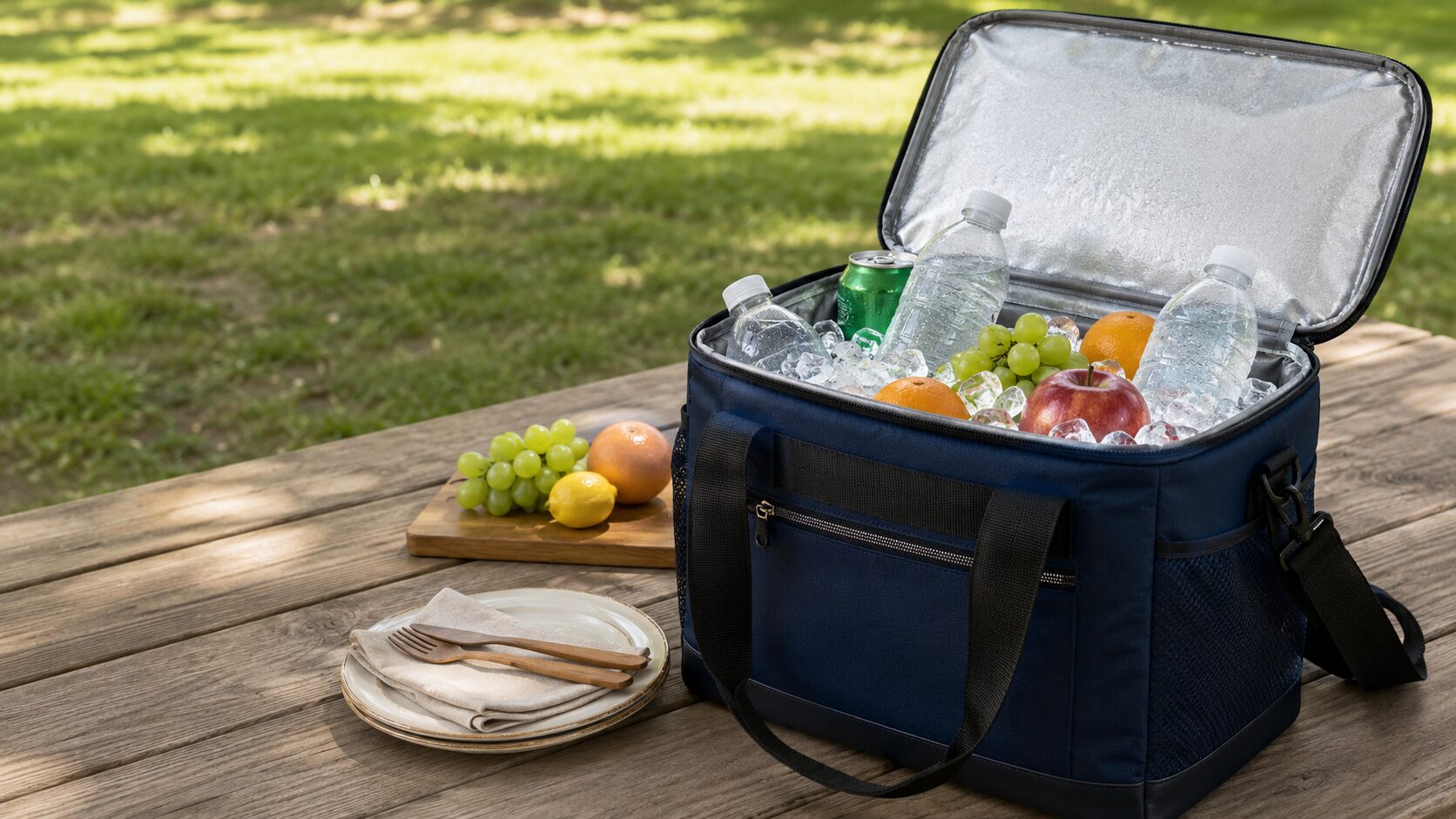
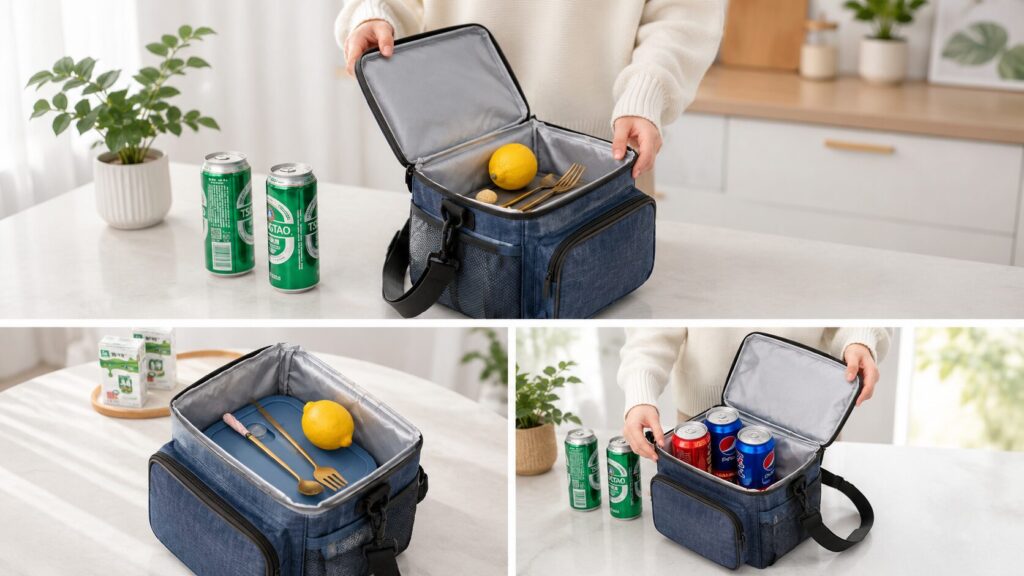
Conduction, convection, and radiation represent the three pillars of heat transfer in daily thermal bag usage. Managing internal air volume and coolant synergy dictates how does a cooler keep things cold over extended operational timelines. Factory testing technicians subject random production samples to multi-hour thermal decay chambers and heavy-weight drop tests. Environmental chamber operators record internal temperature fluctuations continuously while external ambient heaters mimic severe desert heatwaves. Ergonomic testing equipment measures handle pull resistance to ensure user comfort during extended carrying tasks under maximum weight capacity. Metal detector checkpoints scan finished cartons strictly to eliminate stray sewing needles or manufacturing debris prior to export. Final audit reports provide retail clients with complete transparency regarding batch compliance metrics and engineering test results.
- Conduction control: Insulated walls block direct molecular heat transfer from hot vehicle trunk surfaces.
- Convection management: Airtight zipper closures prevent warm outside air from entering the internal storage cavity.
- Thermal mass optimization: Phase-change coolant blocks absorb ambient heat energy slowly across extended delivery routes.
6. Dual-Purpose Versatility: How to Use Cool Bag Structures for Warm Storage
Utilizing multi-layered insulation traps heat effectively to support warm meal delivery operations across competitive markets. Knowing how to use cool bag configurations safely requires understanding reverse thermal dynamics and vapor barrier protection. Factory production lines incorporate heavy-duty vapor barriers to prevent steam condensation from degrading internal foam cores. Quality assurance directors perform rigorous burst-pressure audits on packed thermal transport units before approving bulk export shipments. Thermal engineers optimize fastener placements to prevent heat leakage around enclosure perimeters during frequent opening cycles. Automated cutting tables ensure exact alignment of insulation panels to maintain airtight dual-temperature performance standards. Supply chain coordinators maintain buffer stocks of certified hardware components to prevent seasonal assembly line bottlenecks.
- Reverse thermal retention: Specialized inner linings trap cooking steam and radiant heat to keep meal deliveries hot for hours.
- Vapor barrier protection: Integrated moisture shields prevent hot food condensation from soaking into structural foam layers.
- Operational safety: Proper pre-heating protocols ensure structural materials handle high-temperature contents without degradation.
7. The Aimazing Advantage: Engineering Excellence in Thermal Solutions
Aimazing Bag delivers robust manufacturing support for global thermal accessory brands worldwide as an established direct factory partner. We combine advanced heat-welding techniques and strict quality control protocols to ensure every production batch meets international standards seamlessly. Contact our dedicated engineering team today to review technical specifications and schedule your commercial production.