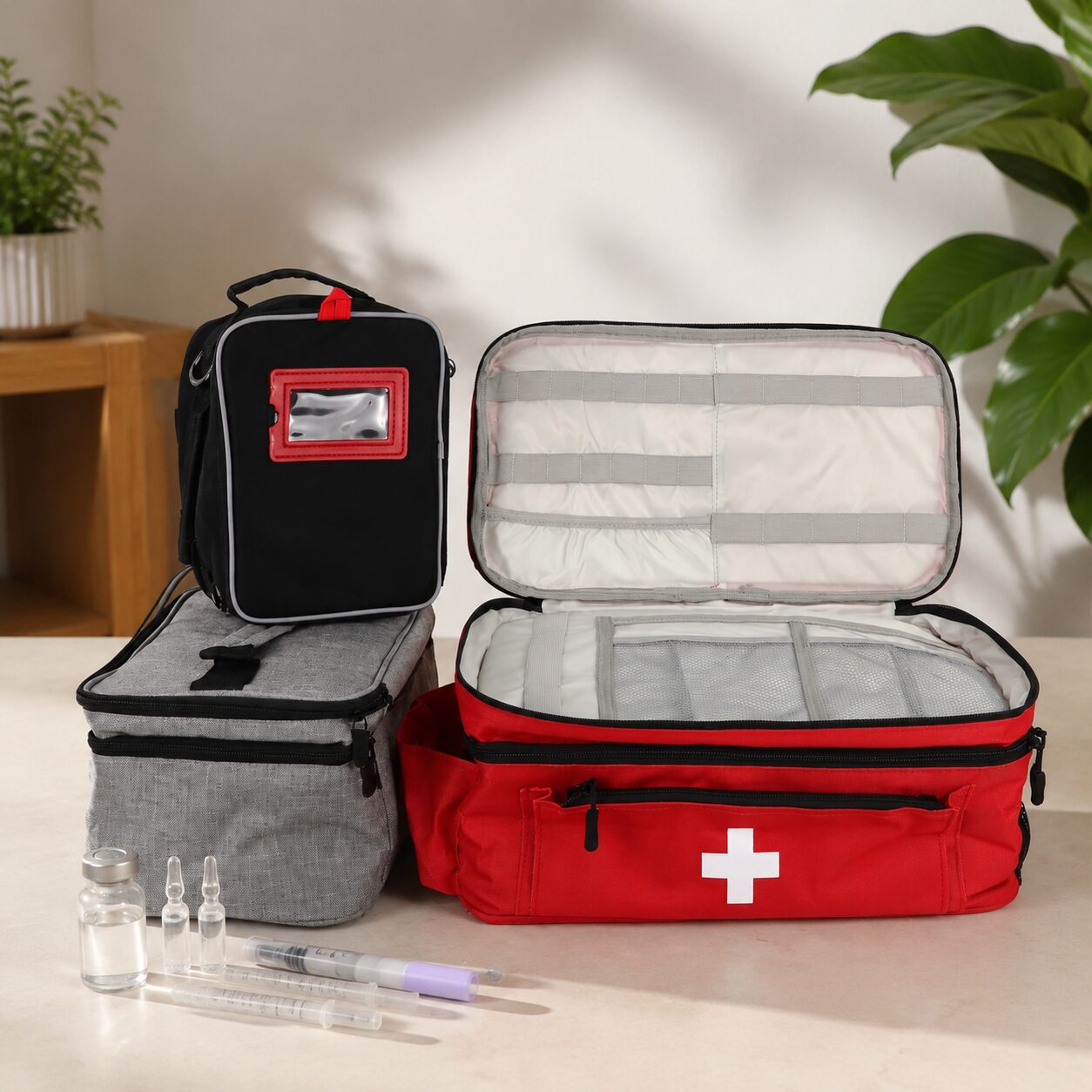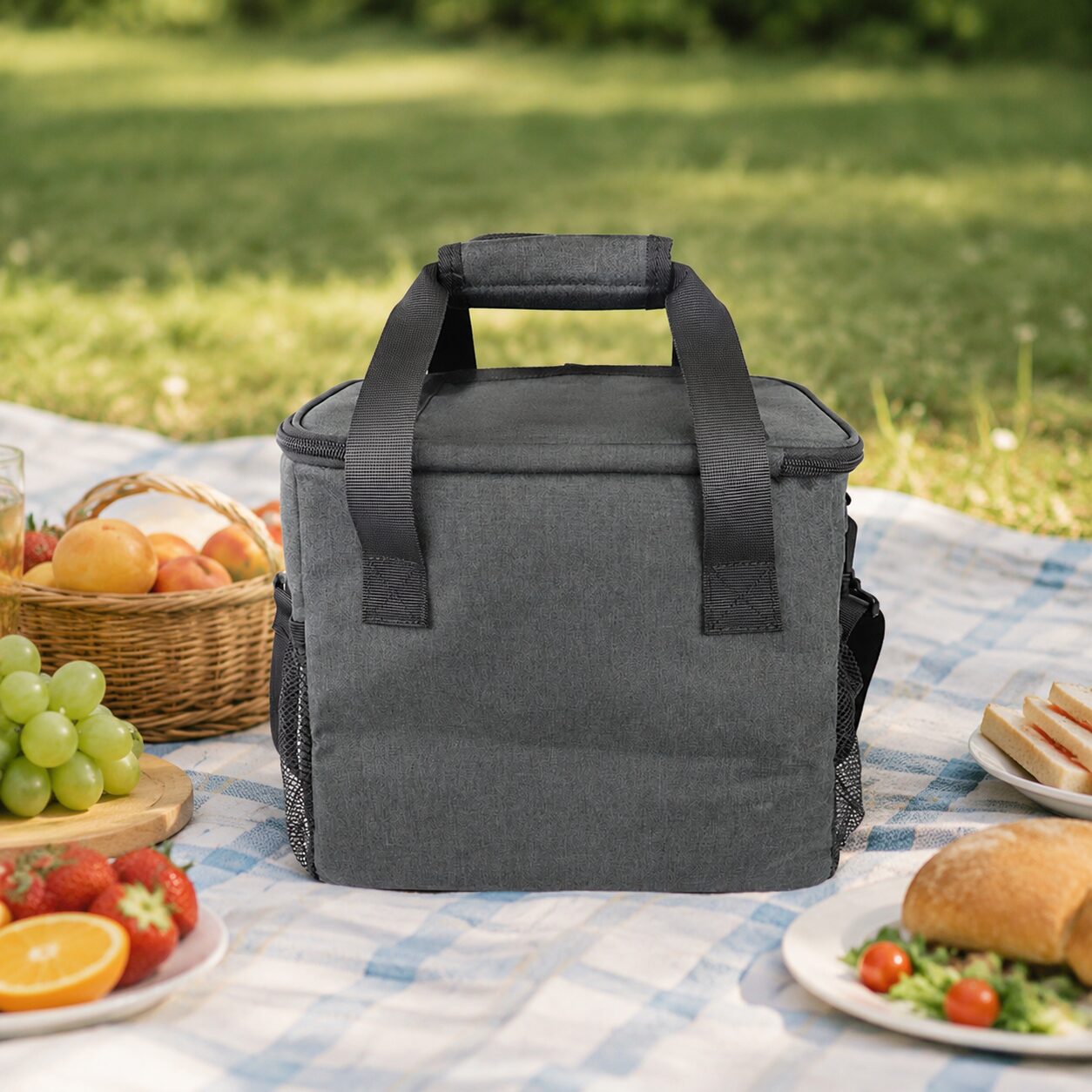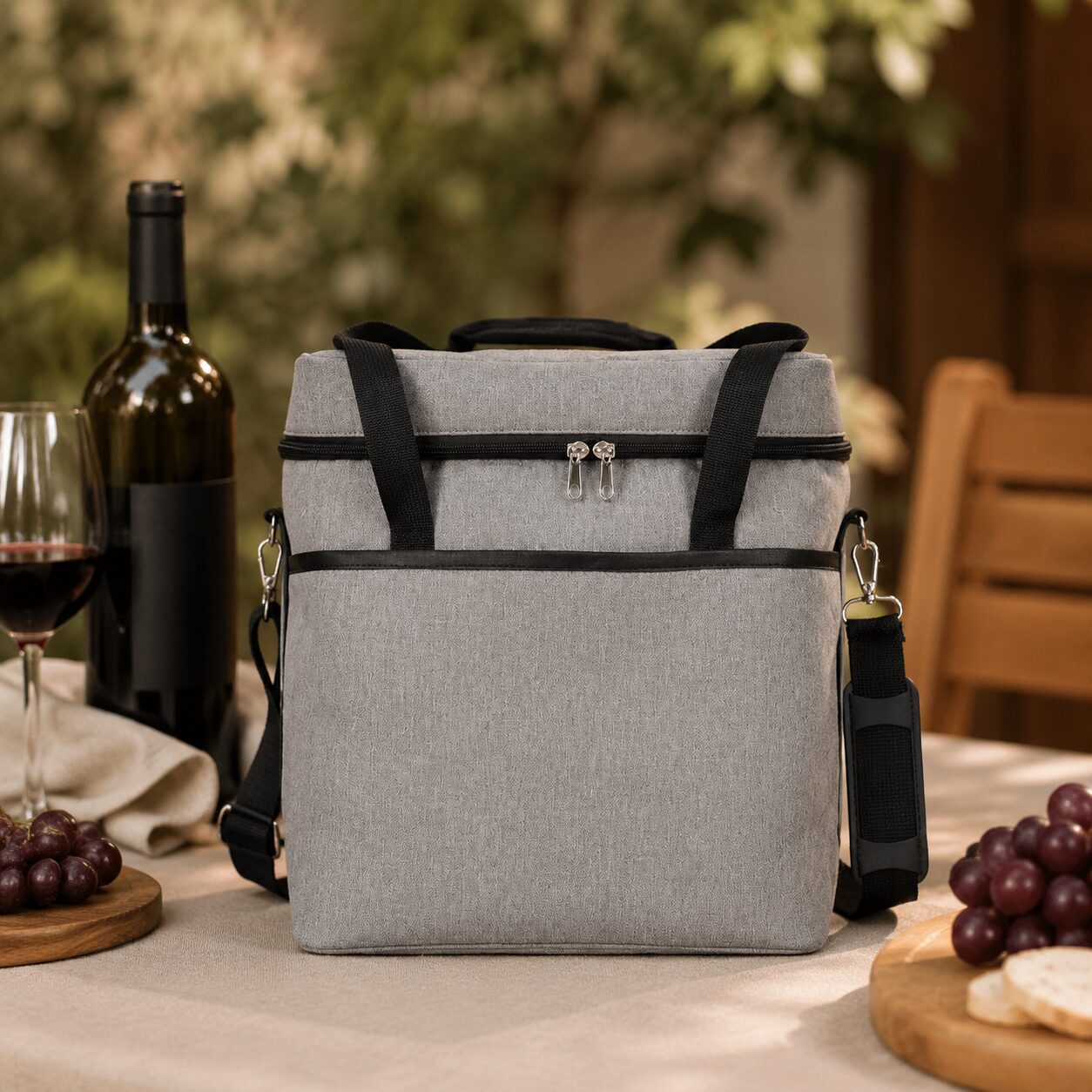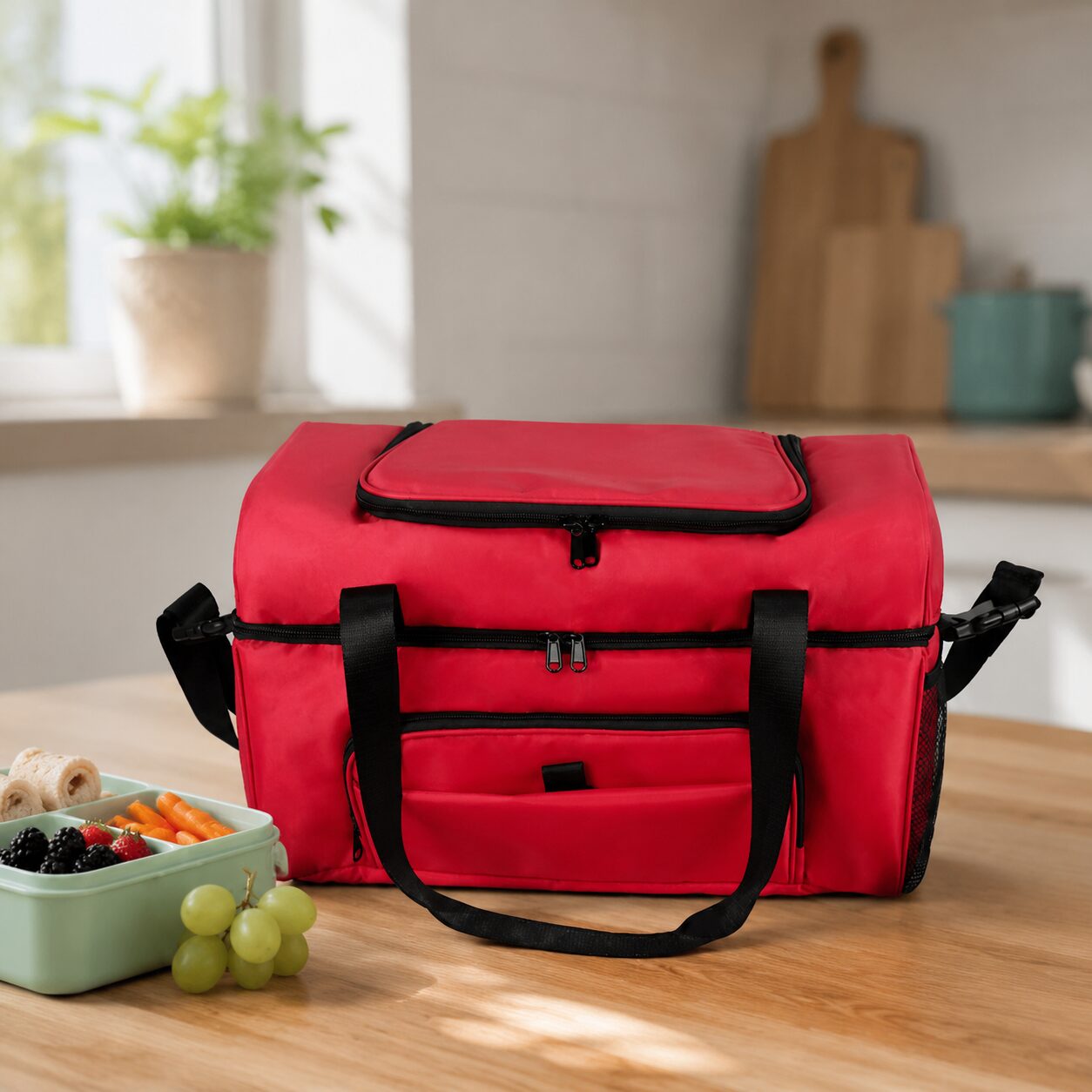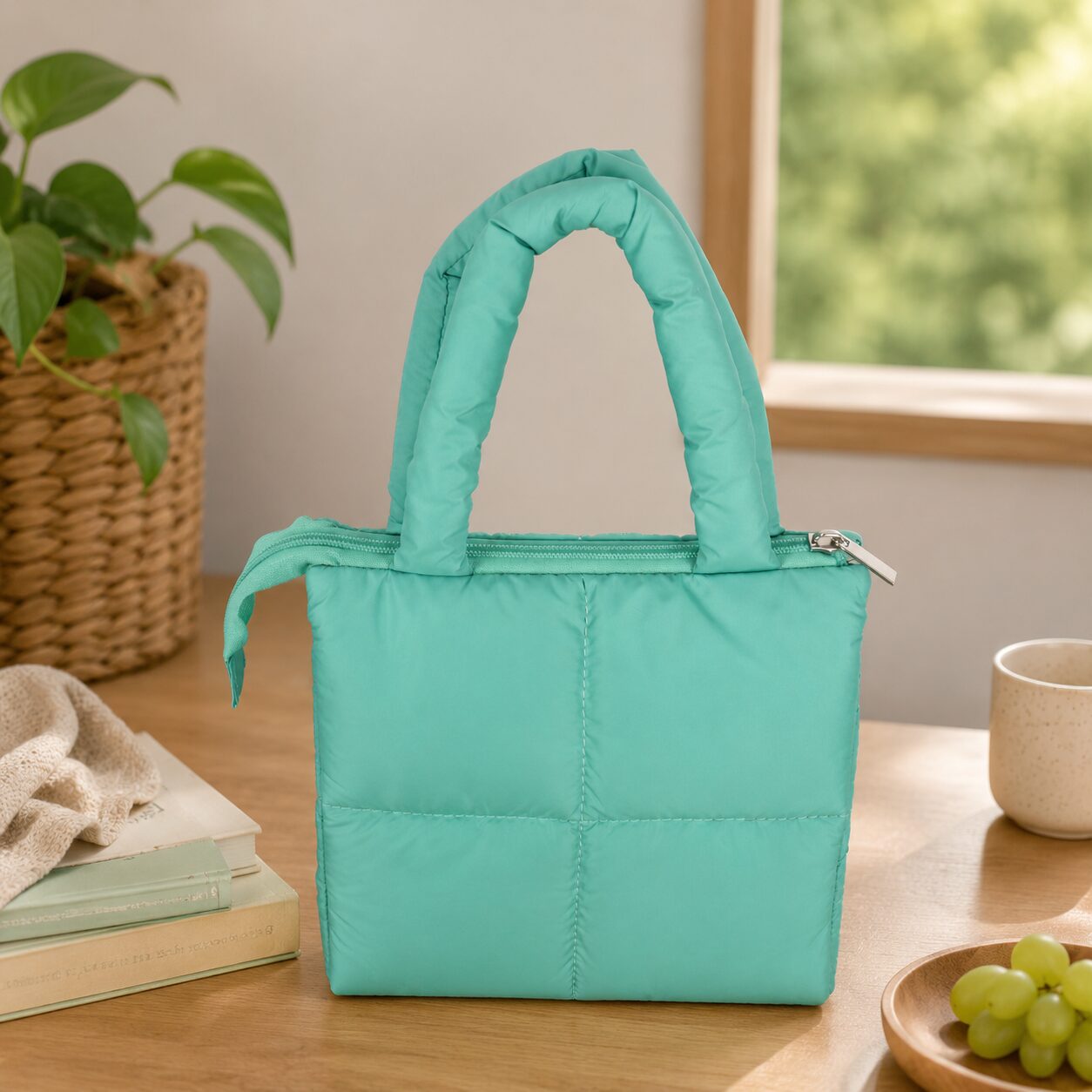

1. The Foundation of Thermal Efficiency: Understanding Insulating Fabric Material
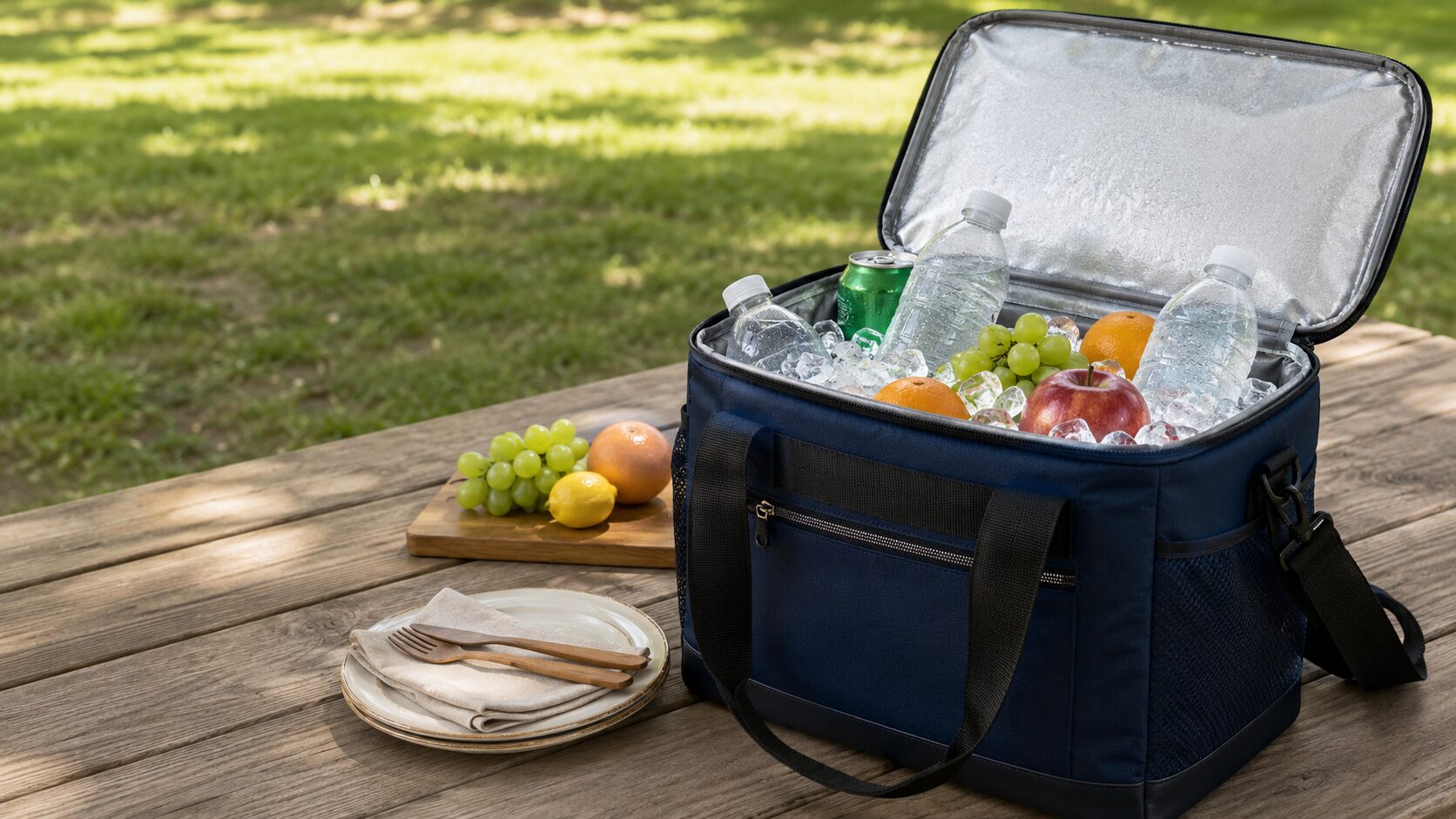
When it comes to lunch bag insulation material, advanced thermal containers block heat transfer by teaming up low-conductivity fabrics with high-reflectivity metallic barriers. Standard woven materials usually soak up outside warmth through direct molecular vibration, but engineered thermal textiles trap static air pockets to shut down that conductive flow. At the same time, microscopic vapor-deposited aluminum bounces infrared heat radiation right away from the main compartment, keeping your midday meals fresh and cool on the move. OEM testing proves that proper material architecture eliminates temperature drift across diverse environmental conditions for high-performance units. Brand buyers must evaluate internal quality rather than focusing solely on exterior canvas texture to ensure long-term retail success.
| Evaluation Metric | Technical Specification | Commercial Impact |
| Thermal Conductivity | Low micro-pore transfer rate using closed-cell synthetic structures | Prevents ambient outdoor heat from spoiling perishable contents |
| Reflective Capacity | Dual-sided aluminum vapor deposition with high infrared deflection | Rejects radiant solar energy during extended transit cycles |
| Mechanical Durability | High-density tensile strength under heavy daily loading cycles | Eliminates structural degradation and reduces customer returns |
2. Material Science Breakdown: What Are Insulated Lunch Bags Made Of?
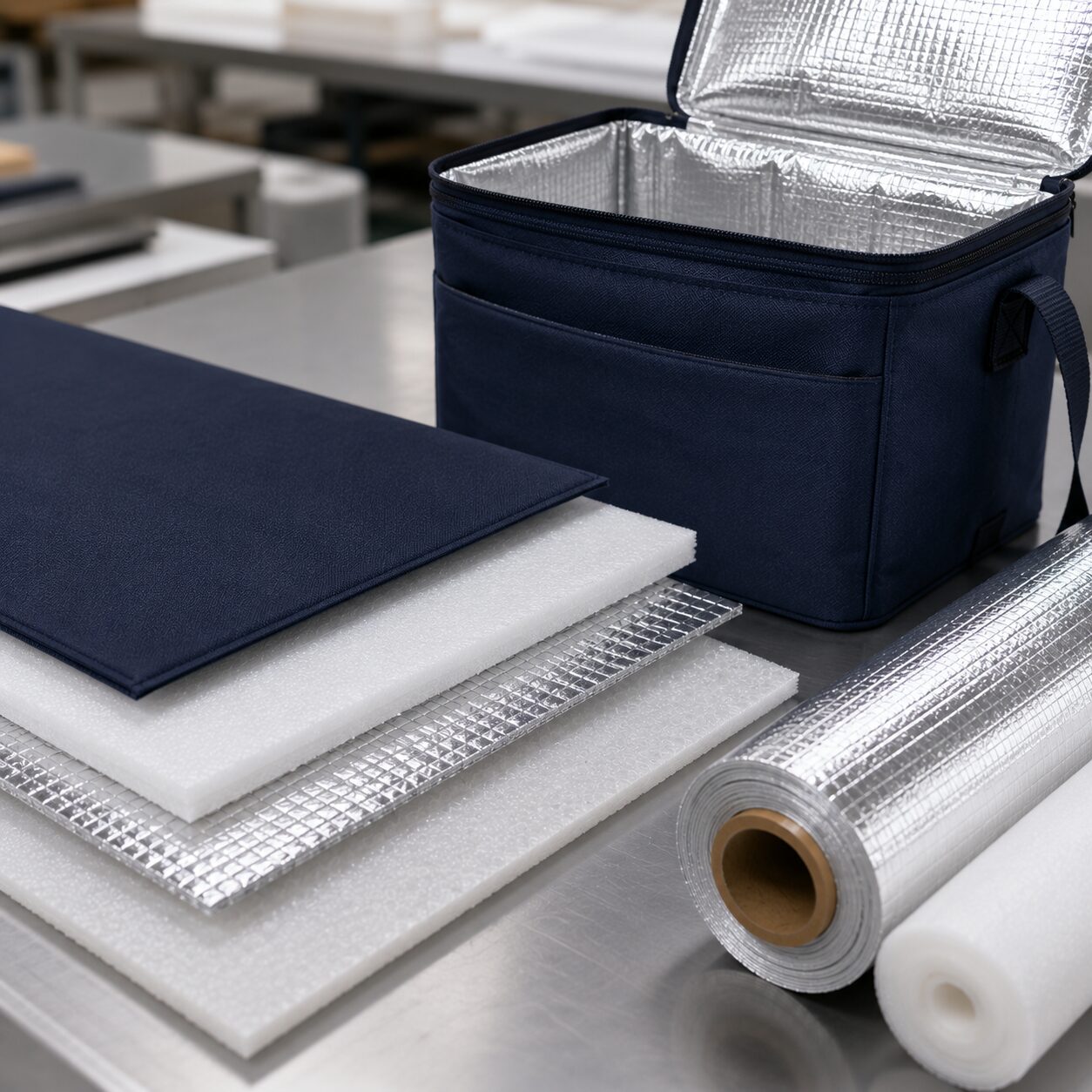
Commercial thermal containers utilize a robust three-layer construction consisting of a durable outer shell, an insulating core, and a waterproof lining. Sourcing professionals analyze what certified polymers comprise an advanced insulating fabric material to determine how advanced polymer blends enhance overall product resilience. The outer textile provides abrasion resistance and weather protection, while the middle core layer delivers the primary thermal resistance required to control internal microclimates. The inner waterproof barrier contains spills and prevents moisture from reaching the sensitive insulation layers during daily use. Factory engineering teams optimize each layer to balance flexibility, weight, and thermal endurance across industrial production lines.
- Outer protective shell: Abrasion-resistant 600D polyester shields internal layers from physical wear and moisture.
- Central thermal core: Closed-cell EPE foam traps static air pockets to deliver high thermal resistance.
- Inner waterproof barrier: Seamless PEVA linings contain liquid spills without leaking into insulation structures.
- Standard material grades: Commercial builds utilize non-toxic polymers and industrial-grade synthetic textiles.
3. Performance Engineering: Evaluating Lunch Bag Insulation Material Options
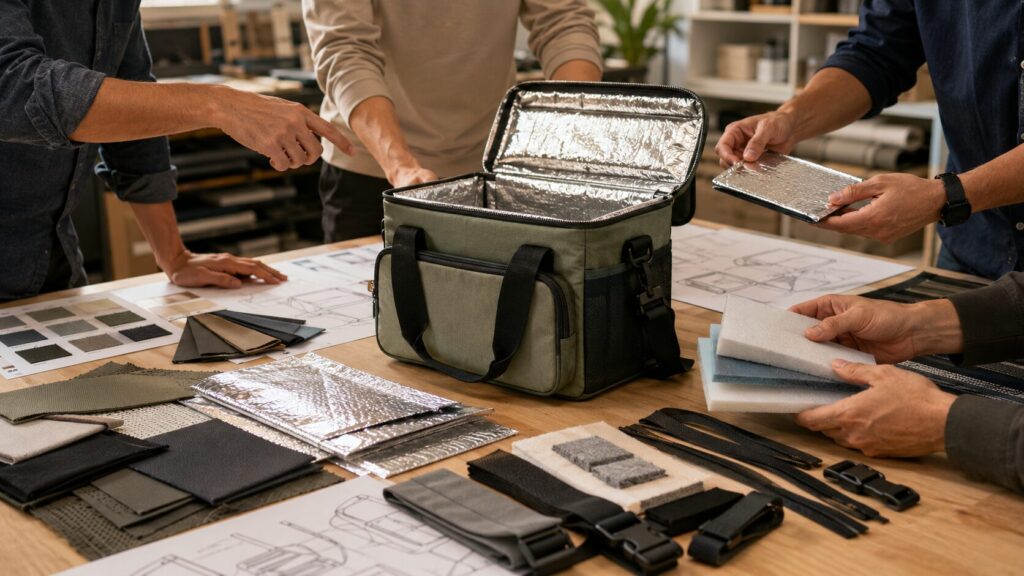
Selecting the right thermal barrier requires comparing the thermal and structural properties of EPE foam, neoprene, and felt. When brands evaluate each available insulating fabric material variant, they prioritize compression recovery and consistent thickness profiles for bulk manufacturing runs. Expanded polyethylene foam delivers superior thermal resistance and structural rigidity at a lightweight profile for commercial transport applications. Neoprene offers excellent stretch and flexibility, but it provides limited holding duration under extreme ambient heat exposure. OEM laboratory data confirms that EPE foam remains the industry standard for high-performance commercial food transport.
- EPE foam efficiency: Deliver maximum thermal resistance and structural rigidity at minimal weight.
- Neoprene flexibility: Offers stretch and soft handling but restricted thermal holding times.
- Compression resistance: High-density materials prevent permanent sagging under heavy daily payloads.
- Density calibration: Strict thickness controls ensure consistent product performance across bulk orders.
4. Structural Integrity in Daily Use: Designing Insulated Fabric Lunch Bags
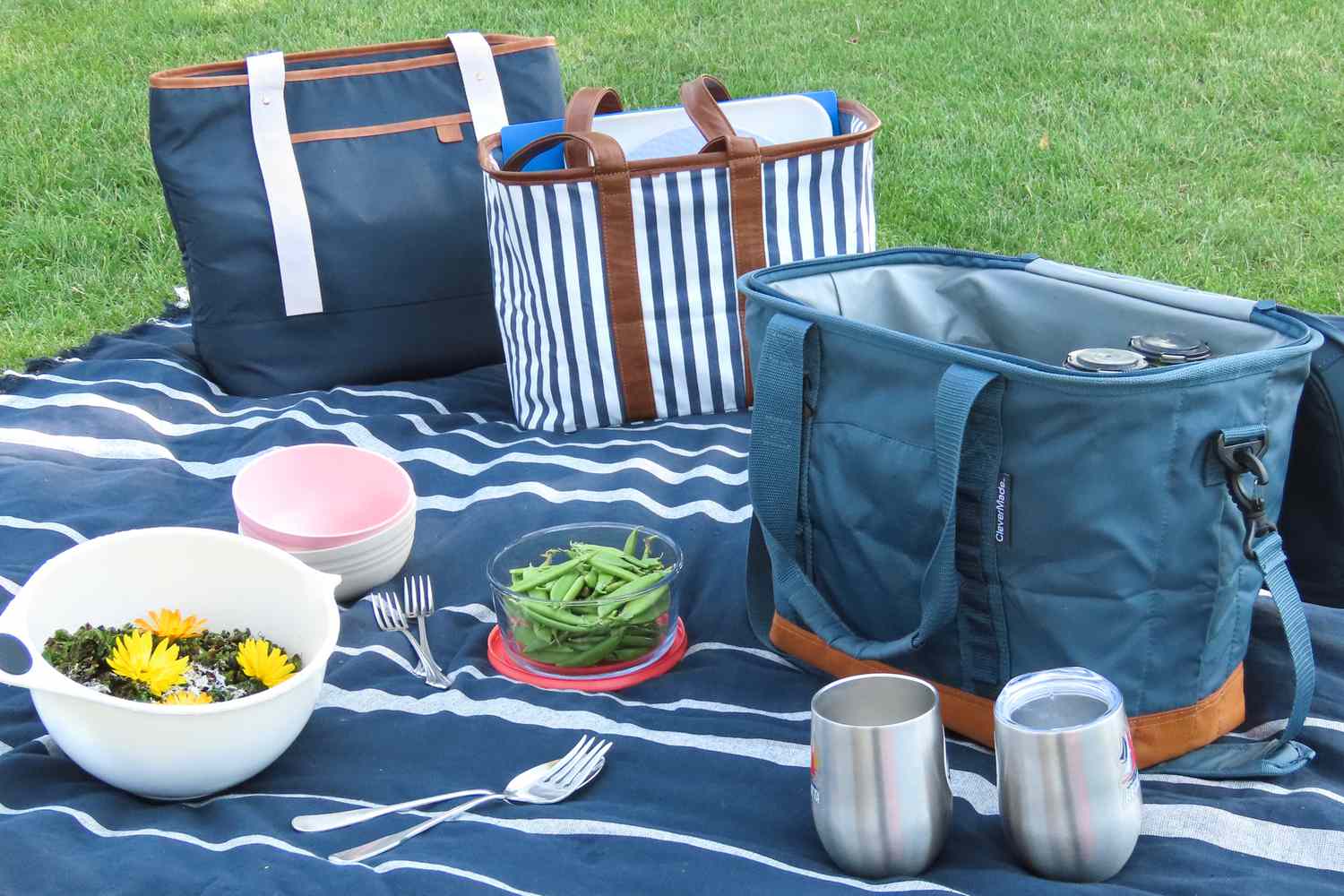
Designing durable soft-sided storage involves combining high-frequency welded internal linings with rugged exterior textile assemblies. Premium items constructed from high-grade insulating fabric material require rigorous tensile testing to ensure handle junctions and zipper tracks withstand extreme pressure without failure. Traditional needle stitching creates micro-perforations that compromise thermal boundaries, whereas high-frequency welded thermoplastic polyurethane creates seamless, watertight basins to eliminate thermal leaks in insulated fabric lunch bags. To win over retail consumers, mass-produced items must successfully balance this heavy-duty thermal performance with sleek, modern urban aesthetics.
- High-frequency welding: Fuses waterproof internal sheets into a continuous, leak-proof basin.
- Stitch elimination: Prevents micro-perforations that cause thermal leakage and moisture migration.
- Urban aesthetics: Combines professional-grade thermal architecture with sleek, modern exterior styling.
- Tensile durability: Reinforced handle attachments handle heavy daily commuting loads without structural failure.
5. Advanced Industrial Applications: Sourcing High-Performance Lunch Box Insulation Fabric
Sourcing professional-grade soft-goods components involves integrating metallized aluminum films with flexible woven synthetic substrates. Industrial buyers examine every specialized insulating fabric material specification to verify radiant barrier reflectance and mechanical tear resistance under heavy loads. If you’re curious about what are insulated lunch bags made of, radiant barrier linings do much of the heavy lifting, reflecting up to 97% of harsh summer heat away from your food. Beneath that, durable woven fabrics give the bag enough flex to handle constant folding and packing without cracking. Before anything goes into production, factory QA teams put these raw materials through brutal scratch and chemical tests to make sure they can take a beating.
- Radiant reflection: Metallized aluminum layers deflect up to 97 percent of infrared heat radiation.
- Substrate flexibility: Woven synthetic bases prevent cracking during repetitive folding and daily use.
- Chemical resistance: Specialized surface treatments withstand frequent commercial sanitization without material breakdown.
- Antimicrobial protection: Prevents mold growth and odor retention in demanding professional food service environments.
6. Manufacturing and Quality Control: Ensuring Thermal Consistency in Bulk Production
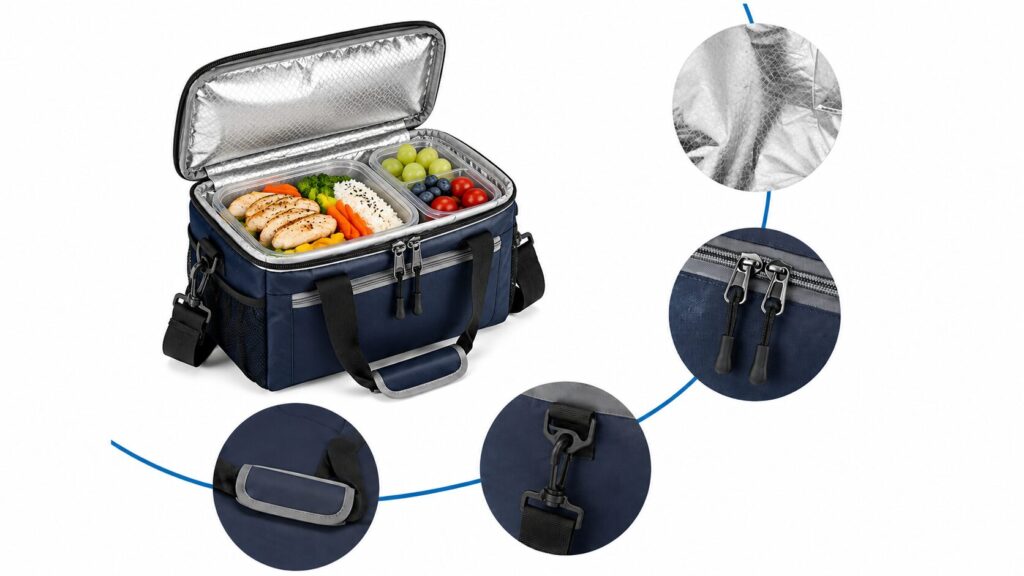
Ensuring thermal consistency requires subjecting bulk production samples to rigorous thermal decay and ice retention testing protocols. Factory quality laboratories simulate extreme summer heat waves and multi-hour transit cycles inside specialized environmental chambers. Technicians measure internal temperature curves to verify that mass-produced units meet certified holding duration standards before final packaging. Direct factory manufacturing ensures complete material traceability from raw polymer pellets to finished thermal containers. Establishing transparent quality controls protects brand owners against inconsistent product performance and expensive retail chargebacks.
- Environmental simulation: Chambers test multi-hour ice retention under extreme ambient heat conditions.
- Thermal decay tracking: Measures internal temperature curves to verify compliance with holding standards.
- Material traceability: Direct factory oversight eliminates unverified component substitutions during bulk runs.
- Lot inspection: Random laboratory audits verify material specifications before final container assembly.
7. Technical Sourcing Checklist & Next Steps
Aimazing Bag bridges creative design concepts and industrial bulk scale through advanced quilting, precision padding, and flawless hardware integration. A comprehensive technical performance matrix outlines essential manufacturing specifications including fabric GSM, foam thickness, and liner welding standards. Standard commercial production utilizes 600D polyester outer shells paired with 5mm to 8mm EPE foam insulation cores and seamless PEVA linings. Collaborating with our expert engineering team allows brands to develop bespoke thermal configurations tailored to exact market demands. We translate creative design concepts into production-ready technical packages complete with precise dimensional grading and material breakdowns. Partnering with an established OEM manufacturer eliminates trading middlemen and secures competitive wholesale production pricing. Contact our technical department today to request our comprehensive sourcing guide and accelerate your next product launch.