
1. The Strategic Value of Tailored Cold-Chain Storage: Why Brands Invest in a Thermal Bag Customization
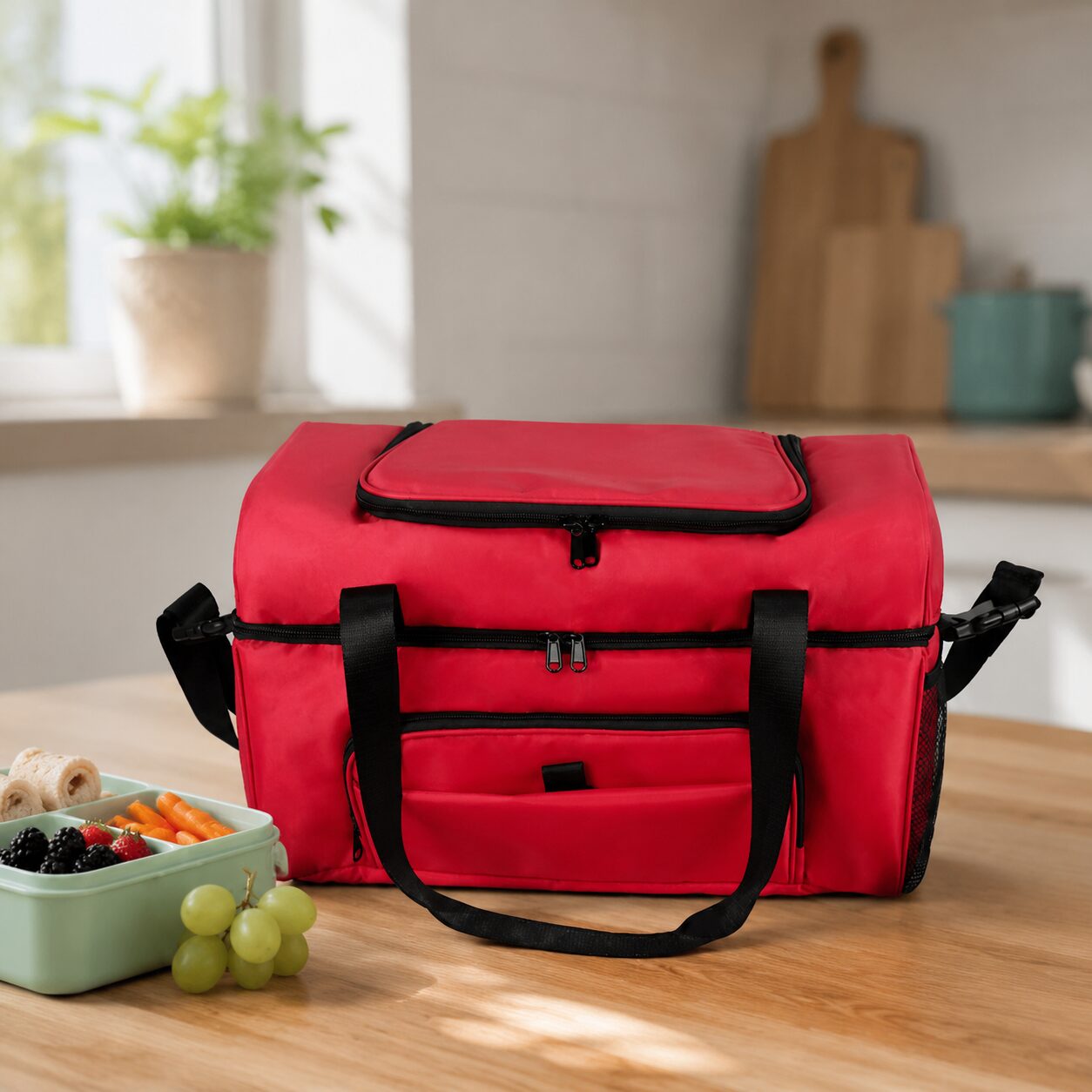
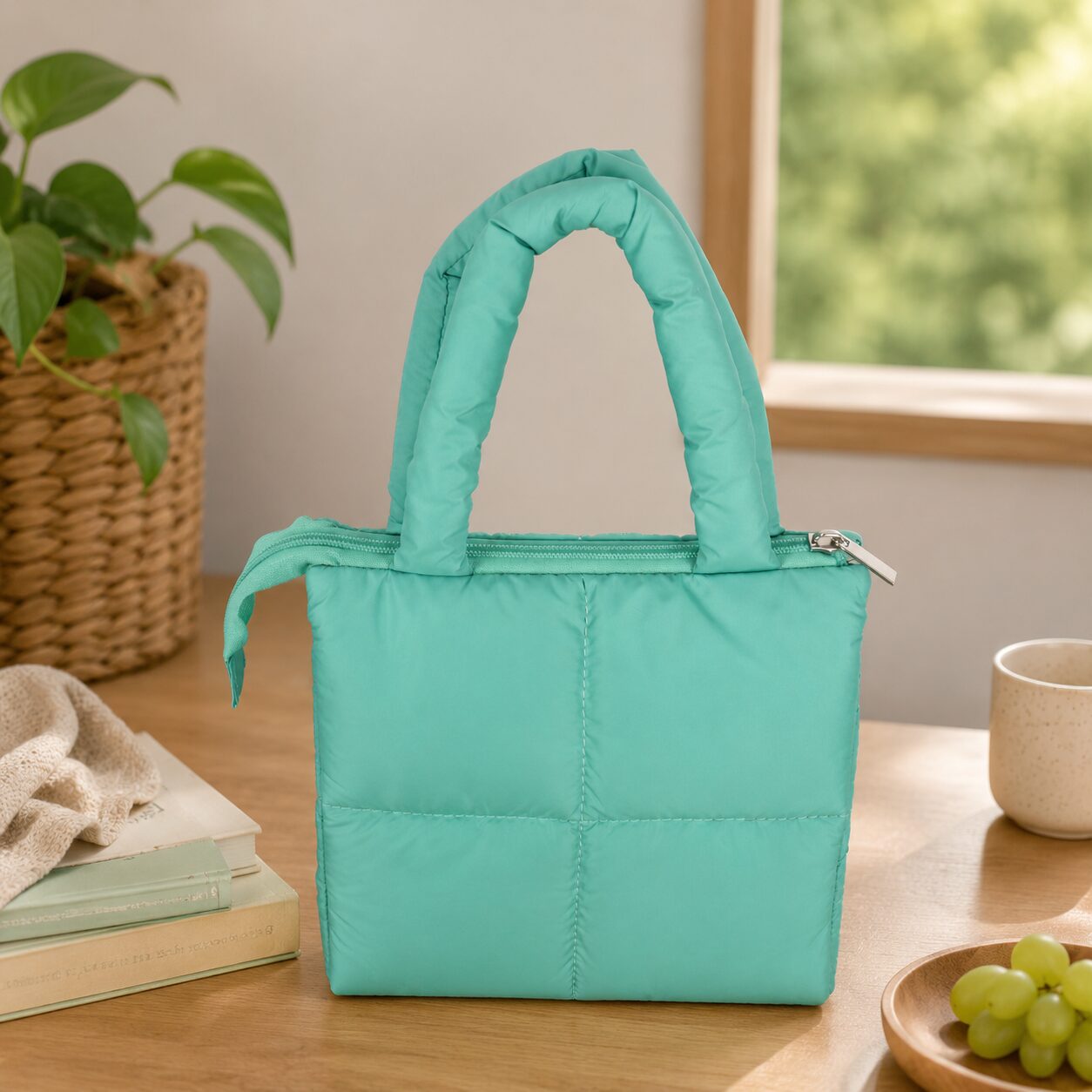
Custom cold-chain storage lets up-and-coming brands carve out a distinct identity with a reliable thermal bag custom program. Diving into a bespoke manufacturing project ensures every single stitch and color choice backs up your brand’s unique market spot. Global e-commerce buyers rely on structured production workflows to hit those high-end retail price points without breaking a sweat. Tapping into expert OEM capabilities transforms basic transit gear into high-value accessories, turning every product rollout into a massive driver of retail success. Strategic sourcing folks lean on tailored structural specs to break into the outdoor recreation and corporate gifting spaces while growing their product line.
- Stand out from the crowd: Nailing a thermal bag custom design helps brands ditch that boring, off-the-shelf look and really carve out their own unique spot in the market.
- Boost your margins: Teaming up with the right OEM partners lets e-commerce sellers step up to premium retail price points so you’re not stuck grinding it out in a price war.
- Expand your reach: Going bespoke with your specs makes it way easier for procurement folks to break into lucrative new spaces like outdoor rec and corporate gifting.
2. Core Material Engineering: Structuring High-Performance Custom Insulated Bags
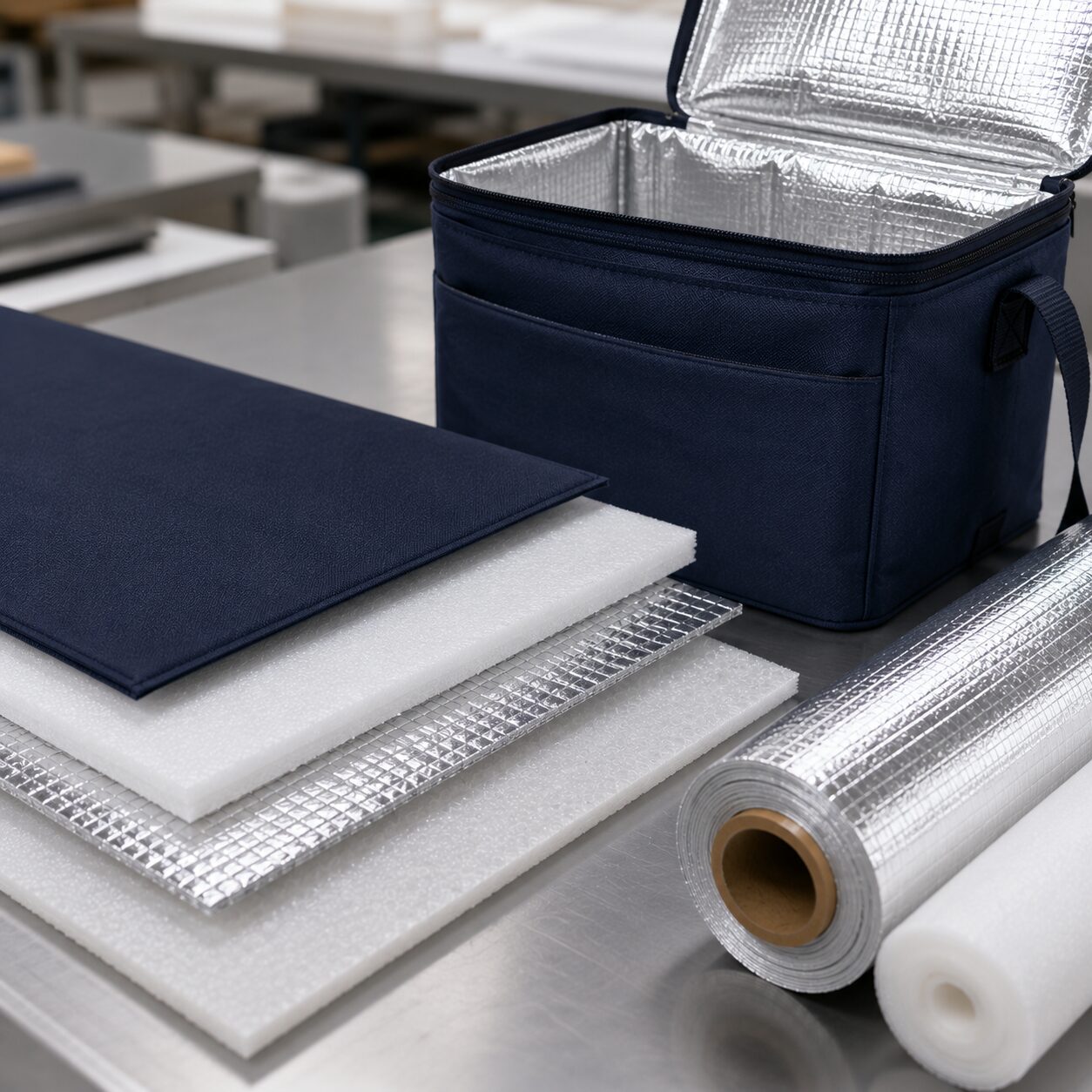
Building rugged carrying gear really starts with choosing tough, heavy-duty fabrics that can take a serious beating from the weather and everyday wear and tear. When you’re putting together a thermal bag custom run, going with weather-resistant 600D or 900D polyesters mixed with high-strength ripstop nylon brings some serious durability to the table. Plus, throwing on some advanced polyurethane back coatings really steps up the waterproof protection while keeping those outer materials from fading out in the sun.
Factory engineers laminate these technical outer layers tight so the bag keeps its shape no matter the environment. Long-lasting thermal performance comes down to packing high-density closed-cell polyethylene foam inside your custom insulated bags. Unlike open-cell stuff, closed-cell EPE foam traps tiny air pockets to block heat transfer dead in its tracks. Sticking to a foam thickness between 3mm and 10mm hits the sweet spot between keeping things cold and keeping the bag easy to fold up. Premium thermal cores block out outside heat during long hauls, keeping perishable stuff safe.
| Material Component | Key Specifications | Primary Structural Function |
| Outer Textile Shell | 600D/900D Polyester & Ripstop Nylon | Provides abrasion resistance and weather defense |
| Protective Coating | Advanced Polyurethane Back-Coating | Enhances waterproof integrity and prevents UV fading |
| Insulation Core | 3mm to 10mm Closed-Cell EPE Foam | Traps microscopic air pockets to block thermal conduction |
3. Tailored Cooling Solutions: Designing Bespoke Custom Insulated Cooler Bags
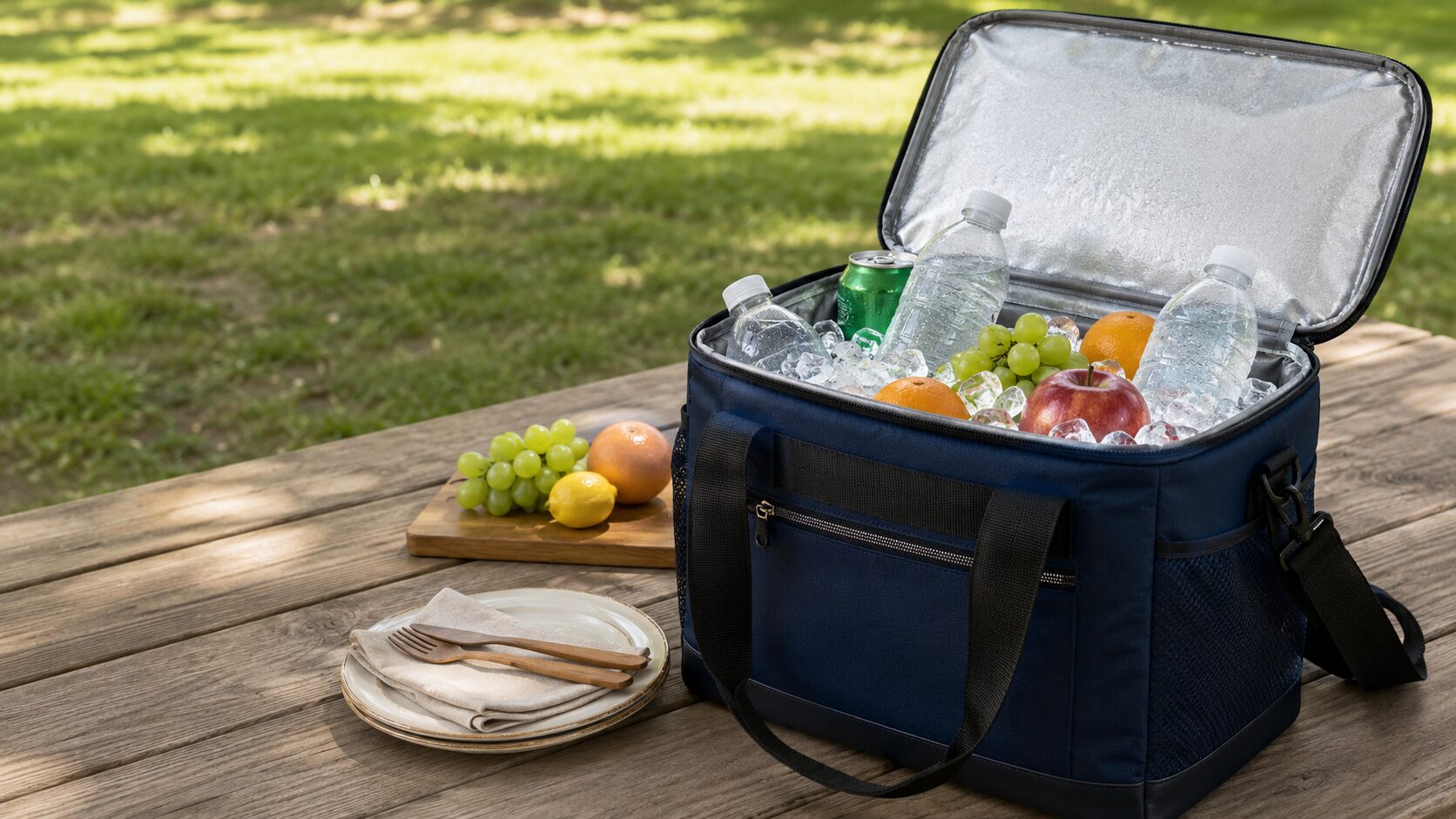
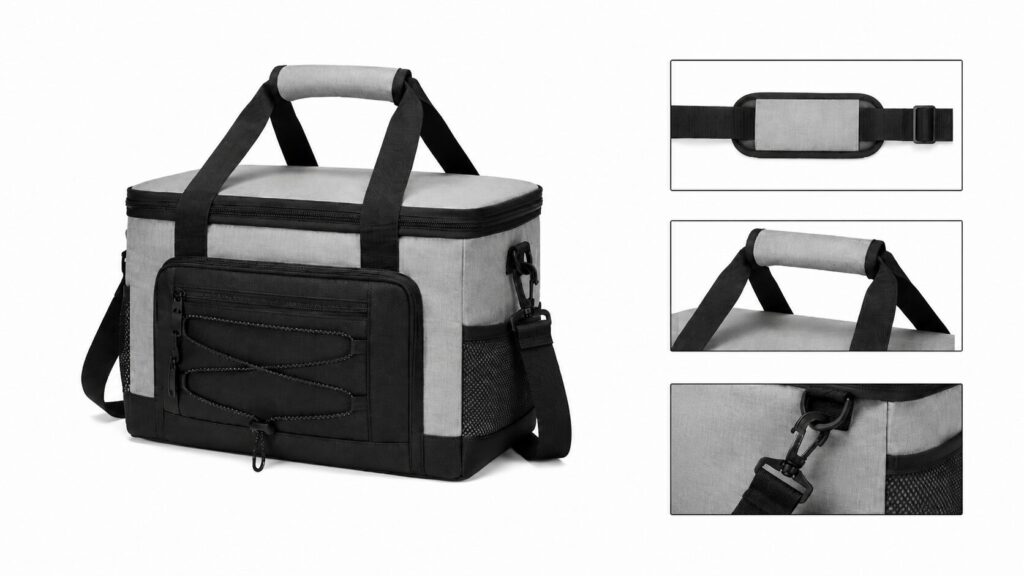
Packing picnic food or a bunch of drinks means you need a strong inner frame that won’t sag under a heavy load. Reinforced webbing handles and bar-tacked stress points spread the weight out evenly across the whole bag. High-density internal PE support boards give you a solid flat base so containers stay upright. Putting these bags through some serious structural testing is the only way to make sure they actually hold their shape when you’ve got them stuffed to the brim.
If you want to totally stop leaks, you’ve gotta ditch old-school stitched seams and switch over to high-frequency heat-welded polymer membranes. Regular sewing just leaves a bunch of tiny needle holes where melted ice or spilled drinks can sneak right into the foam. Dropping seamless PEVA or TPU linings into a thermal bag custom build guarantees 100% waterproof reliability. When you’re designing custom insulated cooler bags, leaning on thermal fusion tech to permanently melt those inner sheets together completely wipes out any chance of leaks.
- Built to hold heavy loads: These bags use sturdy webbing handles, bar-tacked stress points, and PE support boards so they don’t sag and droop when you’ve got them stuffed to the max.
- Sealed tight with tech: Instead of old-school stitching, they use high-frequency heat-welded PEVA or TPU linings to keep water completely locked out.
- Zero leaks guaranteed: They permanently fuse the inner polymer sheets using thermal fusion, wiping out any tiny gaps where liquids could sneak through.
4. Visual Branding Integration: Sourcing Custom Printed Insulated Bags
Getting bright logos that won’t crack means picking the right printing method for your specific outer fabric. Regular screen printing is awesome for laying down clean, solid color blocks on smooth polyester, while heat transfer makes dealing with multi-color graphics a total breeze. If you’re working on a thermal bag custom project, digital sublimation actually sinks the ink right into the synthetic fibers so the patterns stay permanent and never peel or fade.
Taking a quick second to check your fabric compatibility beforehand just ensures your brand logo stays super sharp and crisp through years of everyday use. Keeping your brand look tight means matching Pantone colors down to a tee across textured fabrics and trims. Sorting out color standards during sampling keeps you from getting unwanted color shifts in your mass-produced custom printed insulated bags. A consistent look builds serious trust with customers on retail shelves. Strict quality checks make sure logo placement, ink thickness, and clean edges look spot on before final assembly.
| Printing Method | Best Fabric Application | Primary Visual & Durability Advantage |
| Screen Printing | Smooth polyester surfaces | Delivers solid, opaque color blocks efficiently |
| Heat Transfer | Multi-color complex designs | Handles intricate artwork with high clarity |
| Digital Sublimation | Synthetic technical fibers | Embeds ink permanently to resist peeling and fading |
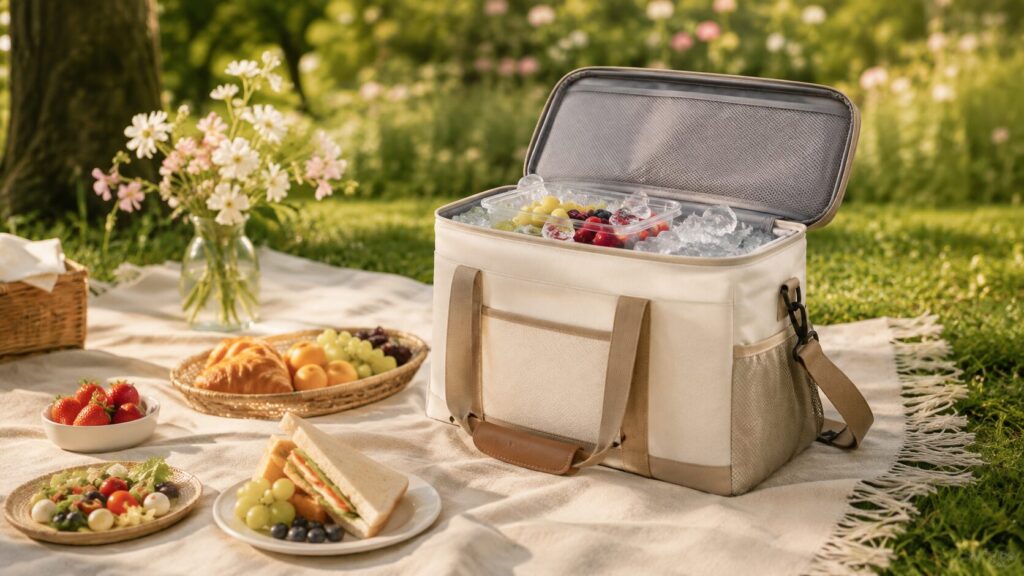
5. Corporate Identity and Promotion: Elevating Merchandise with Insulated Bags With Logo
Swapping boring promo junk for practical gear people actually use is a total game-changer for corporate gifting. Unlike cheap giveaways that end up in the trash, functional stuff keeps your brand front and center at picnics, tailgates, and morning commutes, especially when you invest in a thermal bag custom run. High utility builds real goodwill with clients and locks down long-term relationships without feeling forced. Marketing teams lean on branded items to squeeze every last drop of value out of their promo budget. Adding thoughtful details turns standard merch into something that feels retail-ready. Custom rubber patches, molded zipper pulls, and contrast stitching push your brand identity way up a notch. Sticking insulated bags with logo embroidery or embossed hardware onto your lineup makes your brand totally unforgettable to your target audience. Top-notch craftsmanship shows you actually care about quality, making your corporate merch stand out miles ahead of cheap freebies.
- Everyday Brand Visibility: Transforms ordinary promotional items into practical outdoor gear used daily during commutes and events.
- Client Relationship Building: Generates positive emotional associations through high functional utility and premium corporate gifting.
- Trim Craftsmanship: Utilizes rubber patch badging, custom zipper pullers, and embroidery to reinforce distinct brand character.
6. Scaling Inventory: Maximizing Profit Margins with Bulk Insulated Bags
Going direct-to-factory on volume lets buyers slash their per-unit costs big time, especially when working on a thermal bag custom run. Tiered pricing rewards bigger production runs with lower material and labor expenses. Setting smart minimum order quantities lines up your inventory with real sales forecasts. Strategic bulk buying unlocks massive profit margins for growing retail brands. Staying on top of production lead times and shipping logistics means you get your stock refilled without running into stockouts. Booking container space early keeps shipping costs down and keeps big orders on schedule. Teaming up with a vertically integrated OEM cuts out the middleman and saves you from hidden markups. Solid supply chain management keeps your seasonal rollouts right on track.
| Supply Chain Strategy | Operational Focus | Primary Financial Benefit |
| Volume Scaling | Tiered factory pricing structures | Reduces per-unit acquisition costs significantly |
| Logistics Coordination | Ocean freight and lead-time management | Optimizes shipping volume and prevents stockouts |
| Vertical Integration | Direct OEM manufacturing partnership | Eliminates hidden middleman markups and communication delays |
7. The Aimazing Bag Manufacturing Advantage
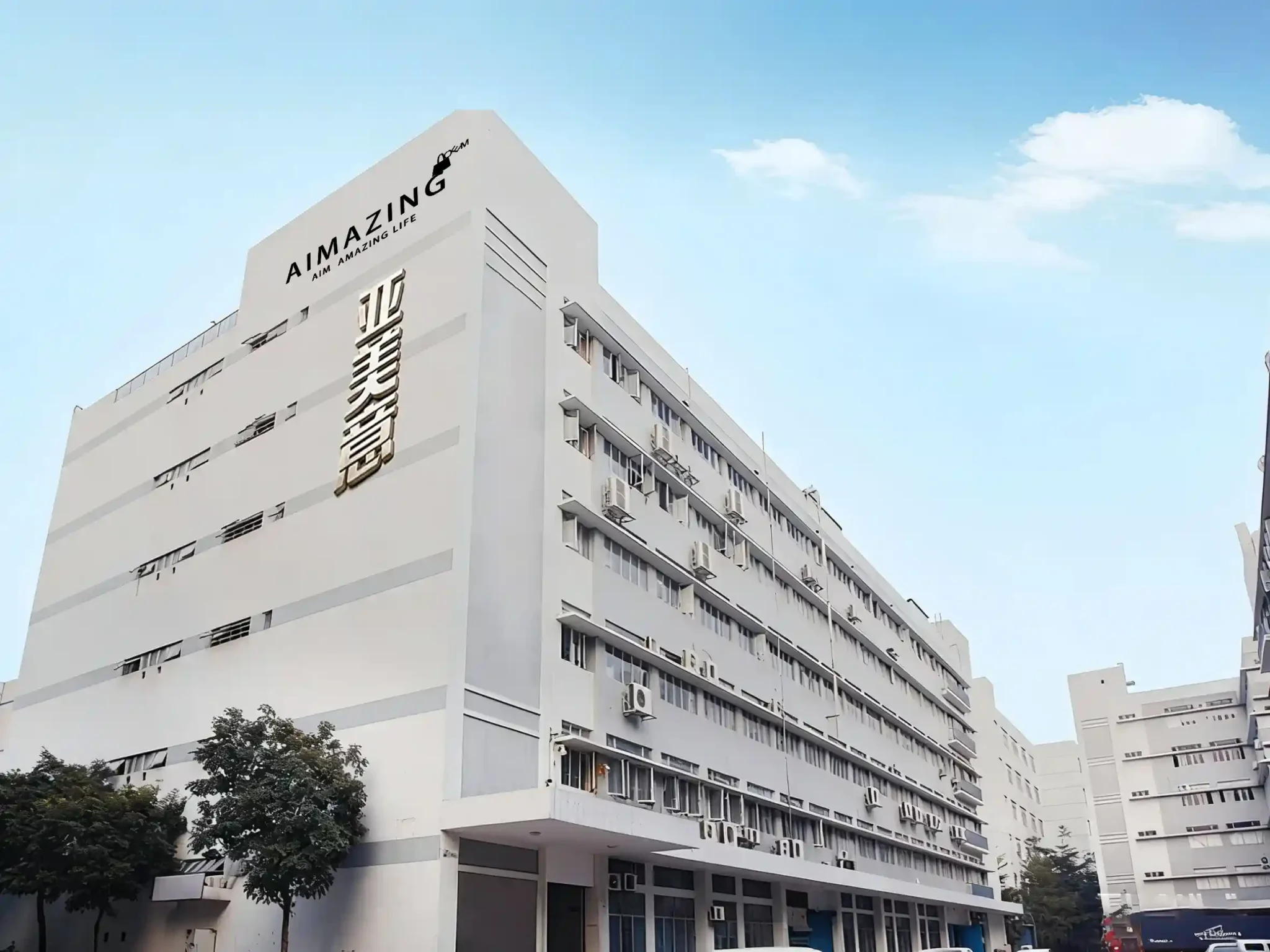
Cutting out middlemen and communication friction speeds up the whole product development cycle for global brands. Our fully integrated OEM lines handle everything from cutting fabric to final packaging under one roof. Working directly with the factory means total transparency on specs, timelines, and costs. Building flawless gear takes multi-stage thermal testing and high-frequency weld checks during assembly. Our dedicated QA crew runs tough pre-shipment checks on dimensions, weight limits, and waterproof seals. Sticking to international testing standards means every batch hits the highest performance marks. Turning complex design ideas into real market-ready products takes flexible manufacturing built around your exact project needs.