
1. The Capacity Challenge: Why Sourcing a Family-Size Cool Bag Requires Advanced Engineering
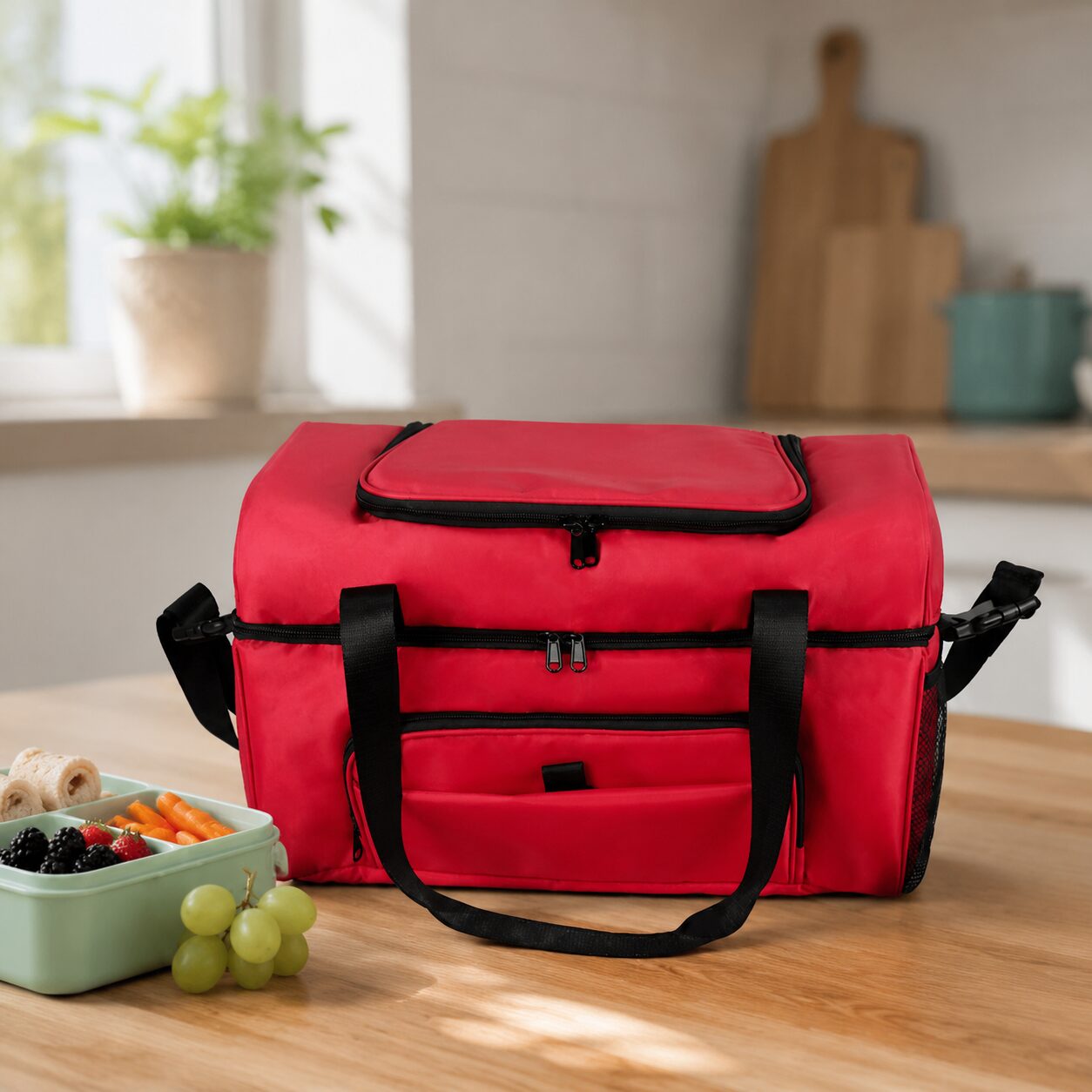
Packing enough food and drinks for a whole group puts serious strain on the seams, zippers, and structure of any bag. When people cram heavy glass bottles, canned drinks, and bulky containers all into one spot, that heavy load really tests how much the fabric can take before giving out. That’s exactly why industrial OEM manufacturers rely on heavy-duty bartack stitching and high-strength threading to keep seams from blowing out when the pressure gets extreme, especially when making personalised cooler bags built to handle heavy use.
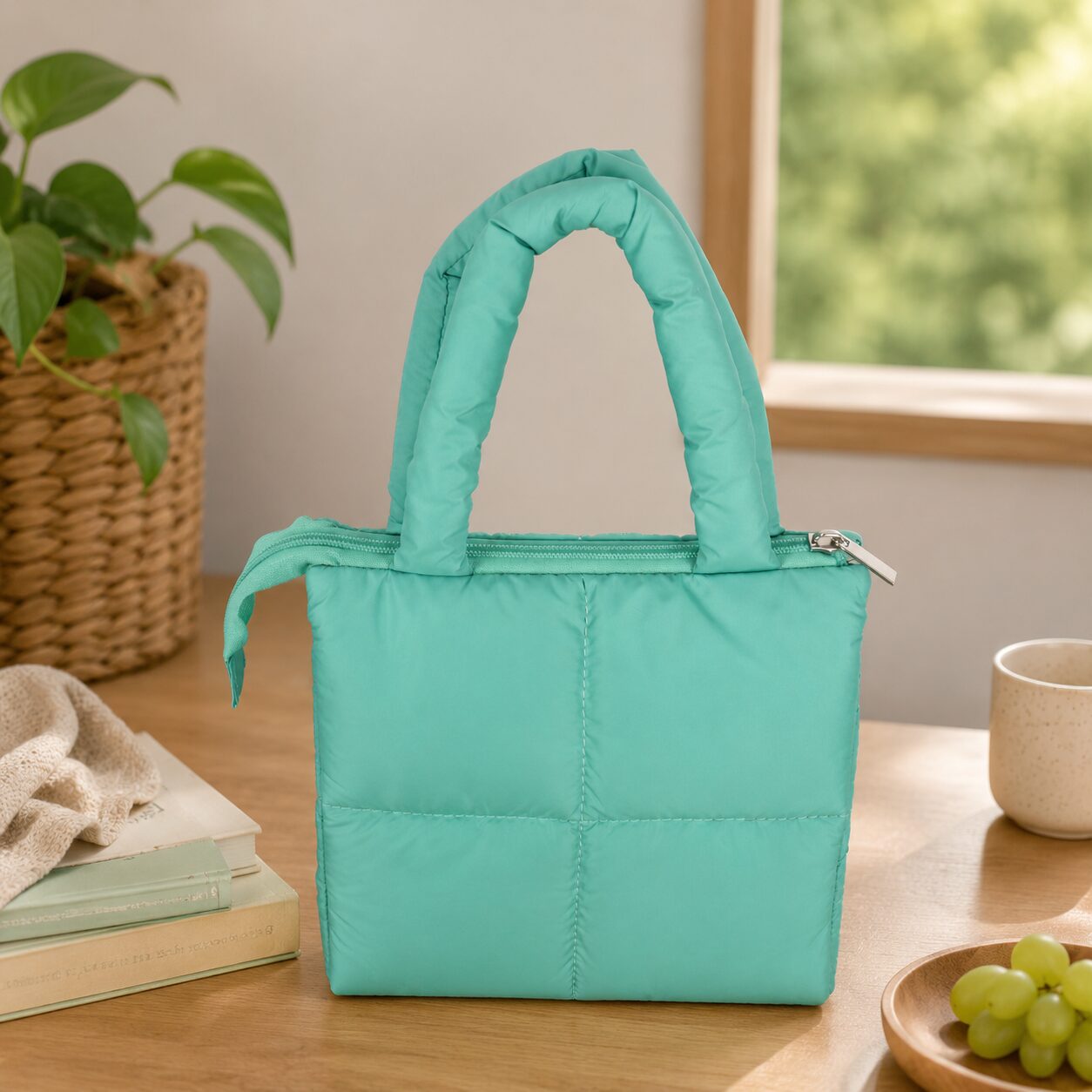
Standard consumer bags lack the internal framework required to withstand multi-person supply weights during rugged outdoor transport. Structural failures inevitably occur when inferior webbing straps attach directly to thin outer fabrics without reinforcement panels. Engineering a durable family size cool bag requires precise load-bearing calculations and specialized reinforcement patterns at every critical stress junction. Additionally, sourcing a reliable medium size cool bags option helps brands complete their product catalog for lighter day trips.
- Heavy-Duty Seam Construction: High-modulus threading and bartack stitching prevent structural blowouts under extreme gravitational pressure.
- Internal Framework Integration: Specialized reinforcement panels support multi-person supply weights during rugged outdoor transport.
- Stress Junction Optimization: Precise load-bearing calculations protect critical structural joints from premature tearing and failure.
2. Tiered Volume Planning: Comparing Family-Size Models and Medium Size Cool Bags
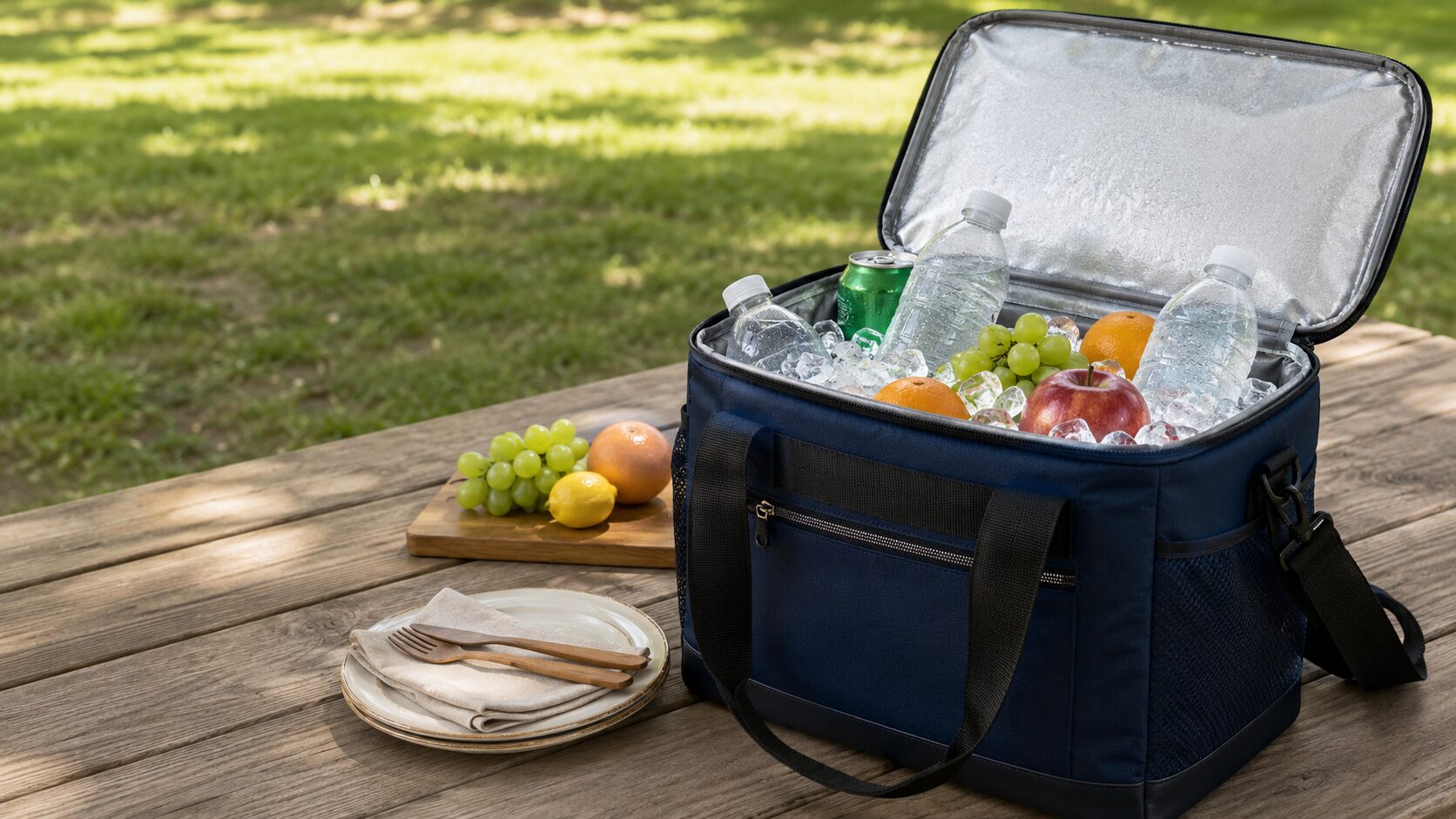
Determining optimal liter capacities for weekend camping trips versus daily park outings requires a clear understanding of scalable volume metrics. Large format containers typically range from thirty to fifty liters to accommodate provisions for four or more individuals over multiple days. Smaller daily applications demand compact configurations that optimize spatial efficiency without adding unnecessary transport weight. OEM manufacturers design graduated sizing matrices to help brand owners target specific consumer use cases with absolute precision. Proper liter sizing prevents awkward overpacking and ensures that thermal insulation layers maintain maximum internal efficiency. Analyzing target consumer travel habits dictates the most profitable capacity tiers to include in your upcoming retail catalog, featuring options like a family size cool bag. Furthermore, integrating custom solutions such as personalized cooler bags enhances gifting potential.
| Volume Tier | Typical Capacity Range | Primary Consumer Application |
| Small Lunch Format | 5 to 9 Liters | Individual daily office meals |
| Medium Size Cool Bags | 10 to 25 Liters | Couples outings and daily park trips |
| Family-Size Cool Bag | 30 to 50 Liters | Extended camping and group beach events |
3. Structural Mechanics: Reinforcing High-Capacity Thermal Chambers
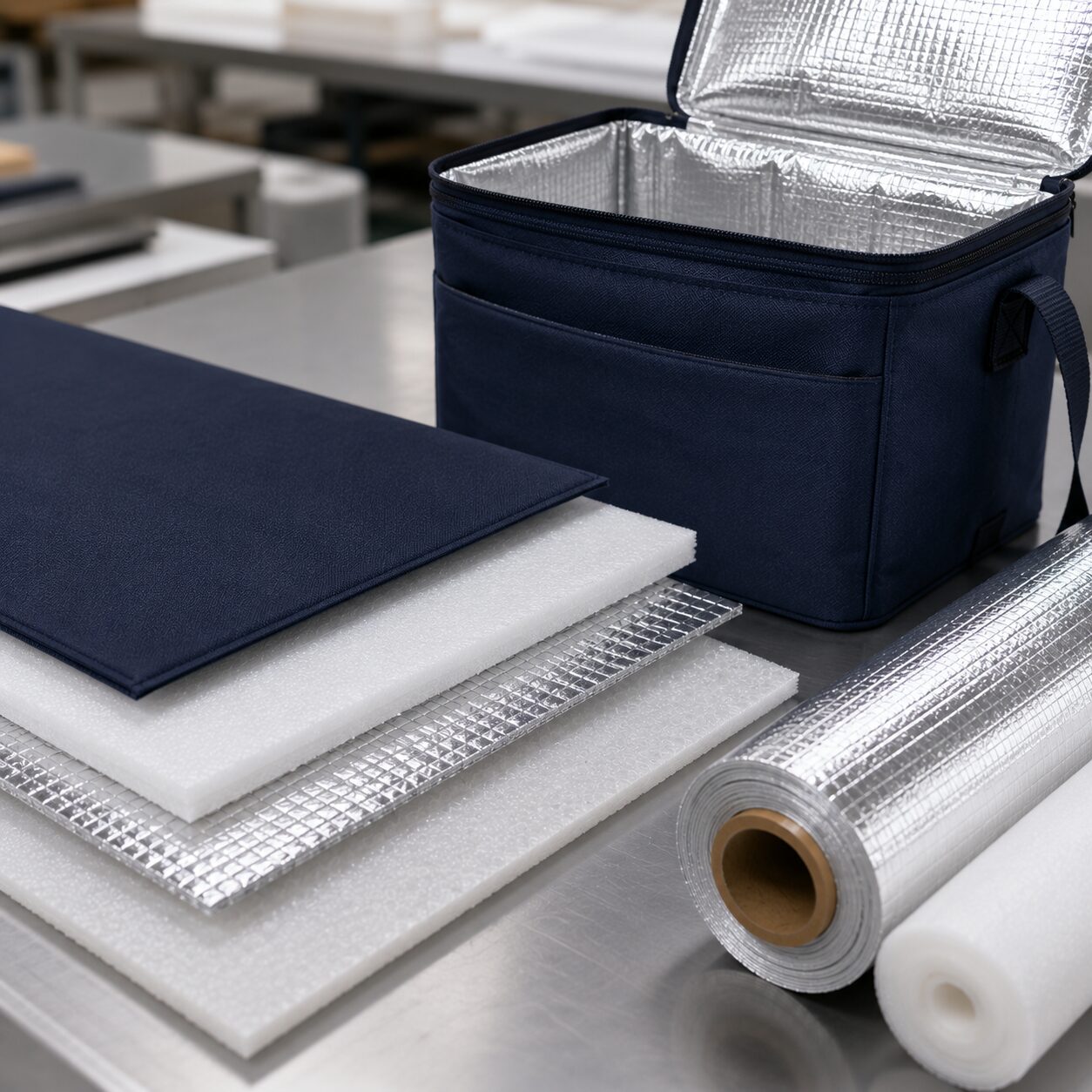
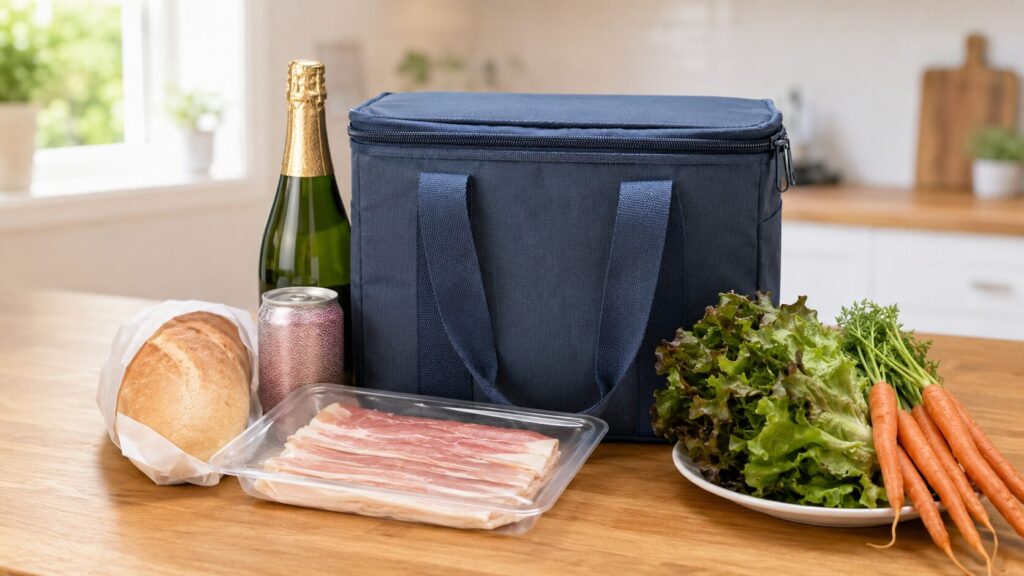
Preventing sagging and internal insulation shifting under heavy food and beverage weights requires advanced baffle wall stability engineering. High-capacity thermal chambers need rigid internal divider panels and high-density EPE foam cores to maintain structural shape. Without proper internal stabilization, heavy contents bunch up at the bottom and distort the exterior silhouette. OEM manufacturers integrate proprietary structural piping and semi-rigid PE boards to keep side walls upright under heavy loads. Maintaining wall rigidity preserves the thermal barrier integrity by eliminating air pockets and uneven insulation compression. Superior structural mechanics ensure that a family size cool bag looks professional and performs reliably throughout its entire operational lifecycle. During bulk production, utilizing branded cooler bags elements secures high corporate visibility.
- Baffle Wall Stabilization: Rigid internal divider panels that keep heavy food from sliding around and messing up the bag’s shape.
- Structural Piping Integration: Semi-rigid PE boards that keep the side walls standing tall even when you pack it to the absolute max.
- Thermal Barrier Preservation: Eliminating uneven insulation compression maintains maximum internal temperature control efficiency.
4. Carrying Ergonomics: Balancing Heavy Loads and Transport Comfort
Designing reinforced wrap-around handles, padded shoulder straps, and stabilizing dual-zipper pulls achieves optimal load-distribution engineering. Heavy thermal containers generate significant physical strain when carried manually across uneven terrain or sandy beaches. Wrap-around handle straps extend underneath the entire base to support total gravitational weight directly. High-density EVA foam shoulder pads relieve neck pressure and distribute heavy loads comfortably across user backs. Stabilizing dual-zipper pulls allow smooth, one-handed opening and closing without binding against curved thermal corner seals. Ergonomic optimization transforms a cumbersome heavy-duty family size cool bag into an easily manageable travel companion. Retailers aiming for unique market positioning often develop bespoke custom cool bags for diverse clients.
- Wrap-Around Base Straps: Continuous handle webbing extends beneath the base to support gravitational weight directly.
- High-Density EVA Padding: Ergonomic shoulder straps relieve neck pressure and distribute heavy loads evenly.
- Stabilizing Dual-Zippers: Smooth zipper pulls allow one-handed opening without binding against corner seals.
5. Visual Branding Integration: Sourcing Personalized and Branded Cooler Bags
Evaluating embroidery, screen printing, and rubber patch badging for exterior durable fabrics determines the best custom branding technology. Screen printing delivers flat, high-contrast corporate graphics at cost-effective price points for large promotional orders. High-definition embroidery adds rich textural depth and premium perceived value to heavy-duty canvas or polyester shells. Molded rubber patch badging provides a modern, rugged aesthetic that resists severe weather and mechanical abrasion. Selecting the appropriate logo application method depends on the exterior fabric texture and the intended brand positioning. Professional OEM suppliers provide expert guidance on optimizing graphic placement for a family size cool bag to achieve maximum visual impact. When executing corporate projects, sourcing specialized personalized insulated cooler bags elevates the final product quality.
- Screen Printing Applications: Slaps crisp, high-contrast corporate graphics onto bags fast and easy, making it a go-to for big promotional orders.
- High-Definition Embroidery: Stitches in rich textural depth to give the outer fabric shell that heavy, high-end feel.
- Molded Rubber Badging: Delivers a sharp, modern vibe that holds its ground against nasty weather and daily abuse.
6. Bespoke Customization: Developing Custom Cool Bags and Personalized Insulated Cooler Bags
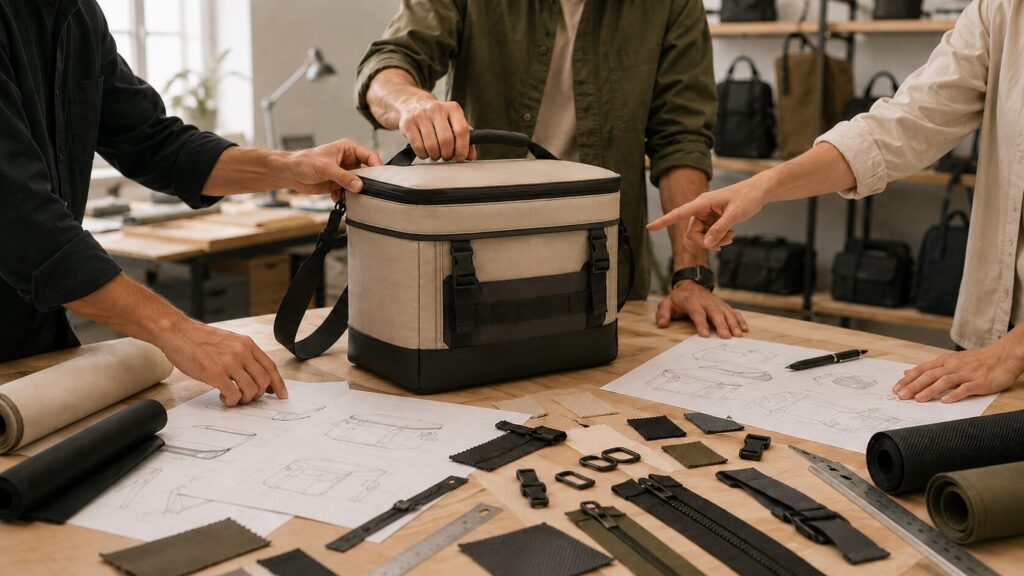
Translating creative thermal design concepts into production-ready blueprints begins with converting detailed tech packs into physical prototypes. Top-tier personalised cooler bags start with pro design teams locking down exact dimensions, fabric weights, and thermal insulation layouts. Rapid prototyping lets you test look, zipper smoothness, and carrying balance firsthand, while thorough sample testing weeds out flaws long before mass production kicks off. Transparent communication between brand owners and OEM engineers ensures absolute design fidelity during the development of any family size cool bag. Transforming abstract marketing ideas into tangible retail products requires rigorous technical expertise and meticulous project management.
- Tech Pack Conversion: Translates creative concepts into precise dimension and material specifications.
- Rapid Physical Prototyping: Allows buyers to evaluate aesthetics, zippers, and balance firsthand.
- Iterative Sample Testing: Eliminates structural flaws and dimensional inaccuracies before mass production.
7. The Aimazing Advantage: Engineering Excellence in Thermal Bag Manufacturing
Eliminating hidden middleman markups and communication bottlenecks with our fully integrated OEM production lines defines our direct-to-factory partnership model. Traditional trading companies inflate costs and delay critical technical feedback due to multi-layered operational structures. Operating our own modern manufacturing facilities allows us to oversee every single production stage internally with absolute transparency. Direct factory engagement ensures rapid problem-solving, strict adherence to technical specifications, and unbeatable wholesale pricing structures. Brand buyers achieve maximum profit margins by cutting out unnecessary broker intermediaries entirely. Partnering with a true source manufacturer secures your supply chain for every family size cool bag order against volatility and unexpected delivery delays.
- Vertical Manufacturing Integration: Completely eliminates middleman markups to maximize brand profit margins.
- Strict Multi-Stage QC: Implements thermal decay simulations and pre-shipment inspections for zero defects.
- Scalable Production Agility: Seamlessly adapts from low-MOQ pilot runs to full container loads.