
1. The Anatomy of a 5-Star Review: What Drives Consumer Satisfaction in a Bag for Keeping Food Cold?
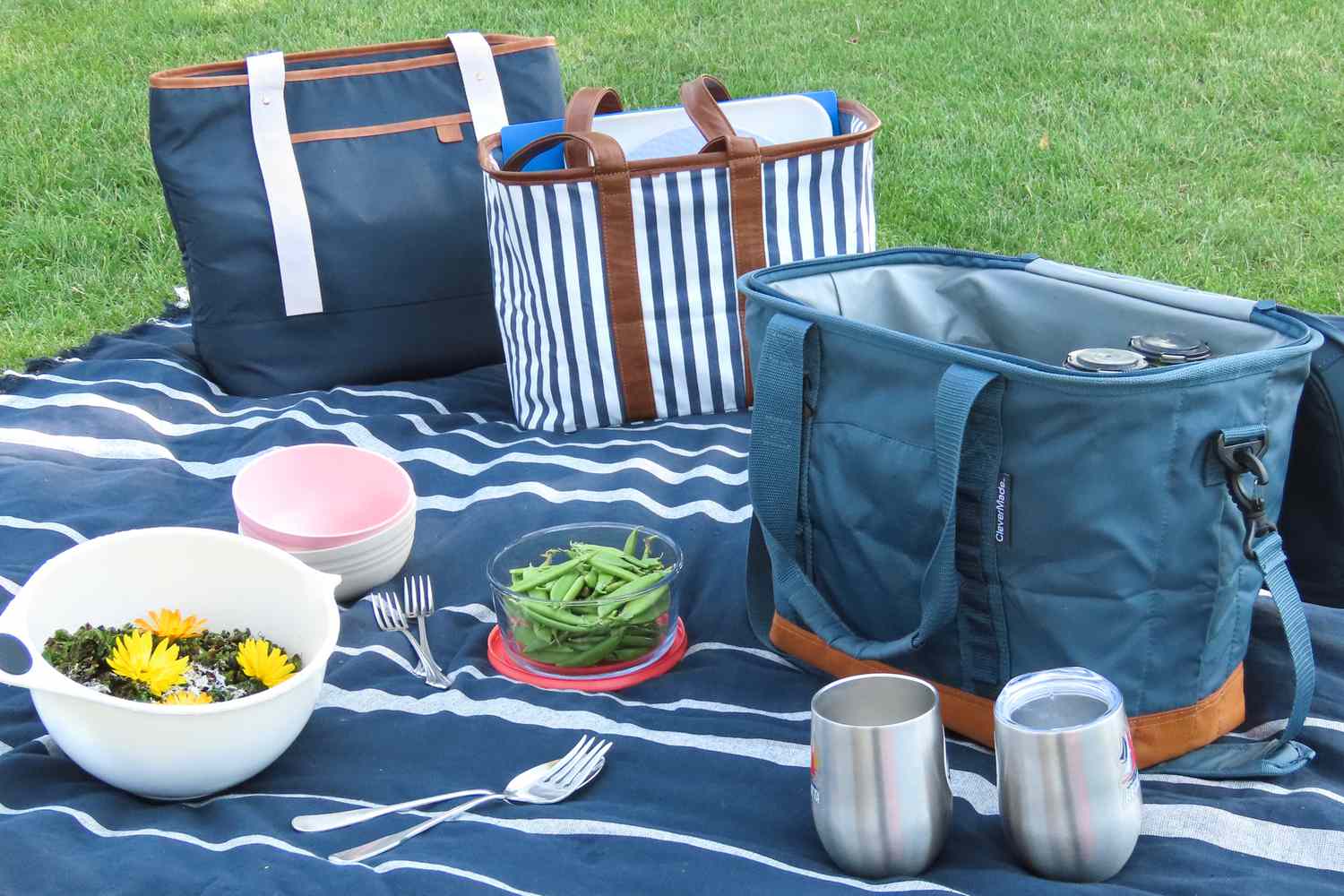
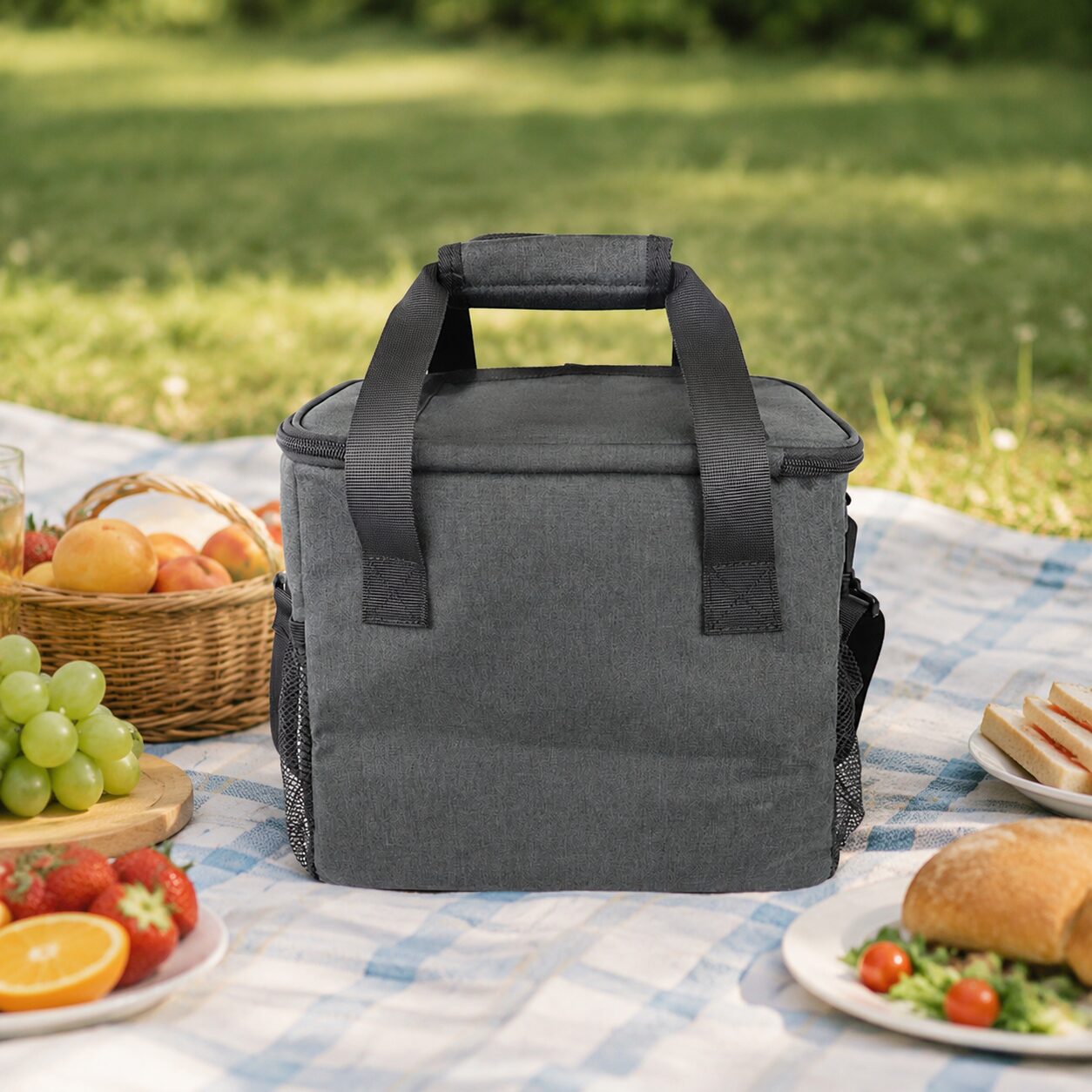
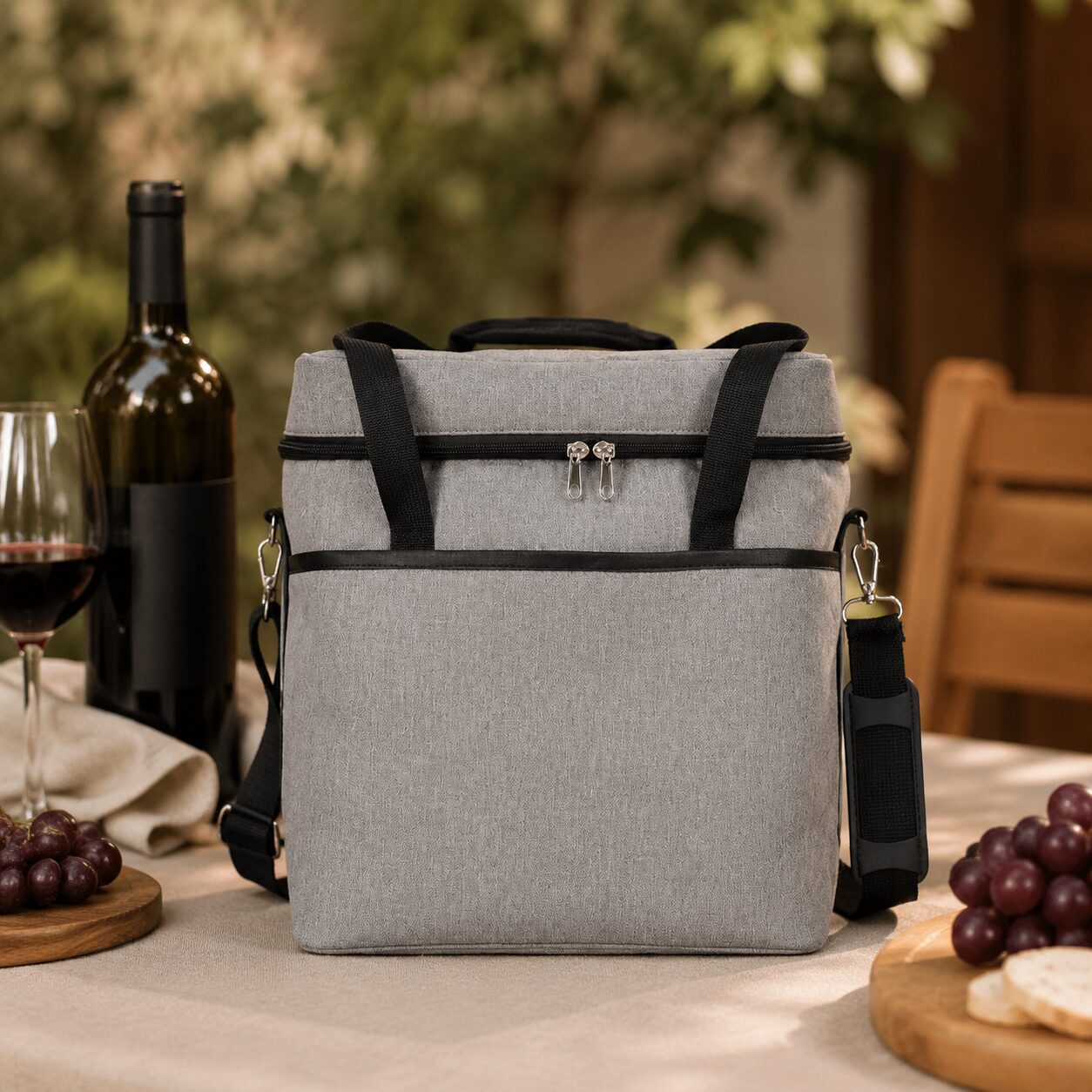
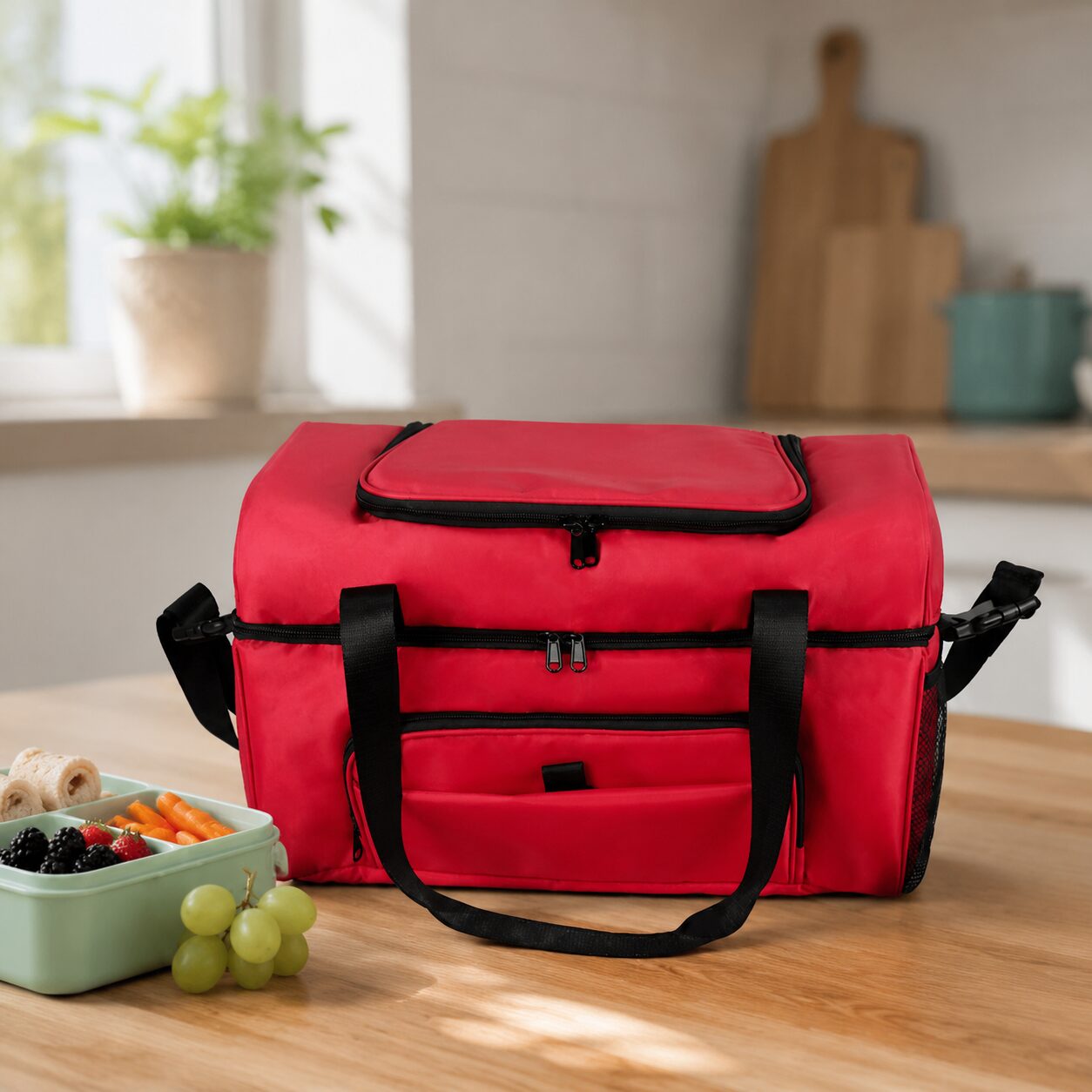
Modern shoppers evaluate a bag for keeping food cold based on thermal efficiency, zipper durability, and leak-proof reliability rather than superficial aesthetics alone. Securing quality e-commerce reviews means finding manufacturing partners who focus on strong outside materials and strong inside layers instead of using cheap ways to build products. Sourcing experts need to look at customer feedback numbers to find where products often break before making orders, with suppliers. Keeping quality standards helps protect the sellers reputation and makes more people buy again in tough shopping markets. Identifying these performance benchmarks early in the supply chain lifecycle ensures high customer satisfaction and minimizes costly product returns when investing in any premium bag for keeping food cold.
| Review Metric | Consumer Expectation | Manufacturing Solution |
| Thermal Duration | Minimum 12-hour cold retention | 8mm EPE foam core with radiant barrier lining |
| Leak Integrity | Zero interior fluid seepage under load | Seamless high-frequency welded PEVA liners |
| Hardware Resilience | Smooth zipper operation without jamming | Heavy-duty #10 resin teeth and alloy pullers |
2. Thermal Integrity Science: Why Insulated Bags to Keep Food Cold Succeed or Fail
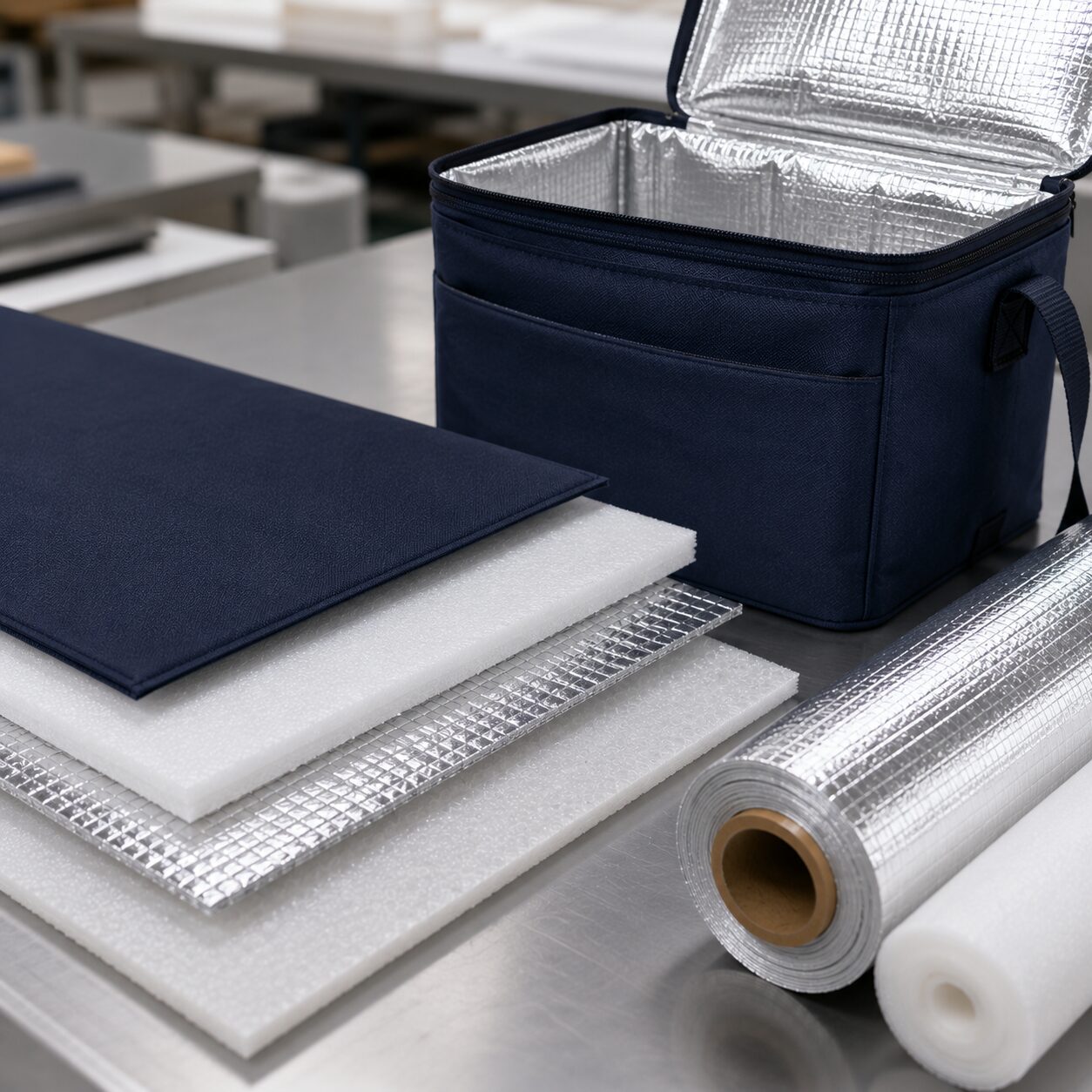
Keeping food cold comes down to shutting down heat transfer with dense closed-cell foam and reflective foil linings. The best insulated bags to keep food cold stop heat from creeping in through conduction, convection, and radiant sunshine during hot summer days. To pull this off, manufacturers have to design airtight seams and reinforced zippers that prevent thermal bridging and stop your ice from melting prematurely. Sourcing durable exterior textiles like 600D polyester or 1680D nylon adds an essential physical defense layer against external heat infiltration. Implementing rigorous thermal drop testing guarantees that finished inventory meets strict commercial cooling expectations for any dependable bag for keeping food cold.
- Heat transfer physics: Closed-cell foam and radiant foil layers effectively block conductive and radiant heat energy.
- Structural sealing: Eliminating thermal bridging at seams prevents interior cold air from escaping prematurely.
- Material selection: Durable exterior textiles provide a secondary defense layer against external ambient heat.
3. Micro-Storage Solutions: Evaluating the Utility of a High-Performance Cooling Pouch
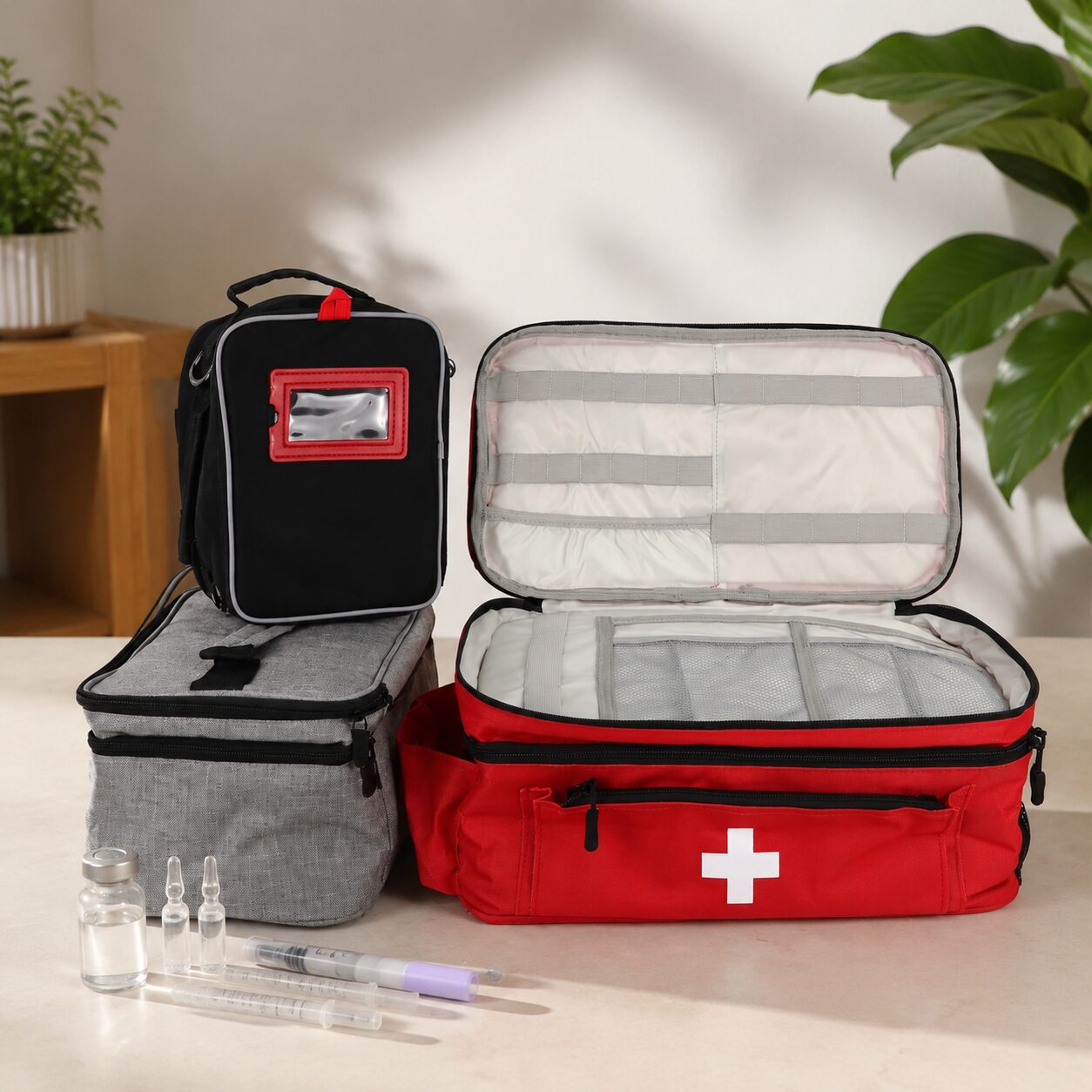
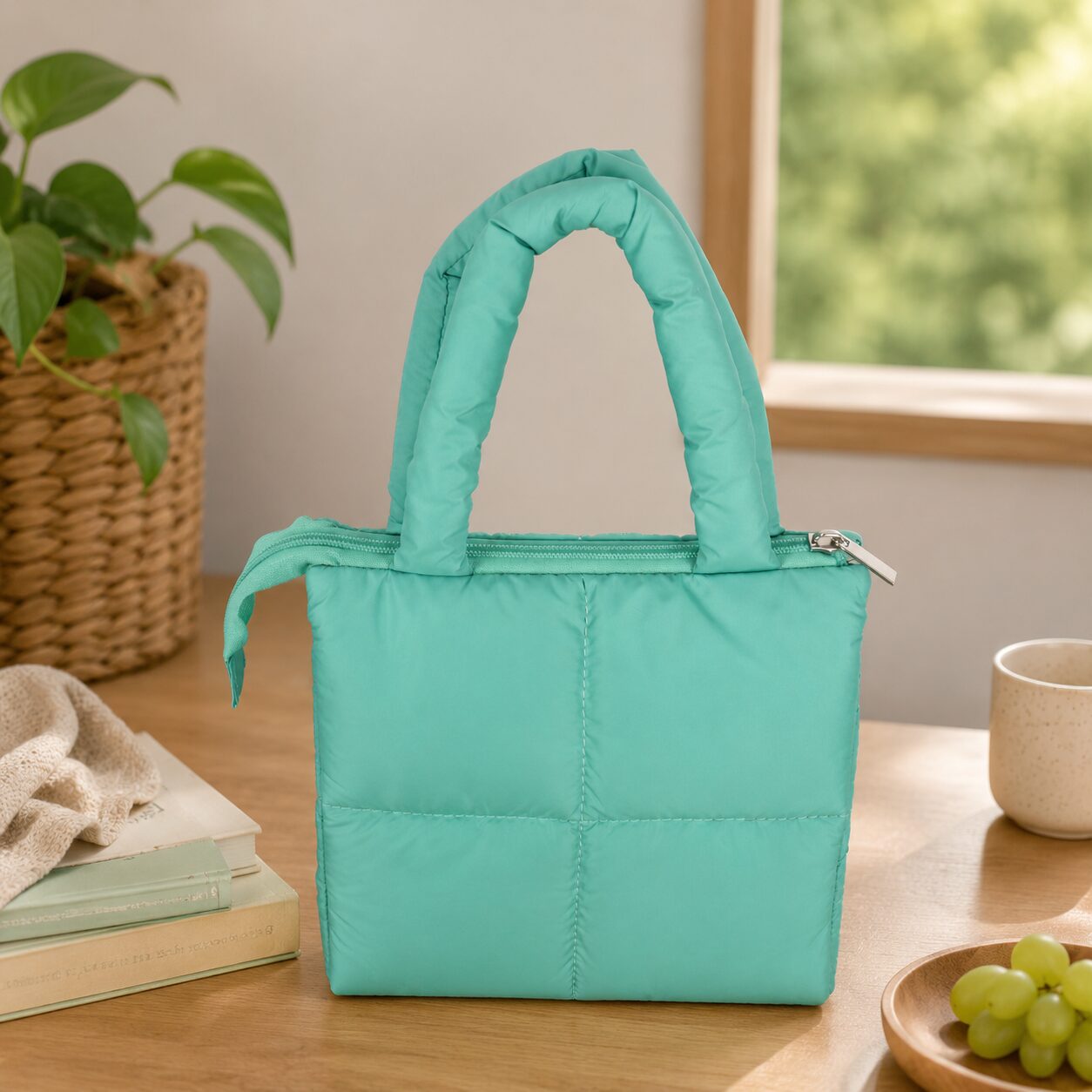
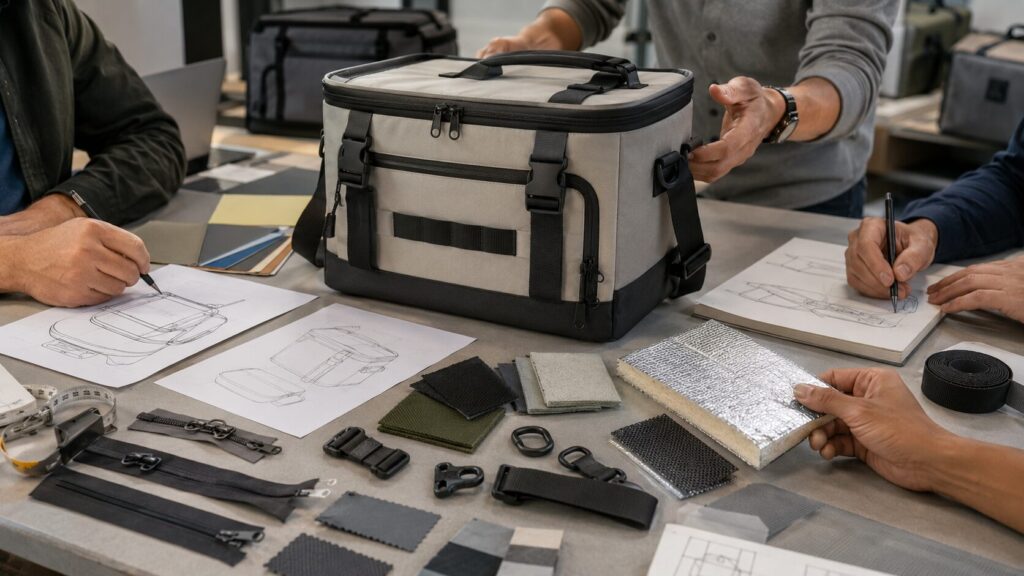
Compact thermal preservation containers provide lightweight portability for single-meal snacks, medical supplies, and personal cosmetics during daily commutes. Adding a versatile cooling pouch to an established product catalog expands market reach without significantly inflating international shipping volumetric weights. Sourcing teams evaluate compact zipper designs and flexible insulation panels to maximize internal storage capacity within minimalist footprints. Offering diverse micro-storage formats allows retail brands to capture impulse-buy consumer segments across urban travel and outdoor markets. Designing practical, downscaled thermal gear diversifies product offerings while complementing a primary bag for keeping food cold collection.
- Compact portability: Lightweight thermal compartments offer convenient daily transport for snacks and medications.
- Shipping efficiency: Smaller micro-storage formats minimize volumetric freight expenses during global distribution.
- Catalog expansion: Introducing specialized miniature storage options captures high-margin impulse buyer segments.
4. Managing Customer Expectations: How Long Do Cool Bags Last in Real-World Use?
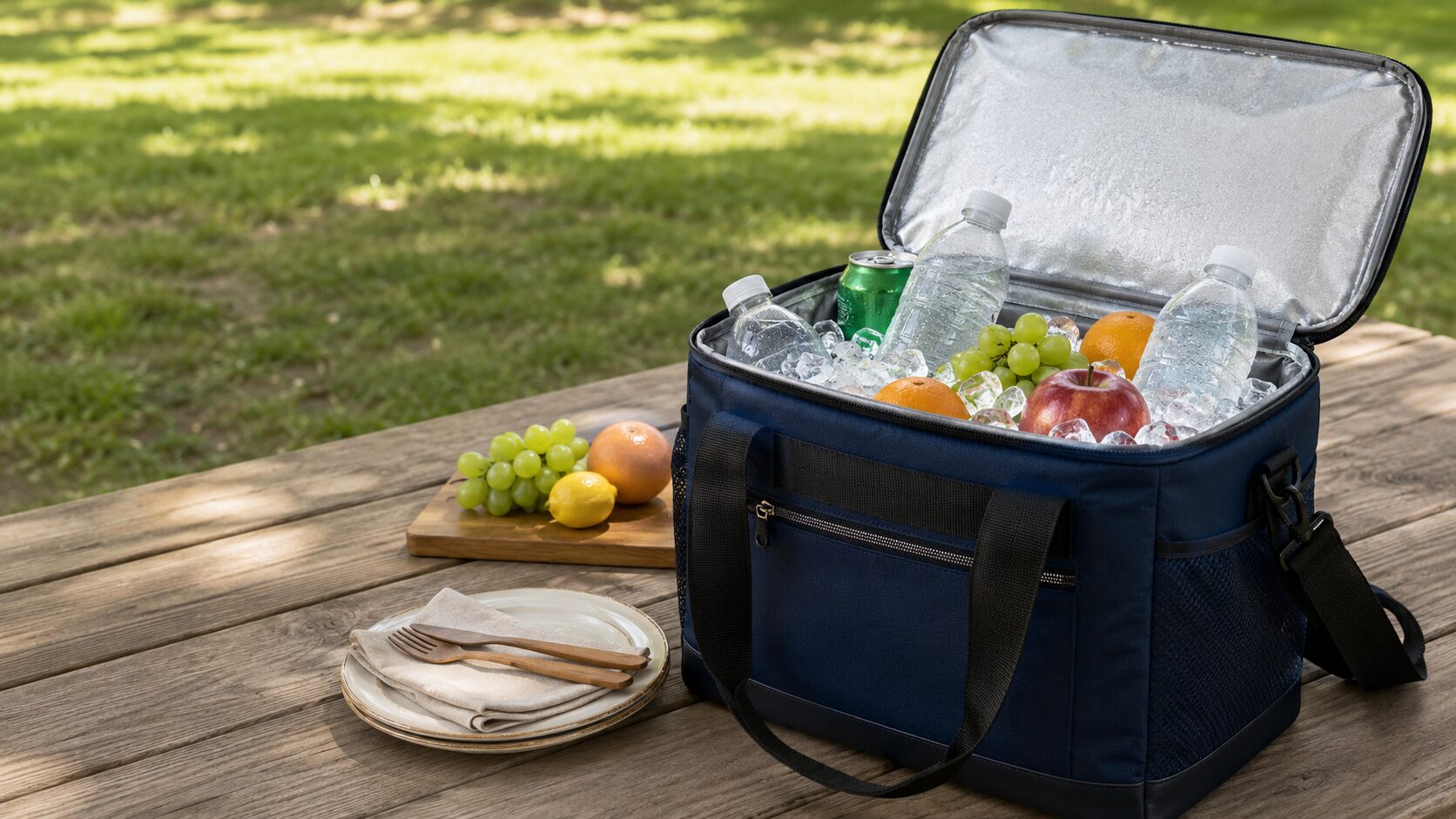
How a bag actually performs in the wild comes down to a few practical factors: outside temps, how much ice you pack, and how often you’re unzipping it at the park or beach. Giving buyers the straight talk on how long do cool bags last helps keep expectations realistic and saves your reviews from the sting of overhyped claims. Brands that lead with honest, tested performance data can market their gear with confidence and build genuine trust on crowded shelves. At the end of the day, factories need to back up their products with actual cooling curves from standard lab tests instead of tossing around exaggerated claims that never hold up under real-world sun. Transparent specification guidelines empower consumers to utilize their bag for keeping food cold correctly under diverse environmental conditions.
- Environmental factors: External heat and frequent zipper openings accelerate internal thermal decay rates.
- Transparent marketing: Providing accurate duration guidelines eliminates negative reviews driven by false expectations.
- Standardized testing: Realistic cooling curves replace exaggerated claims with scientifically verifiable performance data.
5. Verifying Thermal Performance: How Long Do Insulated Bags Keep Food Cold?
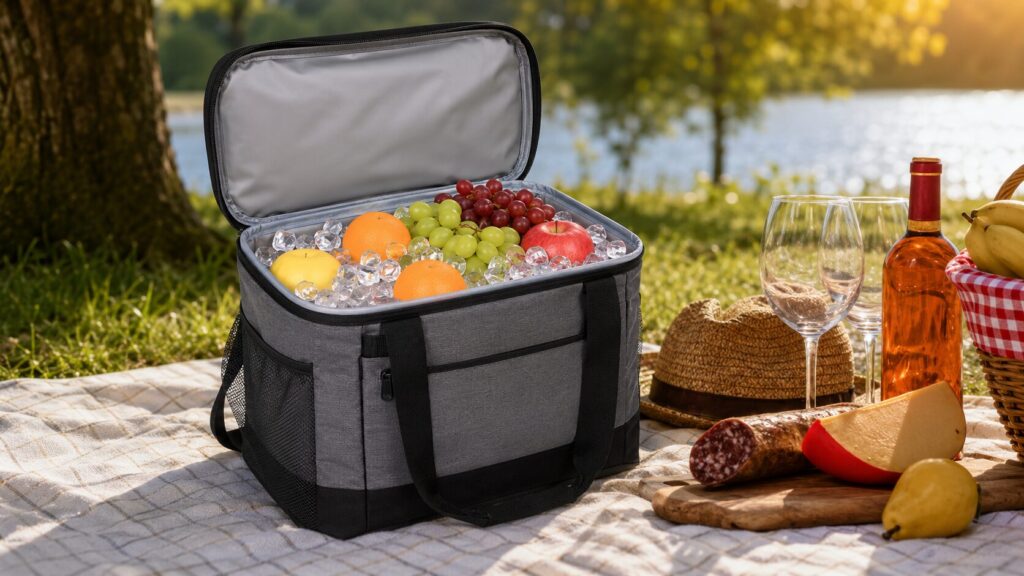
Cold-chain retention limits are determined by multi-hour temperature testing under simulated load conditions using standardized ice pack ratios. Knowing exactly how long do insulated bags keep food cold allows engineering teams to optimize foam thickness and lining reflectivity for specific retail price points. Sourcing experts look at lab test reports to make sure that big batches of food meet the required safety standards and keep the temperature. Using temperature information to solve customer problems helps build trust in the brand and gets high ratings from customers, on online stores. Rigorous performance verification ensures that every manufactured bag for keeping food cold performs reliably during extended outdoor excursions.
- Cold-chain testing: Standardized load tests measure multi-hour temperature retention under controlled conditions.
- Engineering optimization: Accurate duration data helps manufacturers fine-tune foam thickness for target markets.
- Brand credibility: Publishing verified performance metrics reassures buyers and secures high customer ratings.
6. Dual-Temperature Versatility: Do Insulated Bags Keep Food Hot Effectively?
Advanced insulation materials engineered for cold retention can also manage hot catering delivery and meal preparation transport effectively. Determining if do insulated bags keep food hot requires specialized thermal shock evaluation to ensure linings withstand high internal temperatures without degrading. Designing gear that pulls double duty lets brands break into the weekend picnic scene and the commercial food delivery market all at once. To keep bags from falling apart when hauling piping-hot orders, you need heat-rated aluminum foil linings and sturdy, heat-resistant thread that won’t give out under high temperatures.
- Thermal shock management: Advanced insulation layers safely handle both extreme cold retention and hot food transport.
- Market expansion: Dual-temperature functionality captures both recreational picnic and commercial delivery customers.
- Material resilience: High-temperature-rated linings prevent structural degradation during hot catering deliveries.
7. The Aimazing Advantage: Engineering Excellence in Thermal Bag Manufacturing
Aimazing bag keeps production running smoothly by working straight with factories, cutting out unnecessary middlemen, and keeping communication tight across the board. Every single bulk order has to pass strict quality checks—including thermal decay tests, zipper pull strength, and high-frequency weld checks—before it ever leaves the warehouse floor. Plus, the production setup is flexible enough to scale easily, letting brands start with small pilot batches and ramp up to full container loads as sales take off. Technical engineering teams translate complex thermal design specifications into market-ready commercial realities with complete supply chain transparency. Partnering with experienced manufacturing specialists secures long-term operational success for brands retailing any professional bag for keeping food cold.